

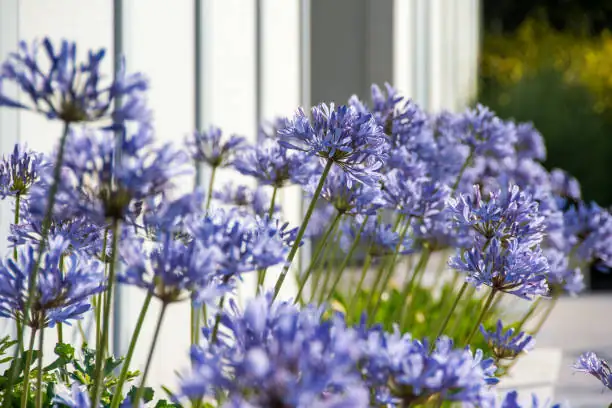
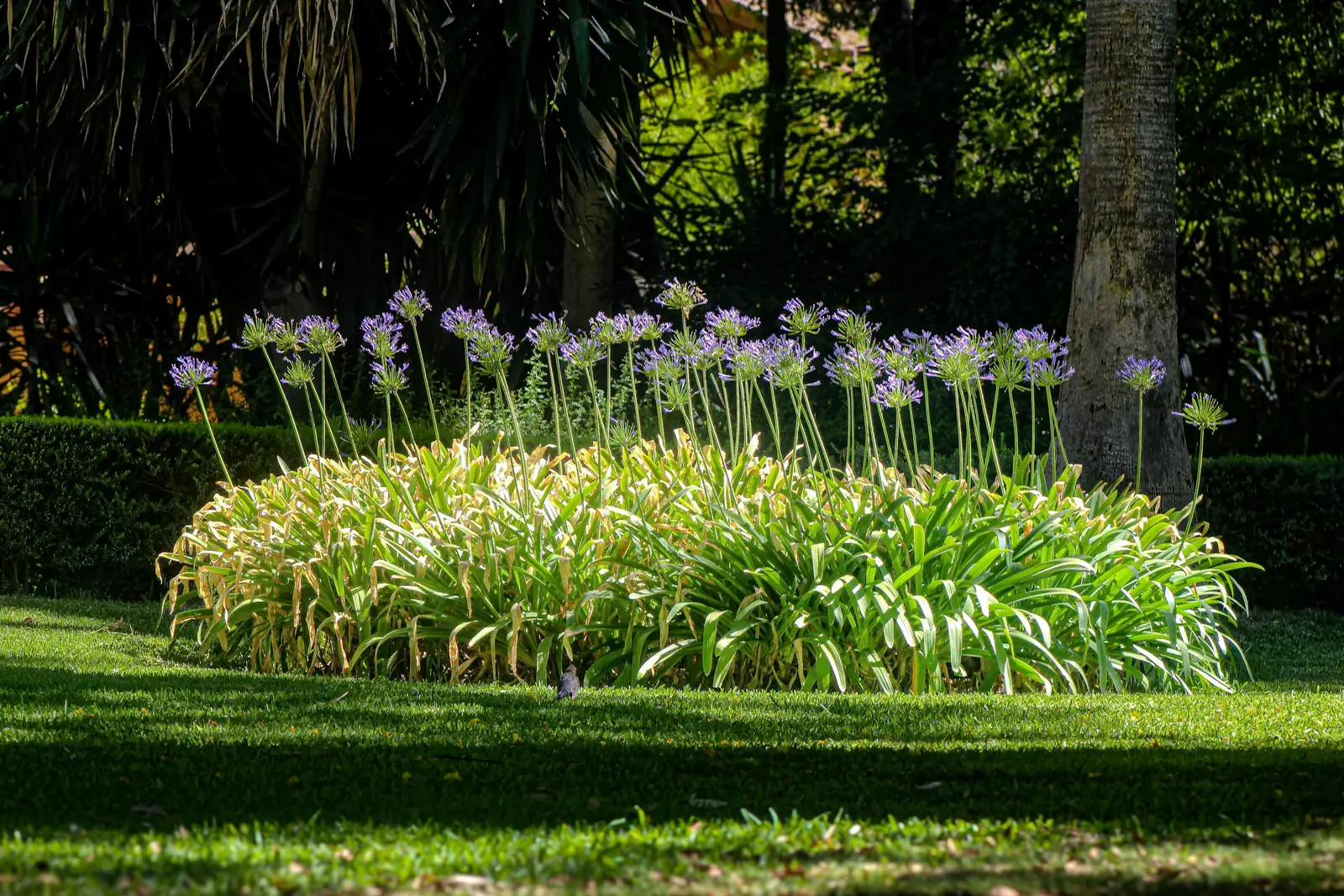
When water budgets tighten, few plants deliver as much drama for as little irrigation as Agapanthus africanus. Better known as Lily of the Nile (despite being South African), it lifts glossy, strap-like leaves into perfect clumps and then launches tall stalks topped with firework globes of trumpet blooms. Blue, violet, or white—take your pick—these umbels hover above the foliage in early to mid-summer and hold their poise through heat waves, all while wooing pollinators and shrugging off deer.
Why Agapanthus africanus earns its keep in lean‑water seasons
- Drought-savvy once established: After its first season, this rhizomatous perennial handles dry spells gracefully if the soil drains well.
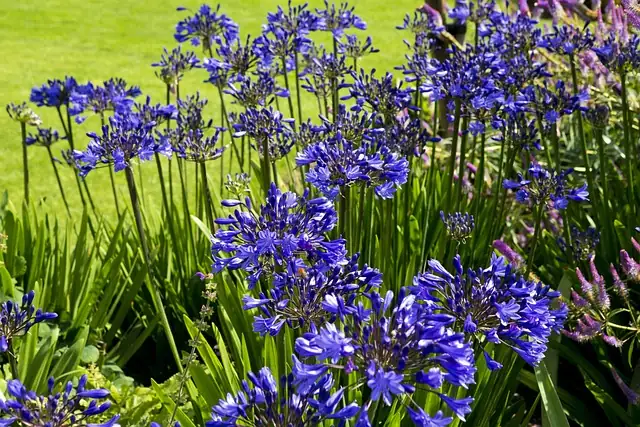
- Showy structure with low fuss: Upright clumps reach about 2–3 ft tall (flower stalks 3–4 ft), staying neat even out of bloom.
- Pollinator appeal: Rounded umbels packed with tubular flowers are a beacon for bees and other beneficials; in suitable regions, you may spot hummingbirds, too.
- Border to container versatility: Equally happy massed along paths or staged in pots—and an outstanding cut flower.
- Wildlife resistance: Generally resistant to deer and rabbits, which is a gift in dry years when browsing can intensify.
Peak bloom is primarily June–August (earlier and longer in frost‑free climates), with cut stems lasting beautifully in the vase.
Site, soil, and sun—set it up to sip, not gulp
- Sun: Full sun yields the best flowering (about 6–8 hours daily). In very hot regions, light afternoon shade reduces stress.
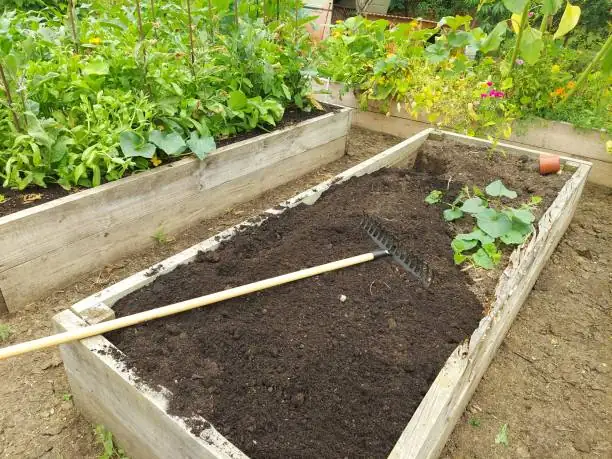
- Soil: Fertile but fast-draining is ideal—think sandy loam. Aim for slightly acidic soil (roughly pH 5.5–6.5). Avoid waterlogged spots, especially in winter.
- Slope and height: Plant on a gentle mound or well-drained bed; soggy feet are the quickest route to root/rhizome rot.
Hardiness: Generally reliable in USDA Zones 7–11 (deciduous forms tolerate more cold than evergreen ones). In borderline zones, containers can be wintered indoors.
Irrigation rhythms for the long haul
Agapanthus rewards a “less but deeper” approach once it’s settled in.
- Establishment year (the exception): Keep the soil evenly moist but never soggy—about 1 inch (2.5 cm) of water per week, delivered in one or two deep soakings. Mulch lightly to conserve moisture.
- After establishment: Many gardens can scale back to roughly 1/2 inch (1.3 cm) per week, depending on heat and soil. Practical rhythm:
- Average summer: One deep soak every 10–14 days.
- Heat waves: Shift to weekly deep watering.
- Winter: Water sparingly; wait for new spring growth to resume regular moisture.
- Let the top layer dry: Allow the top inch of soil to dry between waterings—this discourages rot and encourages deeper roots.
- Mulch smartly: Apply a 2-inch (5 cm) layer of organic or gravel mulch to cut evaporation, keeping it pulled back from the crown to prevent rot.
- Containers: Use a fast-draining potting mix, a container with drainage holes, and let the top inch dry before watering again. Agapanthus blooms best a bit root‑bound—don’t overpot.
Pro tip: Group agapanthus with other moderate, sun‑loving plants in a single hydrozone so every drop of irrigation counts.
Designing a resilient xeriscape with Lily of the Nile
Cohorts that thrive on thrift
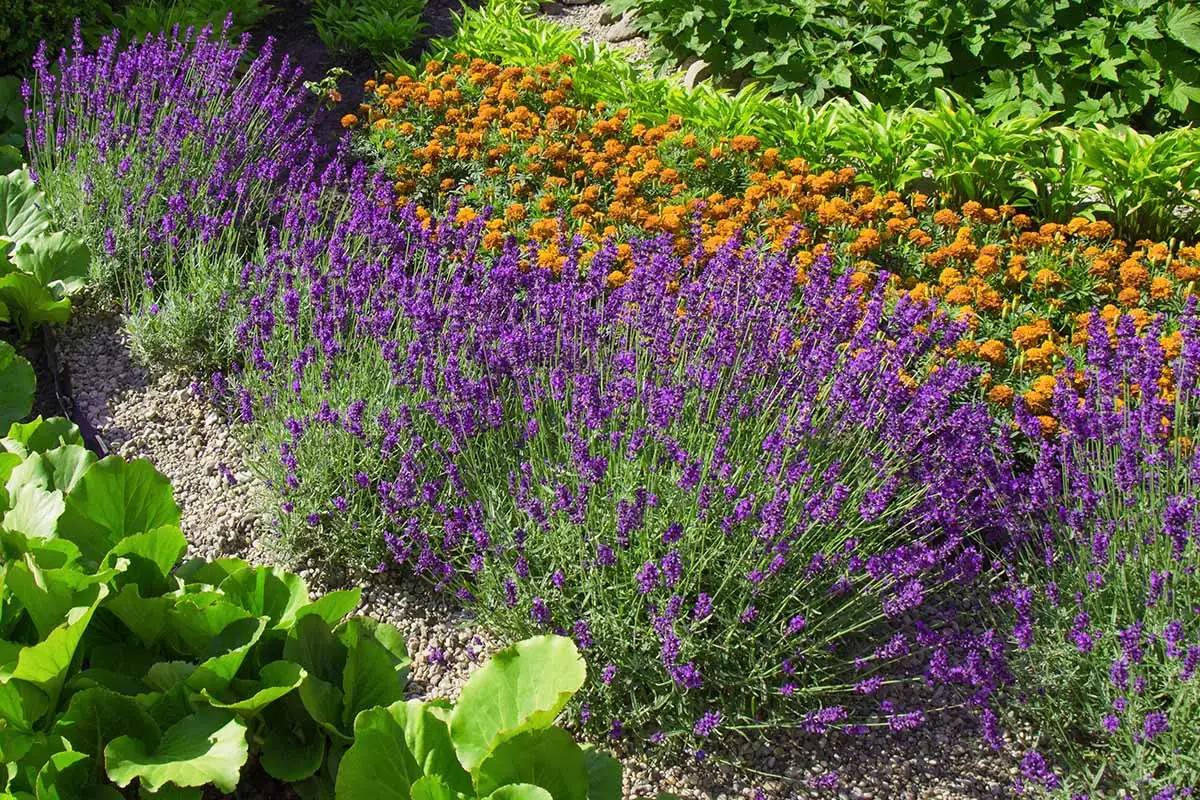
Mix textural foliage with long-blooming companions to create a water‑wise tapestry.
- Sun-loving perennials
- Lavender (Lavandula spp.), catmint (Nepeta), and sage (Salvia nemorosa/greggii) for continuous bee traffic.
- Blanket flower (Gaillardia) for hot‑color daisy disks that bridge bloom gaps.
- Yarrow (Achillea), coneflower (Echinacea), and Russian sage (Perovskia/Salvia yangii) for high-summer punch.
- Silvers and evergreys
- Santolina, artemisia, and variegated yucca lend drought‑tolerant structure and light-catching foliage.
- Grasses for movement
- Blue fescue (Festuca glauca) or Mexican feather grass (Nassella tenuissima) thread motion through agapanthus clumps.
- Succulents and accents
- Hylotelephium (upright sedums), smaller agaves or dwarf aloes for sculptural contrast at the dry end of the bed.
Spacing: Give each agapanthus about 2 ft of width; room for air means fewer fungal issues and easier deep watering.
Color plays and seasonal pacing
- Blue/violet agapanthus pair effortlessly with silver foliage and soft purples for a coastal‑Mediterranean mood.
- White forms electrify “moonlight” borders—companion with lamb’s ear, white gaura, and pale grasses for evening glow.
- Stagger bloom: Spring alliums and salvias, summer agapanthus and yarrows, then fall seed heads for design that never looks thirsty.
Maintenance that respects the drought
- Feeding: In spring, apply a balanced fertilizer (e.g., 10‑10‑10), then again about two months later. For stronger bloom, a phosphorus‑leaning mix (e.g., 5‑10‑10) can help. Avoid heavy nitrogen—it bulks leaves at the expense of flowers. Stop feeding after August.
- Deadhead: Remove entire spent stalks at the base to keep plants tidy and encourage additional bloom.
- Division: Split clumps every 4–6 years to refresh vigor. Time it to growth type—early spring for deciduous forms; many growers divide evergreen forms in autumn after flowering.
- Watch the roots: The biggest risk is rot from waterlogged soil. Good drainage and measured watering are your best insurance. If aphids, mealybugs, or spider mites show up, a firm spray of water or horticultural soap usually suffices.
Pollinators, people, and pets—joy and responsibility
- Pollinator appeal: Nectar-rich, tubular florets draw bees and other beneficials; in some regions, you’ll see hummingbirds dipping through the umbels.
- Pet and human safety: All parts are toxic if eaten, and the sap can irritate skin. Keep plants where curious pets and children won’t nibble; cats can be especially sensitive.
- Symptoms: Nausea, vomiting, diarrhea; dermatitis from sap contact.
- Handling: Wear gloves when dividing or deadheading.
- If ingested or severe skin reaction occurs: Contact a veterinarian or poison control promptly.
Symbolism—“love flower” in a water‑wise garden
Agapanthus blends Greek roots—agape (love) and anthos (flower)—so its modern “language” centers on love, devotion, and lasting affection. Blue forms often symbolize loyalty; white leans toward sincerity and purity. While these meanings aren’t ancient ritual so much as cultural poetry attached over centuries of garden use, they make agapanthus a fitting choice near an entry or along a path where its steadfast summer show greets you daily.
Quick planning checklist for low‑water years
- Sun: Full sun; add light afternoon shade in extreme heat.
- Soil: Fertile, fast‑draining; slightly acidic (pH ~5.5–6.5).
- Water: Establish at ~1 inch/week; then deep, infrequent soaks (~1/2 inch/week on average).
- Mulch: 2 inches, kept off the crown.
- Pairings: Salvias, lavenders, yarrows, sedums, and drought‑tolerant grasses.
- Care: Deadhead, light spring feeding, divide every 4–6 years.
- Hardiness: USDA 7–11; keep winter soil on the dry side.
- Bonus: Great cut flower, deer/rabbit resistant, pollinator friendly—yet toxic if eaten, with irritating sap.
In a season that asks every plant to prove its worth per gallon, Agapanthus africanus answers with fireworks—beauty, structure, and pollinator buzz, all on a modest sip.


