

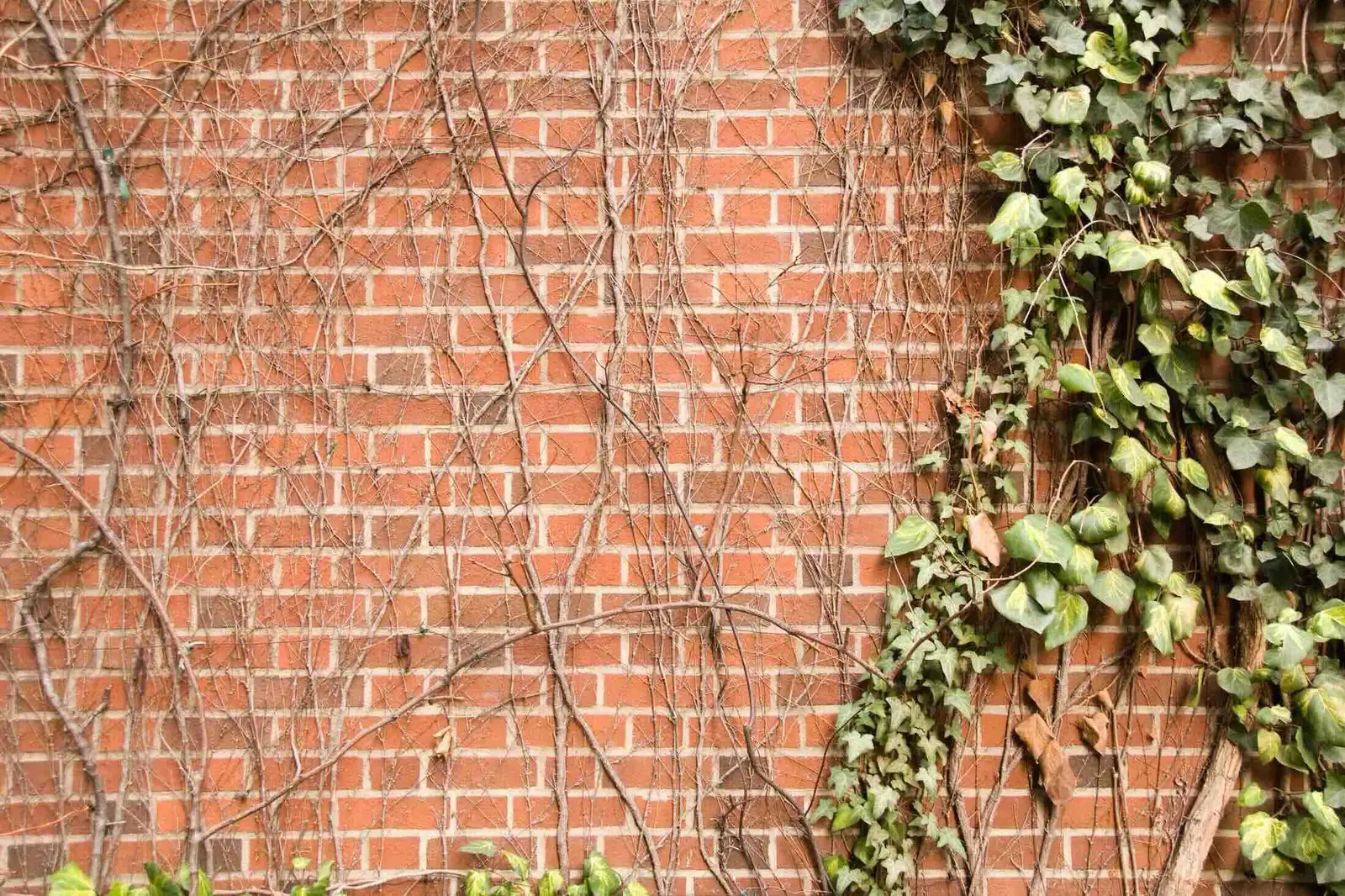
If you’ve ever watched English ivy glide across the ground like glossy green water or climb a wall with old-world charm, you understand the appeal. Hedera helix L. can be a beautiful, hardworking plant—cooling a brick façade, masking an eyesore, and carpeting deep shade where lawns refuse to grow. The catch? In many regions, ivy’s enthusiasm can turn ecological. The good news: you can enjoy its look and function without inviting trouble. Here’s how to gauge risk by region, keep ivy impeccably contained, and choose shade-loving alternatives when ivy isn’t the right fit.
Meet English ivy at a glance
- Botanical profile: Hedera helix L. (English ivy), family Araliaceae. Native to Europe, Scandinavia east to Russia, and North Africa.
- Evergreen vine/groundcover with two “looks”:
- Juvenile (common in gardens): lobed, heart-based leaves, strong climbing/creeping habit.
- Mature/flowering: more oval or diamond-shaped, usually unlobed leaves; small greenish-white flowers in fall that can be nectar-rich for insects, followed by berries.
- Growth habit: climbs using tiny aerial rootlets; spreads as dense groundcover, rooting where stems touch soil.
- Size: outdoors can climb to about 24 m (80 ft) or spread widely; indoors typically 3–6 ft as a trailing plant.
- Light and hardiness: thrives in part to full shade; hardy across many climates (commonly cited to USDA Zone 4 and, depending on cultivar and local conditions, into warmer zones). Variegated cultivars need brighter light to keep their color.
- Safety: toxic to humans and pets; sap can irritate skin.
Where ivy is invasive—and where it’s manageable
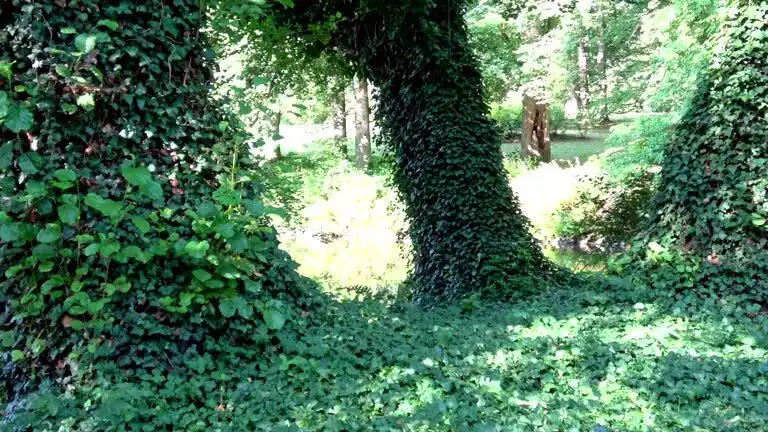
Before planting outdoors, check local guidance. Hedera helix and its close relatives can smother forest floors, climb and stress trees, and spread by both fragments and bird-dispersed seed.
United States and Canada
- Pacific Northwest (WA, OR, coastal BC)
- English ivy and its near-kin are considered invasive in much of the region. King County, WA lists several cultivars (including Hedera helix ‘Baltica,’ ‘Pittsburgh,’ ‘Star’ and H. hibernica ‘Hibernica’) as Class C noxious weeds and encourages removal and replacement with alternatives.
- California
- The California Department of Fish and Wildlife highlights English ivy as an invasive plant to avoid. It readily escapes gardens, outcompetes native understory plants, and can damage trees and structures.
- Mid-Atlantic, Southeast, and parts of the Northeast/Midwest
- Ivy is flagged as invasive or a serious forest invader in many counties and states. In woodlands and along riparian corridors it can form near-monocultures and climb into canopies.
Bottom line for North America: ivy is risky outdoors in many regions—especially mild, coastal, and forested areas. Always consult your state/province invasive plant list, county weed board, or local extension office.
Europe and North Africa (native range)
Hedera helix is native here and plays a longer-standing role in local ecosystems. Even so, it can overwhelm garden beds and old walls without routine management.
Indoors everywhere
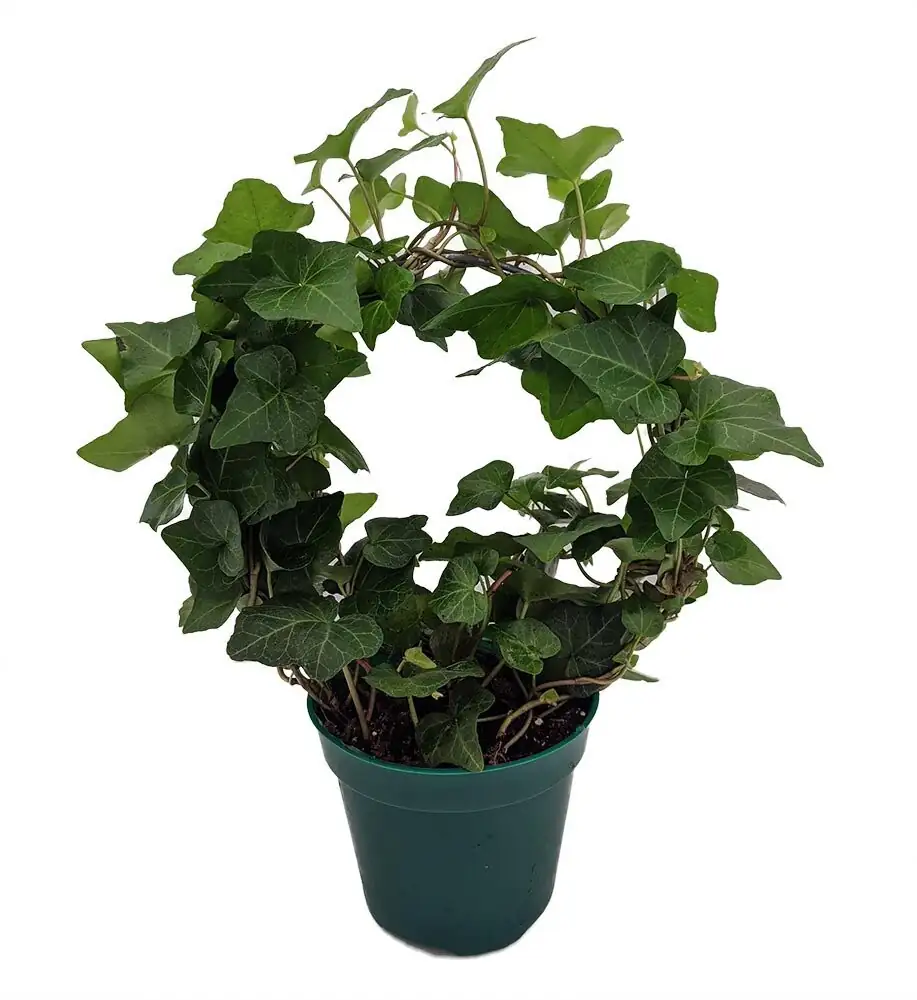
Indoors is the low-risk way to enjoy ivy’s look. As a houseplant, it stays compact, shows off variegated forms beautifully, and won’t affect local habitats.
If you grow it: eco-smart containment and care
If local rules allow ivy and you decide to keep or plant it, design your setup so the plant never gets the upper hand.
Design for containment
- Choose the right place
- Plant far from property edges, woodland margins, creeks, and greenbelts to reduce escape.
- Prefer raised planters or large containers for vertical screens; place them on hardscape, not bare soil.
- Install firm boundaries
- Use deep edging (8–12 in/20–30 cm) of steel, concrete, or heavy plastic around beds to block creeping stems and roots.
- Create a 12–24 in (30–60 cm) “mow strip” of gravel, pavers, or regularly mown turf around ivy beds for easy edge control.
- Provide a dedicated support
- For screening, give ivy a free-standing trellis or fence panel you can prune on all sides. Avoid tree trunks and wooden structures you can’t easily clear.
Ongoing maintenance schedule
- Keep it juvenile
- Prevent flowering and fruiting (the bird-spread stage) by pruning off any mature, unlobed shoots that appear. Do a thorough trim in spring and touch-ups through the growing season.
- Ban climbing on trees
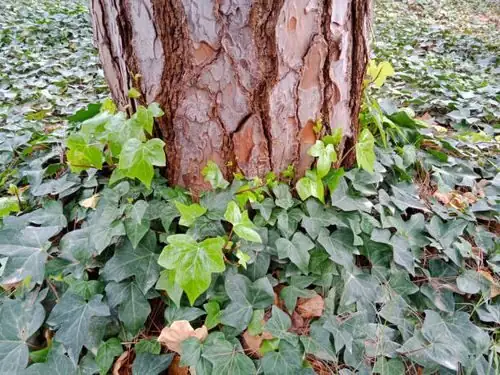
- Maintain an “ivy-free collar” around trunks: cut a clean ring through all vines 3–5 ft (1–1.5 m) above ground and peel away the lower section. Leave the upper vines to wither in place; don’t yank them down.
- Patrol the edges
- Monthly walkthroughs: lift and remove any stems trying to root beyond borders. After storms, check fences and hedges for hitchhiking runners.
- Manage groundcover density
- Thin or mow on the highest setting in spring to keep mats from stacking into thatch. Remove debris so cut stems don’t reroot.
Hygiene and disposal
- Never dump yard waste into wildlands or vacant lots.
- Bag or bin all cuttings; ivy fragments root easily.
- Clean tools and gloves—ivy can harbor plant pathogens and pests.
Indoors: enjoy the look, skip the risks
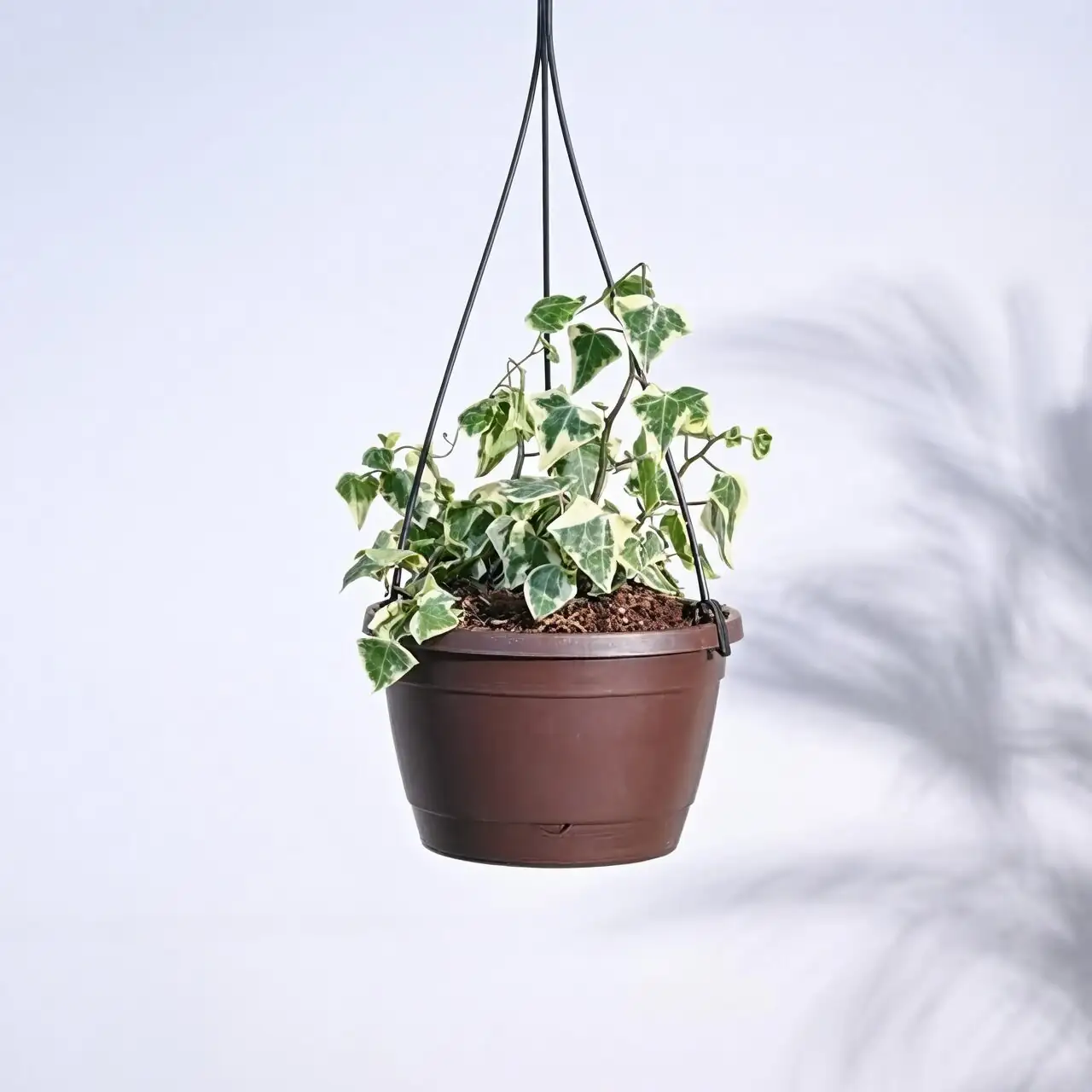
- Light: bright, indirect light; variegated forms prefer a brighter spot. Avoid hot afternoon sun.
- Water: keep soil evenly moist, not soggy. Let the top ~1 in (2.5 cm) dry, then water thoroughly.
- Humidity: medium to high; dry air invites spider mites—mist occasionally or use a humidity tray.
- Pruning: pinch tips for a fuller plant; train on a small trellis if you like.
- Safety: toxic to people and pets; keep out of reach.
Shade-loving alternatives you’ll love (and your local ecosystem will, too)
Want the function without the fallout? Choose regionally native plants with similar jobs—ground-taming carpets, vertical screens, and evergreen structure. A few standout ideas:
Pacific Northwest and coastal Northern California
- Groundcovers
- Evergreen currant (Ribes viburnifolium): glossy, drought-tolerant understory spreader for dry shade.
- Redwood sorrel (Oxalis oregana): lush woodland carpet for moist shade.
- Wild ginger (Asarum caudatum): handsome heart-shaped leaves, shady spreader.
- Beach strawberry (Fragaria chiloensis): low, evergreen runner with spring flowers and wildlife-friendly fruit.
- Piggyback plant (Tolmiea menziesii): fast, textural fill for rich shade.
- Sword fern (Polystichum munitum): bold evergreen fronds for bank stabilization.
- Vines and screens
- California honeysuckle (Lonicera hispidula) or western white clematis (Clematis ligusticifolia): train onto trellises for seasonal screening and pollinator value.
- Evergreen hedging in shade: evergreen huckleberry (Vaccinium ovatum), salal (Gaultheria shallon), and tall Oregon grape (Mahonia aquifolium).
California (statewide)
- Groundcovers
- Alumroot (Heuchera maxima or H. micrantha): lush mounds for shade with spring bloom spikes—an official recommendation in California as an ivy alternative.
- Evergreen currant (Ribes viburnifolium), beach strawberry (Fragaria chiloensis), and yerba buena (Clinopodium douglasii) for varying moisture and shade levels.
- Screens
- Toyon (Heteromeles arbutifolia) in bright shade; tall Oregon grape for denser shade; native clematis or honeysuckle on structures where vines are desired.
Northeast and Mid-Atlantic
- Groundcovers
- Foamflower (Tiarella cordifolia): semi-evergreen mats; excellent in woodland beds.
- Golden ragwort (Packera aurea): spring-gold flowers, semi-evergreen rosettes.
- Pennsylvania sedge (Carex pensylvanica): airy, mowable, drought-tolerant in dry shade.
- Wild ginger (Asarum canadense) and partridgeberry (Mitchella repens) for dense, low carpets.
- Christmas fern (Polystichum acrostichoides) for evergreen texture.
- Vines and screens
- Virginia creeper (Parthenocissus quinquefolia): vigorous native climber for shade to part sun; brilliant fall color.
- American bittersweet (Celastrus scandens): for trained screens—confirm ID; don’t confuse with the invasive Oriental bittersweet.
Southeast
- Groundcovers
- Green-and-gold (Chrysogonum virginianum): cheerful, low, and pollinator-friendly.
- Southern wild ginger (Asarum arifolium), river oats (Chasmanthium latifolium), and native Carex spp. for layered shade carpets.
- Vines and screens
- Carolina jessamine (Gelsemium sempervirens) and crossvine (Bignonia capreolata): evergreen to semi-evergreen climbers with spring flowers.
- Yaupon holly (Ilex vomitoria) for durable, shade-tolerant hedging.
Great Lakes and Midwest
- Groundcovers
- Foamflower (Tiarella cordifolia), golden ragwort (Packera aurea), Pennsylvania sedge (Carex pensylvanica), wild strawberry (Fragaria virginiana), and native heucheras (H. americana).
- Vines and screens
- Virginia creeper and trumpet honeysuckle (Lonicera sempervirens) on trellises; consider shade-tolerant shrubs like black chokeberry (Aronia melanocarpa) for wildlife value.
Tip: your local native plant society or extension service can tailor this list to your microclimate, soil, and shade type (dry vs. moist).
Quick care snapshot for eco-conscious ivy growers
- Light: part to full shade outdoors; bright, indirect light indoors. Variegated forms need more light to keep variegation.
- Water: outdoors, about 0.5–1 in (1.3–2.5 cm) weekly depending on heat and rainfall; indoors, let the top inch dry before watering thoroughly.
- Feeding: light, balanced feeding in spring and summer; pause during winter or heatwaves.
- Pruning: spring haircut for shape; tip-pinching for fullness; remove mature, unlobed shoots to prevent berries.
- Watchouts: spider mites in dry air; root/stem rot in soggy soil; sap can irritate skin; plant parts are toxic if ingested.
Flower language, symbolism—and a modern take
For centuries, ivy has symbolized fidelity, friendship, and enduring love—evergreen through winter and steadfast in its cling. In Victorian floriography, a sprig of ivy spoke softly of marriage and faithfulness. The poetry is powerful, but so is the plant. Today, honoring ivy’s symbolism means practicing care that’s faithful to place: choose it where it belongs, contain it where it doesn’t, and reach for native companions whenever possible.
A no-regrets plan
1) Check local invasive plant lists and rules.
2) Prefer indoor ivy or regionally native outdoor substitutes.
3) If planting outdoors, design hard boundaries and a mow strip from day one.
4) Put “no-climb” zones on trees and structures; prune before berries form.
5) Dispose of all cuttings responsibly—no dumping.
6) Share your plant list with neighbors so vines don’t leap the fence.
English ivy can be both classic and conscientious—if you align your design with your ecosystem. Whether you trade it for a tapestry of natives or keep a tightly tailored patch, the goal is the same: green that looks good, works hard, and plays well with the world beyond your garden gate.