


Imagine a compact, prehistoric sculpture of deep green feathers, calmly anchoring your living room. That’s Zamia furfuracea—the Cardboard Palm—an elegant cycad from eastern Mexico that thrives in bright rooms and sunny, sheltered balconies. It’s slow, steady, and wonderfully forgiving of busy schedules. But there’s one non‑negotiable: like many cycads, it’s toxic if ingested—especially its seeds. With a little know‑how, you can enjoy its architectural charm while keeping curious cats, dogs, and children safe.
Meet Zamia furfuracea (Cardboard Palm)
- Not a true palm but an ancient cycad; produces cones, not flowers.
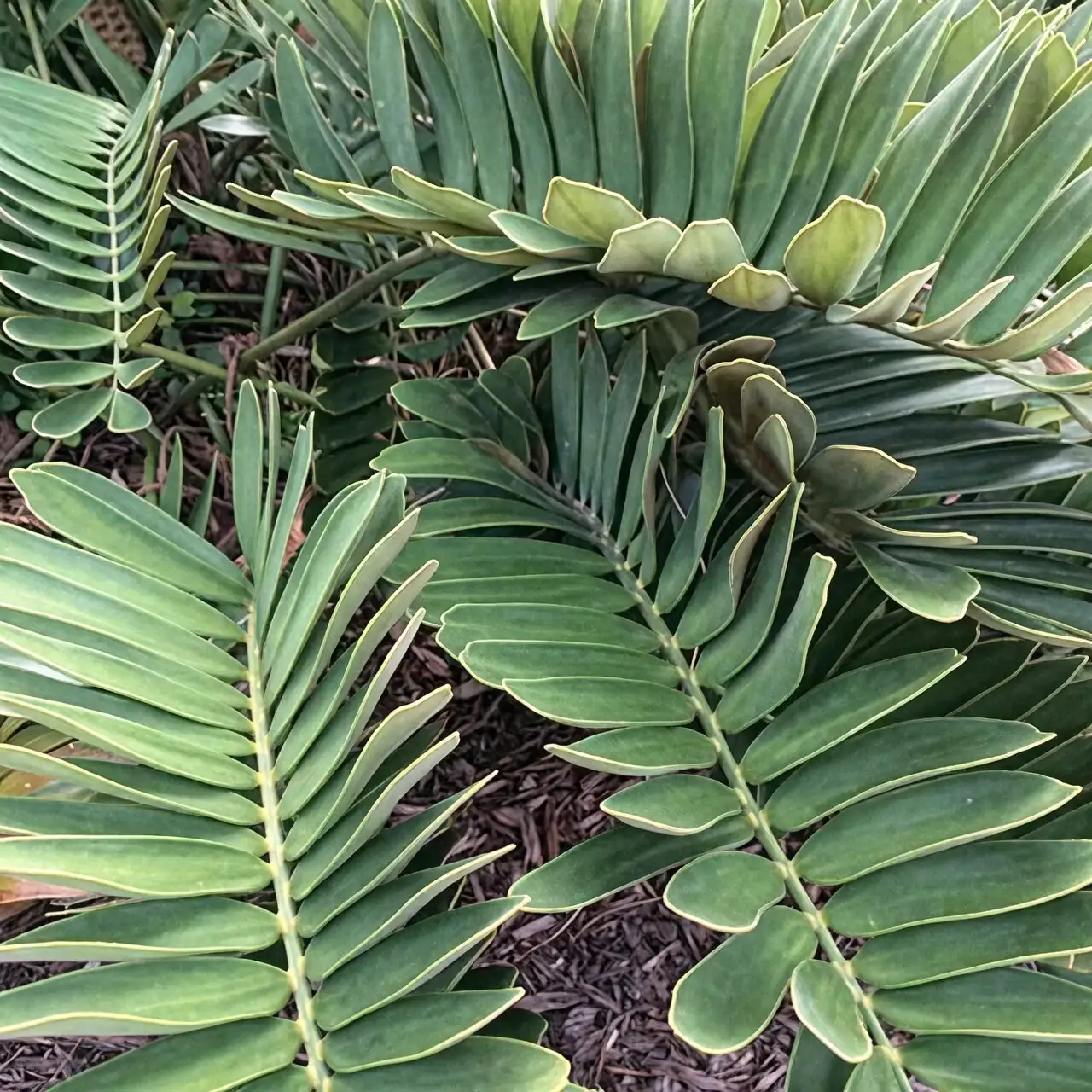
- Shape: a compact rosette with stiff, glossy, feather‑like fronds; forms a thickened base (caudex) over time.
- Personality: slow-growing, drought-tolerant, and shade‑tolerant; looks best with bright light and warmth.
Where it shines: bright living rooms, offices, and sheltered balconies with good airflow.

Cycads and pets: what makes them risky
All parts of the plant are toxic if ingested—seeds most of all. Like other Zamia species, the seeds are the highest‑risk part. If a dog chews a seed (dogs are frequent offenders), the outcome can be serious.
Common exposure signs in pets:
- Early: vomiting, drooling, increased thirst
- Next days: lethargy, loss of appetite, diarrhea or constipation, jaundice (liver involvement)
What to do immediately:
- Contact a veterinarian or pet poison helpline at once.
- Do not induce vomiting unless instructed by a professional.
- Bring the plant name (Zamia furfuracea) and, if possible, a sample of what was chewed.
Bottom line: prevention is everything—especially during coning.
Seed‑safe living: how to stay ahead of the cones
Cycads make separate male and female cones; coning is most likely on mature plants in warm, bright conditions—often in summer. Treat any cone as a high‑alert event.
Your seed safety protocol:
- Inspect weekly in warm seasons
- Look for emerging brownish cones at the crown.
- If cones appear
- Relocate the plant to a secure, pet‑free room.
- Cover developing cones with a breathable mesh or organza bag to catch any dislodged material.
- Remove cones early
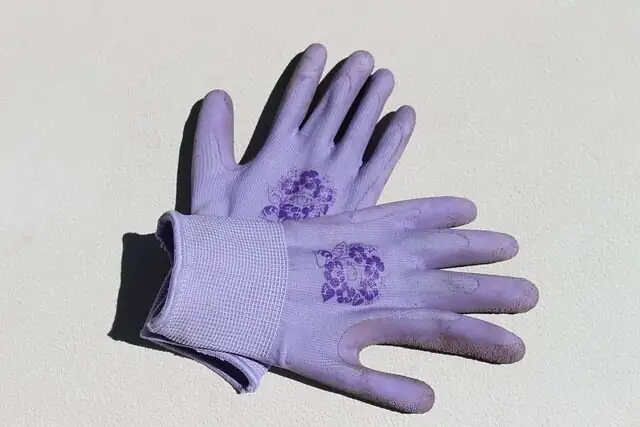
- Wear gloves. Cut cones off cleanly at the base with sterile pruners.
- Seal cones and any debris in a sturdy bag and dispose of them with household waste—never compost.
- Clean the area
- Wipe or vacuum the floor/shelf and the pot rim. Wash hands and tools.
Have kids or pets at home? Consider proactively choosing a non-coning juvenile plant and placing it where periodic checks are easy.
Pet‑safe placement that actually works
Every home—and every animal—is different. Combine vertical distance, barriers, and behavior shaping.
For cat households
- Go vertical—but smartly
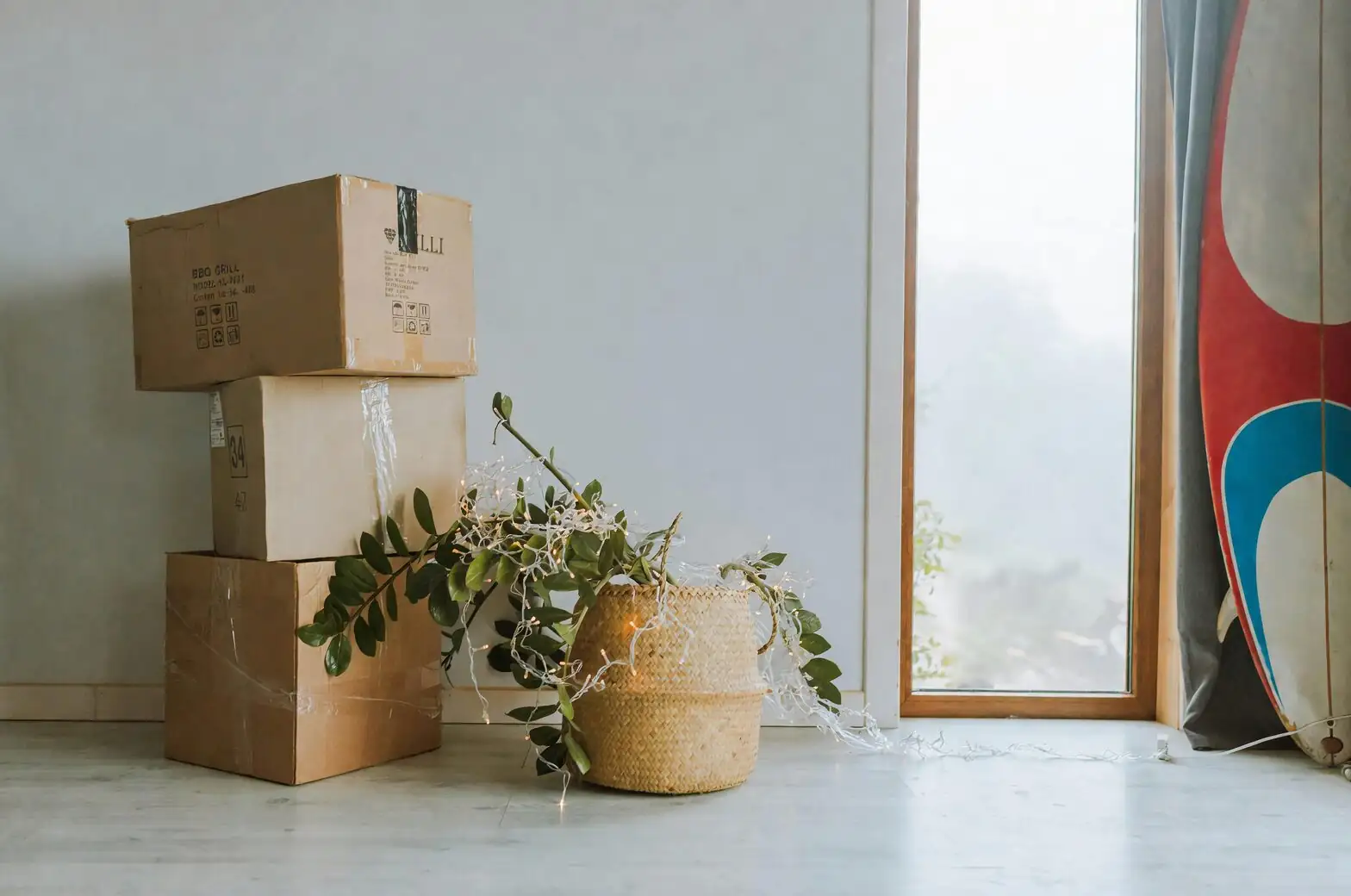
- Place on high, stable shelving that cats can’t stair‑step to. Avoid bookcases that function as “cat ladders.”
- Use barriers
- Glass-front cabinets, plant display cases, or mesh-front terrariums with good ventilation.
- Make it uninviting
- Top‑dress soil with a tidy layer of stones to discourage digging.
- Use motion-activated air puffs or pet‑safe deterrent mats around the stand if you have an acrobatic cat.
- Offer a yes‑zone
- Provide cat grass or catnip in an easy, sunny spot; redirect interest there.
For dog households
- Elevate beyond muzzle height
- Tall, heavy plant stands with wide bases; anchor if needed.
- Gate the space
- Use baby gates or pet gates to create a plant zone dogs can’t access.
- Crate time and routine
- If you’re away and the dog likes to chew, close doors or crate with enrichment toys.
General rules:
- No hanging placement for this species—containers are heavy and not designed to swing.
- Keep it out of traffic routes where leaves might snap (broken bits may end up as “toys”).
- Always move the plant to a secured room during coning.
Styling ideas that boost safety and look great
- Glass-front plant cabinet near a bright window—museum‑quiet, cat‑proof display.
- Low, wide container on a tall console table positioned away from springboards like sofas.
- Sheltered balcony greenhouse shelf (lockable door), ideal in mild climates; bring indoors before cold snaps.
Care that keeps your plant happy (and you relaxed)
Happy plants cone more predictably and are easier to monitor. Here’s a concise, pet‑safe care plan.
Light and placement
- Bright light to full sun indoors; tolerates bright shade.
- Best near a sunny, well‑ventilated window; shield from harsh midday sun magnified through glass.
- Airflow is a plus—stale air invites pests.
Water and soil
- Water thoroughly, then let the top layer of mix dry before the next watering.
- In summer: keep lightly moist, never soggy.
- In winter: water sparingly—cold + wet soil is the fast track to rot.
- Soil: very free‑draining mix (about 2 parts peat/leaf‑mold–based mix to 1 part coarse sand/grit/perlite). Always use pots with drainage holes.
Tip: Overwatering in cool conditions is the number‑one mistake. When in doubt, wait a day.
Temperature and humidity
- Ideal: 13–24°C (55–75°F). Keep above 2°C (36°F). Leaves can be damaged below freezing.
- Average indoor humidity is fine. Wipe leaves occasionally; light misting in hot, dry weather helps keep them clean.
Feeding
- Feed monthly in the growing season with a balanced fertilizer (e.g., 20‑20‑20) at label rates.
- Pause feeding in winter if growth slows.
Grooming and repotting
- No shaping needed. Remove yellowing or damaged fronds one by one; cut at the base with clean tools.
- Repot slowly growing plants every ~2 years; larger specimens every 3–4 years.
- A shallow, wide container improves stability and suits the root system (typical size: 15–40 cm / 6–16 in diameter).
Buying guide for pet‑aware homes
- Choose a plant with a firm, thick caudex and evenly arranged, deep‑green fronds.
- Inspect for scale insects along the midribs and undersides of leaves.
- After purchase: give it your brightest, best‑ventilated spot. If pushing new leaves, weak light leads to stretched, sparse fronds.
- Water lightly as it settles—this cycad hates staying wet.
Pests and quick fixes
- Scale insects: wipe off; treat with horticultural oil or insecticidal soap. Repeat as needed.
- Leaf spot: improve airflow; avoid wetting the crown late in the day; remove affected fronds.
- Root issues (including possible root‑knot nematodes in contaminated media): use clean, free‑draining mix; avoid waterlogging; discard severely affected plants.
Always follow label directions and local regulations for any treatments.
Pet‑safety FAQs
Is it safe to keep Cardboard Palm with pets?
Yes—if you prevent access. Use elevation, barriers, and routine checks. The plant itself is toxic if chewed; seeds are especially dangerous.
Will my plant make seeds indoors?
Cones (not flowers) are more likely on mature plants in warm, bright conditions, often in summer. If cones form, treat them as hazardous and remove them promptly and safely.
My dog/cat chewed a leaflet—what now?
Call your vet immediately. Time matters. Provide the plant’s name (Zamia furfuracea) and an estimate of how much was ingested.
A quiet symbol of resilience
Cycads are living fossils—survivors from deep time—so the Cardboard Palm often symbolizes longevity and steady endurance. It’s a plant that asks for patience and rewards it with lasting, sculptural calm.
Quick reference checklist
- Toxicity: all parts toxic; seeds most dangerous—keep away from pets and children.
- Light: bright to full sun indoors; avoid midday scorch through glass.
- Water: soak then dry the top layer; drier in winter.
- Temperature: 13–24°C ideal; never below 2°C.
- Soil: very free‑draining; pot with drainage holes.
- Feeding: monthly in growing season; skip in winter.
- Cones: possible in warm, bright conditions—remove early, dispose safely, clean up thoroughly.
With thoughtful placement, a seed‑safe routine, and gentle, low‑maintenance care, Zamia furfuracea can be a serene, sculptural presence in pet‑friendly homes—ancient, elegant, and entirely compatible with modern life.