

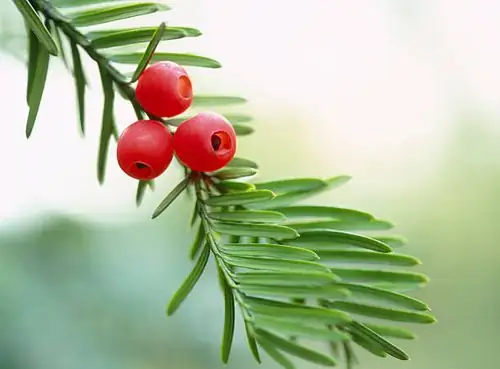
Chinese yew (Taxus chinensis) is a stately, evergreen conifer with rich, dark needles and bright red arils that light up autumn and often linger into winter. It’s beautiful—and it demands respect. This plant is highly toxic if ingested, especially the seeds. With a few clear rules, smart placement, and tidy hygiene, you can enjoy its calm, architectural presence while keeping people and pets safe.
Meet Chinese Yew, briefly
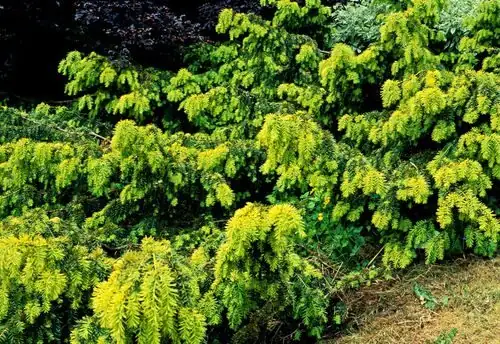
- What it looks like: Dense, deep-green, needle-like foliage; compact branching; in autumn, females bear striking red, berry-like arils (the fleshy seed covering).
- Size and habit: An upright, woody evergreen. Outdoors it can eventually become a substantial tree (commonly 10–20 m/33–66 ft); pot-grown plants are usually young and compact.
- Light and climate sweet spot: Partial shade to bright, indirect light. Keep it cool and evenly moist in humus-rich, well-drained, slightly acidic soil. Avoid scorching sun and waterlogged roots.
- Why it’s grown: Evergreen structure and those red arils. It’s also a genus noted in medicine—but the plant itself is poisonous and never for self-medication.
The toxic truth: what’s dangerous, what’s not
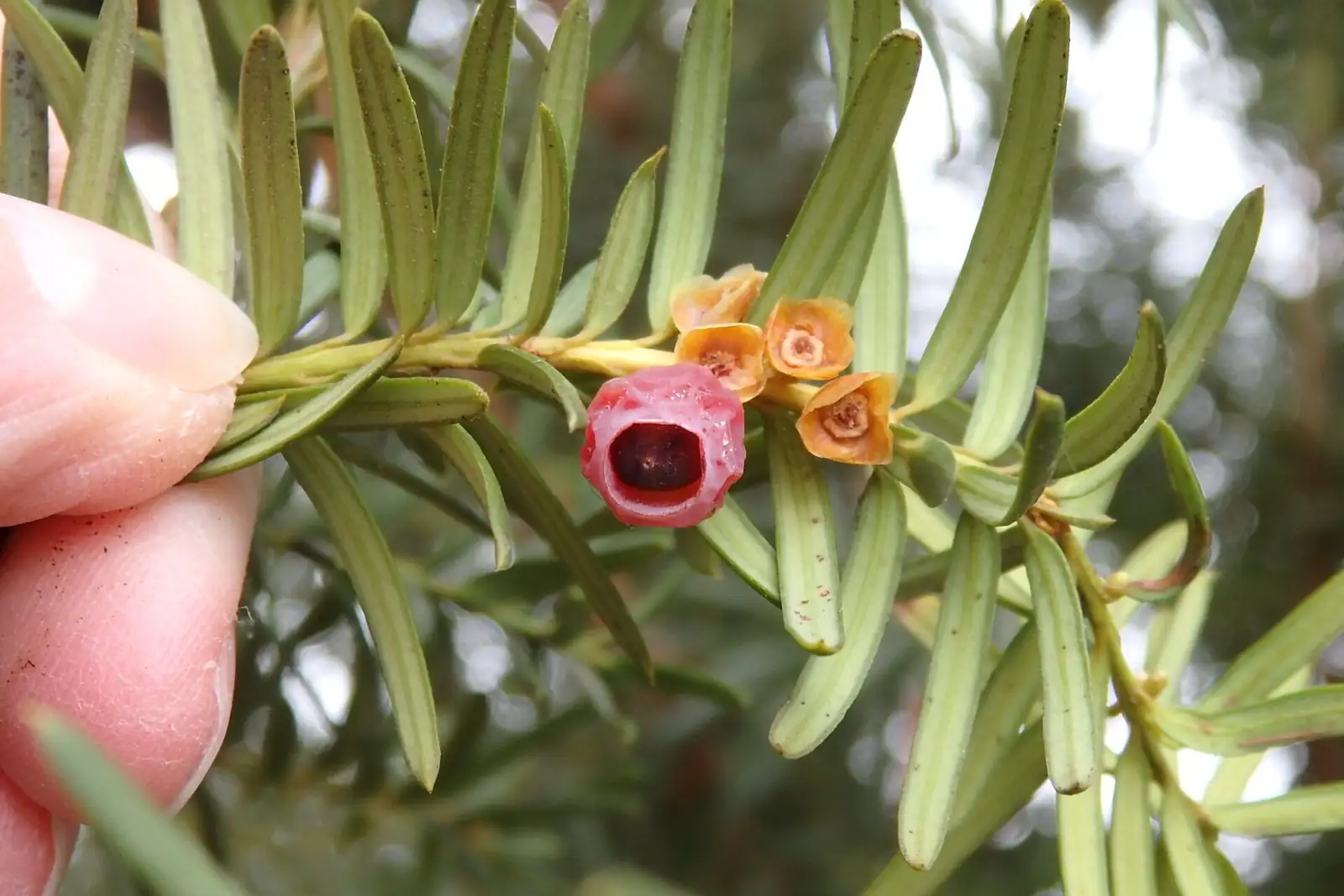
- Most toxic parts: Needles, bark, and especially the seeds.
- The red aril: The fleshy red covering is less toxic than other parts—but the seed inside is dangerous. Treat the whole “berry” as off-limits.
- How it harms: Yews contain potent cardiotoxic alkaloids (notably taxine A and B). In people and animals, ingestion can rapidly disrupt heart rhythm and conduction.
- Symptoms to recognize (may start within 30–60 minutes):
- People: Nausea, vomiting, dizziness, weakness, confusion; palpitations or a racing heart that can slow suddenly; fainting or collapse.
- Pets: Drooling, vomiting, diarrhea, trembling, weakness, unsteady gait, abnormal heart rate/rhythm, sudden collapse. Even small amounts can be life-threatening.
Bottom line: Never taste, touch-to-mouth, or let others sample any part of a yew.
Smart placement that prevents accidents
- Households with children or pets
- Best practice: Choose a different plant. If you keep yew, place it where kids and animals cannot reach it.
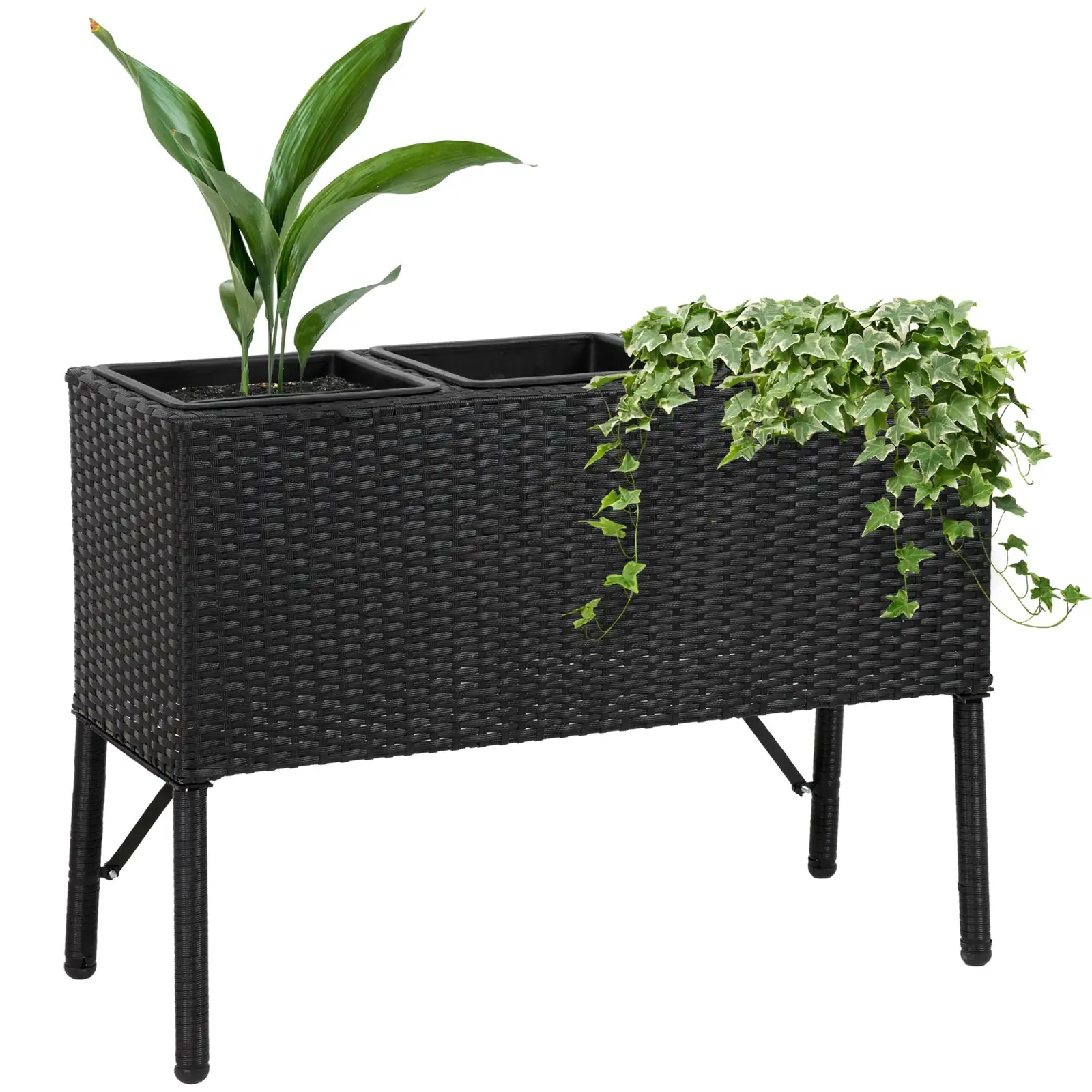
- Containers: Elevate on sturdy stands or balconies out of reach; keep at least an arm’s length back from railings.
- Indoors: Set about 1 m (3.3 ft) from bright windows for filtered light—and out of traffic zones where curious hands might explore.
- Outdoors
- Keep away from play areas, dog runs, sidewalks where passersby may pluck “berries,” and any place trimmings could blow into neighboring yards or livestock areas.
- Avoid slopes above paddocks or pet yards where fallen arils and needles could roll or wash downhill.
- If fruit drop worries you, ask your nursery about sourcing a male plant (males don’t produce arils/seeds). Verify identity when purchasing.
Pruning, cleanup, and disposal hygiene
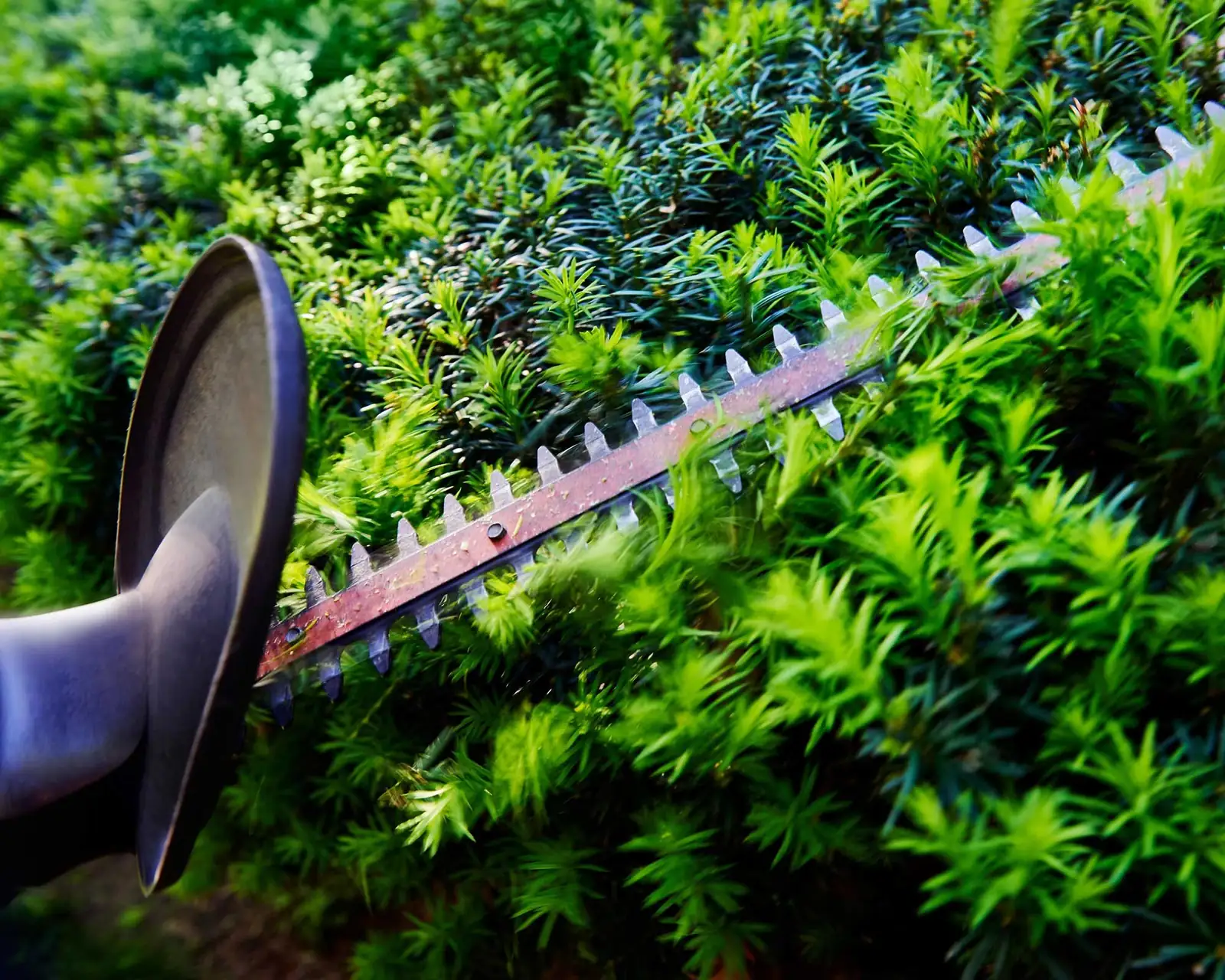
Chinese yew rarely needs heavy pruning; its natural form is handsome. If it gets too dense, thin lightly to improve airflow and maintain shape—then handle the cuttings like hazardous material.
- Before you cut
- Wear gloves, long sleeves, and eye protection.
- Keep children and pets indoors during the job.
- Lay a tarp to catch every clipping and aril.
- While pruning
- Make conservative cuts; avoid shredding branchlets.
- Never put trimmings in pockets, produce baskets, or areas used for food.
- After pruning
- Gather every fragment. Sweep patios and rakes paths; check under shrubs.
- Disposal:
- Double-bag all trimmings and label “Poisonous—Yew.”
- Do not home-compost; toxins can persist long enough to pose risks.
- Do not chip into mulch.
- Do not burn garden waste (smoke is irritating; embers may spread fragments).
- Use sealed trash or a municipal green-waste stream that accepts toxic trimmings—confirm locally.
- Tool care: Wash pruners and saws with soapy water, then dry. Wash gloves and clothing separately.
- Seasonal tidying
- In autumn/winter, promptly pick up fallen arils and needles—daily if children or pets are present.
Everyday handling rules
- Wash hands after any contact; don’t touch your face.
- Keep beverages, snacks, and pet bowls away from the plant and pruning zones.
- Teach a simple family rule: “Look, don’t touch—yew is poisonous.”
- Leash dogs near yews, and curb foraging or stick-chewing habits.
Clear, simple signage that actually works
Use friendly but firm signs anywhere visitors or neighbors might encounter the plant—especially where red arils are within reach.
- Short, effective wording:
- “Poisonous Plant—Do Not Touch or Eat Leaves/Berries.”
- “Chinese Yew: Toxic. Keep Children and Pets Away.”
- “Warning: Seeds inside red ‘berries’ are poisonous.”
- Make it visual:
- Add icons: red “no eating” symbol, child and pet silhouettes with a line through them, and a skull/heart icon for toxicity.
- Placement tips:
- At eye level near paths.
- On small stakes at the bed edge and at entry gates.
- In shared spaces, add a QR code linking to a safety page.
Emergency steps if ingestion is suspected
Act quickly. Do not wait for symptoms.
- People
- Spit out plant material; rinse mouth with water.
- Do not induce vomiting unless a professional tells you to.
- Call your local emergency number or Poison Control (US: 1-800-222-1222). Keep the plant name (Taxus chinensis) handy.
- Save a sample of the plant or a photo for identification.
- Pets
- Remove any plant material from the mouth; offer water to rinse.
- Call your veterinarian or an animal poison line immediately:
- Pet Poison Helpline (US): 855-764-7661
- ASPCA Animal Poison Control (US): 888-426-4435
- Note the time, part eaten (needle/aril/seed), estimated amount, and symptoms.
- What not to do
- Don’t use “home remedies,” milk, or activated charcoal unless instructed by a professional.
- Don’t delay—yew effects on the heart can escalate rapidly.
Common pitfalls to avoid
- Leaving trimmings on the ground “for later.” Animals find them—and yew remains toxic when dried.
- Using yew sprigs in wreaths, table arrangements, or holiday décor around kids and pets.
- Planting yew along school routes, near bus stops, or fencelines where the public can pick the red arils.
- Tossing yew waste into neighborly compost piles, livestock areas, or open trailers.
A safer plan if you still want a yew
- Choose placement with zero casual access (raised planters, behind low decorative fencing, or in a courtyard with controlled entry).
- Prefer a non-fruiting male plant when possible.
- Keep it healthy—cool conditions, filtered light, acidic, well-drained soil, evenly moist but never waterlogged. A vigorous plant drops fewer stressed needles.
- Prune lightly, clean meticulously, dispose securely, and keep signs posted year-round.
Symbolism, thoughtfully handled
Chinese yew is often linked to longevity, endurance, and resilience—evergreen through winter and famously long-lived. Those qualities resonate in landscapes and cultural history. Honor that legacy by coupling admiration with caution: it’s a plant to respect, label clearly, and manage with care.
Safety rules at a glance
- All parts are poisonous, especially the seeds. The red aril is not a snack—do not eat it.
- Keep away from children, pets, and livestock. Leash and supervise.
- Place out of reach; use signage and simple barriers where appropriate.
- Prune sparingly; wear protection; double-bag and label all waste; do not compost or chip.
- Clean tools and hands; keep food and pet bowls away.
- If ingestion is suspected, call for professional help immediately.
With clear rules and tidy habits, you can enjoy the Chinese yew’s quiet, evergreen dignity—safely.