

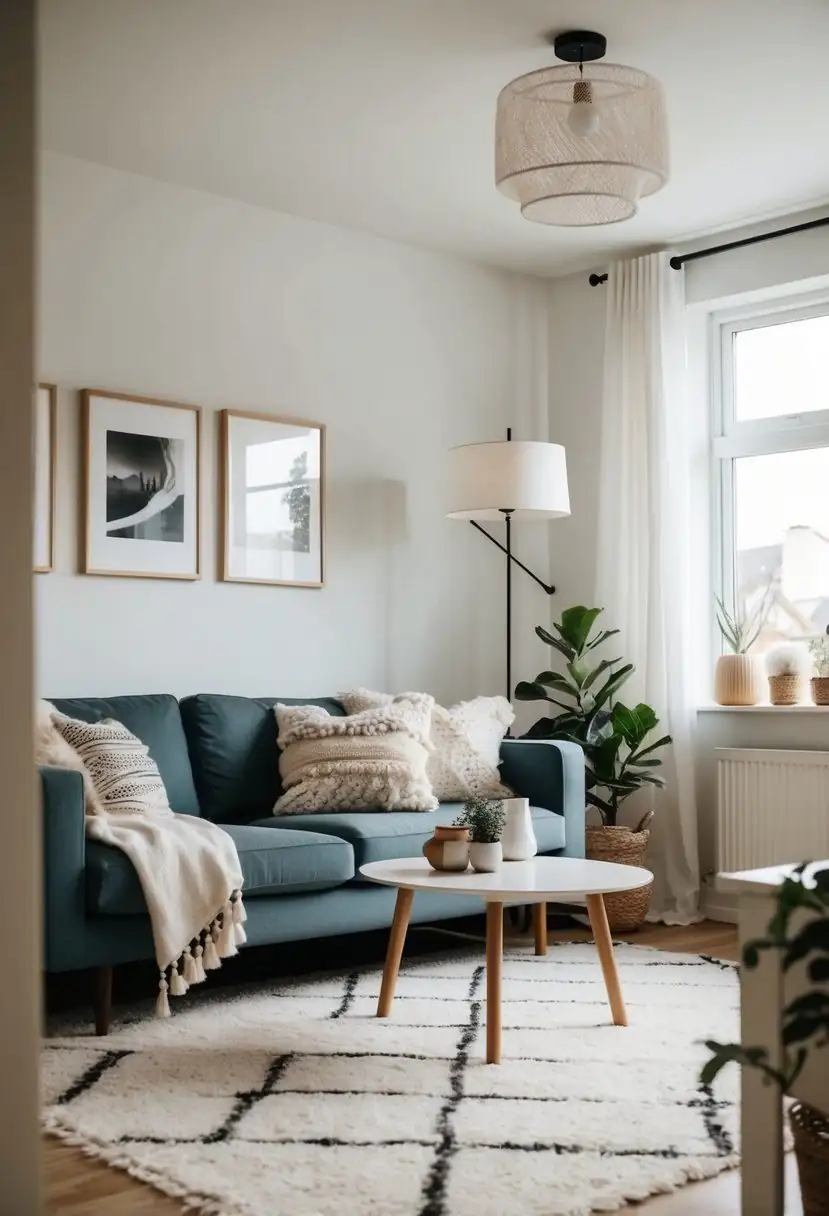
Late winter light loves a good glow-up. Enter Pericallis × hybrida—better known as florist’s cineraria—the compact, gift-ready mound that erupts into a perfect dome of daisy-like blooms just when your rooms are craving clarity and color. Think crisp blues, clear pinks, or vivid bicolors lifted by cool palettes, tactile pots, and bright-window vignettes. The styling sweet spot? Keep it bright and keep it cool so that neat, buttoned-up dome stays tight instead of stretching.
Meet the plant you’re styling
Florist’s cineraria is a short-lived, cool-season star bred from Canary Islands species. It naturally forms:
- A dense, rounded mound of soft green foliage
- A canopy of daisy-like flowers in punchy purples, pinks, blues, and bicolors (the true blues are rare and breathtaking indoors)
- A compact habit that stays tight in cool temperatures with very bright light
The secret sauce is environmental: cooler air and strong light keep the bloom dome compact and the colors saturated. Warm rooms and dim corners make it stretch and finish sooner.
Palette first: cool schemes that flatter the blooms
Use this plant like a living accent pillow—choose a palette that amplifies its clarity.
- Ice + Ink: Blue-flowered cineraria in blue-and-white chinoiserie or chalk-white porcelain, with pewter or brushed nickel accessories. Add frosted glass for that “just-breathed-on window” feel.
- Frost + Charcoal: Pink or magenta forms pop against matte charcoal stoneware, slate coasters, and crisp white linens.
- Mist + Moss: Violets and bicolors glow with sage textiles, gray-washed wood, and soft, foggy neutrals.
Touches of winter blue are especially chic right now—pair the plant with blue transferware or chinoiserie vessels to echo those sought-after blue blooms.
Pot textures and proportions (design that supports the plant)
Choose containers that complement both style and horticulture.
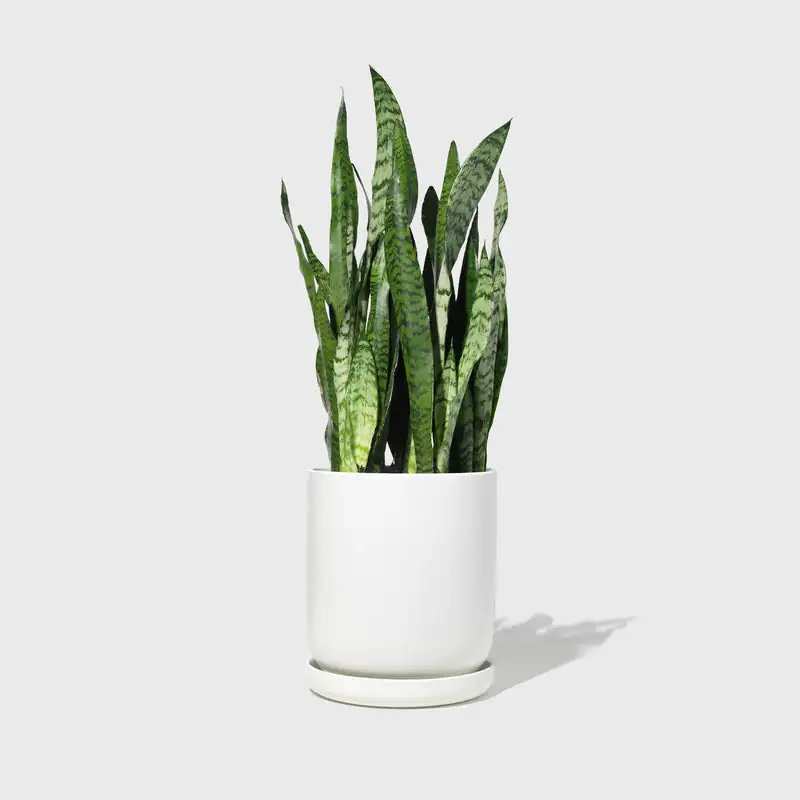
- Ideal size and shape
- Most plants are sold beautifully finished in 12–15 cm (4.7–5.9 in) pots; keep that proportion. Oversized pots stay wet and risk root rot.
- A slightly flared rim frames the bloom dome; footed vessels elevate airflow.
- Materials that work
- Matte stoneware or satin-glazed ceramic: stable moisture, tactile, and modern.
- Terra-cotta: lovely texture but wicks quickly—use as a cachepot with the nursery pot inside to keep moisture even.
- Zinc/galvanized sleeves: add cool industrial shimmer; always ensure drainage and remove standing water.
- Cachepot strategy
- Keep the plant in its drained nursery pot and drop it into a decorative outer pot. Water at the sink, then return it dry—no soggy saucers, no wet flowers.
Bright-window vignettes that keep plants compact
Think of the window as your lightbox. The goal is high brightness with cool air flow.
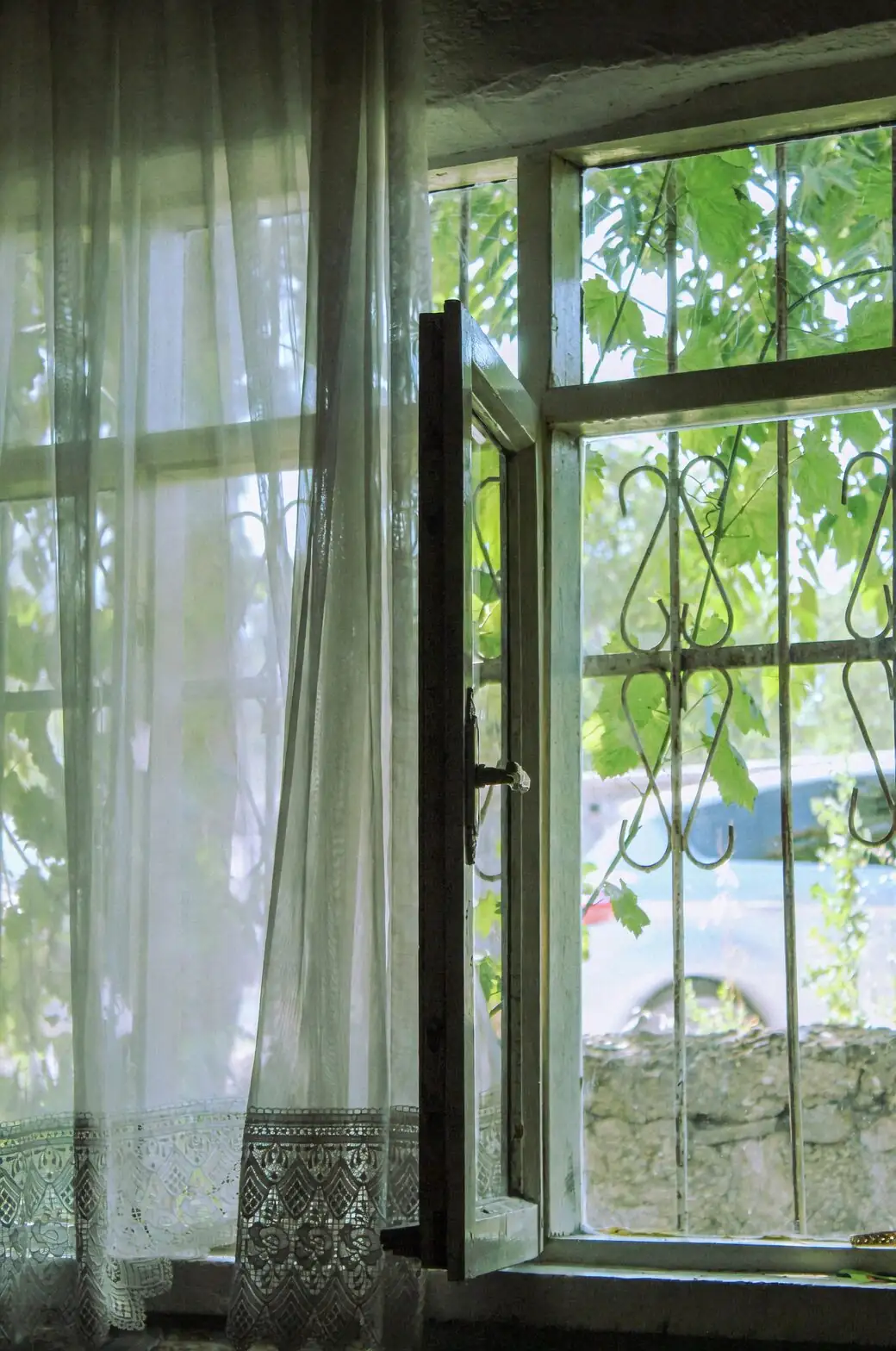
- Placement that flatters and protects
- Indoors: an east or bright south window is perfect. Use a sheer at midday if sun is harsh.
- Keep it away from radiators and heater vents. Sustained temps above 20°C (68°F) loosen stems.
- Cool nights of 10–15°C (50–59°F) help the plant hold its tight form; just shield from near-freezing drafts.
- Air and space
- Don’t crowd. Leave a finger’s width of air around the foliage canopy.
- Use slim risers or a low pedestal to let air sweep under the pot.
- The window-garden trick
- Add a simple shelf in the window to create tiers (a favorite for winter displays). Stagger heights so the bloom dome reads clearly from the room. Keep neighbors a few inches away for airflow.
Three styling recipes to steal
1) The Blue Ledge
- Blue-flowering Pericallis in a white chinoiserie cachepot
- Frosted glass votive, unlit by day for a cool glimmer
- A zinc tray lined with pebbles beneath (pot sits above the pebbles—no water touching the base)
- A single faux or clipped juniper sprig in a skinny vase for winter texture
2) Pink On Slate (east-facing console)
- Magenta or pink cineraria in matte charcoal stoneware
- Stacked slate coasters to echo the pot
- A folded white linen runner and a small mirror to catch winter light (style bonus, not a grow-light replacement)
- Keep the plant close enough to the window for brightness, then return it to the sill nightly for that cooling “reset”
3) Cool Morning Balcony (in frost-free spells)
- Move the plant outdoors for morning sun and bright shade after noon
- Partner with paperwhites in white bowls and a galvanized caddy
- Bring the cineraria back inside if temperatures near freezing are forecast

Care that preserves your styling (and the dome!)
- Light
- Very bright is non-negotiable. East or bright south exposure indoors; outdoors in cool weather, give morning sun and afternoon shade.
- Temperature
- Prefers 5–21°C (41–70°F), with a sweet spot at 10–15°C (50–59°F).
- Avoid warm rooms and all heat sources; heat = stretch.
- Watering
- Keep evenly moist but never soggy. Let the surface dry slightly between waterings.
- Bottom-water or water at the sink, then drain—keep petals dry to deter gray mold.
- Typical rhythm is about twice weekly during bloom, adjusted for your room’s light and temperature.
- Feeding
- Light, regular feeding during growth and bloom: every 2 weeks with a diluted balanced liquid fertilizer.
- When buds appear, 1–2 feeds with a bloom formula (e.g., 15-15-30) can support flowering. Avoid excess nitrogen.
- Grooming
- Deadhead to keep the canopy pristine.
- After the main flush, cut stems back to 10–15 cm (4–6 in). In a cool, bright spot, you may see a smaller second act.
- Humidity and airflow
- Moderate humidity is ideal; skip misting the blooms.
- Improve airflow and avoid stagnant corners to limit powdery mildew and Botrytis.
Buying well (so the vignette starts strong)
- Look for a naturally compact, even dome of foliage with thick, unblemished leaves.
- Choose a plant with about one-quarter to one-third of blooms open and loads of tight buds.
- Petals should be crisp, colors saturated, no powdery residue or gray fuzz.
- Lift the pot—skip waterlogged, heavy ones, and check undersides for aphids.
Troubleshooting the look
- Getting leggy with thinner leaves?
- It’s almost always heat plus not enough light. Move to your brightest window and keep temps near 10–15°C (50–59°F).
- Gray mold or powdery mildew?
- Remove affected parts promptly, water earlier in the day, increase airflow, and keep flowers dry.
- Aphids, whitefly, or mites?
- Treat early. Rinse foliage (avoid soaking the flowers), use yellow sticky cards for monitoring, and consider a gentle, labeled control if needed.
Safety and placement etiquette
Historically sold under “cineraria,” guidance on toxicity varies by reference. Best practice: avoid ingestion, keep away from pets and small children, and wash hands after handling. Place vignettes away from high-traffic edges to protect the delicate petals.
Flower language, history, and a quick name change
As a late-winter luminary, florist’s cineraria is often linked with lasting joy and bright, enduring cheer—fitting for a plant that carries you from winter into spring. Flower-language traditions are cultural and symbolic rather than botanical, so meanings can shift by era and region; today, its reputation as a hopeful, long-lasting pop of color during the bleak months is what most people respond to.
Botanically, many plants once traded as “cineraria” are now recognized as Pericallis × hybrida. That name shift reflects modern taxonomy rather than a change in personality—your plant is the same cool-season showstopper it’s always been.
The quick-style checklist
- Very bright window, cool air, no heaters
- Matte or satin-glazed cachepot with drainage; no soggy saucers
- Cool palette accents (blue-and-white, charcoal, zinc, frosted glass)
- Air space around the mound; petals kept dry
- Rotate for symmetry; return to the window if displayed deeper in the room
Keep it crisp, cool, and bright, and Pericallis × hybrida will reward you with a dome of daisies that looks tailored, not tired—like winter light, made visible.