If you’ve ever strolled through your garden only to find your prized plants dusted with white or gray powder, you’ve likely encountered powdery mildew. And if leaves appear yellowing or curling, you might be dealing with leaf mold. These common fungal problems can make any gardener sigh with frustration. But don’t worry! Understanding what causes these issues and how to tackle them can bring your garden back to its vibrant self. Let’s dive into practical tips and solutions to keep these pesky problems at bay.
Understanding Powdery Mildew
What is Powdery Mildew?
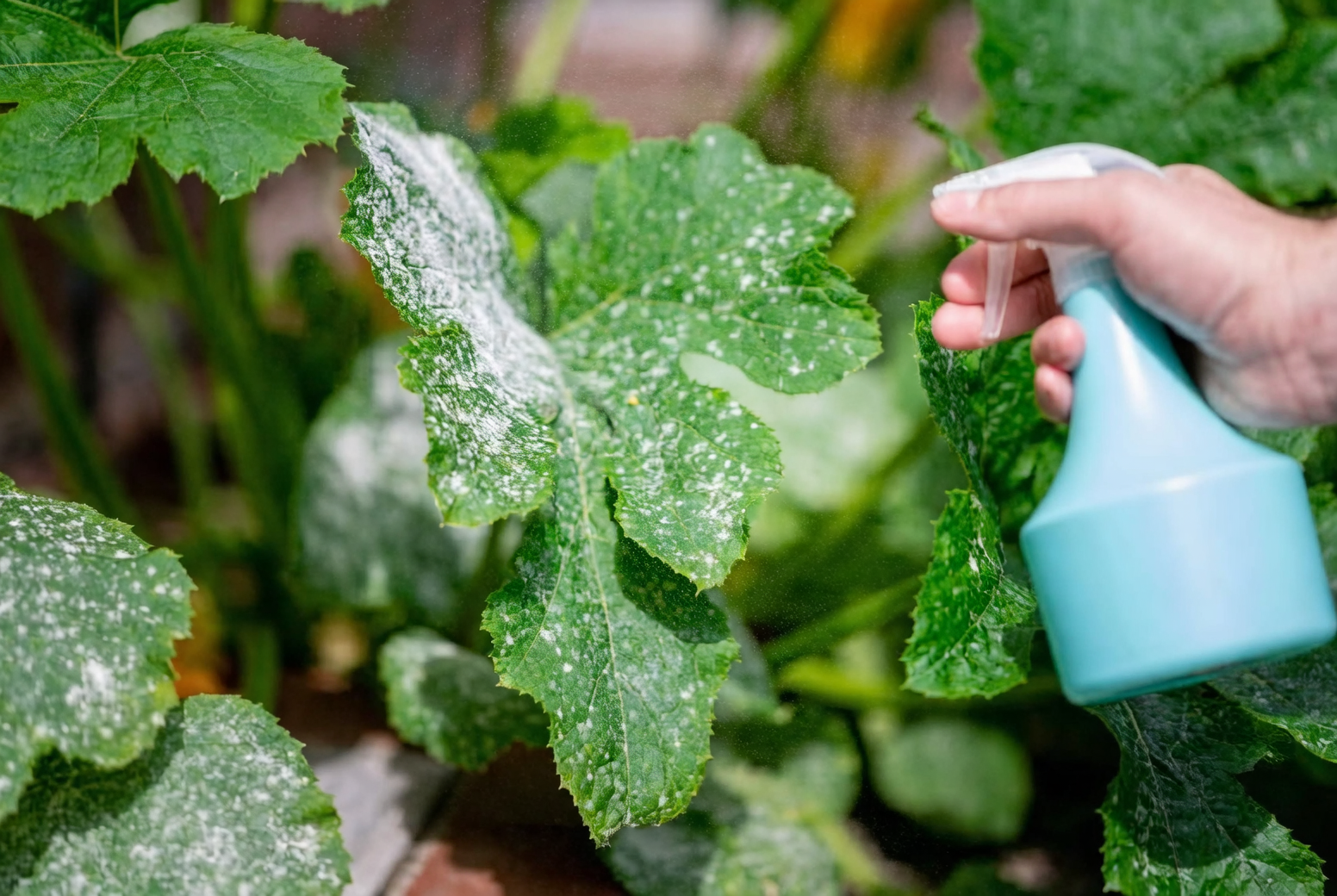
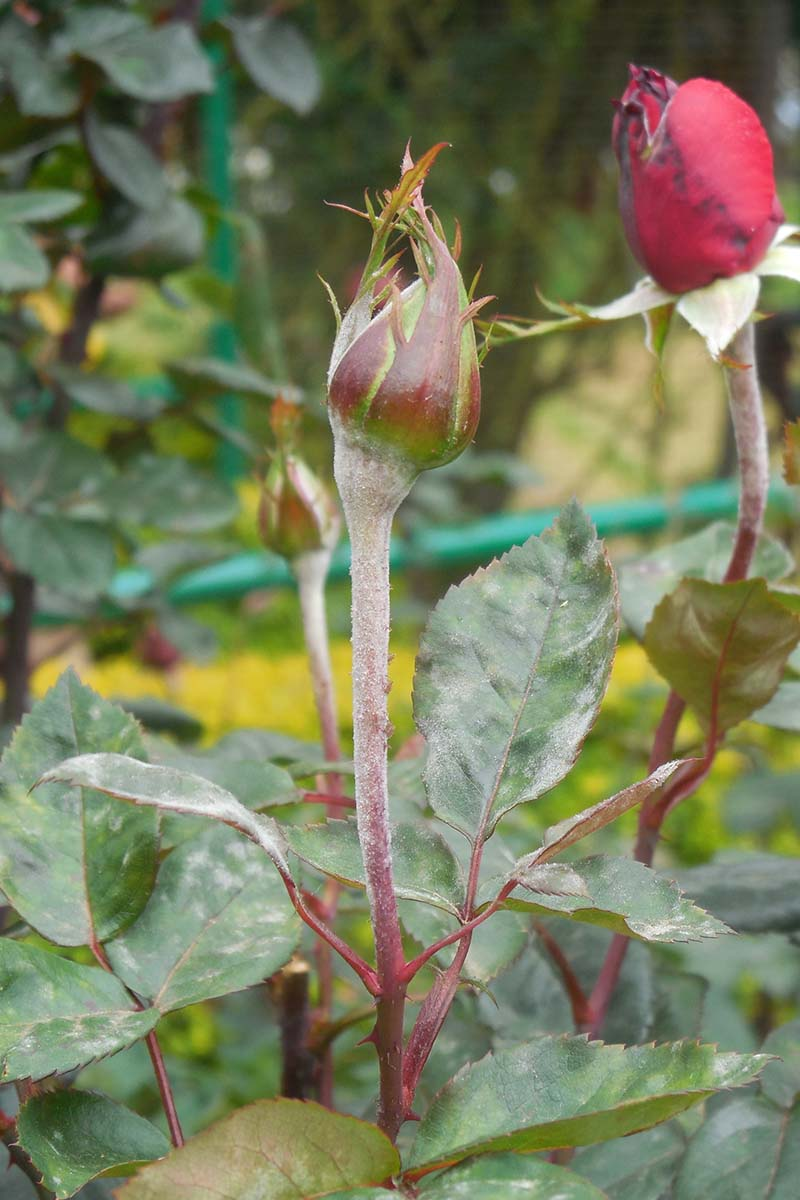
Powdery mildew is a widespread fungal disease that affects a wide array of plants, from roses to vegetables like squash and tomatoes. It appears as white or gray powdery spots, often looking like flour dusted over leaves, stems, and sometimes even fruit.
Why Does It Happen?
Powdery mildew thrives in warm, dry conditions but needs high humidity to spread. It typically emerges in late spring to early summer when nights are cool and humid, and days are warm. Poor air circulation and shady spots also create a perfect environment for this fungus.
How to Prevent It
- Choose Resistant Varieties: When planning your garden, opt for plant varieties known to resist powdery mildew. Your local nursery or extension service can guide you in selecting the best options.
- Improve Air Flow: Space plants properly and avoid crowding to enhance air circulation. This helps reduce humidity around the foliage where mildew tends to thrive.
- Sunlight is Key: Ensure your plants are getting enough sunlight. Trim back overhanging branches or relocate plants to sunnier spots if necessary.
- Avoid Over-Fertilizing: Excessive fertilization can lead to lush, new growth that is more susceptible to infection. Use a slow-release fertilizer to promote balanced growth.
Treating Powdery Mildew
If you notice powdery mildew early, prompt action can prevent its spread:
- Spray with Fungicides: Use organic fungicides containing sulfur or potassium bicarbonate. These can help manage existing infections. Apply thoroughly to affected areas, ensuring you cover both tops and undersides of leaves.
- Home Remedies: A simple mix of baking soda and water can be sprayed on affected plants. Reapply weekly for best results.
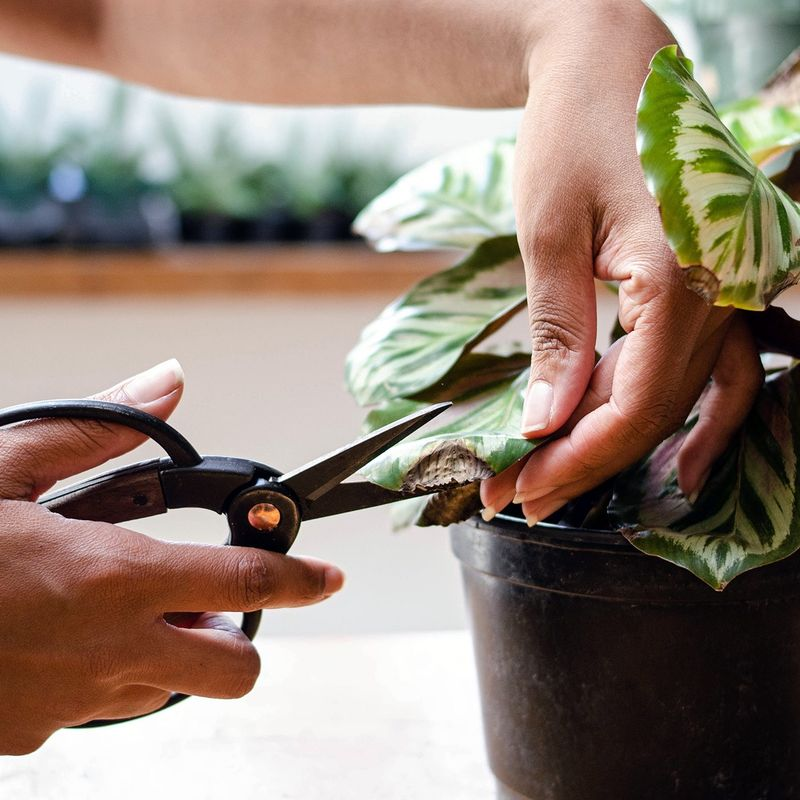
- Prune and Discard: Remove and dispose of heavily infected leaves or stems to prevent the spread of spores. Remember to disinfect your pruning tools afterward.
Tackling Leaf Mold
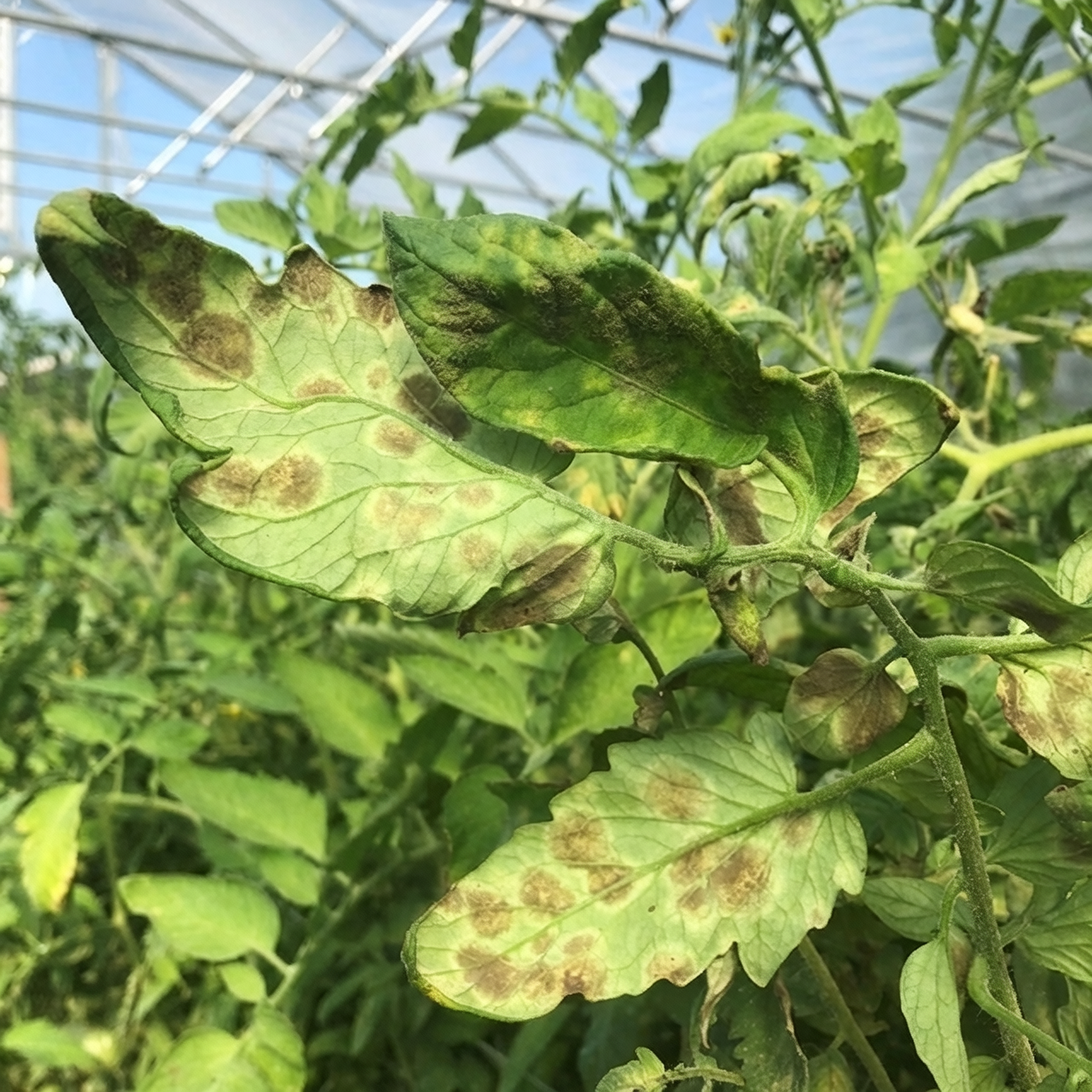
Leaf mold, while less discussed than powdery mildew, can still pose a problem. It often appears as yellowing or curling leaves and thrives in damp, humid conditions.
Prevention and Treatment
- Maintain Proper Watering: Avoid watering plants from above. Instead, water at the base to keep leaves dry and discourage mold growth.
- Enhance Drainage: Ensure your soil is well-draining to prevent waterlogging, which can exacerbate mold issues.
- Regular Monitoring: Inspect plants frequently, especially during periods of high humidity, to catch any issues early.
- Promote Ventilation: Just like with powdery mildew, good air circulation is crucial. Prune dense foliage to allow for better airflow.
By keeping these tips in mind, you can enjoy a healthy, thriving garden free from the hassles of powdery mildew and leaf mold. Remember, early detection and consistent care are your best allies in maintaining plant health. Happy gardening!