
Brush past the salty breeze along a coastal hedge and you’ll smell it: that bright, almost citrusy perfume of wild rose. On Rosa rugosa—the beach rose, Japanese rose, the tough, wrinkled‑leaf darling of dunes and wind—the flowers are just the beginning. When the petals fade, plump hips swell like tiny tomatoes and glow red-orange against glossy green. These hips are tart-sweet, richly aromatic, and famously high in vitamin C. With a little know‑how and a lot of care (those prickles and those hairs!), you can turn them into teas, syrups, jams, and gentle skincare that carry summer into winter.
Below is your sensory, safety‑minded field guide.
Meet Rosa rugosa (and why foragers love it)
- Look and feel: Rugosa leaves are thick and deeply wrinkled (hence “rugosa”), with 5–9 serrated leaflets. Stems bristle with sharp prickles—gloves are your friend.
- Flowers: Strongly fragrant, usually pink to white, single and simple—often repeat-blooming from late spring through the growing season.
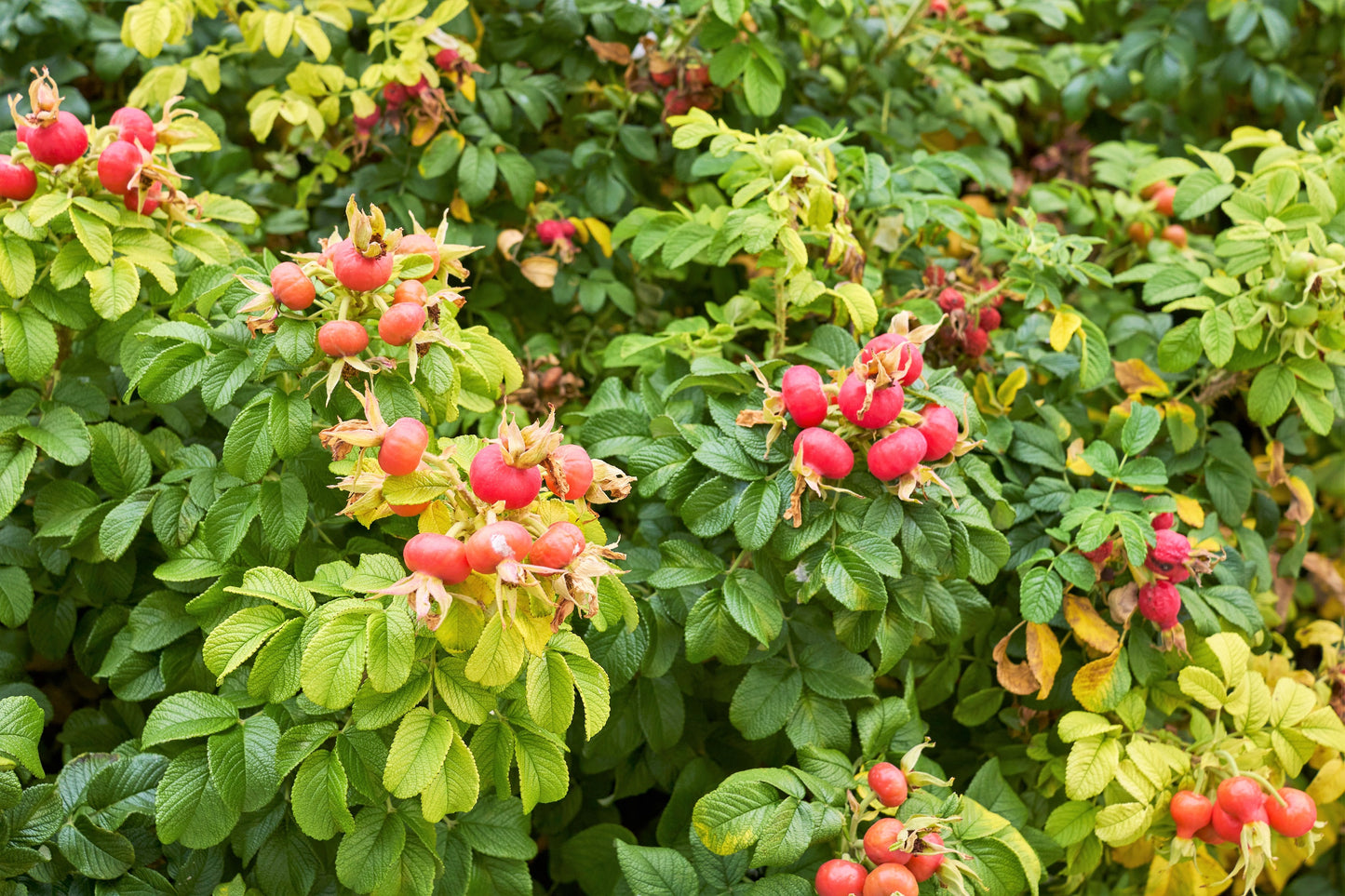
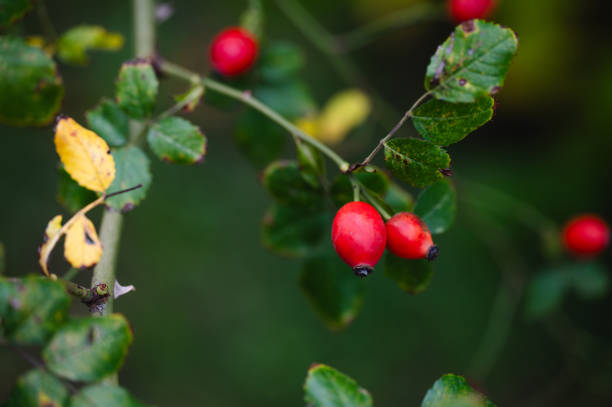
- Hips: Large, round to slightly flattened, tomato-red when ripe, with persistent papery sepals at the top. The flesh tastes like a tart apple crossed with cranberry and rose.
- Habitat: Sunny hedges, borders, coastal dunes, and naturalized thickets across temperate regions of the Northern Hemisphere.
Good news for the kitchen: rose petals and hips are edible when harvested from unsprayed plants. The primary hazards are physical—prickles and those infamous internal hairs that can irritate skin and digestive tracts if not removed or properly strained.
Safety first: smart, sustainable foraging
- Positively ID the plant: Rugosa’s wrinkled leaves and large hips are your clues. If in doubt, skip it.
- Choose clean locations: Avoid roadsides, industrial sites, and areas treated with herbicides or pesticides not labeled for edibles. When in parks or preserves, check local rules.
- Mind the thorns: Wear sturdy gloves, long sleeves, and eye protection if you’re reaching into dense hedges.
- Share with wildlife: Take modestly from a thicket; leave some hips for birds and winter interest.
- The itchy truth: Inside every hip are seeds surrounded by fine, urticating hairs (the stuff of old‑school itching powder). Always remove them—or thoroughly strain any preparations.
When to harvest: sweetness vs. vitamin C
- For peak vitamin C: Pick when hips are fully colored and firm, before hard frosts. Vitamin C is heat-, time-, and frost‑sensitive.
- For sweeter flavor: A light frost can mellow tartness and boost perceived sweetness, though it may slightly lower vitamin C.
- How to pick: Choose smooth, unblemished hips. Snip or gently twist free with sepals still attached. Avoid hips that are shriveled or mushy.
Tip: Process soon after harvest to preserve brightness and nutrients.
How to de‑seed and de‑hair (without losing your mind)
Set up a comfortable station—it’s simple, rhythmic work.
1) Rinse and trim
- Rinse hips. Trim the stem and blossom ends.
2) Halve and scoop
- With a paring knife, score around the equator and split open.
- Use a small spoon, melon baller, or the tip of a butter/clam knife to scoop out seeds and hairs. Discard seeds/hairs.
3) Rinse again
- Rinse the hollow “shells” (the tasty flesh) in a colander, swishing to remove any stray hairs. Pat dry.
Shortcut for jam/jelly/syrup makers
- Simmer whole hips in water until soft, then pass through a food mill or fine mesh jelly bag. The pulp/juice passes; seeds and hairs stay behind.
Maximize vitamin C at every step
- Work fast and cool: Refrigerate or process the same day. For holding, spread cleaned hips in a single layer and chill.
- Minimize oxygen and light: Store dried or frozen hips in airtight, opaque containers.
- Gentle heat: For tea and syrups, steep below a full boil (ideally 80–90°C / 175–195°F). For drying, keep temps low (≤50°C / 120°F).
- Add acidity: A splash of lemon juice helps stabilize color and vitamin C in syrups and jams.
- Choose the right tools: Avoid prolonged contact with reactive metals (iron, copper) that may catalyze oxidation; use stainless steel or glass.
Dry or freeze? Choose your preservation path
Drying hips (best for tea and long storage)
- Method:
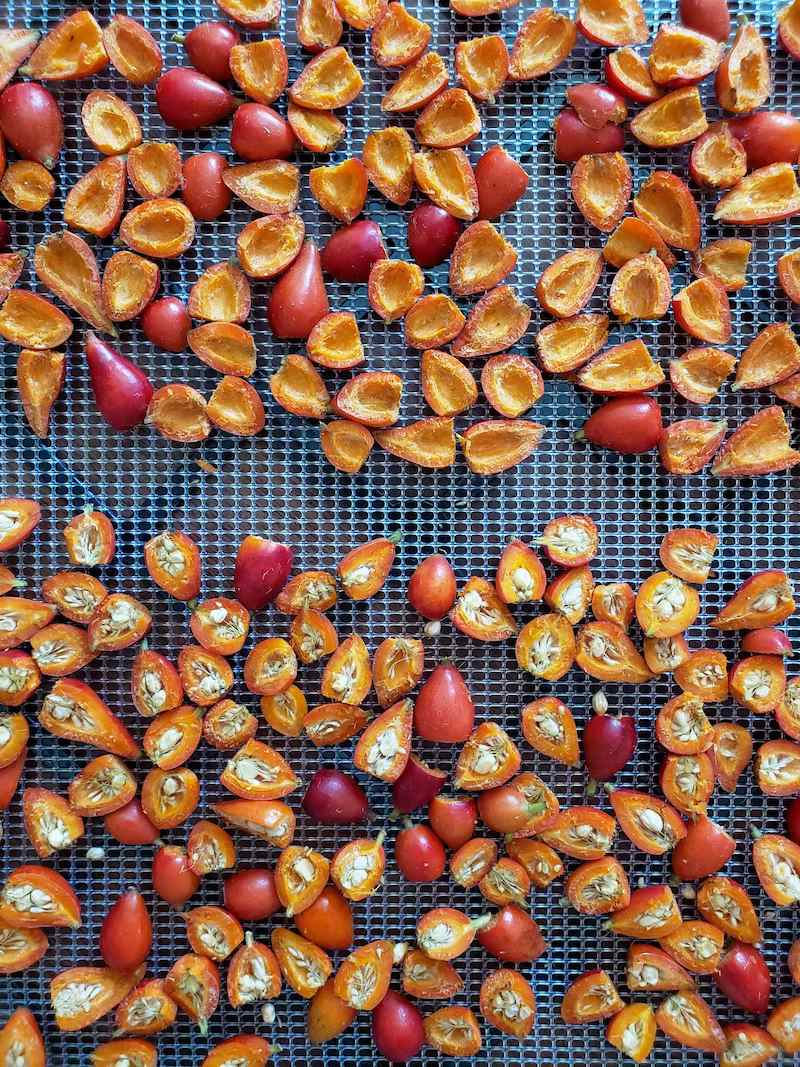
- De‑seeded shells dry evenly. Slice large hips into quarters.
- Dehydrator: 35–50°C (95–120°F) for 6–12 hours until fully brittle-leathery.
- Oven: Lowest setting, door cracked, on parchment; check often.
- Air-dry: In a warm, airy, dust‑free room; turn daily.
- Storage: Keep in airtight, lightproof containers up to 1 year. Add a desiccant packet if you live in humid climates.
Freezing hips (best for later cooking)
- Method:
- Option 1: Freeze whole, uncut hips for maximum vitamin C retention; de‑seed after thawing if you’ll mill/strain later.
- Option 2: Freeze de‑seeded shells for quick tea making and small-batch syrups.
- Spread on a tray to freeze individually, then bag. Label with date. Use within 8–12 months.
Delicious, practical recipes
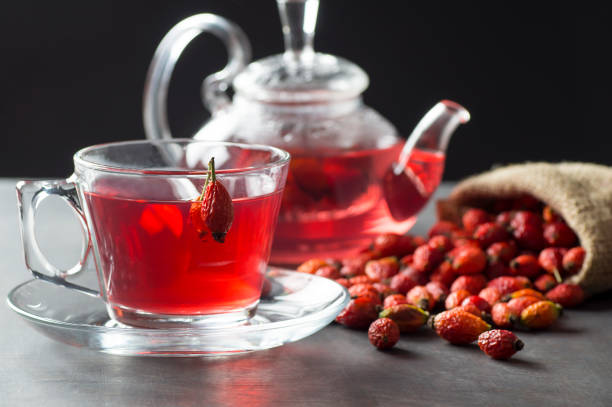
Rose hip tea (bright and restorative)
- Ingredients:
- 2 tablespoons dried, de‑seeded rose hip shells (or 1/3 cup fresh)
- 1.5 cups hot water (80–90°C / 175–195°F)
- Optional: a strip of orange peel, or a pinch of hibiscus for color
- Steps:
1) Steep 10–15 minutes, covered.
2) Strain well through a fine sieve to catch any hairs.
3) Sweeten to taste with honey.
- Tip: Keep temperatures below a full boil to better preserve vitamin C.
Rose hip syrup (for pancakes, seltzer, or winter tonics)
- Ingredients:
- 4 cups fresh hips (or 2 cups dried), cleaned
- 4 cups water
- 1.5–2 cups sugar or honey
- 2–3 tablespoons lemon juice
- Steps:
1) Simmer hips and water 20 minutes; do not hard‑boil.
2) Mash gently; steep off‑heat 20 more minutes.
3) Strain through a jelly bag or multiple layers of cheesecloth; press lightly.
4) Return clear liquid to the pot; add sugar/honey and lemon. Warm just to dissolve.
5) Bottle while hot in sterile bottles. Refrigerate up to 4 weeks, or water‑bath can following standard safe‑canning guidelines for syrups with adequate acidity.
- Use: Drizzle on yogurt, whisk into vinaigrettes, add to sparkling water, or stir into hot tea.
Low‑heat honey version (max vitamin C)
- Make a strong infusion (steps 1–3), then cool to lukewarm before stirring in raw honey to taste. Keep refrigerated and use within 2–3 weeks. Not suitable for canning.
Rose hip jam (silky, sunset‑orange, gently tart)
- Ingredients:
- 1 kg (about 2.2 lb) fresh hips, cleaned
- Water to just cover
- 400–600 g (2–3 cups) sugar, to taste
- 2–3 tablespoons lemon juice
- Steps:
1) Cover hips with water; simmer until very soft (20–30 minutes).
2) Pass through a food mill or press through a fine sieve to remove seeds/hairs; measure the purée.
3) For each 2 cups purée, add 1 to 1.5 cups sugar and 1 tablespoon lemon juice.
4) Return to a gentle simmer; cook, stirring often, until it mounds on a cold spoon or reaches 104°C/220°F.
5) Jar hot. Refrigerate up to 1 month or process in a boiling‑water bath per safe jam‑canning guidelines.
- Flavor pairings: Apple (adds natural pectin), vanilla, cardamom, ginger, or a hint of rose water.
Gentle DIY skincare with rose hips
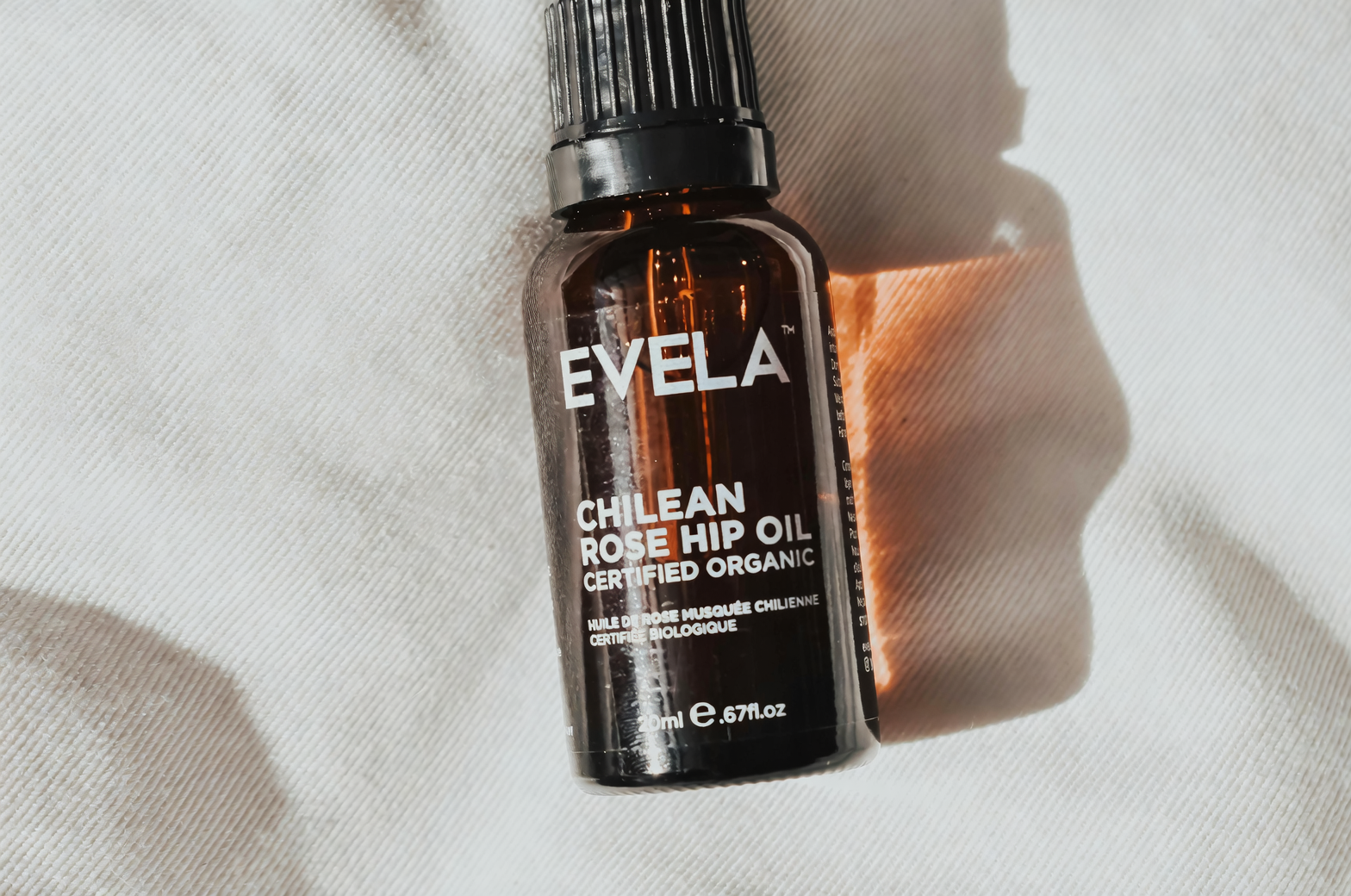
A quick note: “rosehip oil” sold commercially is cold‑pressed from the seeds. At home, you can make a lovely, gentle macerated oil using the dried fruit flesh. It won’t be identical to seed oil, but it will carry color and antioxidants from the hips and feel gorgeous on skin.
Rose hip–infused facial oil (soft glow, minimal fuss)
- What you need:
- Thoroughly dried, de‑seeded rose hip shells
- Lightweight carrier oil (e.g., jojoba, sunflower, sweet almond)
- Clean, dry glass jar; coffee filter or fine cloth; vitamin E (optional, as an antioxidant)
- Steps:
1) Loosely fill a jar halfway with chopped, bone‑dry hip shells. Any moisture risks spoilage.
2) Cover fully with oil; stir to release air bubbles; cap.
3) Infuse 2–4 weeks in a dark, warm spot, shaking every day or two.
4) Strain through a coffee filter or fine cloth; bottle in amber glass. Add a few drops of vitamin E if you like.
- Use: 1–3 drops on damp skin as a final step at night. Also lovely as a cuticle oil or mixed into a simple balm (2 parts oil to 1 part beeswax by weight).
Safety notes for skincare
- Patch test first. Discontinue if irritation occurs.
- Keep water out of your oil to avoid microbial growth.
- Avoid using any fragments of seeds or hairs—they can irritate skin.
Troubleshooting and pro tips
- Bitter or flat flavor? Hips may have been overripe, frost‑damaged, or overcooked. Next time, harvest firm, richly colored hips and use gentler heat.
- Cloudy syrup or tea? Strain again through a coffee filter to catch fine hairs.
- Short shelf life? Dry more thoroughly, use cleaner jars, and store away from heat and light. Label and date everything.
- Are all rose hips edible? Yes—on unsprayed roses. Rugosa hips are among the tastiest and most abundant.
A brief detour into “flower language”
Roses have carried centuries of meaning—love, beauty, devotion. Color symbolism (red for passion, pink for grace, white for reverence, yellow for friendship and joy, orange for enthusiasm, purple for enchantment) became codified in floriography’s heyday, especially in the Victorian era. But the story deepens with hips: the fruit that lingers after bloom suggests devotion that endures beyond the first flush, nourishment after romance’s showiest moment. In other words, the rose’s language isn’t just a bouquet at the beginning—it’s also the bright, sustaining ember you sip in tea on a cold day.
Quick gear checklist
- Garden gloves and clippers
- Bowl or basket
- Small knife and spoon/melon baller
- Dehydrator or low oven (optional)
- Fine mesh sieve, jelly bag, or food mill
- Airtight jars and labels
Parting whiff of rose and sea
Foraging Rosa rugosa hips is a lesson in contrasts: wind-thrashed shrubs sheltering fruit with a tender, sunset glow; tough prickles guarding delicate vitamin riches. Move slowly, work safely, and keep your heat gentle. In return, you’ll get a pantry of teas, syrups, and jams—and a small bottle of golden oil—that smell like summer and taste like resilience.