

Nestled among the quintessential blooms of cottage gardens, Delphinium, or larkspur, stands tall and proud, flaunting its enchanting spires of true blue flowers. Yet, much like a prima donna of the floral world, it requires a discerning gardener’s touch to maintain its splendor. Beyond its exquisite appearance, Delphinium is susceptible to a host of pests and diseases that can turn this floral showstopper into a garden eyesore. Let’s explore the common adversaries of Delphinium and how to keep this garden diva thriving.
Common Pests Targeting Delphiniums
Aphids
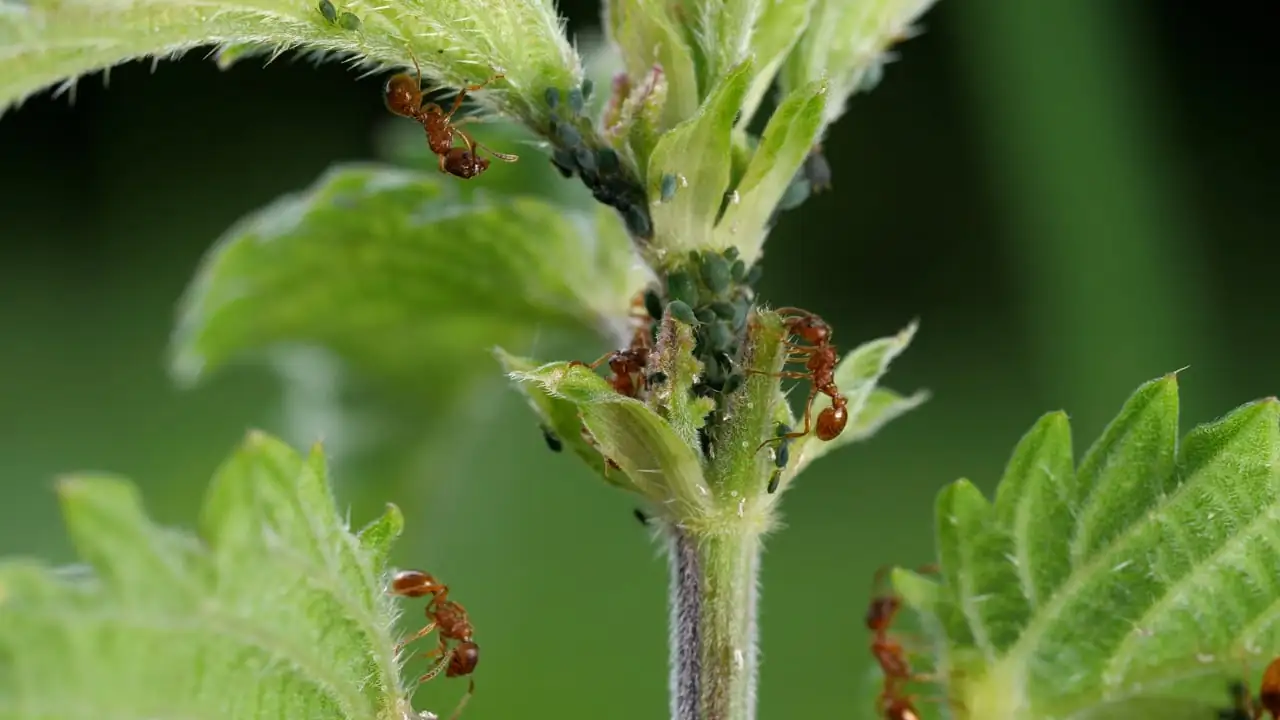
These tiny, sap-sucking insects are the bane of many a gardener’s existence. Aphids can cause leaves to curl, yellow, or become distorted, and their honeydew secretions often lead to sooty mold — a grim black coating that sullies the plant’s beauty. Combat them with insecticidal soaps or neem oil, or better yet, introduce natural predators like ladybugs and lacewings to your garden.
Cyclamen Mites
Though minuscule, cyclamen mites pack a punch, resulting in stunted growth and distorted buds. Thriving in the humidity around dense foliage, these pests require a finely misted chemical spray for effective eradication.
Slugs and Snails
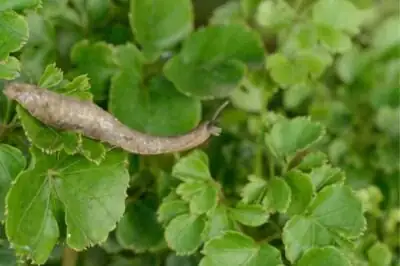
These nocturnal nuisances can cause significant damage by munching on the lush foliage. To deter them, remove sheltering debris like rocks or logs, set beer traps, or create barriers around plants. Handpicking them off after dusk is also an option for the vigilant gardener.
Diseases That Threaten Delphinium’s Majesty
Powdery Mildew
A common fungal foe, powdery mildew manifests as a white, powdery coating on leaves. It thrives in humid conditions, even without free water. To prevent it, ensure good air circulation and apply fungicides like potassium bicarbonate or sulfur as soon as symptoms appear.
Botrytis Blight
Known for attacking flowers with a gray mold, botrytis blight can be a recurring nightmare. It’s crucial to maintain dry foliage and apply appropriate fungicides early to mitigate its spread.
Crown Rot
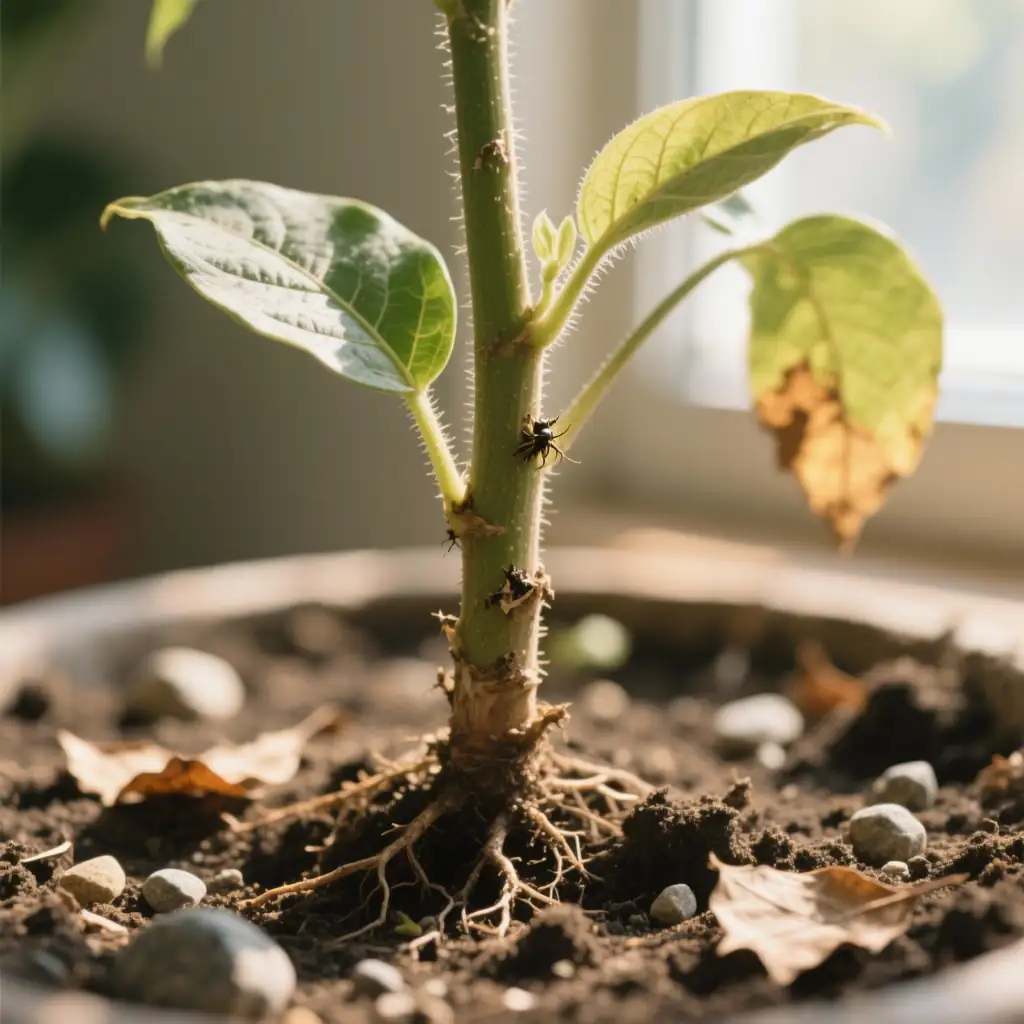
Crown rot, caused by fungi such as Sclerotium delphinii, results in yellowing leaves and eventual plant death, often accompanied by a telltale white cottony mass at the plant base. Unfortunately, the best remedy is removing infected plant parts and replacing contaminated soil.
Bacterial Leaf Spot
This disease, characterized by black spots on leaves, thrives in wet conditions. To prevent it, water the soil directly, keeping foliage dry, and ensure ample spacing for air circulation. Removal of affected leaves is essential, though chemical controls are generally unreliable.
Tips for Prevention and Care
- Water Wisely: Always water at the base of the plant to keep foliage dry and reduce fungal issues.
- Ensure Good Airflow: Space plants appropriately to enhance air circulation and minimize the risks of mildew and blights.
- Staking and Support: Protect tall delphiniums from wind damage by staking them early in the growing season.
- Cleanliness is Key: Regularly remove debris and dead plant material to reduce pest habitats and disease spread.
- Fertilization: Use balanced fertilizers to avoid promoting weak, overly lush growth that invites pests.
The Deeper Meaning of Delphinium
Beyond its physical allure, the delphinium carries a rich symbolism. Often associated with clarity, justice, and beauty, its colors also convey specific meanings: blue speaks of melancholy, purple of affection, and white of elegance. The shape of its flowers, resembling dolphins, echoes the Greek origin of its name, adding a layer of mythological charm to its presence in the garden.
In conclusion, while Delphinium demands attention and care, the rewards of its towering, vibrant blooms are well worth the effort. With vigilant pest management and disease prevention, you can ensure that your delphiniums remain the crowning glory of your garden, captivating all who behold them. So, roll up your sleeves, and let your garden whisper tales of beauty and resilience, with Delphinium at its heart.


