
Navigating the Pests and Perils of Phalaenopsis Orchids
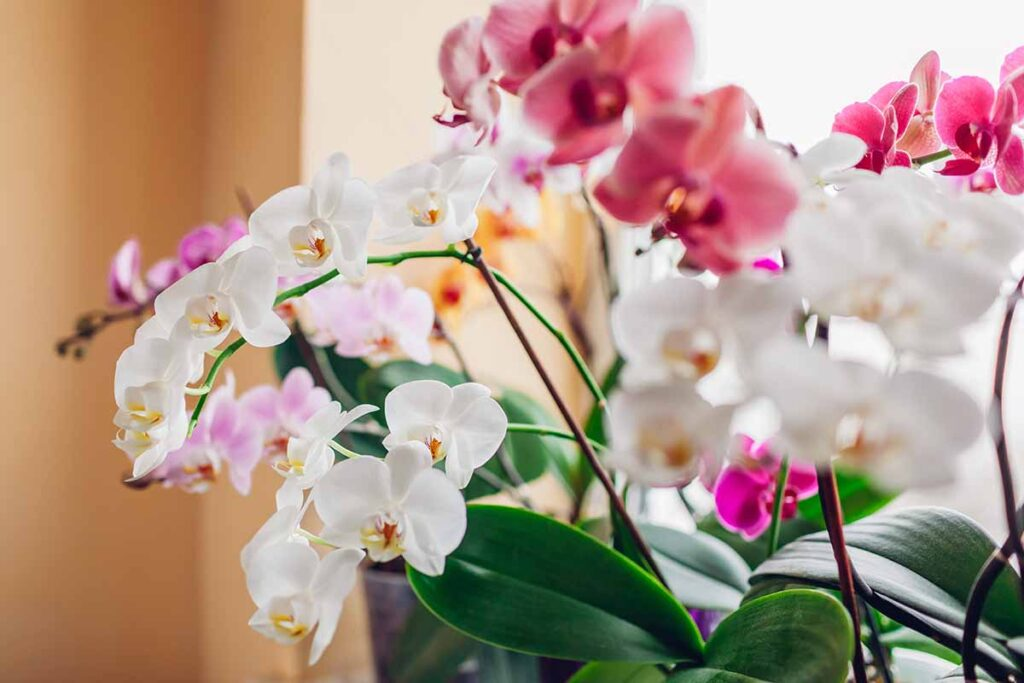
Ah, the Phalaenopsis orchid, also known as the moth orchid—a name as charming as the plant itself. With blooms that seem to defy time, these orchids have taken the floral world by storm, adorning windowsills and becoming the go-to gift for those who appreciate elegance and endurance. But owning a Phalaenopsis is not all sunshine and rainbows. These beauties can face their share of woes, often courtesy of some unwelcome pests and diseases. So, how do you keep your moth orchid thriving like a star? Let’s dive into the world of pest control and disease management for these stunning plants.
The Usual Suspects: Common Pests
Mealybugs and Scale Insects
Imagine tiny cotton balls or sticky brown bumps clinging to your orchid’s leaves and stems. These are not fashion accessories but mealybugs and scale insects. They sap away at your plant’s vitality, leaving wilted blooms and sad foliage in their wake.
Control Tips: Arm yourself with a cotton swab dipped in alcohol to dab these intruders away. Follow up with a gentle application of horticultural soap or oil. Remember, persistence is key—reapply weekly until you’ve won the battle.
Spider Mites and Whiteflies
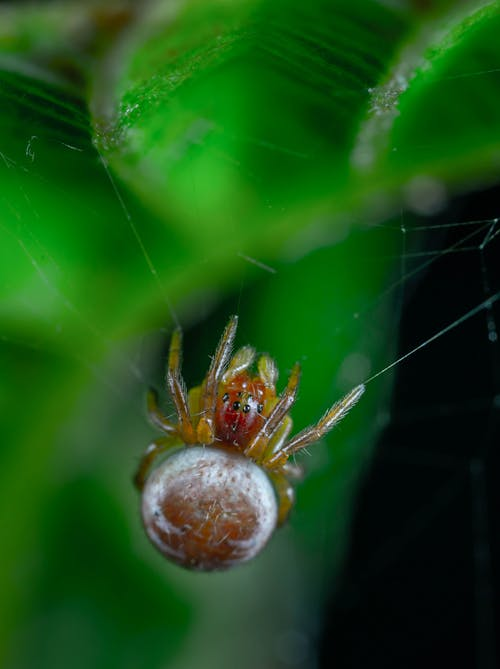
If you notice fine webbing or a small cloud of tiny white insects taking flight as you approach, your orchid might be under siege by spider mites or whiteflies.
Control Tips: Increase humidity with a gentle mist (but avoid wetting the leaves late in the day) and introduce a breeze with a fan—these pests dislike airflow. For serious infestations, horticultural soap comes to the rescue once again.
Disease Drama: Spotting and Stopping Orchid Ailments
Root and Crown Rot
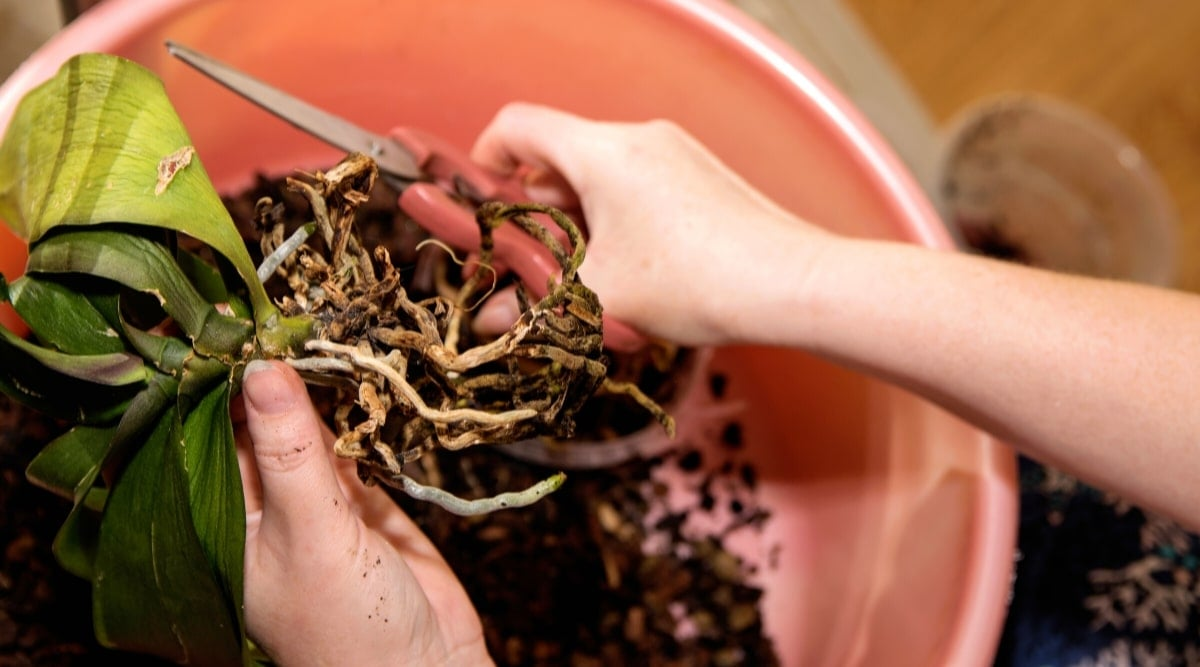
Overwatering is the nemesis of the Phalaenopsis orchid, often leading to root or crown rot. If your orchid’s roots look brown and mushy or if the crown appears soggy, it might be time for a rescue mission.
Prevention and Treatment: Water your orchid thoroughly but let it dry out between waterings. Ensure your plant is in a well-draining orchid mix—chunky bark, not regular potting soil. If rot sets in, trim away the diseased parts with sterilized tools, and replant in fresh, airy medium.
Leaf Spots and Blights
Fungal and bacterial blights manifest as unsightly spots or streaks on leaves. They thrive in damp, poorly ventilated environments.
Prevention and Treatment: Keep the air moving and avoid getting water on the leaves. If infection strikes, prune affected areas and consider a fungicide for severe cases. Remember, isolation is your friend to prevent the spread to other plants.
The Secret to Success: Preventive Care
- Airflow is Essential: Orchids love a gentle breeze. It keeps their foliage dry and discourages many pests and diseases.
- Sunlight Savvy: Bright, indirect light is your orchid’s best friend. Direct sunlight can scorch the leaves, while too little light can hinder blooming.
- Healthy Habits: Conduct regular health checks. Inspect under leaves and around the crown. Early detection means easier treatment.
- The Right Mix: Use a well-aerated orchid potting mix. Clear pots help you keep an eye on those crucial roots—plump and green is the goal!
- Isolation Protocol: New or sick plants should be isolated. This quarantine helps prevent any potential spread of pests or diseases.
Flower Language and Symbolism
Phalaenopsis orchids carry a message of refined beauty and lasting love. Their long-lasting blooms symbolize enduring admiration, making them a perfect gift for romantic occasions or to express deep appreciation. This symbolism might trace back to ancient beliefs where flowers were seen as messengers of emotions, a tradition that continues to thrive today.
Fun Facts to Impress Your Friends
- Monopodial Growth: Phalaenopsis orchids grow from a single main stem, unlike many other orchids with pseudobulbs.
- Photosynthesizing Roots: Those thick, aerial roots turn green when wet because they can photosynthesize, helping the plant thrive.
- Philippines Connection: The Philippines is a biodiversity hotspot for Phalaenopsis species, contributing to the genetic diversity in breeding programs.
Embrace the quirks of caring for a Phalaenopsis orchid, and soon enough, you’ll be rewarded with an indoor spectacle of color and grace. Keep these tips in your gardening toolkit, and your moth orchid will not only survive but thrive, turning heads and winning hearts one bloom at a time.