

Plant diseases can be the sneaky enemies of your garden, slowly creeping in and undoing all your hard work. But fear not! Understanding the difference between chemical and physical controls can help you keep your green companions healthy and thriving. So let’s dig into the practical ways you can prevent plant disease recurrence and decide which method suits your garden best.
Start with a Healthy Foundation
The best defense against plant diseases is a good offense. Before even planting, consider the following:
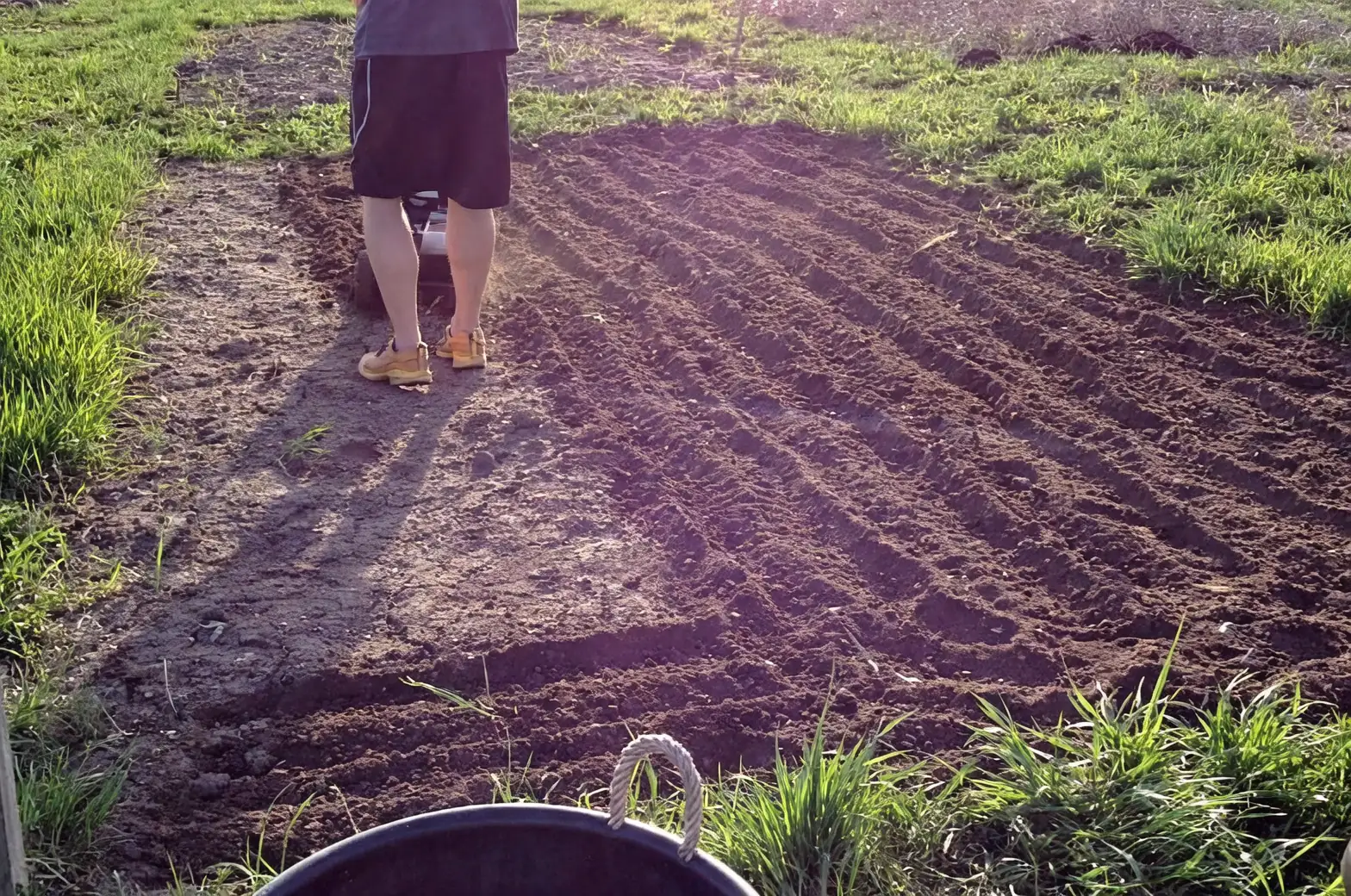
- Site Preparation: Choose a location that meets your plants’ needs for sunlight, soil type, and drainage. A sunny, well-drained spot can prevent many fungal diseases.
- Plant Selection: Opt for disease-resistant varieties. For example, if you’re planting tomatoes, look for labels like “VFN” indicating resistance to common diseases like Verticillium and Fusarium wilts.
Spotting the Enemy: Diagnosing Plant Problems
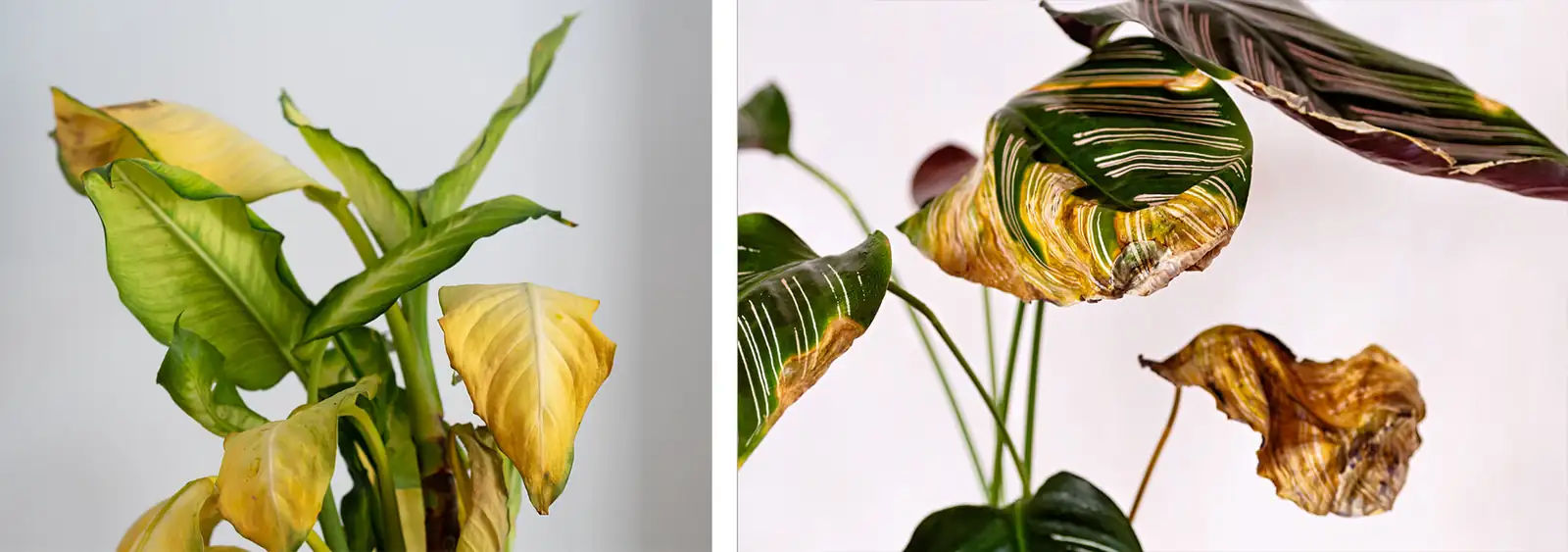
Identifying whether your plant is facing a disease or an abiotic disorder (like nutrient deficiency or water stress) is crucial. A plant might show symptoms like yellowing leaves or stunted growth. Before reaching for the nearest spray bottle, consider:
- Environment Check: Is your plant getting enough water and nutrients? Sometimes, fixing these can solve the problem without any control measures.
- Pathogen Identification: If a disease is the culprit, determine if it’s caused by a fungus, bacterium, or virus, as this will guide your control strategy.
Chemical Controls: When and How to Use Them
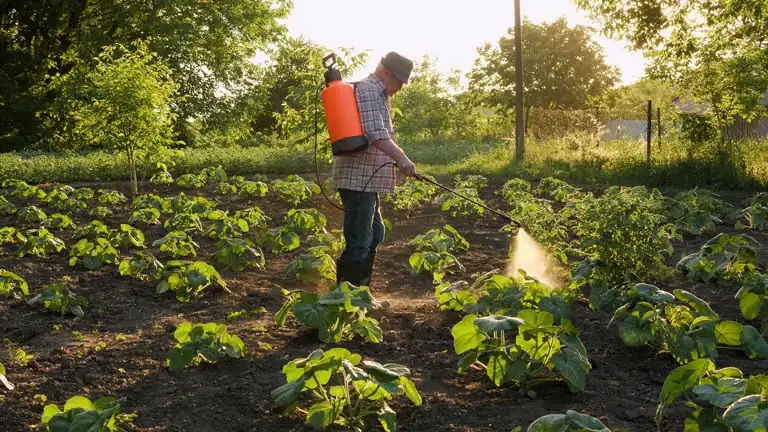
Chemical controls, including fungicides and bactericides, can be effective but should be used judiciously. Here’s what you need to know:
- Targeted Application: Only use chemicals when necessary, and apply them at the early stages of disease development to be effective. Overuse can lead to resistance and harm beneficial organisms.
- Follow Instructions: Always adhere to label directions to avoid harming your plants or yourself. Misapplication can lead to toxicity or ineffective control.
Physical Controls: A Gentle Touch
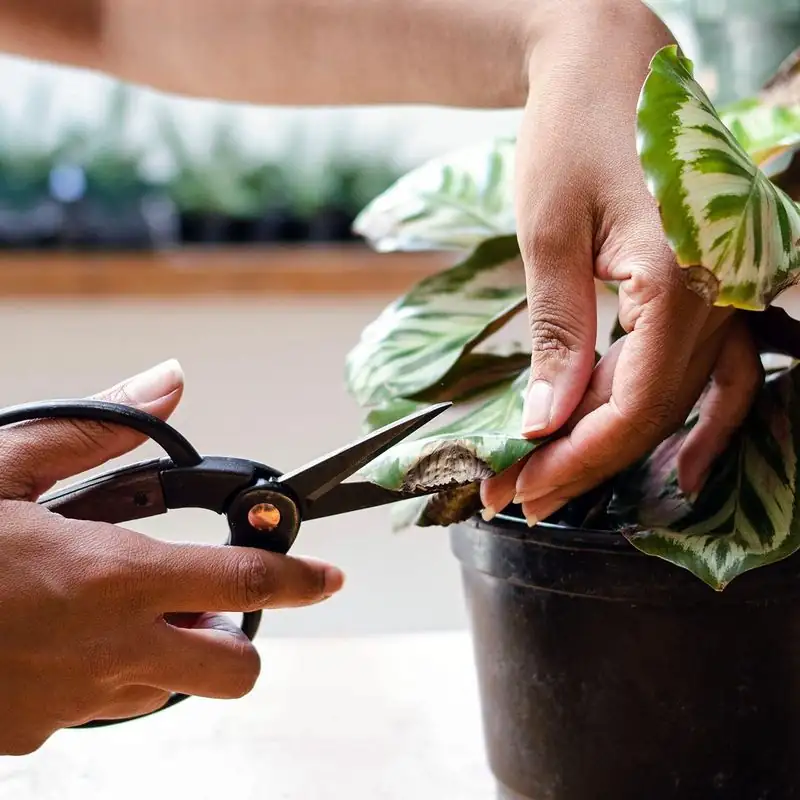
Physical controls involve non-chemical methods that can be just as effective in many situations:
- Sanitation Practices: Remove and destroy infected plant parts promptly. Clean your gardening tools to prevent the spread of pathogens.
- Crop Rotation and Diversity: Rotating crops and planting a diverse array of species can disrupt disease cycles.
- Proper Watering and Mulching: Overwatering is a common mistake that can encourage fungal growth. Mulch can help maintain soil moisture without waterlogging.
Integrated Pest Management (IPM): The Best of Both Worlds
IPM combines chemical and physical controls to manage plant diseases effectively. It focuses on long-term prevention and minimal environmental impact:
- Monitor Regularly: Keep an eye on your plants for early signs of trouble. Regular inspections can catch problems before they escalate.
- Combine Tactics: Use resistant varieties, maintain healthy soil, and only resort to chemicals when absolutely necessary.
Common Mistakes to Avoid
- Ignoring Early Symptoms: By the time a plant is visibly wilting, it might be too late for simple solutions.
- Over-reliance on Chemicals: This can lead to resistant strains of pathogens and harm non-target organisms.
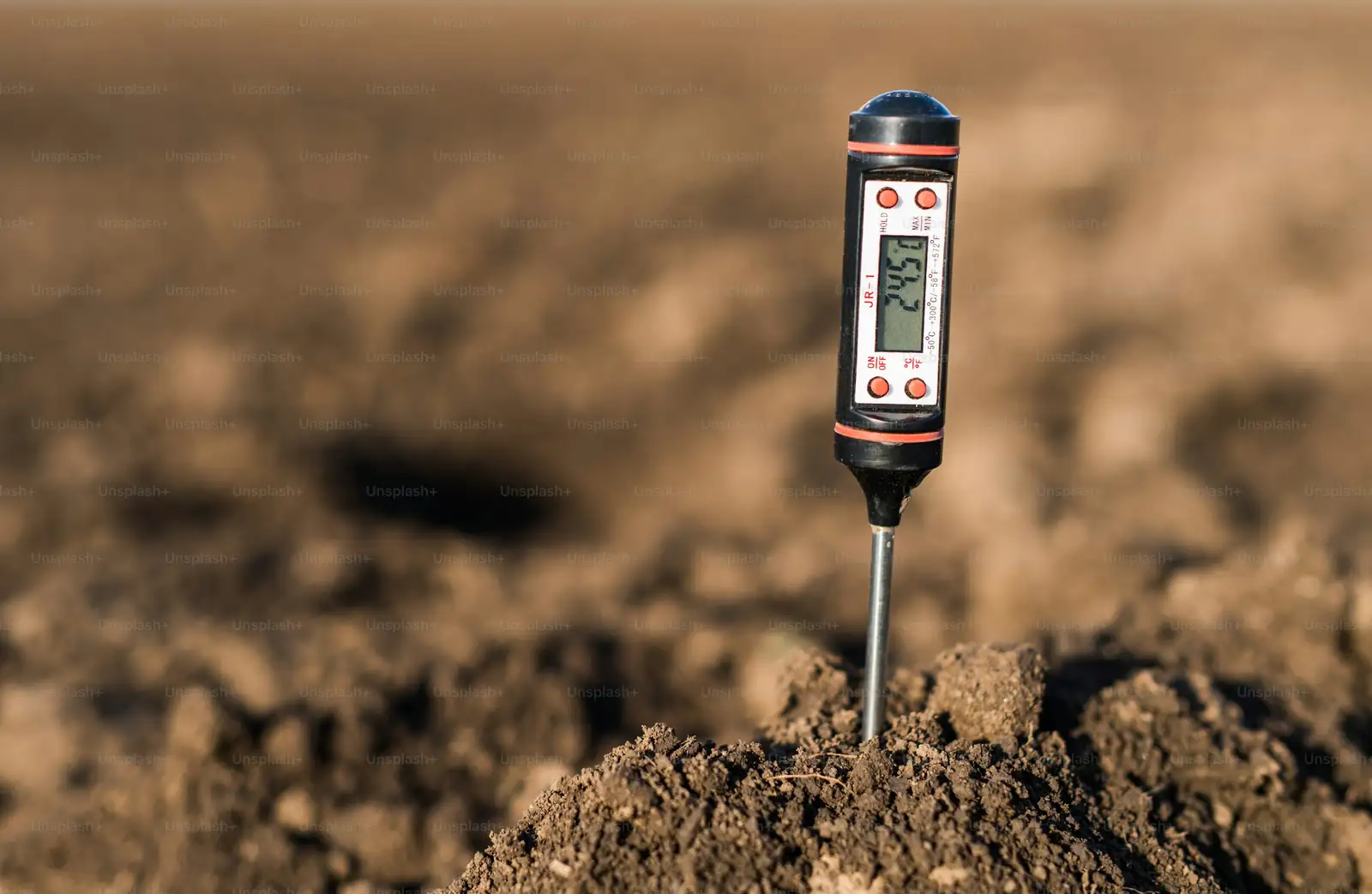
- Neglecting Soil Health: Healthy soil is the foundation of healthy plants. Regularly test and amend your soil as needed.
In the battle against plant diseases, knowledge is your best weapon. By understanding the strengths and limitations of chemical and physical controls, you can keep your garden lush and vibrant. Happy gardening!


