

Are your Zebra Haworthia plants under attack? Fear not! This comprehensive guide will arm you with the knowledge to identify and treat common pests and diseases that can affect your beloved Zebra Haworthia, scientifically known as Haworthiopsis attenuata. With a bit of care and attention, you can keep this visually striking succulent thriving and vibrant.
Identifying Common Pests and Diseases
Mealybugs and Scale
Imagine waking up to find tiny, fluffy white invaders making themselves at home on your Zebra Haworthia. Mealybugs, with their cottony appearance, and scale insects, which look like tiny, round bumps on the leaves, are common pests that can threaten your plant’s health.
Solution: Isolate the affected plant immediately to prevent the spread to other houseplants. Treat the infested areas with insecticidal soap or horticultural oil, ensuring you cover all surfaces. For severe infestations, repeat the treatment weekly until the pests are eradicated.
Root and Crown Rot
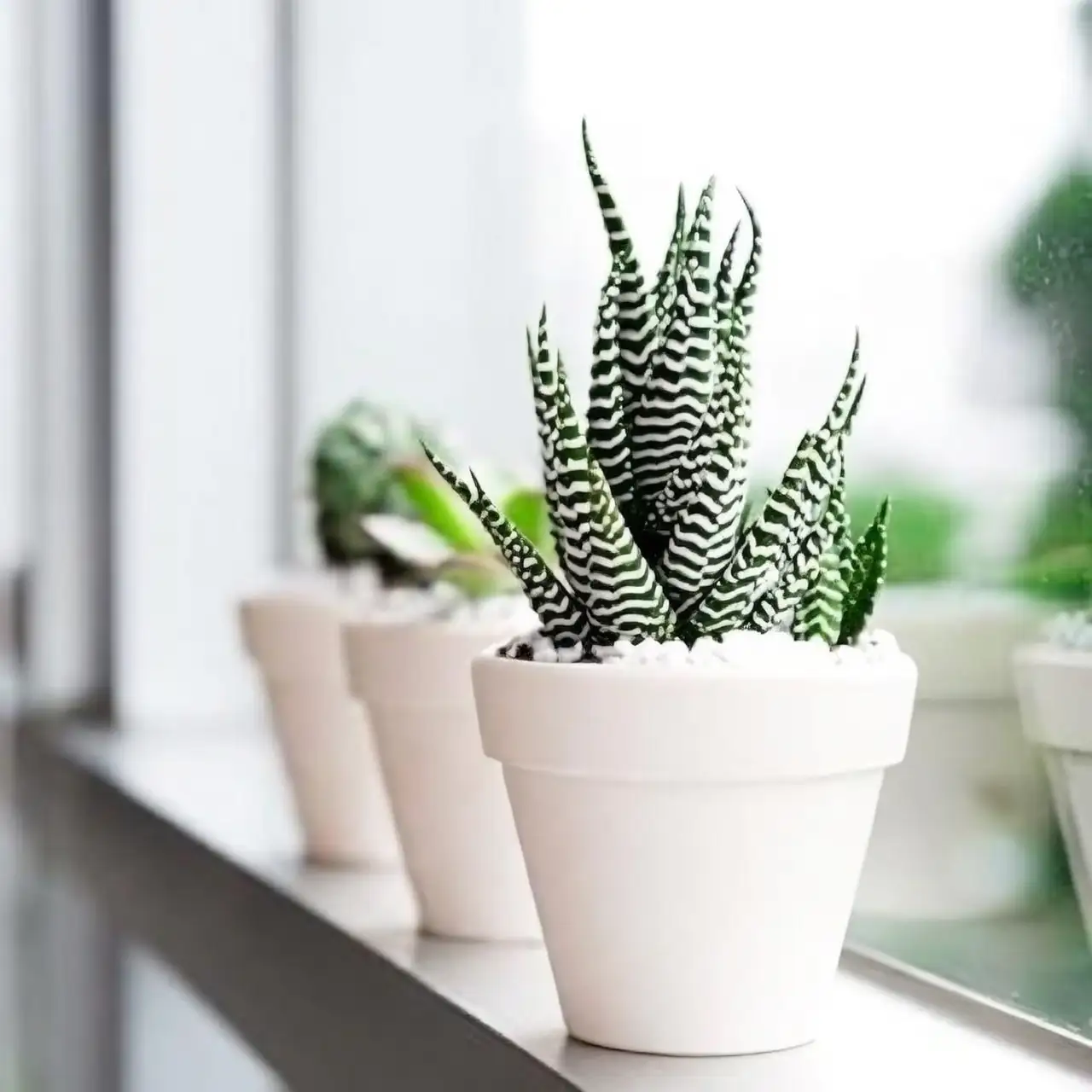
Root and crown rot are like the villains in a plant’s life story, thriving in overly wet conditions. If the base of your plant starts to turn mushy and the leaves begin to collapse, you may be facing rot.
Solution: Unpot the plant to examine the roots. Trim away any blackened or mushy roots and allow the plant to dry out and callus for a few days. Repot it in a gritty, well-draining cactus mix to prevent future rot. Moving forward, adopt the “soak and dry” method: water thoroughly, then let the soil dry out completely before watering again.
Environmental Factors and Their Impact
Light Stress
Your Zebra Haworthia needs bright, indirect light to thrive. Too much direct sun can scorch the leaves, turning them red or brown, while too little light can leave them pale and weak.
Solution: Place your plant near an east-facing window or a south-facing window with a sheer curtain. This provides the gentle morning light it loves while avoiding the harsh afternoon rays.
Watering Woes
Watering is a balancing act. Overwatering can lead to rot, while underwatering may cause the plant to shrivel and wilt.
Solution: Stick to the “soak and dry” method, watering every 2-3 weeks during active growth periods and much less in the winter. This method mimics the plant’s natural environment and helps prevent common problems.
Practical Tips for Thriving Zebra Haworthia
Soil and Potting
A fast-draining, gritty mix is your plant’s best friend. Use a cactus mix with added perlite or pumice to ensure excess water drains away quickly. Plant your Zebra Haworthia in a pot with drainage holes to further protect against waterlogging.
Airflow and Humidity
Good airflow is crucial for preventing pest infestations and fungal diseases. Avoid trapping moisture in the rosette by misting the surrounding air instead of the plant itself, and keep the plant in a well-ventilated area.
Repotting and Propagation
Repot your Zebra Haworthia every 2-3 years, or when it outgrows its pot. This is also an excellent time to propagate by separating offsets or pups, which form naturally around the base. Allow any cut surfaces to callus before potting to reduce rot risks.
Keeping Your Zebra Haworthia Happy and Healthy
Fertilization
While Zebra Haworthia is a low feeder, a monthly feeding with a diluted succulent fertilizer during active growth can give it a gentle boost. Skip fertilization during the winter months when the plant’s growth naturally slows.
Pruning and Maintenance
Minimal pruning is required. Simply remove any dried or damaged leaves to keep your plant looking its best. After flowering, trim away the spent flower stalk.
With these tips, your Zebra Haworthia can become a resilient symbol of vitality and calm simplicity, thriving with minimal fuss. Remember, the key to success with this succulent is understanding its needs and responding swiftly to any signs of distress. Happy planting!


