

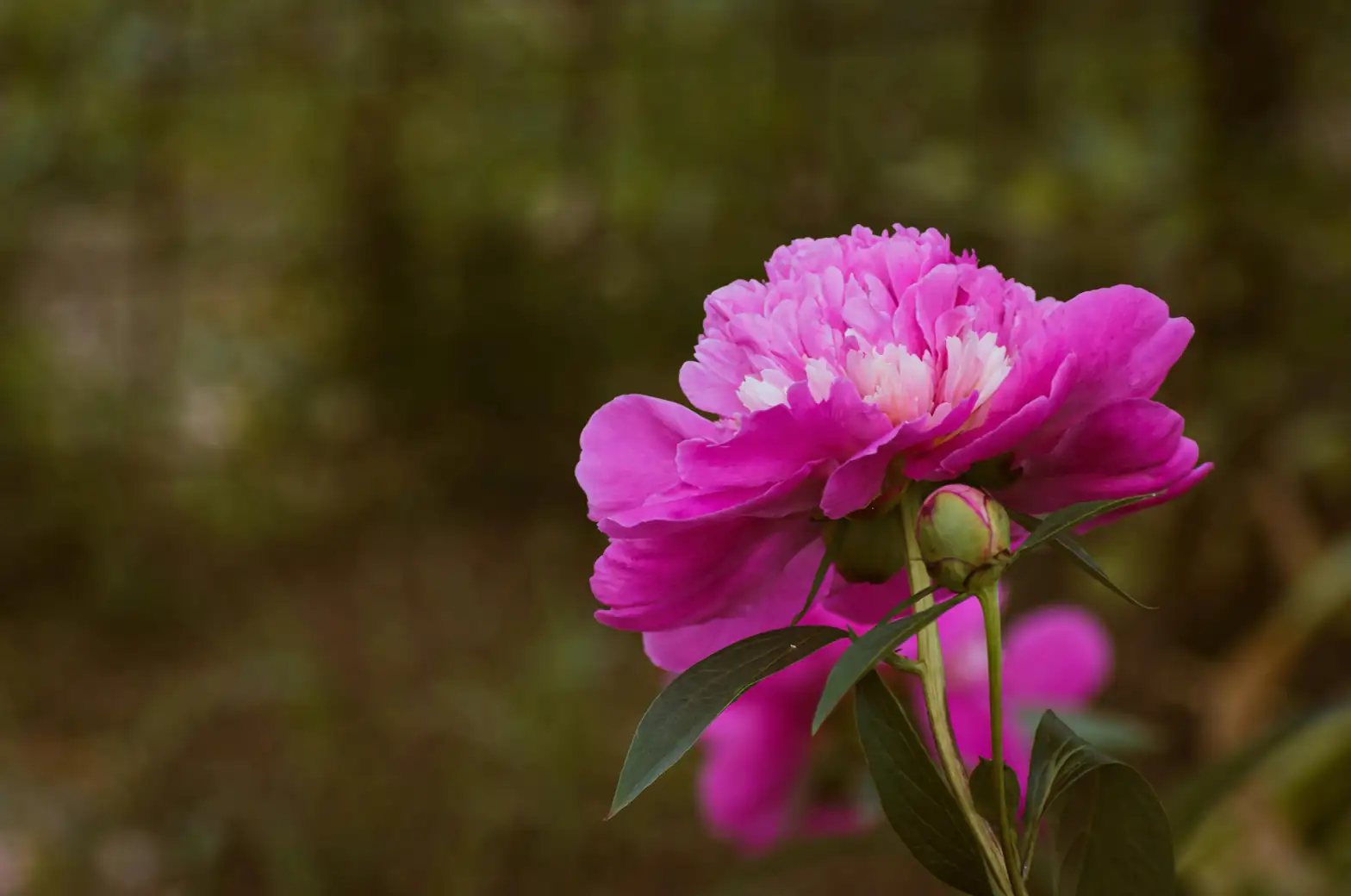
In the world of ornamental plants, the tree peony (Paeonia × suffruticosa) stands as a regal symbol of elegance and prosperity. Known as the “King of Flowers” in Chinese culture, this woody shrub enchants with its ruffled blooms and intricate foliage. Yet, like any royal, the tree peony has its share of adversaries in the form of pests and diseases. Let’s delve into the common ailments that can plague these majestic beauties and explore effective strategies to keep your garden’s crown jewel healthy and radiant.
The Usual Suspects: Common Diseases and Pests
Tree peonies are generally resilient, but under certain conditions, they can fall prey to a variety of diseases and pests. Here’s a closer look at what might trouble them:
Fungal Foes
- Botrytis Blight: Often surfacing in cool, damp conditions, Botrytis blight is the bane of many a gardener. This fungus can cause buds to turn brown and wither before they even open. To combat this, ensure good air circulation around your plants and remove any dead or infected plant material promptly. Consider using copper-based fungicides like Bordeaux mixture as a preventive measure.
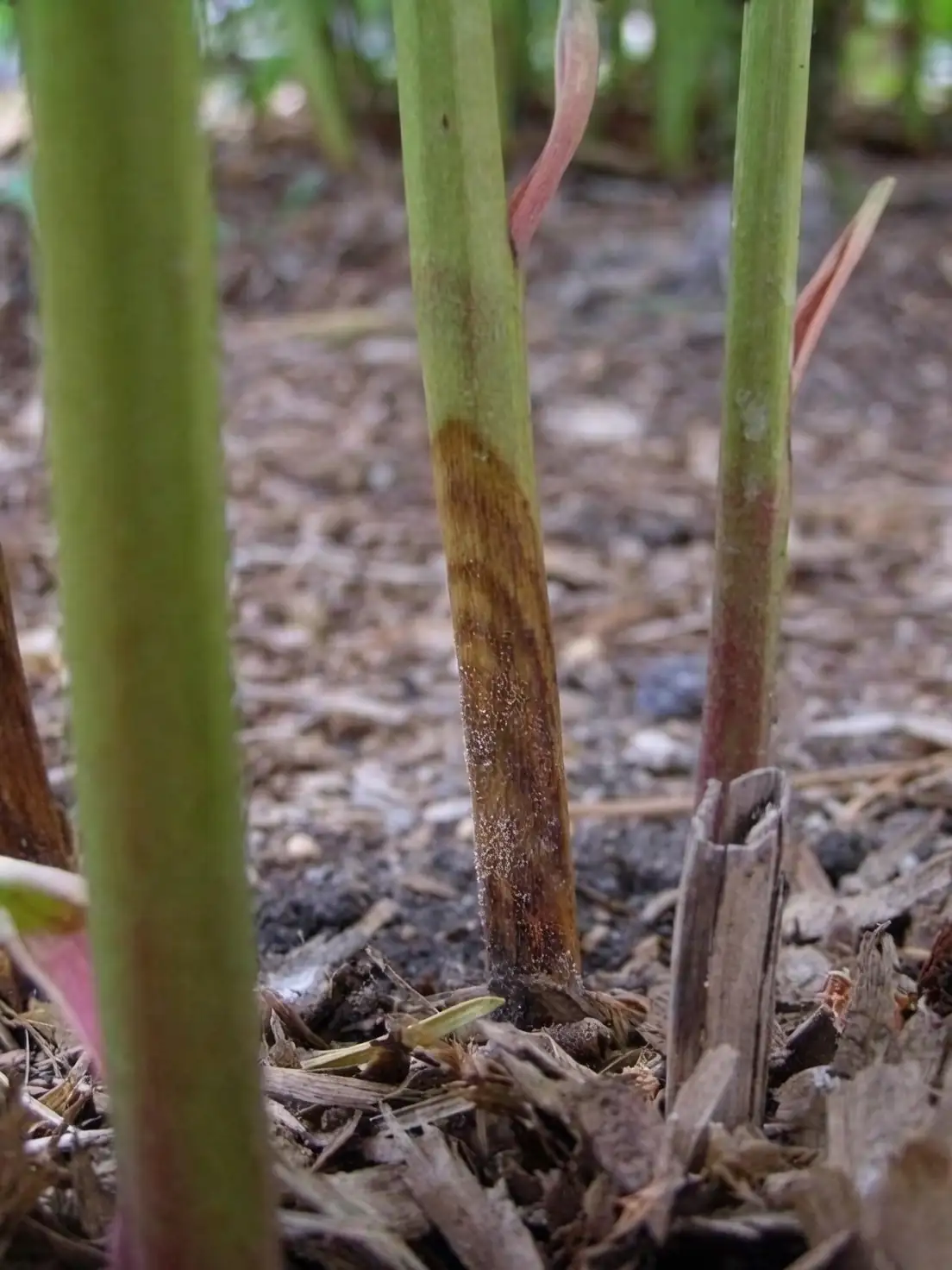
- Leaf Spot and Anthracnose: These fungal diseases leave unsightly spots on leaves, diminishing the plant’s overall vigor. They thrive in stagnant, moist environments. The key to prevention is to maintain proper spacing and airflow, alongside diligent sanitation practices like removing fallen leaves and debris.
Nematode Nuisances
- Root Lesion Nematodes: These microscopic pests burrow into the roots, causing lesions that can stunt growth. They are a stealthy adversary, often requiring a soil test for accurate diagnosis. Keeping your garden clean and well-drained can help prevent their spread.

- Foliar Nematodes: These tiny worms infiltrate leaves, creating discolored, angular patches. They thrive in moist conditions, so keeping foliage dry and removing infected leaves can help control their population.
Insect Invaders
- Aphids and Spider Mites: These sap-sucking pests can weaken plants and distort new growth. A simple solution is to spray affected areas with a mix of water and horticultural soap or oil, which suffocates the pests without harming the plant.
- Ants: While their presence on peony buds might seem alarming, ants are typically after the sweet nectar and are harmless to the flowers themselves. However, if their numbers become overwhelming, natural deterrents like diatomaceous earth can be sprinkled around the base of the plants.
Strategies for a Healthy Peony Palace
Maintaining a thriving tree peony involves a balance of proactive care and timely intervention. Here’s a guide to keeping your tree peonies in peak condition:
Cultural Controls
- Site Selection and Planting: Choose a location with good air circulation and well-drained soil. Avoid areas where water tends to pool after rain. For container-grown peonies, ensure excellent drainage and avoid overwatering.

- Sanitation: Regularly remove dead foliage and spent flowers to reduce the risk of disease. Fall cleanup is particularly crucial to prevent overwintering of pests and pathogens.
- Pruning: Prune for structure and airflow after leaf fall, removing any dead, weak, or crossing branches. This not only enhances the plant’s form but also reduces disease pressure.
Monitoring and Early Intervention
- Regular Checks: Inspect your plants regularly for early signs of disease or pest activity. Catching issues early often makes them easier to manage.
- Integrated Pest Management (IPM): Use a combination of cultural, mechanical, and chemical controls to keep pest populations in check. This holistic approach minimizes chemical use and promotes a balanced ecosystem.
The Language of Flowers: More Than Meets the Eye
Tree peonies are not just about visual splendor; they carry a rich tapestry of cultural meanings. In Chinese culture, these flowers symbolize prosperity, honor, and romance. The pink varieties are often associated with romantic love, while red signifies respect and passion, making them popular choices for festive occasions and weddings. This floral symbolism extends beyond aesthetics, reflecting deeper cultural narratives about wealth and integrity.
Conclusion
In the garden, as in life, challenges are inevitable. Yet with knowledge and vigilance, your tree peonies can flourish, offering breathtaking blooms and a living connection to the rich traditions they represent. Whether you’re a seasoned gardener or a newcomer to the world of peonies, understanding and addressing these common issues will ensure that your “King of Flowers” reigns supreme in its corner of the garden.


