

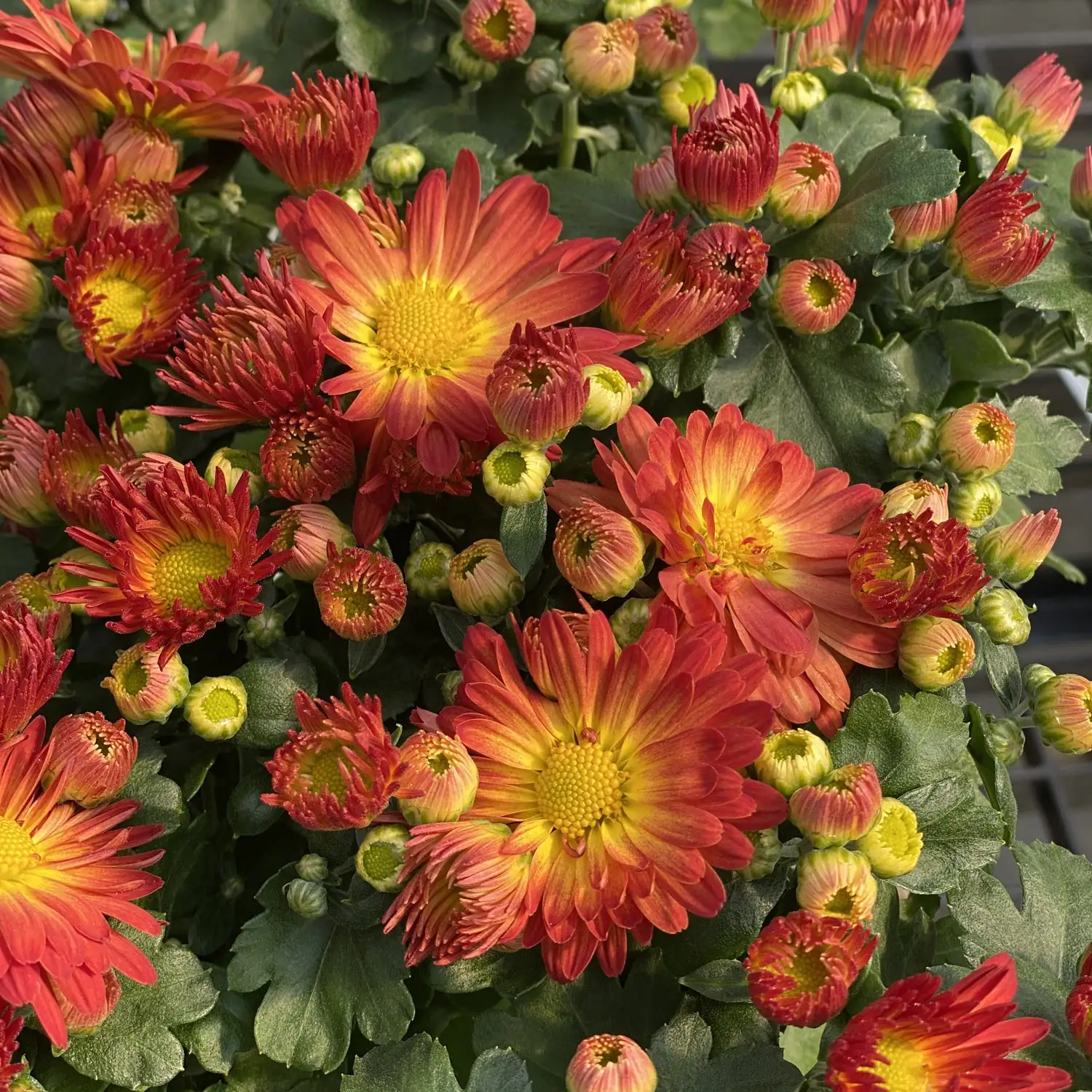
Chrysanthemums, fondly known as “mums” or the “Queen of Fall Flowers,” provide a vibrant finale to the gardening season with their dazzling array of colors and forms. However, these autumnal beauties can face significant challenges in the garden, particularly when it comes to pest management and disease prevention. If you’re a gardener aiming to keep your chrysanthemums healthy and blooming, it’s essential to arm yourself with knowledge on how to identify and treat these common issues.
Understanding Chrysanthemum Pests
Much like a persistent houseguest, pests can cause havoc if left unchecked. Let’s delve into the most common culprits that target chrysanthemums.
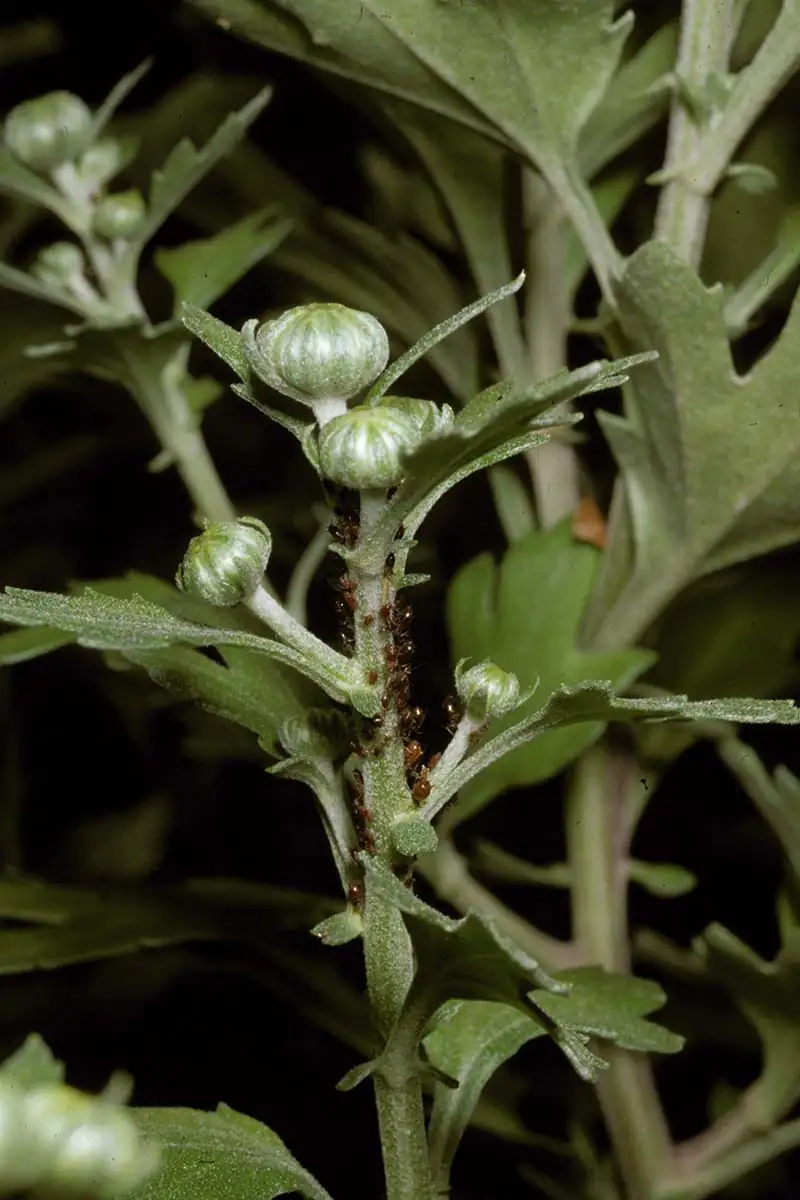
Aphids: The Tiny Sap Suckers
Aphids are the vampires of the plant world, draining the life out of chrysanthemums by sucking their sap. These tiny, soft-bodied insects can lead to curled, yellowed, or distorted leaves, and they excrete a sticky substance called honeydew, which invites sooty mold. Combat them with insecticidal soaps or neem oil, and encourage natural predators like ladybugs and lacewings to patrol your garden.
Mites and Thrips: The Undercover Agents
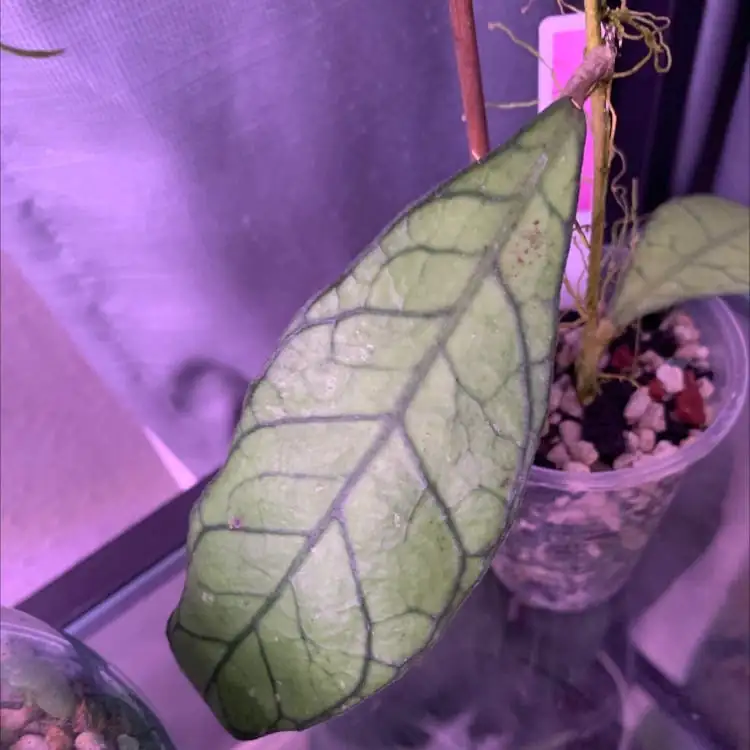
Spider mites and thrips are stealthy pests that can cause significant damage. Mites often lead to stippled, yellowing leaves, while thrips can cause silver streaks and distorted growth. Regularly inspect your plants and apply horticultural oil or insecticidal soap when necessary. Beneficial insects, such as predatory mites, can also help keep these pests in check.
Leafminers and Whiteflies: The Invisible Threats
Leafminers create unsightly trails on leaves as they burrow through them, while whiteflies resemble tiny moths that suck sap from leaves, causing yellowing and wilting. Remove infested leaves and use yellow sticky traps to capture whiteflies. Neem oil can serve as an effective treatment for both pests.
Common Diseases and Their Solutions
Chrysanthemums, like a well-loved book, can show signs of wear and tear. Here are some common diseases that might affect them, along with ways to address these issues.
Powdery Mildew: The Dusty Invader
Powdery mildew looks like a sprinkling of talcum powder on leaves and can lead to distorted growth. Ensure good air circulation and avoid overhead watering. If needed, apply fungicides such as myclobutanil or propiconazole.
Leaf Spot: The Unwanted Tattoos
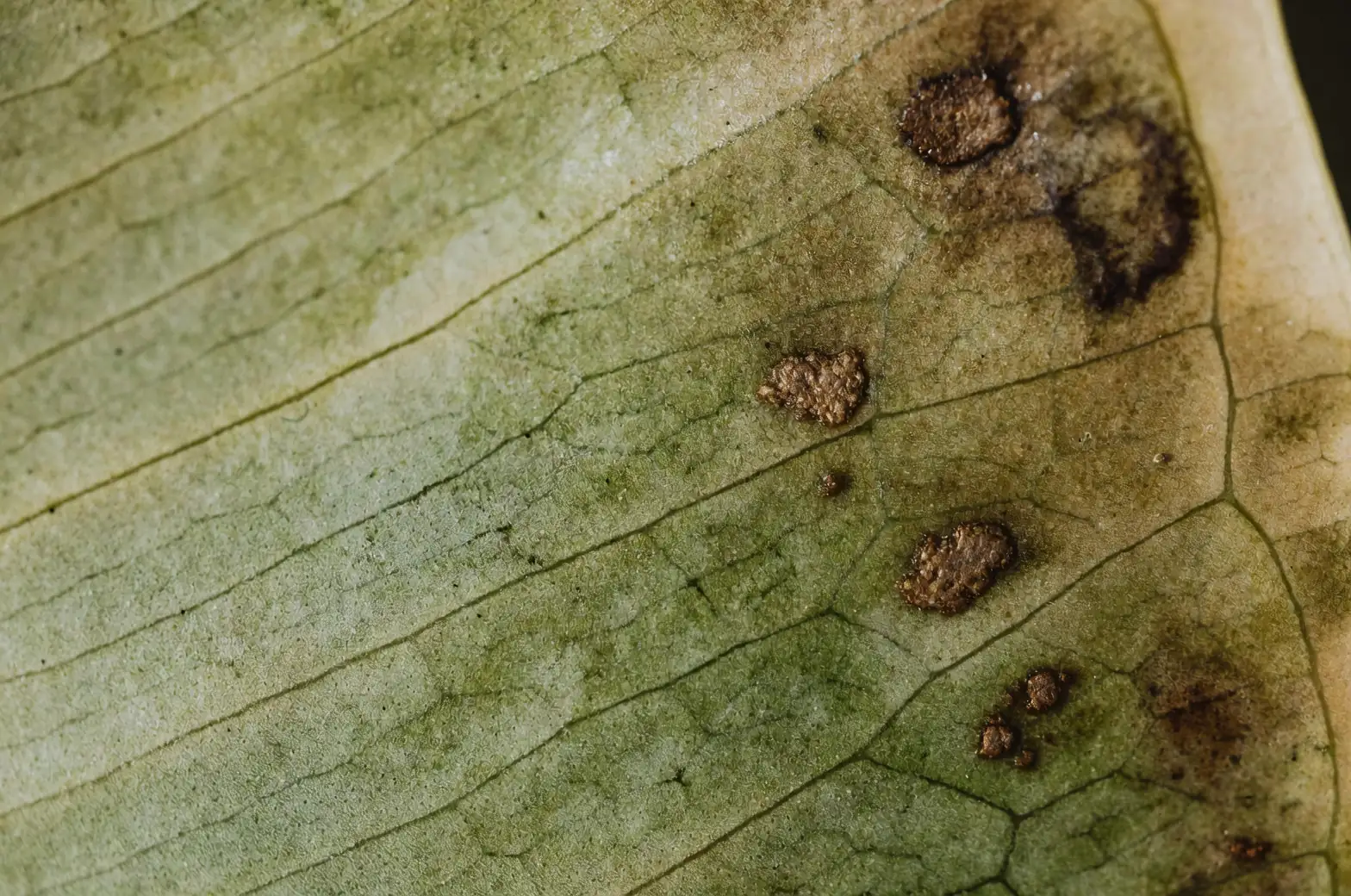
Leaf spots are caused by various fungi, leading to yellowish spots that turn dark brown or black. Handpick and destroy infected leaves, maintain cleanliness by removing dead plant debris, and mulch to prevent spores from splashing onto plants. Fungicides can be applied if the disease becomes severe.
Root and Stem Rot: The Silent Killers
Caused by waterlogged conditions, these diseases lead to wilting and eventual plant death. Ensure well-draining soil and avoid overwatering. If rot is detected, improve drainage and avoid replanting in the same spot.
Best Practices for Disease Prevention
Prevention, as they say, is better than cure. Here are some strategies to keep your mums healthy and happy:
- Choose Resistant Varieties: Selecting disease-resistant cultivars can reduce the likelihood of infections.
- Proper Spacing: Allow enough space between plants to ensure good airflow, which helps prevent fungal diseases.
- Water Wisely: Water at the soil line to keep foliage dry and reduce the risk of disease. Consistency is key—keep soil moist but not soggy.
- Prune and Pinch: Regular pinching encourages bushier growth and more blooms, while pruning helps remove diseased or dead material, preventing the spread of pathogens.
The Cultural Significance of Chrysanthemums
Chrysanthemums are more than just garden staples; they carry profound cultural significance. In China, they symbolize nobility and longevity, celebrated during the Double Ninth Festival. Japan venerates them as imperial symbols, with the monarchy known as the “Chrysanthemum Throne.”
In Victorian times, these flowers conveyed messages of cheerfulness and well-wishing, with color-specific meanings such as red for love and white for truth. In Europe, however, they’re often associated with mourning, particularly in white or yellow hues.
Conclusion
By understanding the challenges and adopting proactive measures, you can ensure your chrysanthemums remain a vibrant centerpiece in your garden. Whether you’re sipping chrysanthemum tea or simply enjoying their cheerful blooms, these plants deserve the care and attention they require to fend off pests and diseases. So, grab your gardening gloves and show those chrysanthemums some love—they’ll reward you with a stunning autumn display that’s worth every effort!


