

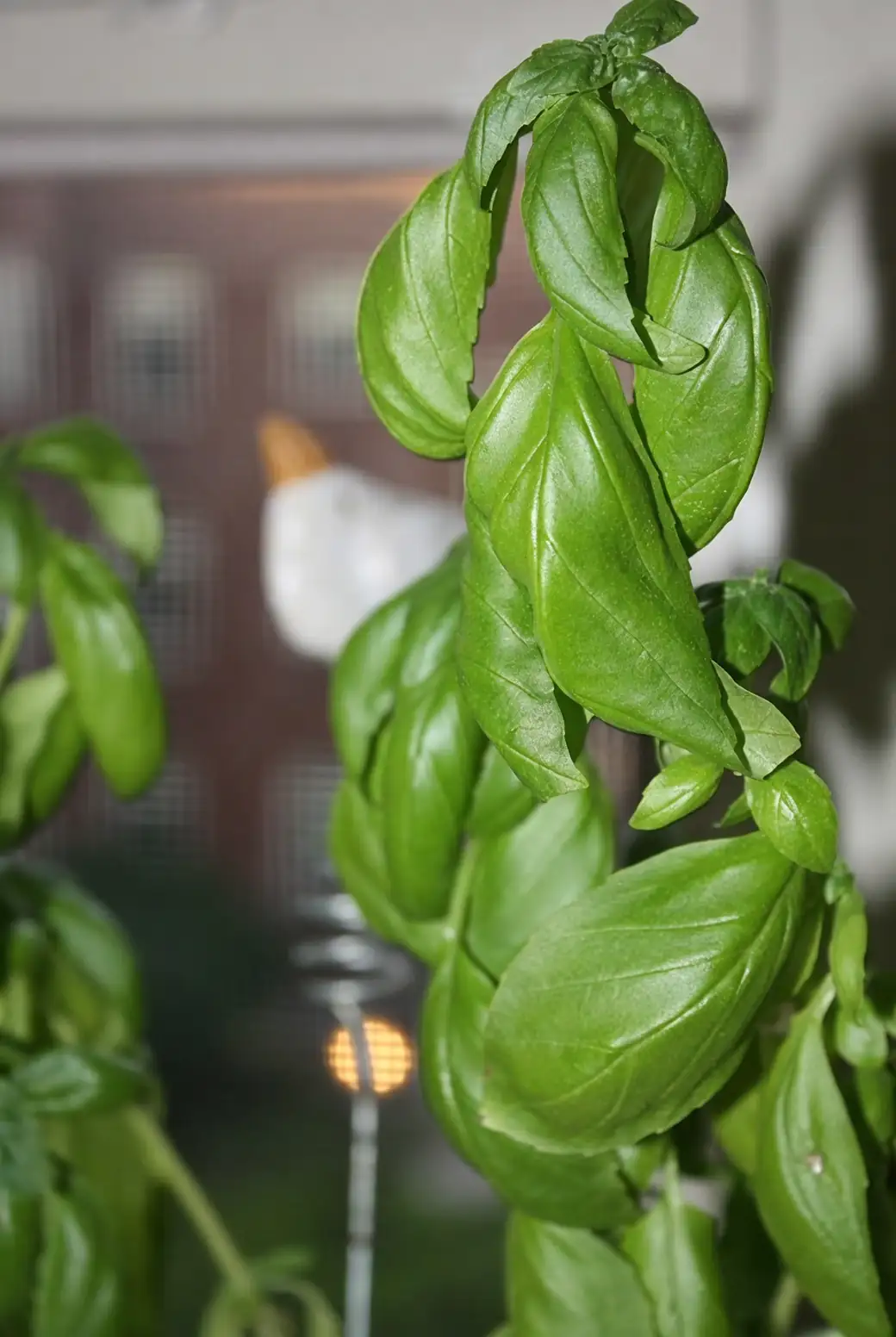
Discover the Fascinating World of Ocimum basilicum
Imagine a plant so deeply woven into the fabric of culinary and cultural history that it is revered as the “King of Herbs.” Meet Ocimum basilicum, more commonly known as basil—a herb that has captivated the senses and imaginations of people worldwide for millennia. This fragrant member of the mint family isn’t just a staple in your favorite pasta dish; it’s a botanical marvel brimming with intriguing traits and tales.
A Royal Herb with a Global Journey
Basil’s journey across the globe is as captivating as its scent. Though it’s a darling of Italian cuisine, basil originally hails from the tropical regions of Asia, with its roots stretching back over 4,000 years to India and other parts of Asia. From there, it traveled westward, riding the spice routes into the Mediterranean, where it was embraced by the Greeks and Romans. Today, basil’s influence extends across Europe, the Americas, and beyond.
Aromatic Diversity: More Than Just Sweet
Basil’s allure isn’t just tied to its culinary uses; its aromatic diversity is a wonder in itself. With over 150 varieties, the olfactory experience of basil can range from the sweet, robust notes of the familiar sweet basil to the exotic fragrances of lemon, cinnamon, and even licorice. Its essential oils, including linalool, eugenol, and methyl chavicol, are the secret behind its captivating aroma, making each variety a unique experience for the senses.
Culinary Star and Cultural Icon
Basil has earned its place in kitchens around the world. It’s the star in pesto, an essential companion to tomatoes and mozzarella, and a beloved ingredient in dishes from Italy to Thailand. But its role extends beyond flavor; basil is steeped in cultural symbolism and folklore. In Italy, a pot of basil was once a signal of love and courtship. In India, it’s revered as “tulsi,” or the “incomparable one,” holding spiritual significance and believed to offer protection and prosperity.
The Botanical Traits of Basil
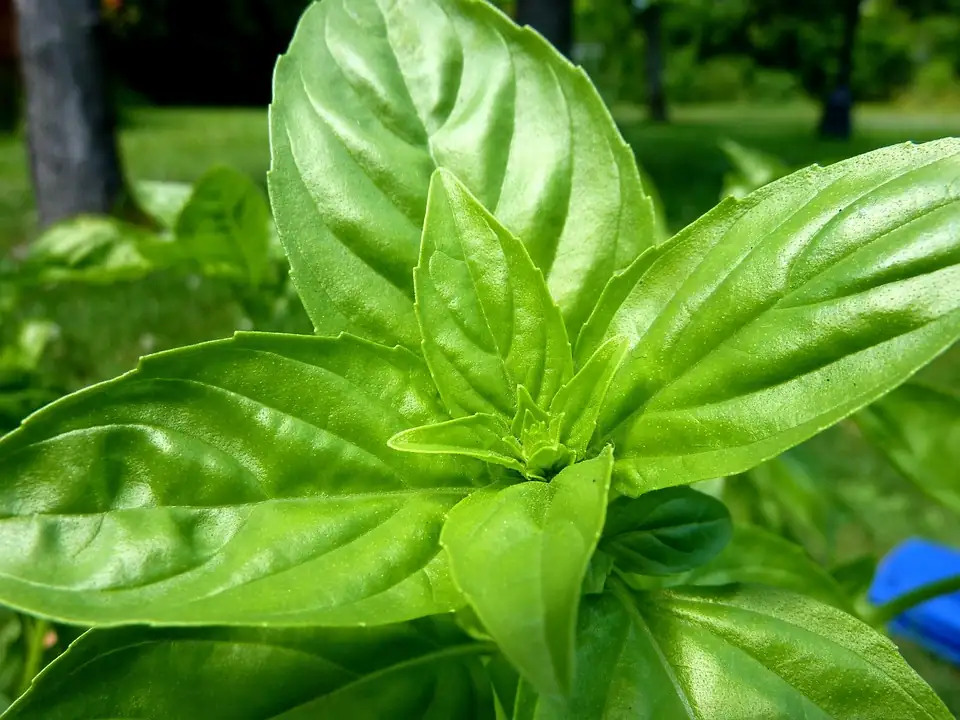
In the garden, basil is as generous as it is easygoing. Typically growing 45–60 cm tall, it can reach up to 90 cm in some varieties. Its lush, green leaves—sometimes purple, depending on the type—are about 5–7.5 cm long, oval, and slightly serrated, releasing a rich aroma when touched. Basil’s small white to pale purple flowers bloom in whorls atop its stems, signaling a shift from leaf production.
Growing and Caring for Basil
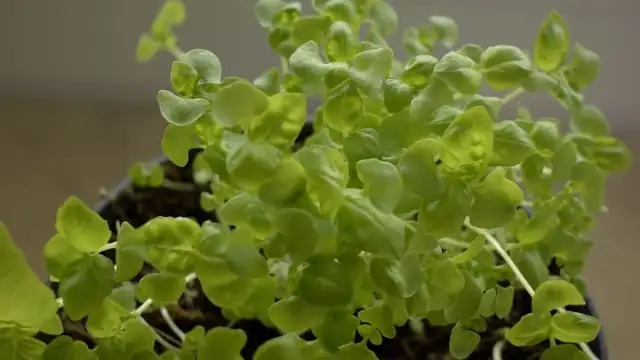
Whether you’re a seasoned gardener or a novice, basil is one of the friendliest herbs to cultivate. It thrives in full sun and warm temperatures, preferring light, well-drained soil. Regular watering and occasional fertilization with organic options like compost tea keep it flourishing. To encourage bushy growth, pinch the stems often, especially before they flower, as this promotes more leaves and extends the harvest season.
Fun Facts and Folklore
- Royal Roots: The name “basil” traces back to the Greek word “basilikon,” meaning royal, reflecting its esteemed status.
- Mythical Connections: In folklore, basil was thought to repel insects and negative energies, a practical and poetic combo.
- Culinary Variations: Besides the classic sweet basil, varieties like Thai, purple, and lemon basil offer unique flavors and uses in diverse cuisines.
- Historical Uses: Ancient Egyptians used basil in embalming, while in England, it was hung in doorways to ward off flies and spirits.
Frequently Asked Questions
How do I encourage basil growth?
To encourage a bushier plant, pinch or snip the stems just above a leaf node once the plant is about 15 cm tall. This promotes branching and prolongs the harvest.
Can basil be frozen?
Absolutely! Chop the leaves and freeze them in ice cube trays with water or olive oil. These cubes are perfect for adding to soups and sauces.
What causes basil leaves to turn yellow?
Yellowing leaves can result from overwatering, poor drainage, or nutrient imbalances. Ensure soil moisture is consistent and improve drainage if needed.
When is the best time to harvest basil?
Begin harvesting when the plant reaches about 15–20 cm tall. Harvest in the morning for the best flavor and always snip above a leaf node to encourage new growth.
As you savor your next dish enhanced by this aromatic herb, remember basil’s rich history and diverse characteristics. It’s more than just a flavor—it’s a bridge connecting us to ancient traditions and culinary innovation alike.


