

If you’ve ever wondered why one miniature Cymbidium thrives while another sulks, look under the leaves—right into the pot. For these compact, windowsill-ready orchids, the potting mix is more than a home; it’s a life-support system. The right blend of bark, perlite, a touch of charcoal, and only very limited sphagnum can keep roots breathing, hydrated, and happy. The wrong blend—especially once it breaks down—can sour into a recipe for rot. Let’s dive deep into materials, how to read root health, and the telltale signs your mix is past its prime.
The mix sets the tempo: airy, bark-based, and quick-draining
Miniature Cymbidiums (Cymbidium hybrids, miniature cultivars) bloom best in bright light with cooler nights—especially in late summer to autumn—but those flowers are built on healthy roots. A free-draining, bark-based orchid mix with smart add-ins is the reliable backbone for indoor-grown minis. Avoid garden soil or anything that compacts; these orchids need air at the root zone as much as they need moisture.
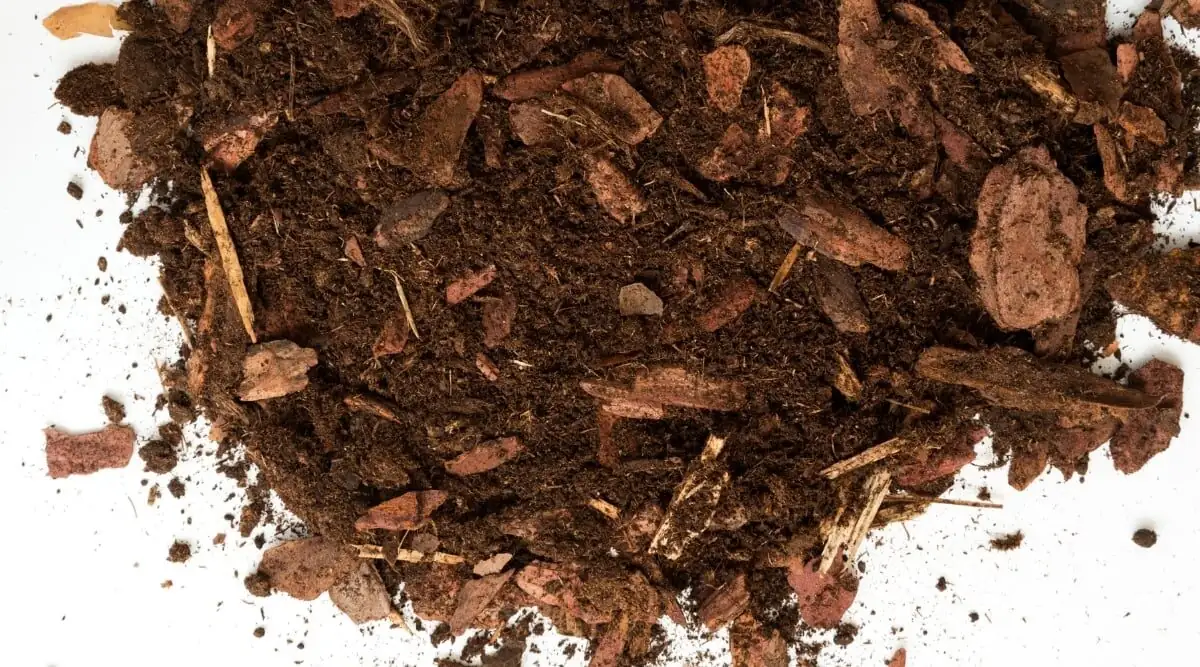
Bark grades: the structural backbone
Not all bark is created equal. The chip size you choose sets the rhythm of moisture retention and airflow.
- Fine bark (about 6–9 mm): Holds more moisture, dries more slowly, and packs more tightly. Useful in very dry, warm, or windy conditions, or for growers who water less often. For minis with compact pots, fine bark can be appropriate—but watch that it doesn’t stay soggy.
- Medium bark (about 9–12 mm): A sweet spot for many indoor minis—enough air gaps for roots, with dependable but not excessive moisture retention.
- Coarse bark (12–16 mm): Drains fastest. Best for humid spaces, very cool/dim seasons, or for enthusiastic waterers. In small pots, coarse bark can dry very fast; pair it with a bit more perlite or a touch of moisture-retentive material only if conditions are arid and bright.
Practical tips:
- Choose a stable, long-lasting orchid-grade bark (e.g., aged/fir bark products designed for orchids). Consistency matters because bark that resists breaking down keeps air spaces open.
- Rinse bark to remove dust; pre-soak for a few hours before use so fresh chips don’t repel water on first watering.
Perlite: the airy sponge
Perlite is the tiny, white, “popcorn” volcanic glass that lightens mixes and adds air pockets. It also holds a skim of water on its surface.
- Why use it: Improves drainage and oxygen around roots while buffering dryness between waterings.
- Grades: Finer perlite blends seamlessly in small pots; coarse perlite creates bigger air voids. Either is fine—just aim for balance with your bark size.
- How much: 10–30% of the mix by volume is typical for minis. If you water heavily or live in cool/dim conditions, lean lower (10–15%). In hot, dry homes or greenhouses, 20–30% can help.
- Caveats: It floats and is dusty—dampen it before mixing to reduce dust, and rinse if needed.
Charcoal: cleaner, longer-lived structure
Horticultural charcoal (not barbecue briquettes) is inert, lightweight, and long-lasting.
- Why use it: Helps keep the mix “fresher” by adsorbing some impurities and supporting airflow. It resists breakdown and compaction, prolonging the life of the mix.
- Size and amount: Pieces similar to your bark chip size work best. Use about 5–15% of the mix.
- Myth check: Charcoal doesn’t endlessly “purify” water; think of it as a structural, mildly adsorptive additive that helps prevent sour, stale conditions.
Sphagnum moss: useful only in small, strategic doses
Sphagnum is powerful—highly absorbent, slow-drying, and easily overdone for Cymbidiums.
- When to use it: In very arid homes or when establishing new root tips, add no more than 5–10% teased, fluffy strands through the bark. Alternatively, tuck a small, loose “sling” of sphagnum around brand-new root tips to keep them just damp, not wet.
- When to skip it: Cool, low-light seasons, snug pots, or if your mix is already slow to dry. Packed or layered sphagnum can hold water against roots and invite rot.
- Golden rule: Never stuff or compact sphagnum. Keep it feather-light and minimal.
Reading root health like a pro
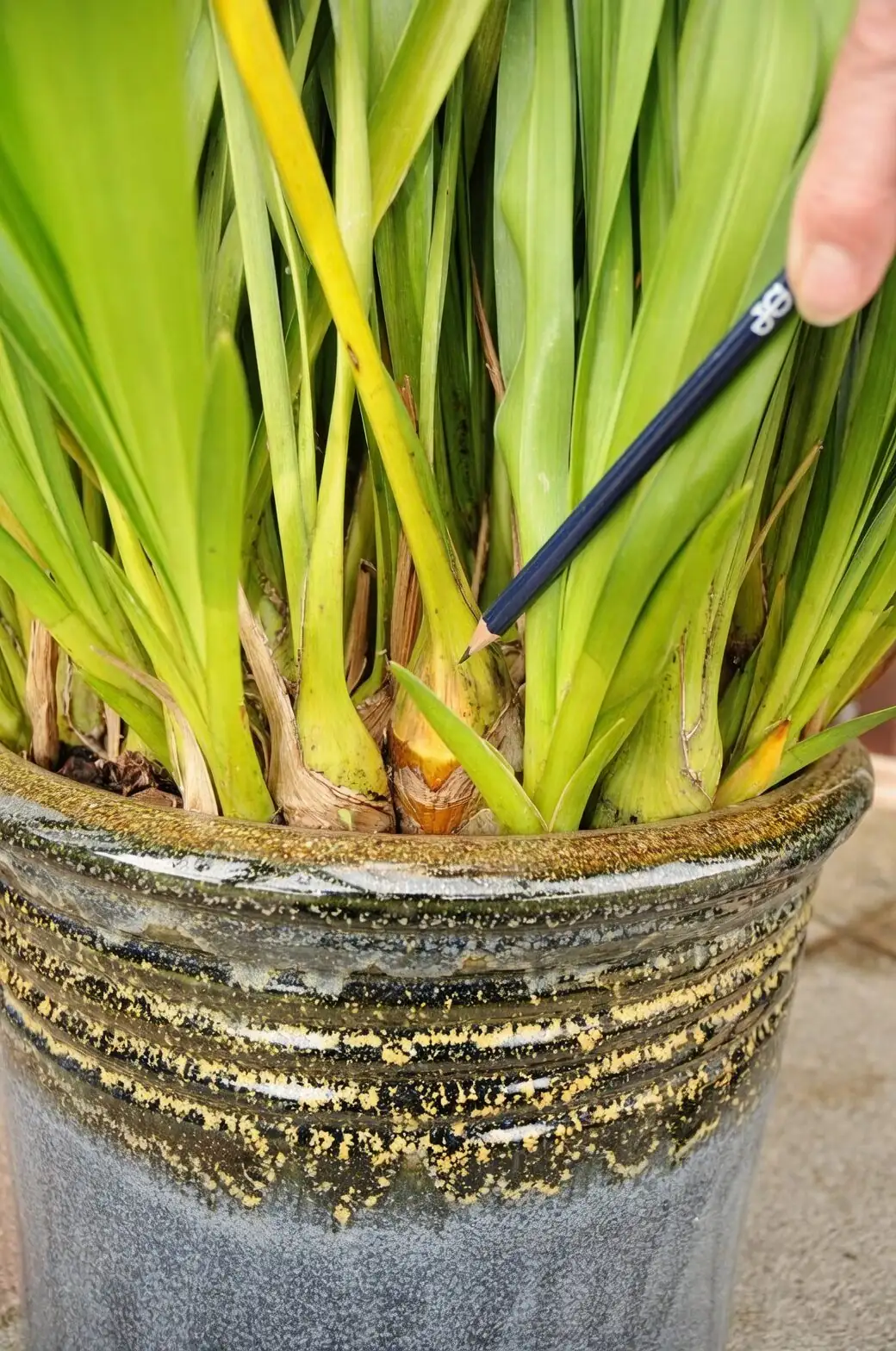
Cymbidium roots are the plant’s pulse. Learn to “listen” and you’ll prevent 90% of problems.
What healthy looks and feels like
- Color and tips: Firm, smooth roots that are cream to pale tan; actively growing tips are often green. If roots are exposed to light, the velamen may flush silvery when dry and slightly greener when wet.
- Texture: Springy-firm, not brittle or mushy.
- New growth cues: Plump pseudobulbs, crisp leaves, and bright green root tips signal momentum.
Red flags—and what they often mean
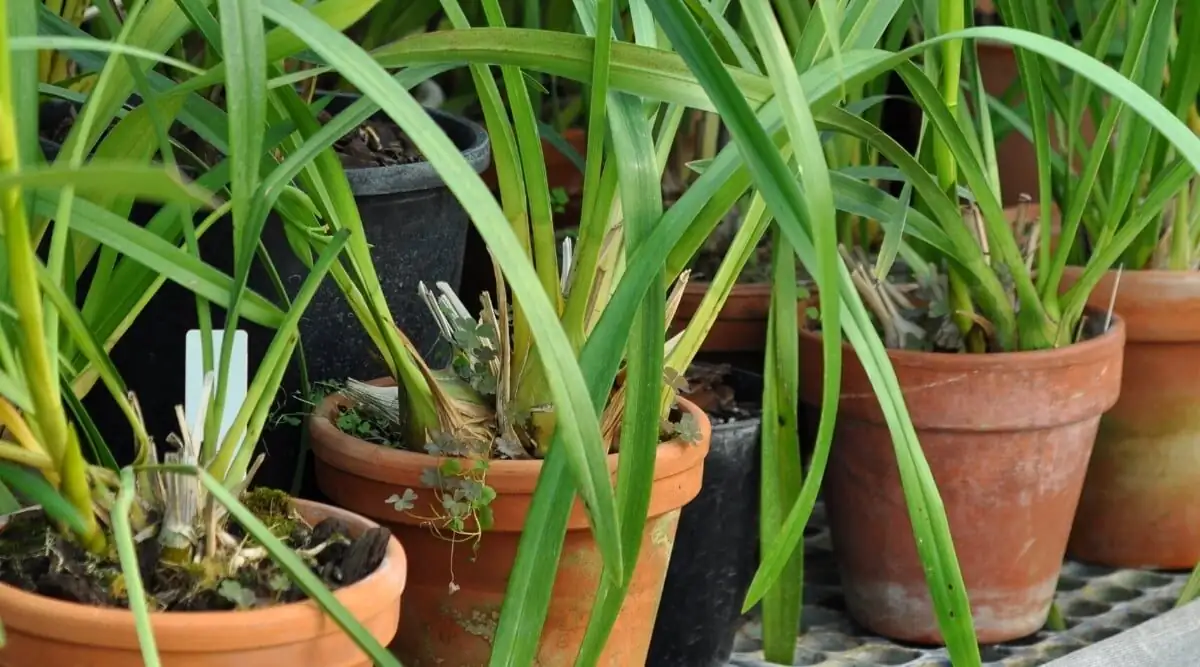
- Mushy, brown/black, hollow, or foul-smelling roots: Root rot from stale, waterlogged, or broken-down media. Action: Unpot, trim dead tissue, refresh with airy mix, and adjust watering.
- Roots pale and papery-dry, pseudobulbs shriveling: Underwatering or mix drying too fast. Action: Water thoroughly, verify drainage holes aren’t blocked, consider a slightly finer bark grade or a bit more perlite/sphagnum (sparingly).
- Sour/musty odor from the pot: Media breakdown or stagnant conditions. Action: Repot into fresh, free-draining mix.
- Leaves pleating or tips burning: Inconsistent watering/salts accumulation or too-strong fertilizer. Action: Flush the pot with plain water monthly; feed at half strength during active growth.
Pro tip: Use the skewer test. Insert a wooden skewer into the pot; if it comes out cool and barely damp, water. Learn your pot’s “dry-down” rhythm by weight—the pot should lighten noticeably between waterings.
When a mix turns on you: breakdown and the rot risk window
Bark and organic components don’t fail overnight—they compact, acidify, and seal off air spaces, slowly suffocating roots.
Clear signs your mix is past its prime
- The pot stays wet for days longer than it used to.
- Bark feels spongy or crumbles into fines; the potting mass looks more like mulch than chips.
- A sour, swampy smell; fungus gnats love it in there.
- Algae or moss thickly coating the pot interior.
- Healthy watering still leads to shriveling pseudobulbs (roots can’t breathe).
- It’s been 2–3 years since the last repot—or sooner if you water heavily or keep warm, which accelerates breakdown.
Remember: mini Cymbidiums prefer fresh, airy media. Stale, compacted mixes set the stage for root rot.
Smart repot timing and clean technique
Ideal windows:
- After flowering or as new growth begins, so new roots can colonize fresh mix quickly.
- Immediately if rot is suspected or the mix smells sour.
Clean, simple steps:
- Prepare: Use a snug pot with ample drainage (oversized pots stay wet too long). Pre-soak bark; gather perlite and charcoal.
- Sterilize tools and workspace: Wipe down surfaces; flame or soak blades in a disinfectant between plants. Disposable gloves help reduce cross-contamination.
- Unpot and inspect: Tease away old mix. Trim mushy, hollow, or blackened roots with sterile shears.
- Rebuild: Place a drainage layer (coarse bark) if needed. Position the plant so new growth faces the pot center. Work in fresh mix—bark base with perlite and charcoal—tapping to settle without compacting.
- Water through: Drench and fully drain. Resume regular watering as new roots extend.
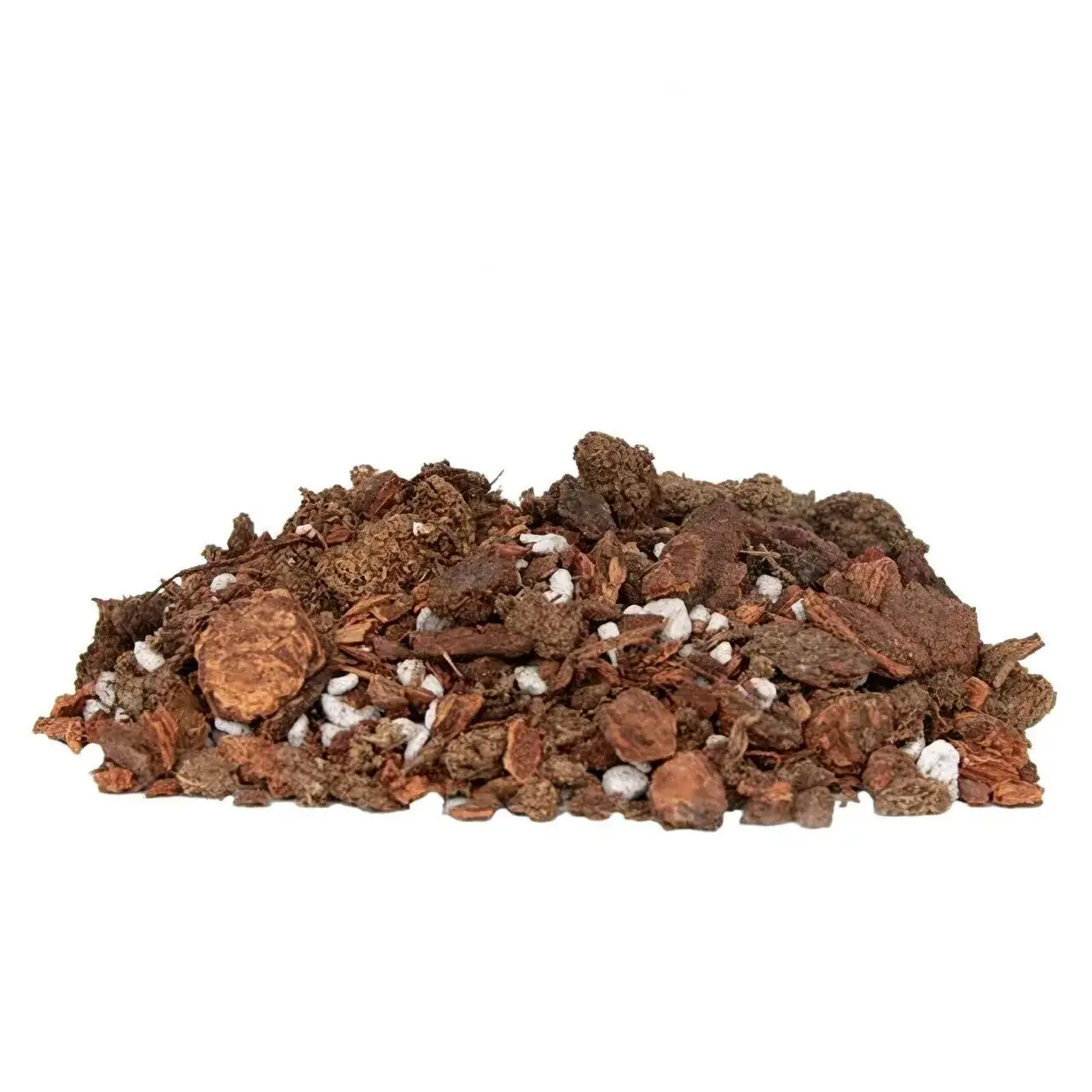
Sample mixes for miniature Cymbidiums (tune to your space)
Use these as starting points, then tweak for your climate and watering style.
- Balanced indoor windowsill (bright, moderate humidity)
- 60% medium bark (9–12 mm)
- 20% medium perlite
- 10% horticultural charcoal
- 10% fine bark or pumice
- Optional: at most 5% teased sphagnum if your air is very dry
- Cool, low-light season or “I water generously”
- 70% medium-to-coarse bark (12–16 mm if conditions are very cool)
- 15% perlite
- 15% charcoal
- No sphagnum
- Hot, arid home or fast-drying greenhouse
- 55% medium bark
- 25% perlite
- 15% charcoal
- Up to 5% teased sphagnum woven lightly through the bark
Adjust signs to watch:
- Drying too fast? Increase fine bark slightly or add a whisper more sphagnum.
- Staying wet too long? Increase bark size and perlite; remove sphagnum entirely.
Watering and feeding—synced to your mix
- Water thoroughly so the entire mix is soaked, then drain completely. Let the top of the mix dry slightly between waterings. Never let the pot sit in water.
- In active growth, keep evenly moist; in cool, darker periods, water less often.
- Fertilize with a balanced orchid feed at half strength every 2–4 weeks during active growth; reduce or pause in winter unless new growth is obvious.
- Flush with plain water monthly to prevent fertilizer salt buildup—especially in smaller, tighter mixes.
Light, temperature, and airflow: the bloom trigger trio
- Light: Bright, indirect light; gentle morning sun is fine. Avoid harsh midday sun through glass.
- Temperature: Best growth around 10–24°C (50–75°F). To initiate spikes, give several weeks of cool nights about 10–13°C (50–55°F) in late summer to autumn.
- Airflow: Gentle movement prevents stale, wet air around leaves and mix—your best ally against rot.
Quick buying and health notes
- Choose plants with firm, plump pseudobulbs, clean green leaves, and no sour smell from the pot.
- Common pests: scale, mealybugs, spider mites, aphids—manage early with horticultural soap or oil.
- Root rot is the main disease problem—nearly always tied to stale, broken-down, or waterlogged media.
- Safety: Generally considered non-toxic to cats and dogs; any plant chewing may cause mild stomach upset.
A final word: let the roots coach you
Think of your mix like a tailored suit. The cut (bark grade), lining (perlite and charcoal), and a tiny stitch where needed (sphagnum) should fit your home, your watering rhythm, and your plant’s size. Learn your pot’s dry-down pace, peek at root tips during routine checks, and refresh the mix before it stales. Do that, and your miniature Cymbidium will repay you with the showy, long-lasting spikes that made you fall in love with them in the first place.