

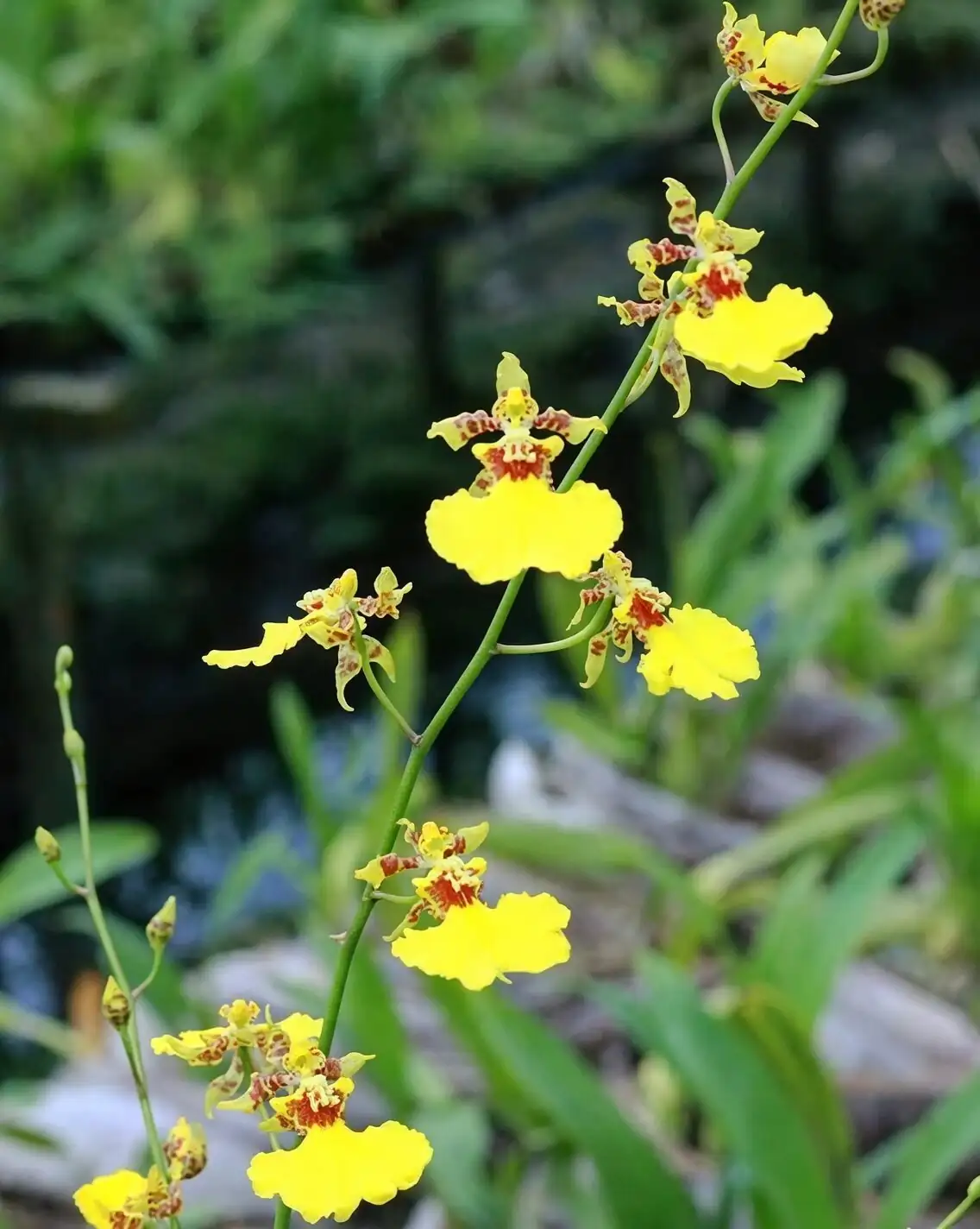
Think of Oncidium—the classic Dancing Lady Orchid—as a troupe of tiny ballerinas: light on their feet, graceful, and happiest when their “stage” (the potting mix) is springy, airy, and not weighed down. If you’ve struggled with stalled plants after repotting or mixes that swing from soggy to desert-dry, this hands-on guide is your shortcut to a thriving, regularly reblooming clump.
Below you’ll find practical media recipes with fine–medium bark, perlite, charcoal, and sphagnum; how to pick the right pot; how to spot tired mix; how to flush fertilizer salts; and exactly how to repot every 1–2 years without interrupting growth.
H2: Oncidium at a glance (the grower’s cheat-sheet)
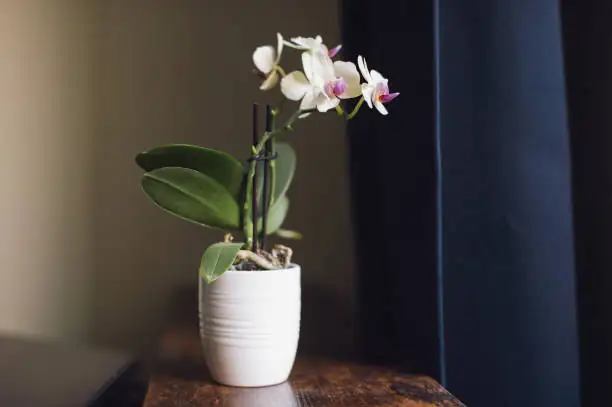
- What it is: Clump-forming, epiphytic orchids with water-storing pseudobulbs and branching sprays of fluttery blooms in yellow, bronze, pink, white, and more.
- Where it comes from: Tropical/subtropical Americas, especially Mexico through Central America into northern–central South America. Many sold today are easy-going hybrids.
- Light: Bright, filtered light to gentle part sun. Indoors, an east window is ideal; a lightly shaded south/west window also works. Avoid harsh midday scorch.
- Temperature: Comfortable around 12–25°C (54–77°F). Keep above ~8°C (46°F) in winter; if below ~10°C (50°F), keep much drier to prevent rot.
- Humidity and airflow: About 40–60% with gentle movement of air; pebble trays or a humidifier help.
- Water rhythm: Thorough soak, then let the mix approach dryness before rewatering. During spikes/bloom, don’t let it go bone-dry for long.
H2: Build a better orchid mix: what each ingredient does
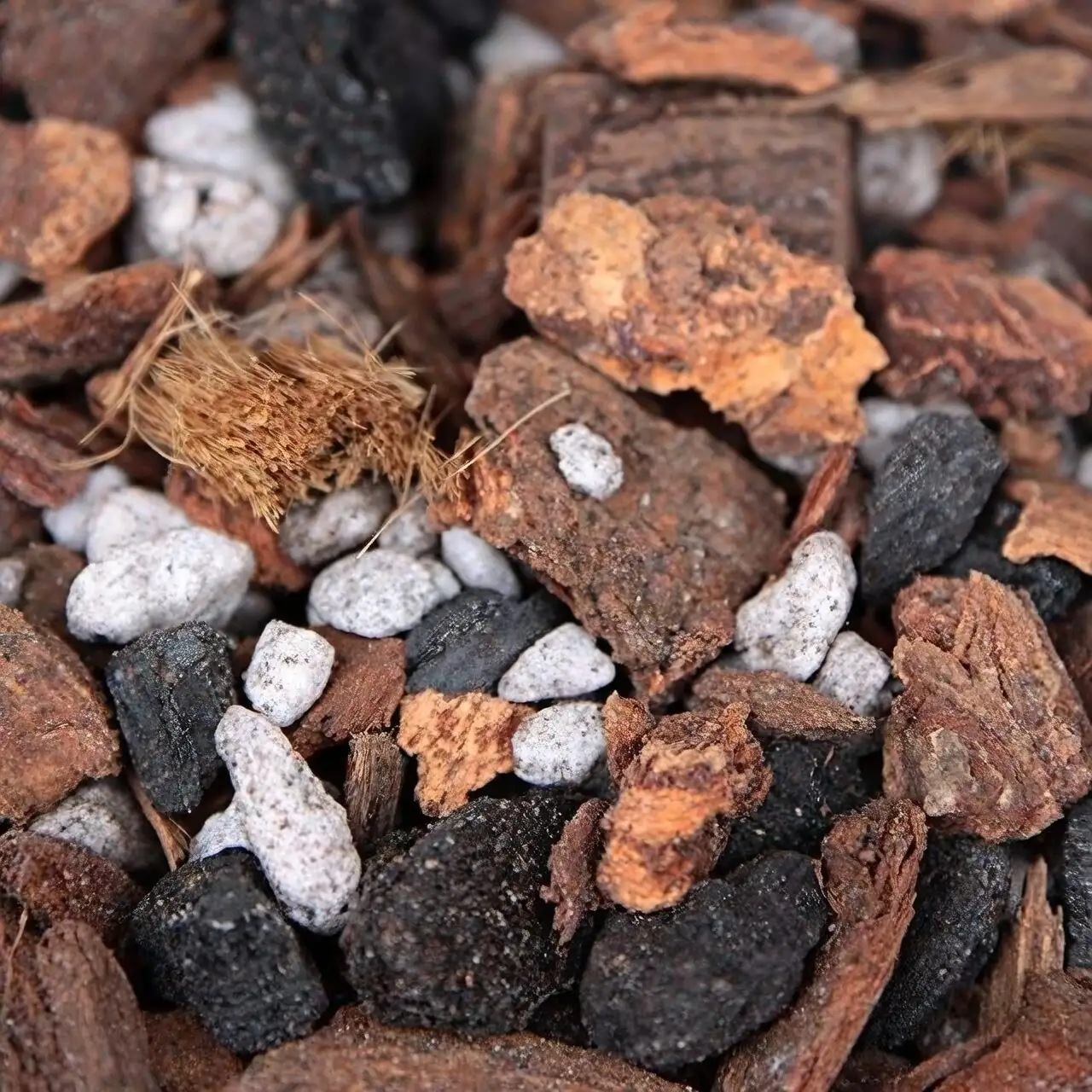
- Fine–medium orchid bark (fir/Monterey): The backbone—porous, free-draining, gives roots something to grip.
- Perlite (sponge rock): Adds air pockets, resists compaction, speeds drainage.
- Horticultural charcoal: Buffers impurities, helps keep the mix “sweet,” and slightly reduces moisture.
- Long-fiber sphagnum moss: Retains moisture and evens out the wet/dry cycle—critical for thin-rooted Oncidium and smaller pots.
H3: How to choose particle size
- Roots thin or recovering? Favor finer end of “fine–medium” bark and tease in a little sphagnum.
- Big, vigorous clumps in humid conditions? Lean toward medium bark with less sphagnum.
- Rule of thumb: Aim for a mix that dries in 2–5 days in your conditions during active growth.
H2: Hands-on media recipes (choose one for your home)
All percentages are by volume. Rinse everything first; pre-soak bark and sphagnum for 20–30 minutes and wring out sphagnum so it’s damp, not dripping.
1) Bright window, average home humidity (40–60%)
- 60% fine–medium bark
- 20% perlite
- 10% charcoal
- 10% sphagnum, teased lightly through the mix
Why it works: Bark plus perlite gives breathability; a dash of sphagnum buffers moisture so the center doesn’t crisp between waterings.
2) Dry home or small pot that dries “too fast”
- 50% fine bark
- 20% perlite
- 10% charcoal
- 20% sphagnum, teased (not layered in a soggy mat)
Tip: Keep the sphagnum in wisps throughout the mix—clumps stay wet too long and suffocate roots.
3) Humid balcony/greenhouse or if you water very often
- 70% medium bark
- 20% perlite
- 10% charcoal
Optional tweak: Add a very thin “humidity cap” of loose sphagnum on top if new roots are just emerging, but keep it airy and minimal.
H3: Prepping your ingredients
- Rinse perlite to remove dust (it compacts if dusty).
- Soak and drain bark to reduce initial hydrophobicity.
- Hydrate sphagnum in clean water, then squeeze to just-damp. Do not use salty or old, brown, crumbly moss.
- Mix by hand to feel texture—if it clumps when squeezed, add more bark/perlite.
H2: Pot choice and sizing: snug wins
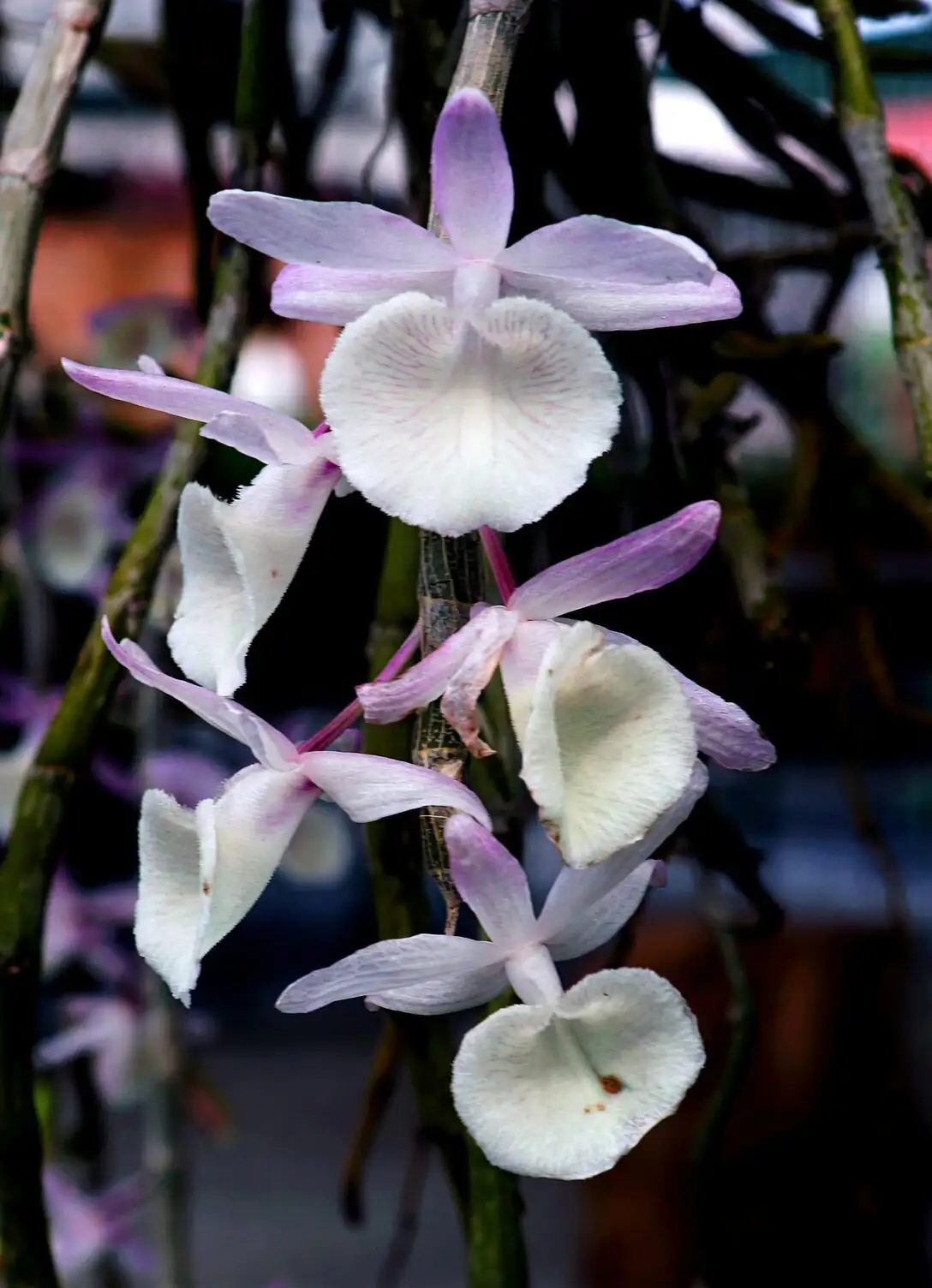
- Size: These orchids prefer snug quarters. For many home-grown plants, 12.5–15 cm (5–6 in) wide is typical; match the pot to the root mass, not the leaves.
- Shape: Standard or slightly squat orchid pots work well.
- Drainage: Lots of holes or slotted sides; either clear or opaque pots are fine—what matters most is airflow and fast drainage.
- Don’t oversize: A bigger pot stays wet in the center and invites rot. A new division should fit comfortably with just 1–2 years of growth ahead.
H2: Repotting every 1–2 years—without stalling growth
Best timing
- Time it with new growth: Just before or as you see fresh root nubs at the base of the latest pseudobulbs (commonly spring; many growers target late April to mid-May). Fresh roots will colonize the new mix quickly.
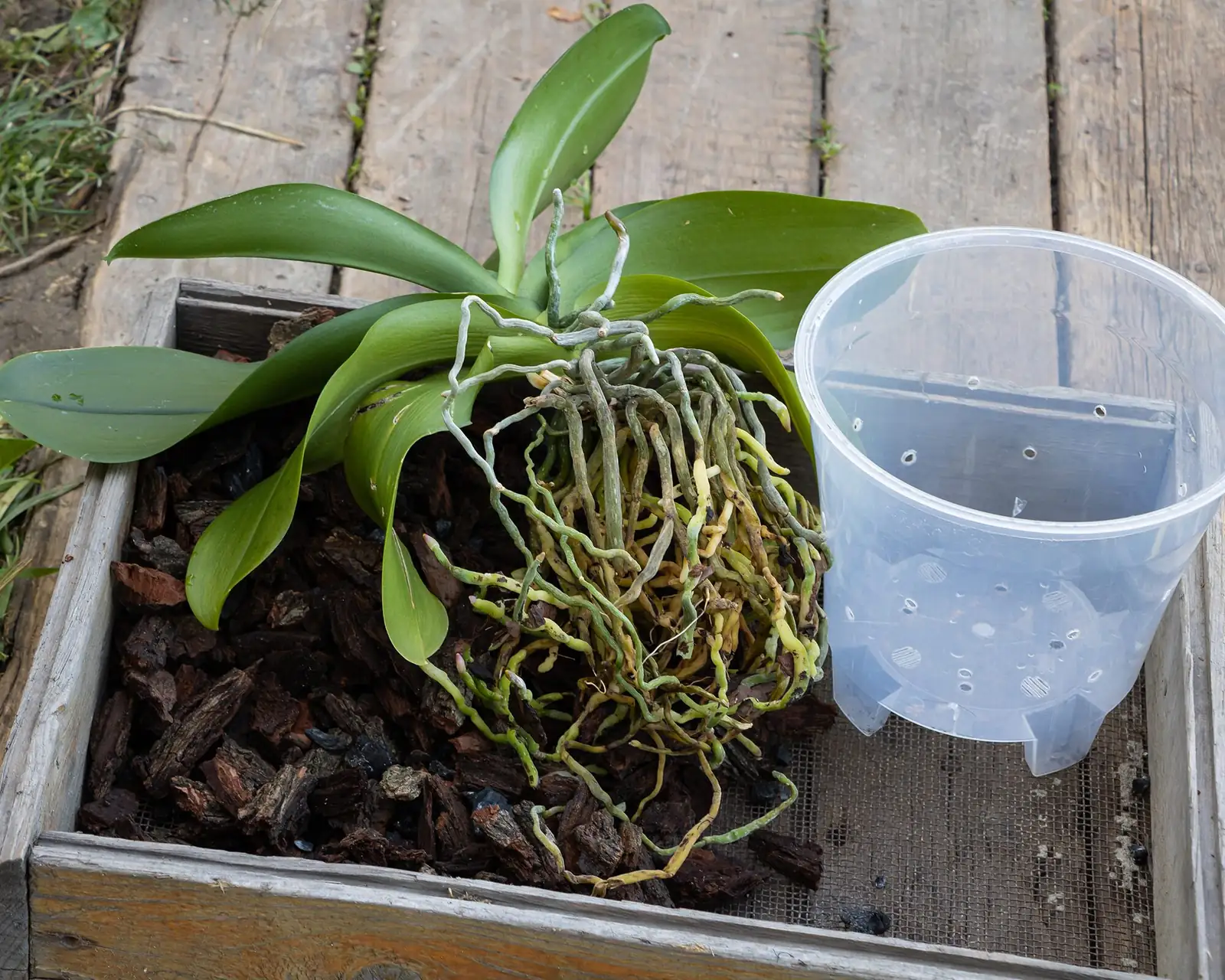
Step-by-step
1) Unpot gently and shake away old mix. If the bark is mushy or sour-smelling, remove it all.
2) Trim only dead/black roots. Keep live, firm roots. Sterilize tools between cuts.
3) Dividing? Give each division 3–4 healthy pseudobulbs for quickest recovery. Smaller pieces can work in expert, stable conditions but rebound slower.
4) Position the rhizome slightly off-center with room for new growth to advance into fresh mix. Do not bury pseudobulbs.
5) Fill with your chosen mix, tapping to settle but never compacting tightly. You’re aiming for airy contact, not a brick.
6) Stake loosely if wobbly; movement damages new root tips.
Aftercare that prevents stalls
- Light and shade: Keep bright but a notch shadier than usual for 1–2 weeks.
- Water: Mist lightly for a week; delay heavy soaking 7–10 days so cuts callus. Then resume your normal “thorough water, then approach dryness” rhythm.
- Feeding: Hold fertilizer for 2–3 weeks, then resume light feeding during active growth.
- Airflow: Gentle movement helps wounds dry and reduces rot.
H2: Watering, feeding, and flushing salts
Watering rhythm
- Active growth/bud and bloom: Water thoroughly and let excess drain. Rewater when the top of the mix is approaching dryness—don’t let it stay bone-dry for long, or buds may yellow and drop.
- Heat of summer: Outdoors can mean watering about every 2 days; indoors often 2–3 times per week, depending on your mix and pot size.
- Winter slowdown: Strongly reduce. Keep barely moist to prevent severe shriveling; if temperatures dip below ~10°C (50°F), keep very dry or stop watering to prevent rot.
Fertilizer
- During active growth (roughly March–October): A balanced orchid fertilizer at low strength every 2 weeks, or about 1/4 strength every 2–3 waterings.
- Pause or reduce when in full bloom and during the cool winter rest.
Flushing salts (your root-saving habit)
- Why: Fertilizer and hard water leave salts that burn root tips, especially where sphagnum is present.
- How: Every 3–4 weeks (or every 4–5th watering), run plain, low-mineral water—rain, distilled, or RO—through the pot with 3–4 times the pot’s volume. Let it drain completely. Resume feeding next time.
- Extra cues to flush now: White crust on media or pot rim, slow growth despite “OK” watering, or leaf-tip burn.
H2: How to spot mix breakdown before the roots protest
Repot promptly if you notice:
- Bark turning mushy, compacted, or sour-smelling
- Green slime/algae mats or persistent sogginess in the center
- Roots black and mushy rather than tan/silver and firm
- The pot stays wet far longer than it used to
- White salt crust or unusual leaf-tip dieback
- Pseudobulbs wrinkling even though you’re watering
Most Oncidium appreciate fresh, airy media about every 1–2 years. Don’t wait for a crisis—proactive repotting is kinder to roots and keeps bloom cycles reliable.
H2: Light, temperature, and humidity—quick tune-up
- Light: Bright, filtered light to gentle part sun. Indoors, an east window is orchid gold; a lightly shaded south/west window also works. Avoid harsh midday scorch.
- Temperature: Aim for days in the comfortable room range and cooler nights; keep above ~8°C (46°F) in winter. If you must go cooler than ~10°C (50°F), keep the plant much drier.
- Humidity: Target 40–60% with good airflow. Pebble tray (pot above waterline), a small humidifier, and morning-only misting can help.
H2: Troubleshooting: fast answers
- Buds yellowing and dropping: Irregular drought during spike/bud stage, sudden light/temperature swings, or very dry air. Keep a steadier moisture rhythm and 40–60% humidity with airflow.
- Pseudobulbs wrinkling: Underwatering, root damage/rot, or very dry air. Check roots and refresh the mix; then water more consistently during growth.
- Spike flopping: Stake gently once spikes reach 30–40 cm (12–16 in).
- Pests: Scale, mealybugs, spider mites, aphids. Treat early with insecticidal soap or horticultural oil labeled safe for orchids; improve airflow and keep leaves dry overnight.
H2: Safety and pets
Generally considered non-toxic to people, cats, and dogs. Still, discourage nibbling—chewing any plant can cause mild stomach upset.
H2: Flower language and meaning (a quick, honest take)
The “Dancing Lady” look—skirts flaring, arms wide—has long linked Oncidium with joy, celebration, and lively elegance in modern floristry. Unlike ancient symbolic systems, this association is mostly contemporary and visual: the exuberant sprays read as festive and lighthearted. Gift one to mark wins, new beginnings, or any moment that calls for cheerful energy.
H2: Your evergreen repot-and-bloom plan
- Use an airy, fast-draining mix built on fine–medium bark with perlite and charcoal; add sphagnum in wisps to match your drying speed.
- Pick a snug pot (often 5–6 inches for home plants) with excellent drainage.
- Time repotting to new root nubs; divide only into strong sections of 3–4 pseudobulbs.
- After repotting, shade slightly and go easy on water for 1–2 weeks.
- Water thoroughly, then wait until the mix approaches dryness; never swing from soggy to desert-dry for long.
- Feed lightly in growth, reduce in bloom and in winter.
- Flush salts with plain water monthly.
- Refresh the mix every 1–2 years—or sooner if it breaks down.
Do these well, and your Oncidium will answer with buoyant sprays that really do look like a chorus line—proof that the right “stage” brings out the best performance.