Unveiling the Charm of Garden Balsam: A Cottage Garden Marvel
Imagine a garden where vibrant camellia-like blooms dance alongside a rustic picket fence, creating a scene straight out of a storybook. Welcome to the enchanting world of Garden Balsam (Impatiens balsamina L.), a quintessentially cottage-garden plant that brings both color and charisma to any landscape. Native to the warm regions of India, Myanmar, China, and Malaysia, this charming annual is a testament to nature’s exuberance and resilience.
A Kaleidoscope of Color and Texture
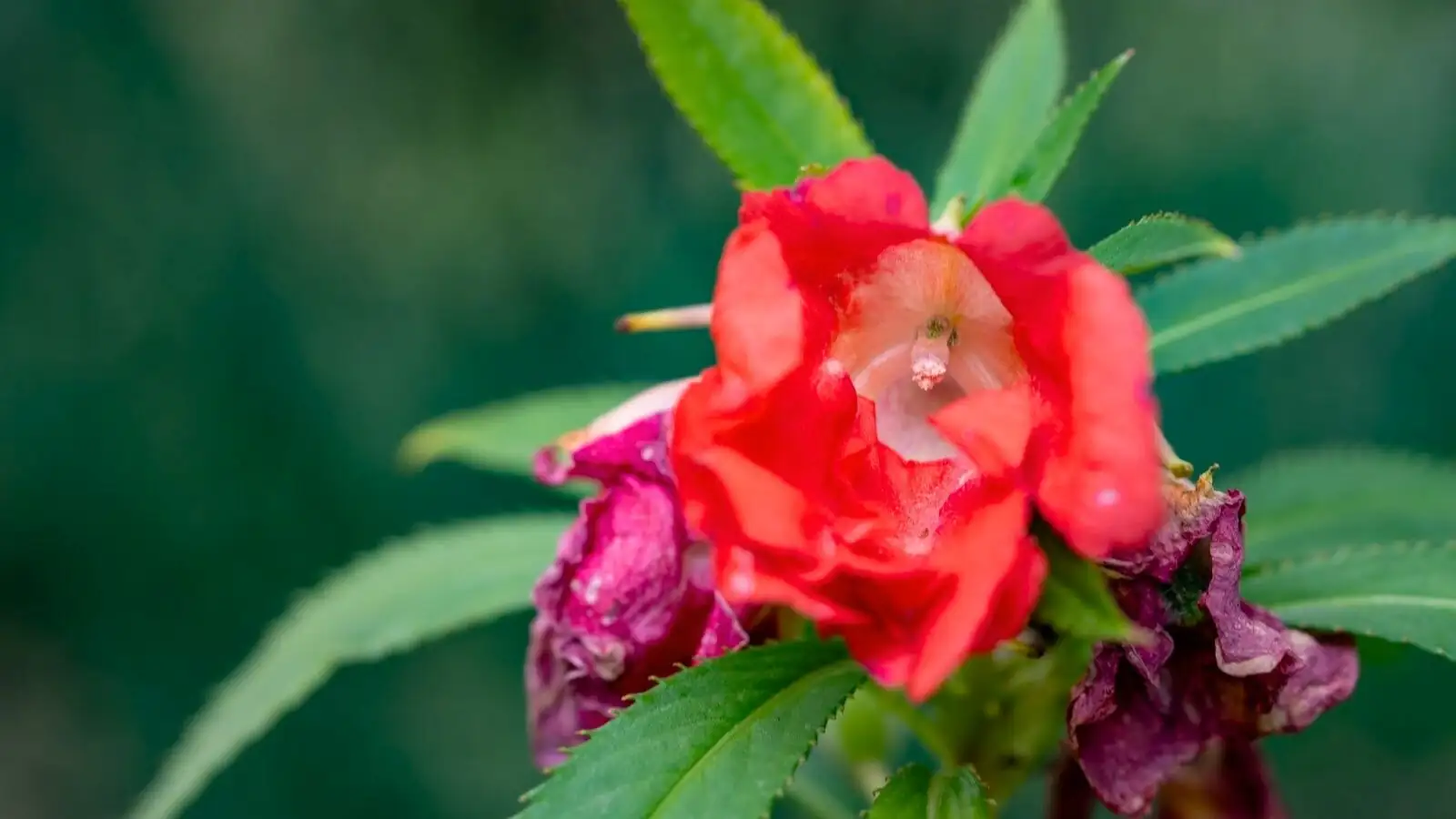
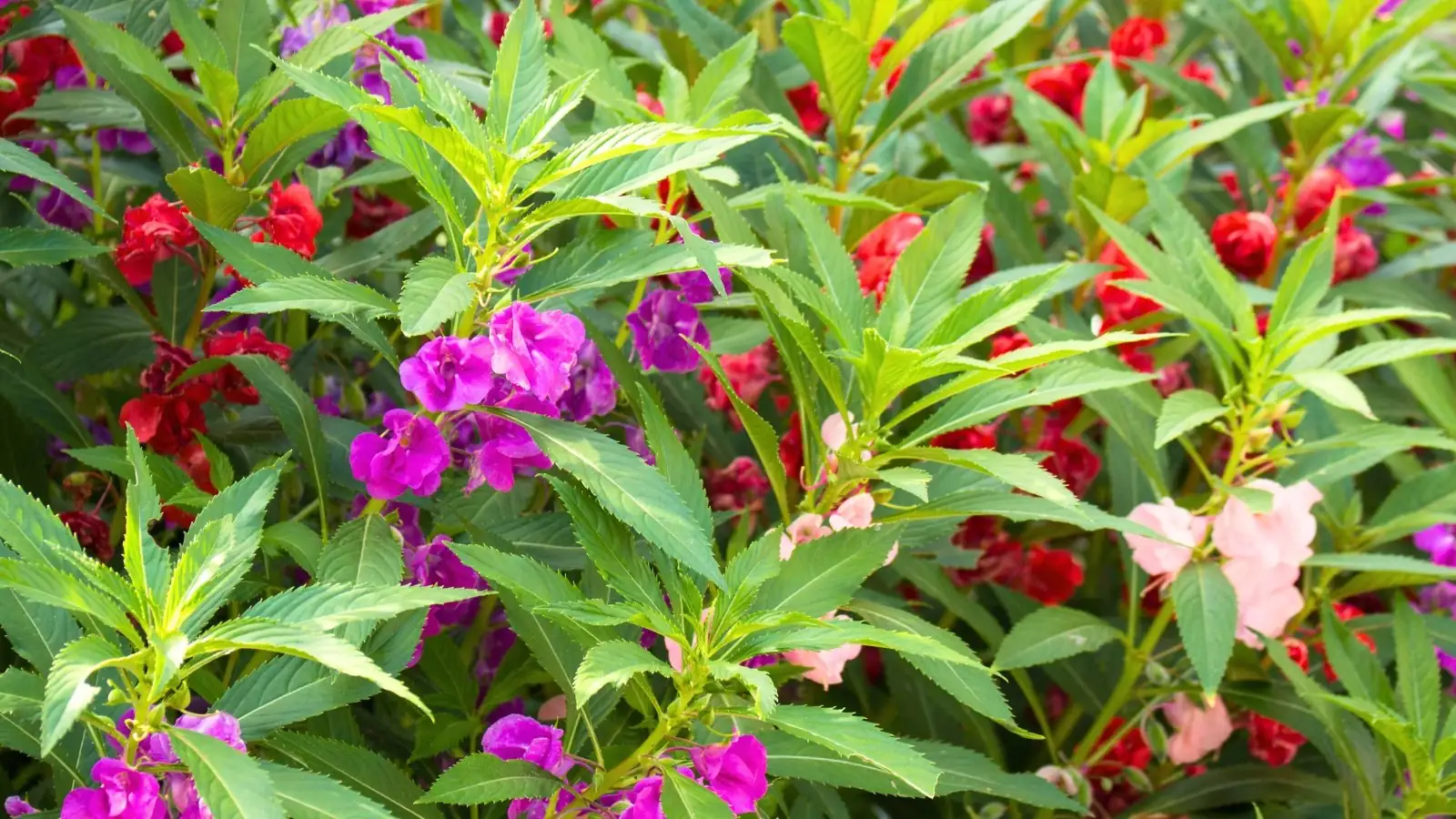
Garden Balsam is a celebration of hues, with its ruffled blooms painting a canvas in shades of pink, red, purple, and white. These flowers, often appearing like miniature pompoms, nestle snugly in the leaf axils against the plant’s succulent stems. It’s no wonder that garden balsam is a favorite in cottage gardens — its bright display is a beacon for pollinators like bees and butterflies, adding life and movement to the garden.
Designing Your Cottage Garden with Garden Balsam
Romantic Touches
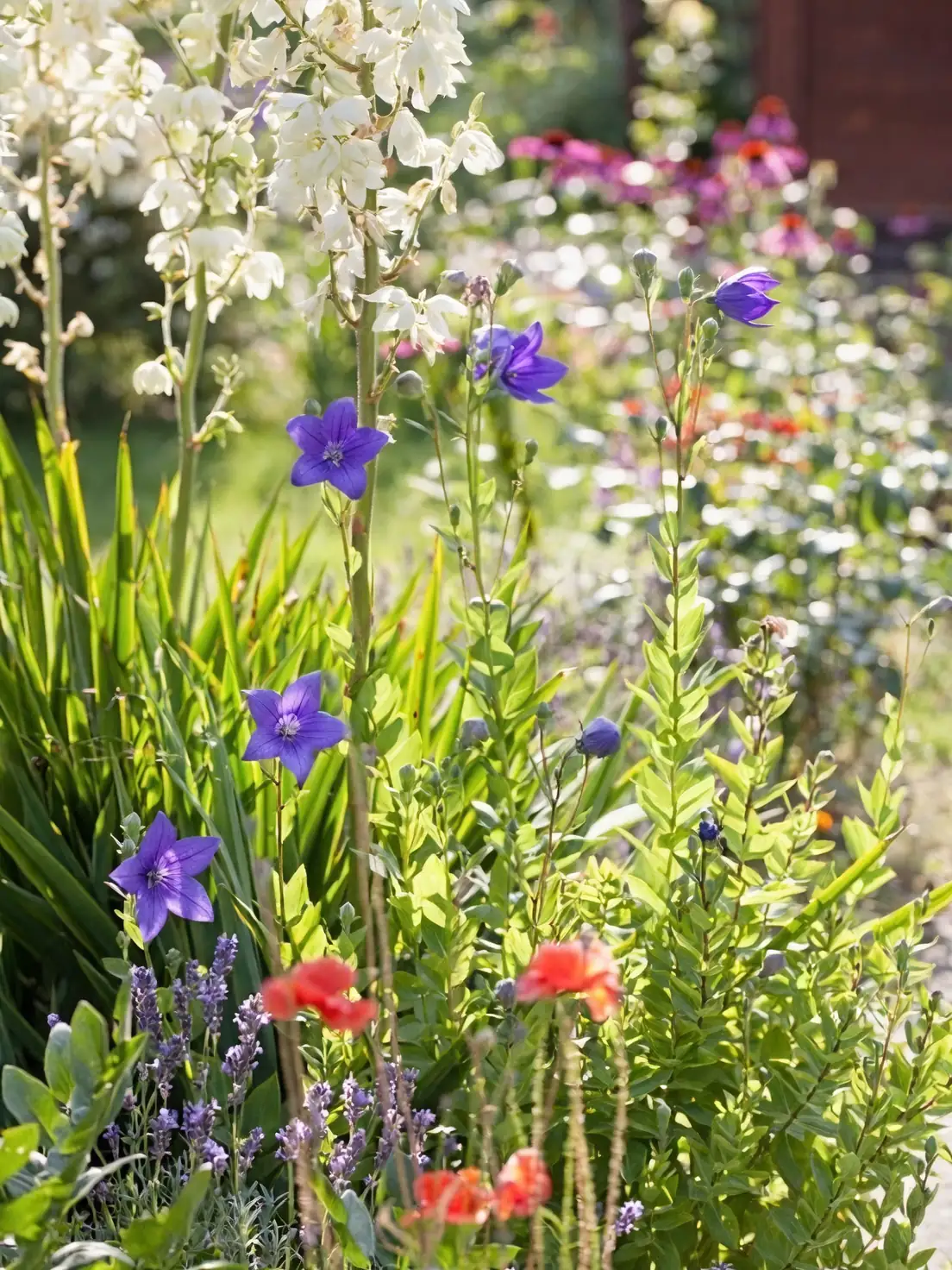
Garden Balsam’s old-fashioned charm is perfectly suited for a romantic cottage garden. Pair it with fragrant roses, lush peonies, and airy lilacs to create a sensory haven. The plant’s upright, branching habit complements the traditional cottage garden aesthetic, where a profusion of blooms and textures reign supreme.
Enclosure and Structure
Cottage gardens often evoke intimacy, with plants overflowing within well-defined boundaries. Consider using a classic picket fence to enclose your garden balsam beds. The fence not only adds structure but also provides a backdrop that highlights the vibrant colors of balsam flowers. For a twist, try painting your fence in a soft pastel shade to enhance the romantic atmosphere.
Caring for Garden Balsam: Simple Yet Rewarding
Light and Soil Requirements
Garden balsam thrives in full sun to part shade, needing about 4–6 hours of direct sunlight daily. In hotter climates, some afternoon shade helps keep the plants lively and blooming. Plant them in fertile, well-drained soil that retains moisture, and remember — consistency is key to maintaining their long-lasting blooms.

Watering and Fertilization
Keep the soil consistently moist, especially during the peak growing season. In containers, check daily and water when necessary to prevent wilting. A slow-release granular fertilizer applied when seedlings are established will keep your balsam flourishing. For those in pots, a balanced liquid fertilizer twice a month will ensure a continuous floral display.
Fun with Seed Pods: Nature’s Little Firecrackers
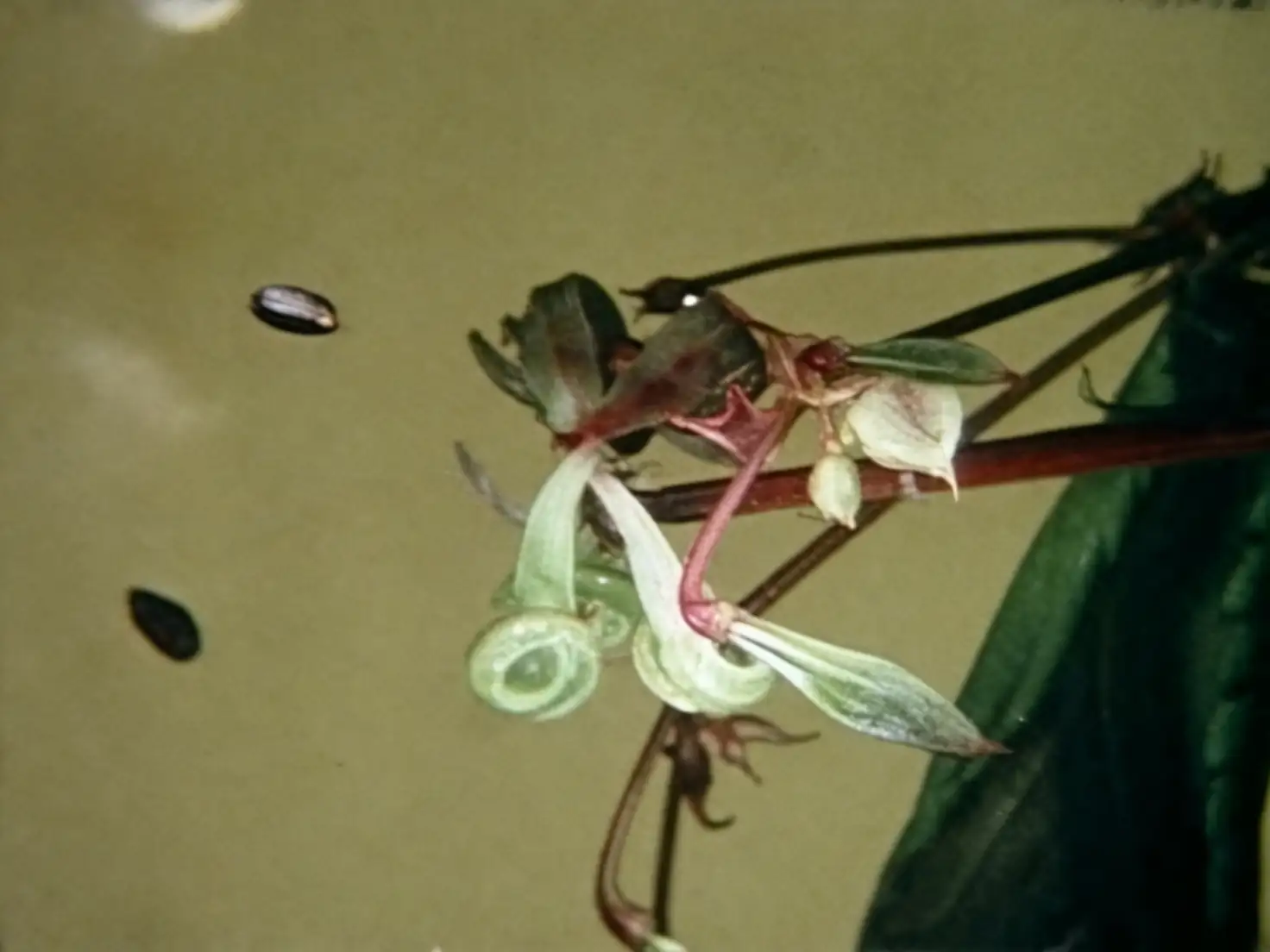
One of the most delightful features of garden balsam is its explosive seed pods, which burst with a simple touch. This playful mechanism is not just a quirky trait but also an efficient way for the plant to self-sow and return each year. This habit is why the plant is affectionately known as “touch-me-not.”
Symbolism and Tradition
In the Victorian language of flowers, garden balsam symbolizes ardent love and heartfelt emotion. Its swift seed dispersal also ties it to “impatience,” a nod to its botanical name Impatiens. Beyond symbolism, in various Asian cultures, garden balsam has been used as a natural dye for nails and textiles, adding a cultural richness to its beauty.
Bringing It All Together
Whether you’re cultivating a new garden or enhancing an existing one, garden balsam is a versatile and rewarding choice. Its vibrant blooms, ease of care, and charming character make it a standout feature in any cottage-style landscape. So, why not let this heirloom favorite add a splash of color and a touch of whimsy to your garden? After all, every garden deserves a hint of magic, and garden balsam is just the plant to provide it.