

Discovering the Quirky Charm of Balloon Flowers
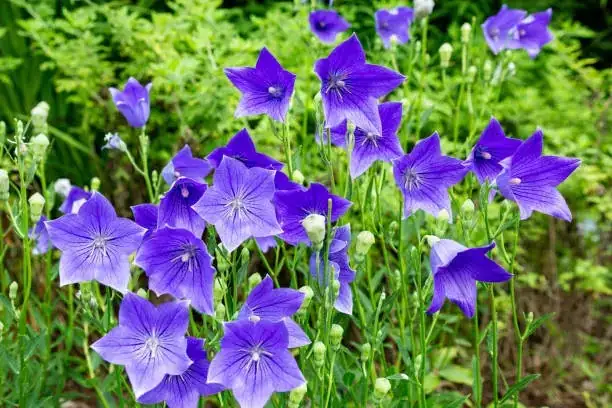
Imagine strolling through a summer garden, your eyes caught by a peculiar sight: plump, balloon-like buds perched atop slender stems, just waiting to burst open into brilliant stars. Welcome to the whimsical world of the Balloon Flower, or Platycodon grandiflorus, a perennial favorite native to the enchanting landscapes of East Asia.
The Magic of Ballooning Buds
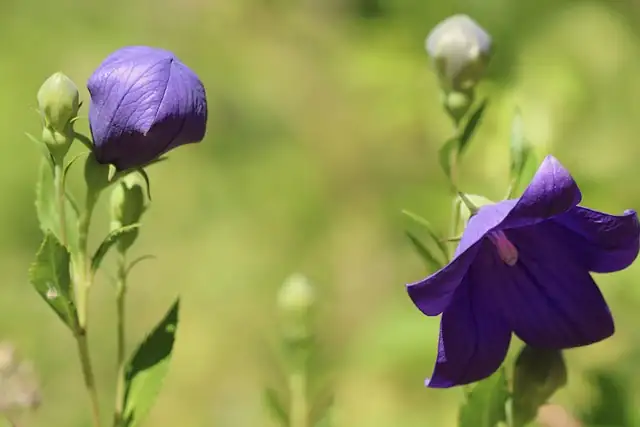
Have you ever wondered why these flowers get the playful name “Balloon Flower”? It’s all about the dramatic transformation they undergo. Picture this: tightly wrapped buds swelling like balloons, a gentle tease of the spectacular show to come. And then—pop!—they unfurl almost overnight into exquisite five-pointed stars. The spectacle is as if nature herself is throwing a surprise party in your garden!
A Palette of Stars
While the classic hue of the Balloon Flower is a rich blue-violet, you’ll also stumble upon delightful white and pink variations. These starry blossoms measure about 4–6 cm across, a perfect size to add visual intrigue without overwhelming their companions in the garden. Their unique calyx, with a bell-like shape and slight powdery appearance, adds an extra layer of texture, making them a standout in any floral ensemble.
Unfussy Yet Fussy
In the realm of gardening, the Balloon Flower walks a fine line between being delightfully easygoing and stubbornly particular. Once settled into a sunny or partially shaded spot with well-drained, loamy soil, they require little more than occasional watering and a dash of fertilizer to flourish. But beware! Their deep taproot makes them slightly grumpy about being moved. So, plant them where they can stay put and watch them return year after year, a reliable perennial presence.
A Cultural Icon
Beyond their visual appeal, Balloon Flowers carry stories and traditions from their native lands. In Japan, they’re known as Kikyo and are woven into crests and folklore, often symbolizing honest feelings and steadfast devotion. The five-pointed star shape is auspicious, evoking the five senses or elements. Meanwhile, in Korea and China, the roots of Platycodon grandiflorus play a significant role in traditional medicine and cuisine, illustrating the plant’s culinary and healing versatility.
Growing Your Own Balloon Flowers
If you’re eager to introduce these charming plants to your garden, start with healthy seedlings or fresh seeds (germination rates dwindle with age). Enjoy watching your Balloon Flowers thrive in USDA Zones 3–8, where they’re hardy enough to survive harsh winters, only to reemerge in spring. For an extra flourish, consider using these plants in rock gardens or alongside garden paths, where their quirky buds and starry blooms can be admired up close.
During the summer bloom, deadheading spent flowers not only keeps the garden tidy but encourages a more bountiful display. And should your Balloon Flower grow a bit too tall for its liking, a mid-spring trim can promote a bushier, sturdier form.
Care Tips at a Glance
- Sunlight: Full sun to partial shade
- Soil: Rich, well-drained, slightly acidic to neutral
- Watering: Moderate; increase during dry spells
- Fertilization: Balanced, with a focus on phosphorus as buds form
- Pruning: Deadhead and cut back as needed for shape and vigor
A Plant with Personality
There’s something undeniably charming about the Balloon Flower. Perhaps it’s the delightful surprise of its blooming process or its enduring presence across seasons and cultures. Whatever the allure, one thing is certain: these quirky plants will make a delightful addition to any garden, offering both beauty and a touch of whimsy. So, why not invite a bit of this botanical magic into your own green space?


