

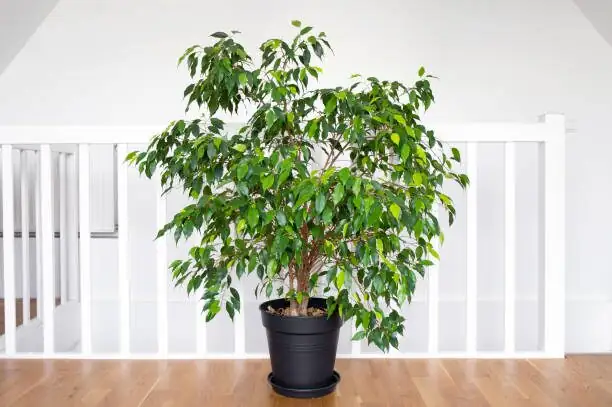
If you’ve ever watched a Weeping Fig throw a dramatic leaf-drop after a move, you know Ficus benjamina can be particular. The good news: with a smart placement plan and gentle acclimation, it turns from finicky to fabulous—glossy, graceful, and reliably green. Here’s your season-by-season playbook for where to put it, when to shift it, and how to avoid shock.
Meet your plant: the elegant, expressive Weeping Fig
- Scientific name: Ficus benjamina (Moraceae)
- Also called: Weeping Fig, Benjamin Fig, Ficus Tree
- Native range: Tropical and subtropical Asia and northern Australia
- Personality: Evergreen, naturally arching and weeping; easily styled—from tidy indoor trees to bonsai-like forms
- Quirk to know: It “talks” with its leaves—sudden changes, cold, or drought often trigger drop. Steady conditions bring steady growth.
The placement playbook
Spring–summer: Bright, filtered outdoor light
Think dappled sunshine under a tree canopy or the soft glow behind a sheer curtain outdoors.
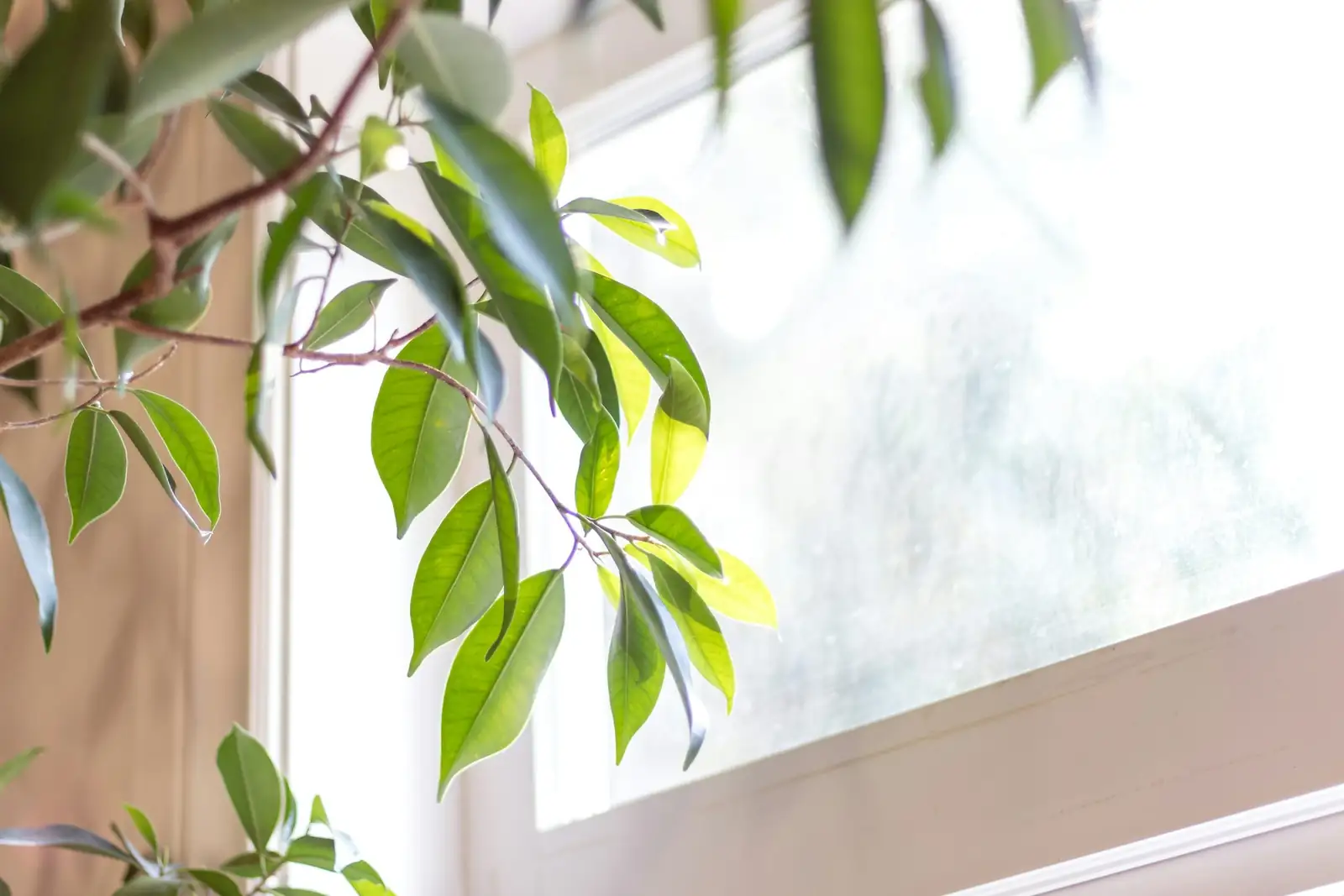
- Best spots: A sheltered balcony, patio, or courtyard with bright, indirect light. Morning sun is fine; shield from harsh midday rays.
- Wind + weather: Protect from strong gusts and sudden chills. It thrives around 20–25°C (68–77°F) and can handle temps above 30°C (86°F) if watering keeps pace. Avoid any dip near 5°C (41°F).
- Watering rhythm: During active growth, keep the mix evenly moist—never soggy. In summer, many plants need water every 2–3 days (adjust for pot size, light, and heat). An occasional thorough soak is fine if excess drains away.
- Feeding: About every 10 days in the growing season with a balanced houseplant fertilizer (one option used for potted plants is 15‑15‑30). Pause or reduce as autumn approaches.
- Humidity: Loves moderate to high humidity (around 60–70%). Misting on warm days helps support new foliage.
Autumn: The gentle glide indoors
Don’t wait for the first cold snap—start the move before nights cool.
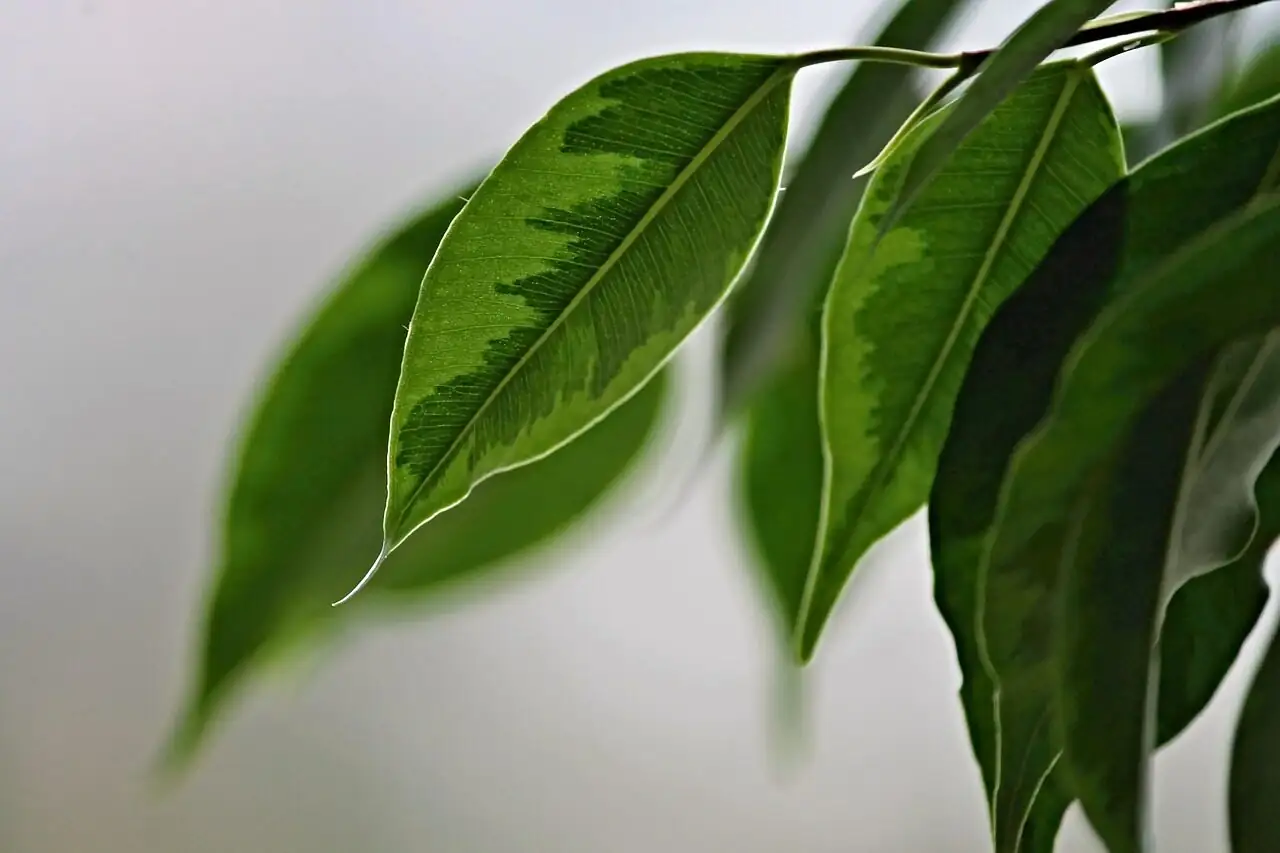
- Two-step shift: Relocate from brightest outdoor shade to a slightly dimmer, protected spot for a week, then move inside to bright windows. This buffers the drop in light.
- Clean and check: Rinse or wipe leaves, and inspect for spider mites or other hitchhikers before the homecoming.
Winter: Bright windows, absolutely draft-free
- Light: Park it near a bright window—east, south, or west—with filtered sun. It tolerates medium indoor light, but bright is best for holding leaves and form.
- Temperature: Aim for a steady 13–16°C (55–61°F). Keep well above 10°C (50°F) to avoid yellowing and stalled growth; never allow exposure near 5°C (41°F).
- Draft patrol: Avoid cold entryways, leaky windows, and hot blasts from heaters. A steady microclimate is your best anti–leaf-drop ally.
- Watering: Cut back—roughly once every 10 days, depending on light and room warmth. Let the top layer begin to dry, then water thoroughly and drain. Mist if indoor air is dry.
- Humidity: Target 60–70% with a humidifier, pebble tray, or plant grouping.
Acclimation: A simple, shock‑free method
Moving outdoors in spring (about 10–14 days)
- Days 1–3: Bright shade (no direct sun). Observe—leaves should stay glossy and firm.
- Days 4–7: Introduce very gentle morning sun (30–60 minutes), otherwise filtered light.
- Days 8–14: Extend to 1–2 hours of soft morning sun if desired, but keep midday sun filtered. Maintain shelter from wind.
Coming back indoors in autumn (about 10–14 days)
- Days 1–3: Shift from your brightest outdoor spot to a more protected, slightly dimmer area outside.
- Days 4–7: Move to the brightest indoor window with a sheer curtain. Avoid blasts from vents or doors.
- Days 8–14: Hold position. Rotate a quarter turn weekly so all sides adapt evenly.
Pro tip: Any big change in light, temperature, or watering schedule can cue leaf drop. Smaller, slower adjustments beat big swings every time.
Water and feeding, simplified
- Growing season: Keep soil slightly moist. More harm comes from letting it bone-dry than from being a touch moist. Never let the pot sit in standing water.
- Summer cadence: Often every 2–3 days, tailored to heat, light, and pot size.
- Winter cadence: About every 10 days, with careful drainage.
- Fertilizer: Every 10 days in spring–summer with a balanced houseplant formula; scale back in autumn and pause or lighten in winter.
Signs to watch:
- Mix dried too far: Leaf drop; shoot tips can blacken.
- Chronic chill (below ~10°C/50°F): Yellowing and slowed growth.
The right pot and mix
- Soil: Loose, well-aerated, and free-draining—houseplant mix blended with coarse sand or perlite works well.
- Repotting:
- Smaller plants: Each spring into a 15–20 cm (5.9–7.9 in) pot as needed.
- Larger specimens (often ~30 cm / 11.8 in pots): Every 2 years.
- Drainage first: A pot with a generous drainage hole is non-negotiable.

Shaping that signature weep
- Prune during strong growth to maintain a full, graceful silhouette.
- Remove weak, dead, or crowded branches to boost light and airflow.
- Style options: Single trunk, braided stems, or bonsai-like forms—Ficus benjamina is highly trainable.
Troubleshooting: decode the signals
- Sudden leaf drop:
- Common triggers: Droughted soil, cold drafts, temperature dips, very dry air, insufficient light, or abrupt moves.
- Fixes: Restore steady warmth (13–16°C/55–61°F in winter), raise humidity to 60–70%, provide bright filtered light, and water consistently.
- Pests (especially in dry indoor air): Spider mites leave stippling and fine webbing.
- Response: Increase humidity, then treat with insecticidal soap, horticultural oil, or an appropriate miticide. Repeat as directed.
- Leaf spot:
- Response: Improve airflow, avoid chronically wet foliage, and treat early with a suitable copper-based or broad-spectrum fungicide.
Safety note
The milky latex sap can irritate skin and eyes, and the plant is toxic to cats and dogs if chewed (drooling, vomiting, mouth irritation). Keep away from pets and children, and wear gloves when pruning.
Quick seasonal checklist
- Spring: Repot if needed; begin feeding; start outdoor acclimation to bright, filtered light.
- Summer: Maintain even moisture (often every 2–3 days); feed every 10 days; shelter from harsh midday sun.
- Autumn: Reduce feeding; begin the two-week transition back indoors; inspect and clean foliage.
- Winter: Bright, draft-free window; keep 13–16°C (55–61°F); water about every 10 days; boost humidity.
A final flourish: the quiet symbolism of a steady green
Weeping Fig often stands for resilience and steadiness—the living embodiment of “keep conditions calm, and I’ll reward you.” Its flowers are hidden inside tiny fig-like structures called syconia, so you won’t see blossoms; what you will see, under the right light and a thoughtful placement plan, is a serene, sculptural green presence that anchors a room year-round.