

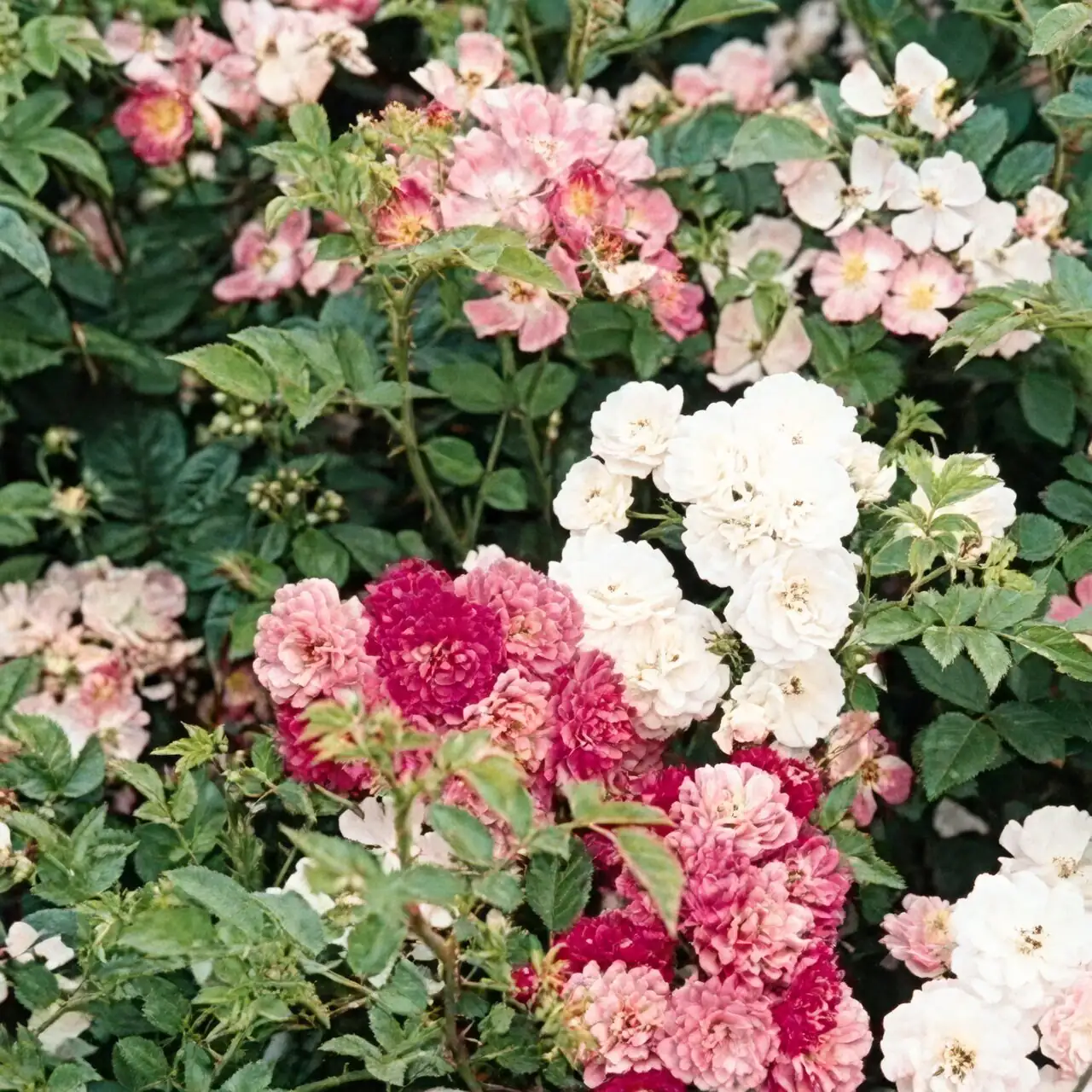
Rosa chinensis, the Chinese Rose, is a natural star of balconies and patios: compact enough for pots, generous enough to flower in repeat waves from late spring through autumn, and endlessly customizable in color and form. With a container-first plan—right pot, rich yet free‑draining mix, smart airflow, thoughtful trellising, and show‑stopping staging—you can choreograph nonstop bloom with minimal fuss.
Meet the plant that rewrote rose history
- Botanical profile: Rosa chinensis (Rosaceae), also called China Rose, Monthly Rose, and widely used in modern Garden Rose breeding.
- Origin story: Native to China and a key ancestor that gave the modern rose world its repeat-blooming habit.
- Habit and size: Woody shrub with prickly canes; forms range from miniature (20–60 cm) to bushy uprights and climbers; many garden forms mature around 60–150 cm in containers.
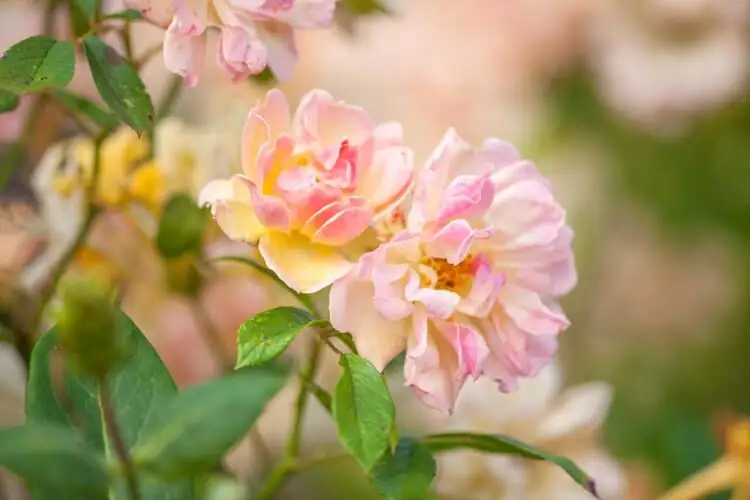
- Flowering: Long season, often fragrant, with singles to very doubles in reds, pinks, whites, yellows, oranges, and bicolors. Deadheading promptly keeps the parade going.
Design first: sun, air, and flow
Roses adore bright, open positions. Before pots and palettes, map the microclimate.
- Sun: Aim for 6–8+ hours of direct light. In very hot summers, give light afternoon shade to protect buds and petals from scorch.
- Airflow: Space containers so leaves don’t touch; stagger heights to let breezes pass through the canopy. Good ventilation is your best defense against powdery mildew and black spot.
- Placement: Outdoor patios, terraces, and balconies (south- or east-facing) are ideal. Reserve indoor spots for brief display only.
Containers that set you up for success
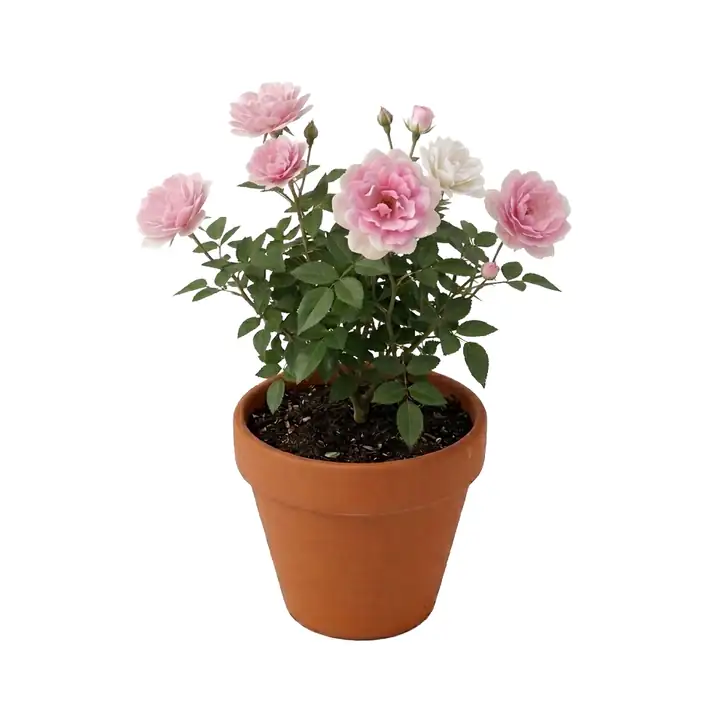
Pot size and stability
- Miniatures: Often happy in 10–15 cm (4–6 in) pots. Group several for jewel‑box color.
- Many patio/bush types: Commonly start well in about 15–18 cm (6–7 in) pots. Upsizing improves moisture buffering and stability.
- Climbers or vigorous shrubs: Choose your largest, heaviest container so the root zone is deep and the pot won’t tip once you add a trellis.
Tip: The larger the pot, the less often you’ll water and the cooler roots stay in summer.
Materials and mobility
- Glazed ceramic, concrete, or thick fiberglass: Great stability and moisture buffering—perfect for permanent displays or climbers with trellises.
- Terra-cotta: Breathable but dries quickly in wind; best where you can water reliably.
- Wood planters/barrels: Attractive and insulating; monitor for long‑term weathering.
- Plastic/resin: Lightweight and easy to reposition; anchor in windy sites.
- Add pot feet or wheels: Improves drainage and lets you rotate or slide plants for sun, shade, or a fresh look on show day.
Drainage details
- One generous drainage hole is non‑negotiable. Keep it clear; avoid blocking it with stones that can cause a perched water table.
- Use a saucer only if you’ll empty it after watering; standing water invites root stress.
The perfect rose mix: rich, airy, and alive
Chinese roses thrive in fertile, loose, free‑draining media that hold nutrients without staying soggy.
- Base blend (by feel, not strict ratios):
- Rich loam/compost or leaf mold for fertility and structure
- Coarse sand or perlite to boost aeration
- A scoop of well‑rotted manure or compost as a base amendment
- pH: Slightly acidic to neutral is ideal.
- Don’t use garden soil alone in pots; it compacts and suffocates roots.
Planting and repotting rhythm
- When: Repot annually in early winter or early spring to refresh mix and check roots; in-ground planting is best in autumn or early spring.
- How:
- Hydrate the plant before potting; loosen circling roots gently.
- Position at the same depth as before; backfill with the prepared mix.
- Water thoroughly to settle soil; top up if it sinks.
- Mulch lightly with compost to temper swings in moisture and heat.
- For grafted plants: Remove any rootstock suckers promptly.
Watering for vigor, not mildew
Water deeply and steadily; let the top 2–3 cm (about 1 in) dry slightly between waterings. Always water at the base to keep foliage dry.
- Spring: About once per week.
- Summer: About 2–3 times per week (more in heat or wind).
- Autumn: About once per week, tapering with cooler weather.
- Winter: Keep just barely moist during dormancy; don’t let the root ball fully dry.
Overwatering plus poor drainage = root troubles. Underwatering in summer = small buds and stalled flushes.
Feeding for nonstop bloom
Repeat bloomers are hungry bloomers.
- Active growth: Feed every ~2 weeks with a balanced rose fertilizer.
- During heavy flowering: Add 2–3 extra bloom‑leaning feeds higher in P and K.
- Early spring: Keep solutions mild to protect tender new roots.
- Late autumn: Reduce feeding so plants don’t push frost‑tender growth.
Pruning and grooming (container edition)
- Major pruning: Late winter to early spring, just before bud break. Remove dead, weak, crossing, and inward‑growing wood to open the center for airflow.
- After each flush: Deadhead back to just above a strong leaf (often a 5‑leaflet leaf) to trigger new shoots.
- For bigger individual blooms: Disbud side buds, leaving one per stem.
- Shape by type:
- Container shrubs: Keep around three strong main canes; many growers hard‑prune to ~15 cm (6 in) above the soil line.
- Miniatures: Thin and tip rather than heavy cutting to maintain a neat, flower‑dense dome.
Note: Avoid very early winter pruning that can prompt tender growth later hit by frost.
Training and trellising climbers and arching forms
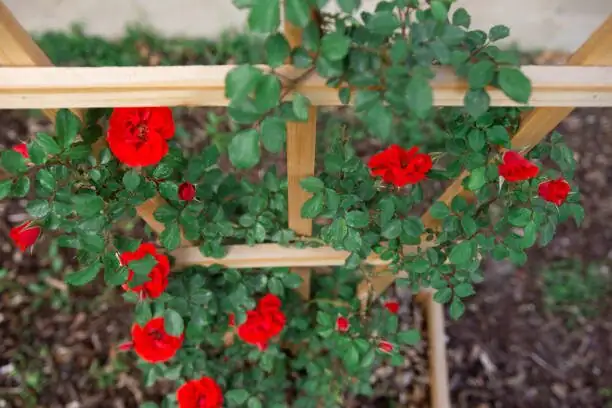
Climbers can be spectacular in containers with good support and balance.
- Build the backbone:
- Choose a sturdy trellis or obelisk and anchor it to the pot or behind the container.
- Use soft ties to secure canes in a gentle fan or spiral; horizontal or arched canes produce more flowering laterals.
- Stabilize the base:
- Heavy pots (glazed ceramic/concrete) resist tipping; add discreet weights if needed.
- Park the container against a wall or railing to deflect wind yet preserve airflow.
- Ongoing training:
- As new canes lengthen, tie loosely and space them for light and air.
- Pinch or lightly shorten laterals after flowering to keep the framework tidy.
Color pairing and display that reads from across the street
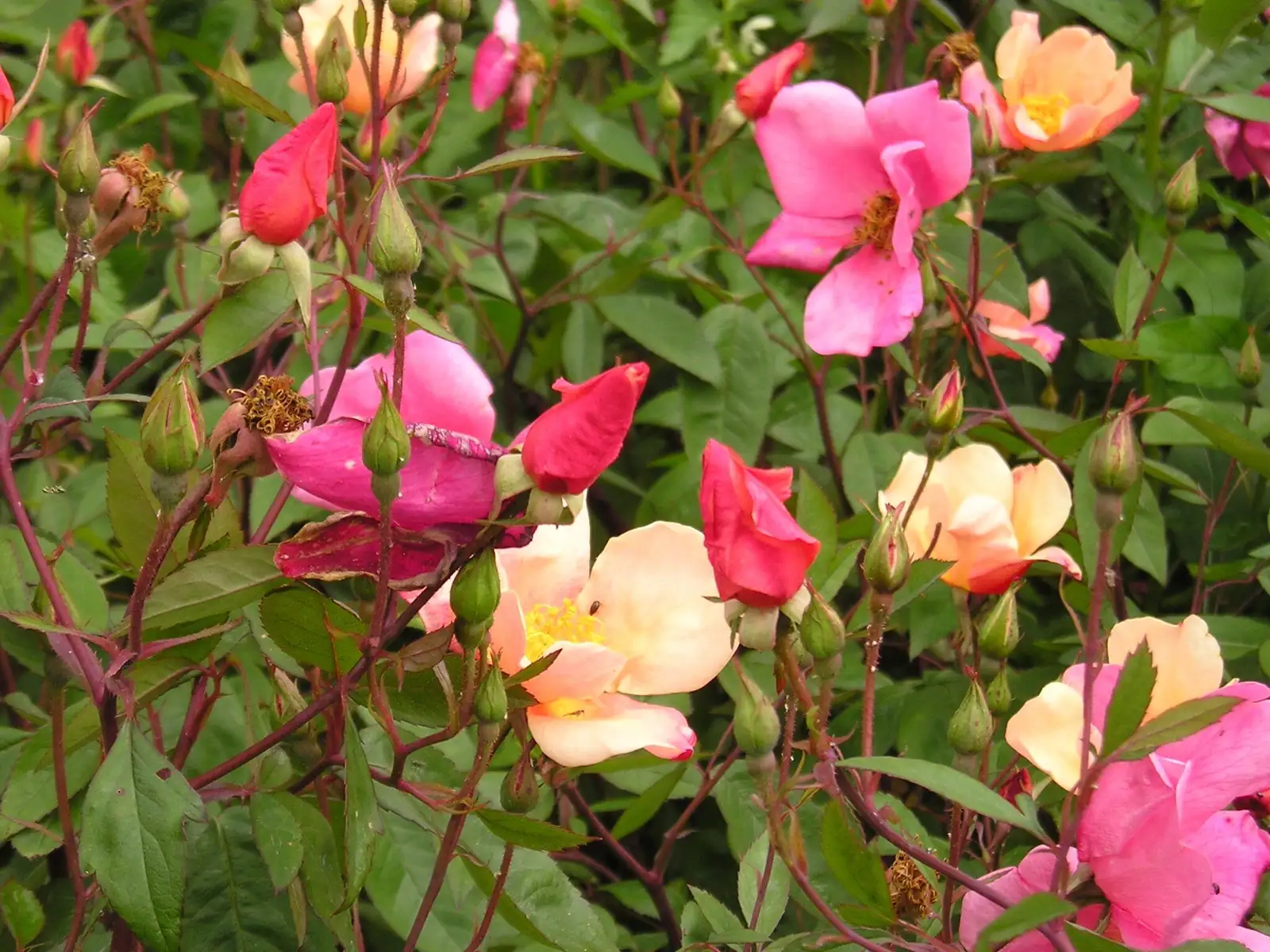
Roses give you the painter’s palette; your containers provide the frame.
Palette ideas
- High-drama duos: Crimson with creamy white; coral with apricot; magenta with soft blush.
- Cool calm: Lavender or soft pink with silvery pots and blue‑green foliage nearby.
- Sunlit warmth: Yellow, peach, and orange roses pop in charcoal or deep green containers.
- Bicolors as bridges: Use striped or blend cultivars to knit mixed hues together.
Staging miniatures vs. bush types
- Miniatures (front‑row jewelry):
- Cluster 3–5 minis in matching 10–15 cm pots on a low bench or rail shelf for a ribbon of color.
- Rotate “on‑stage” minis that are in peak flower to your prime viewing spot; rest off‑stage plants where they can regrow after deadheading.
- Bush types (the anchor pieces):
- Use a few bold containers to create height and structure behind the minis.
- Keep crowns just below eye level so you can enjoy fragrance without bending.
- Place on wheeled platforms for easy repositioning with the seasons or to dodge heatwaves and storms.
Pro tip: Stagger bloom timing by mixing early‑ and mid‑season cultivars and by feeding right after each flush—one pot peaks while another resets, keeping the overall display continuous.
Seasonal game plan for containers
- Spring
- Major pruning and repotting before vigorous growth.
- Begin gentle feeding as buds swell; scout for aphids and early mildew.
- Summer
- Water more often; feed regularly.
- Deadhead promptly; give light afternoon shade in extreme heat to reduce petal scorch.
- Keep foliage dry; maximize airflow to deter black spot/powdery mildew.
- Autumn
- Maintain steady moisture; continue light feeding early, then taper.
- Enjoy late flushes and keep up with grooming.
- Winter
- Many plants go dormant below ~5°C (41°F). Keep on the dry side without allowing complete dry‑out.
- In colder regions (often hardy around USDA 5–9, cultivar‑dependent), protect pots with mulch, wind shelter, or by moving close to a wall.
Quick troubleshooting
- Flowers crisp or fade fast in peak heat? Provide light afternoon shade and water early in the day.
- New shoots die back after winter? Pruning was likely too early; time major cuts just before spring bud break and protect during cold snaps.
- Spots or white film on leaves? Improve airflow, remove infected leaves fast, water at the base, and clean up fallen foliage. Consider labeled treatments if needed.
- Aphids, scale, or chewing pests? Start with hand removal or a strong water spray; encourage beneficial insects; use horticultural soap/oil or locally labeled controls as needed.
Cut‑flower tip
For best vase life (especially with red/pink blooms), harvest when the sepals have reflexed and the outer petals are just beginning to loosen—not when the flower is fully open.
Safety, buying, and placement notes
- Safety: Generally non‑toxic, but prickles can puncture; wear gloves and keep out of high‑traffic kid/pet zones.
- Buying: Choose plants with clean foliage and many plump buds just showing color; avoid heavy mildew or black spot. Place them in the sun the moment they’re home and keep the mix evenly moist (never soggy).
- Placement: Potted roses are far happier outdoors than indoors. Keep them where sun and airflow are abundant.
A brief note on “flower language”
Across cultures, roses speak of love, beauty, appreciation, and renewal. The Chinese Rose embodies “enduring affection” particularly well because it doesn’t bloom just once—it returns in flush after flush through the warm seasons. While bouquet color codes and gifting customs vary by region, the enduring theme is constancy made visible: the plant’s repeat‑flowering nature becomes a living metaphor for devotion renewed.
Propagation (for the curious)
- Stem cuttings root well in warm seasons: take 8–10 cm cuttings, keep a few small leaflets, insert 1/3–1/2 of the cutting into a clean, free‑draining medium (coarse sand, vermiculite, rockwool). Warmth (20–25°C) and high humidity with bright shade help; spring/summer roots in ~15 days, autumn in ~30 days. A brief dip in rooting hormone can boost success.
- Bud grafting and layering are also reliable options in warm weather.
With a container‑first plan—ample sun, a rich and airy mix, pots that fit the plant, and airflow that keeps leaves dry—Rosa chinensis becomes an effortless headliner. Add a trellis where needed, curate colors like a stylist, and stage minis with bush types for a rotating, months‑long show. Your patio just became a rose theater.