

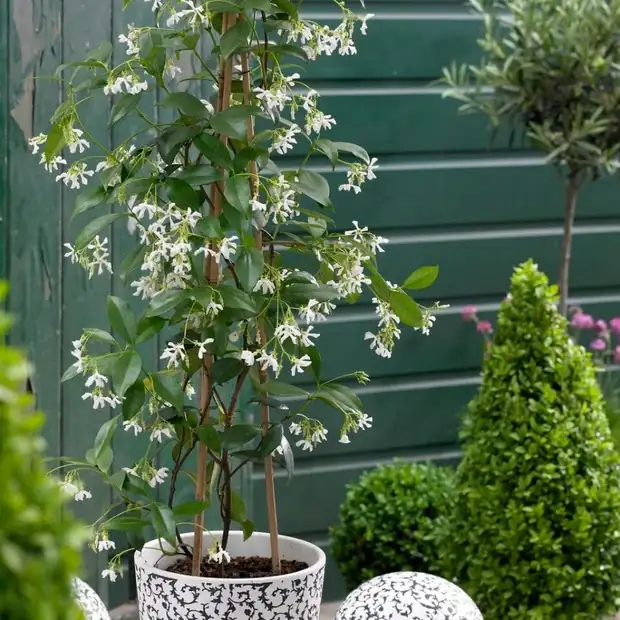
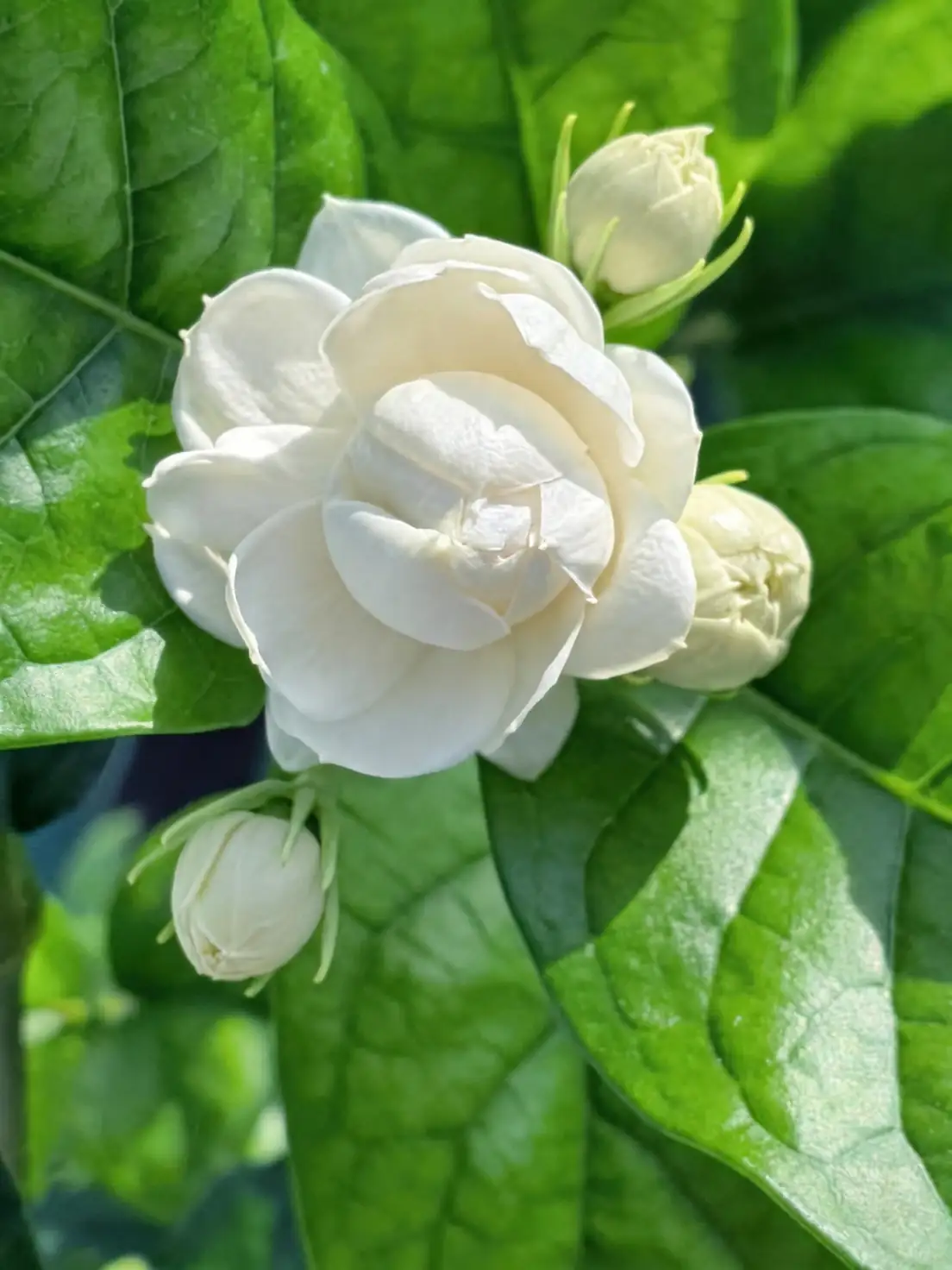
Arabian jasmine (Jasminum sambac) is the perfume note you can actually grow—glossy leaves, waxy white blooms, and a scent that deepens as evening settles in. It’s also fantastically adaptable: shape it into a compact, pinched shrub for a tabletop pot, or train it up a slim trellis to 1–3 m for a slender, fragrant column on a sunny balcony. Here’s how to merge good design with great horticulture—so your plant looks impeccable and blooms for months.
The Design Brief: Pot, Proportions, Placement
- Start pot size: 15–20 cm (6–8 in) diameter with strong drainage holes. This size balances root room with quick drying between waterings, which jasmine prefers.
- Material matters: Terracotta breathes (dries faster—great in humid areas). Glazed ceramic or plastic retains moisture longer (useful in hot, dry climates). Either is fine if you adjust your watering.
- Step-up strategy: Repot yearly in spring or right after a big bloom flush, increasing just 2.5–5 cm (1–2 in) each time. Oversized pots stay wet too long and stall bloom.
- Where it shines: A bright, airy balcony or a south-/west-facing window or sunroom. Give the plant “elbow room” from walls and railings so air can move around foliage.
Pro tip: Group a few medium containers instead of one huge trough. You’ll get better airflow, easier watering control, and flexible styling.
Sun and Air: Maximum Light Without Scorch
Jasminum sambac is sun-loving. For abundant buds and fragrance:
- Target 6–8+ hours of direct sun daily. Morning sun plus bright afternoon light is ideal.
- Acclimate to full sun over 10–14 days, especially if coming from a shaded shop or greenhouse.
- In extreme heat (consistent 35°C/95°F+ or high reflective heat from walls/glass), give light afternoon shade or a 30–40% shade cloth to prevent leaf scorch while keeping light levels high.
- Airflow is a bloom booster:
- Outdoors, leave 15–30 cm (6–12 in) clearance behind the plant and avoid tight corners.
- Indoors, crack a window on warm days or use a small oscillating fan to deter pests like spider mites.
Soil Architecture: A Responsive, Free-Draining Mix
Aim for rich but airy, slightly acidic to near-neutral (about pH 6.5–7.5).
- Reliable container recipe:
- 50–60% quality, humus-rich, loam-based potting mix
- 20–30% perlite or pumice for drainage
- 10–20% fine orchid bark (or coarse composted bark) for structure and oxygen
- Optional: a small handful of compost for gentle nutrition
- Avoid heavy, peaty mixes that slump and stay soggy. A light, springy texture helps roots breathe, which equals better flowering.
- Potting tip: Set your trellis before planting so you don’t disturb roots later.
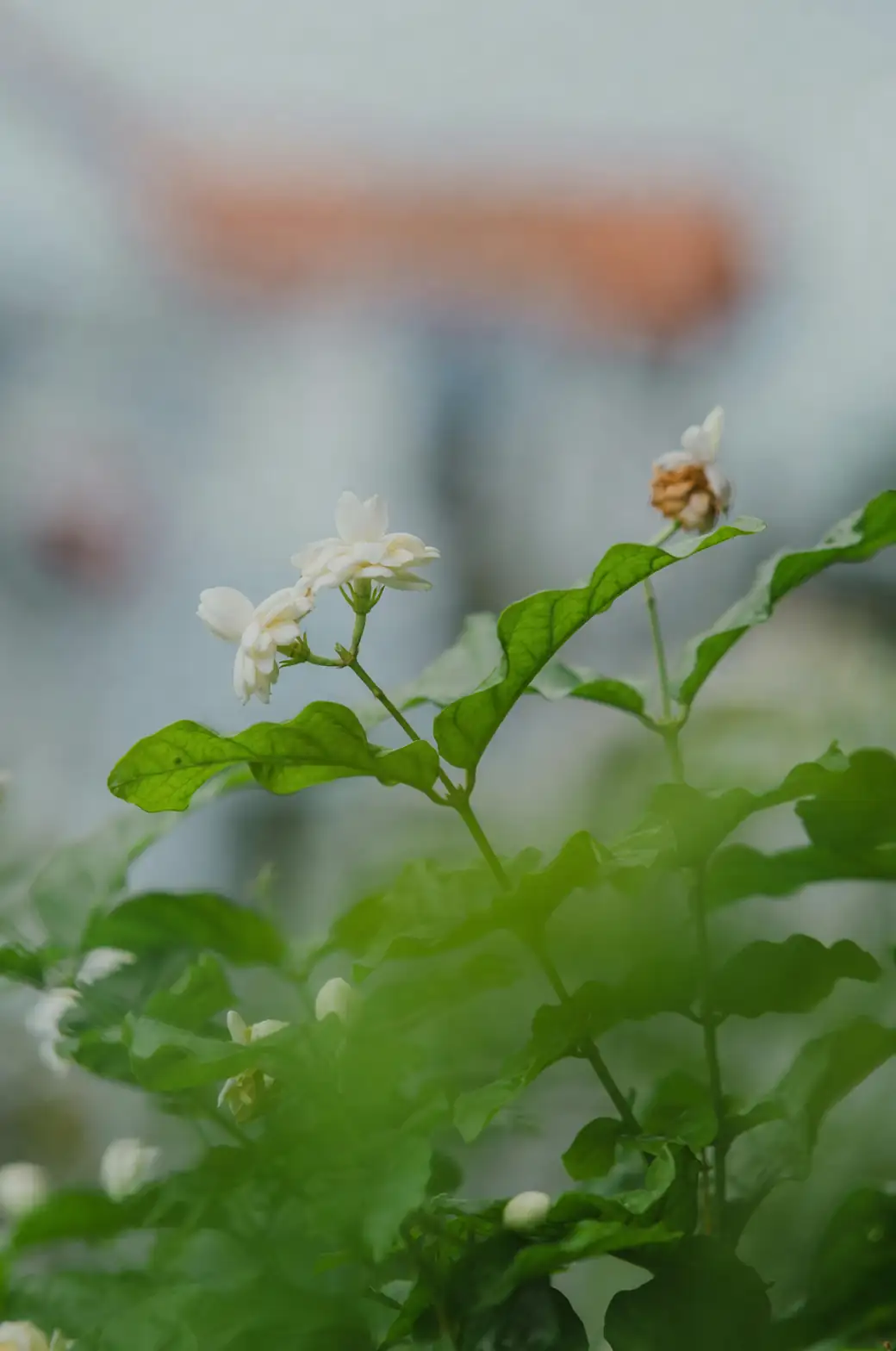
Water Like a Pro: Cadence in the Heat
Even moisture—not swings—is the secret to steady buds.
- The rule: Water thoroughly until excess drains. Then water again when the top 2–3 cm (about 1 in) of mix is dry.
- Summer cadence guide:
- Average warm weather: every 2–3 days
- Small pots (15–20 cm) or very bright, dry spots: often daily
- Extreme heat waves: some growers water morning and evening as needed
- Always empty saucers—roots dislike standing water.
- Smart hacks:
- Learn the “lift test”: pick up the pot; when it feels noticeably lighter, it’s time.
- Top-dress with 1–2 cm of fine bark to slow evaporation without sealing the surface.
- If a pot has dried too far, bottom-water briefly to rehydrate evenly, then resume normal top-watering.
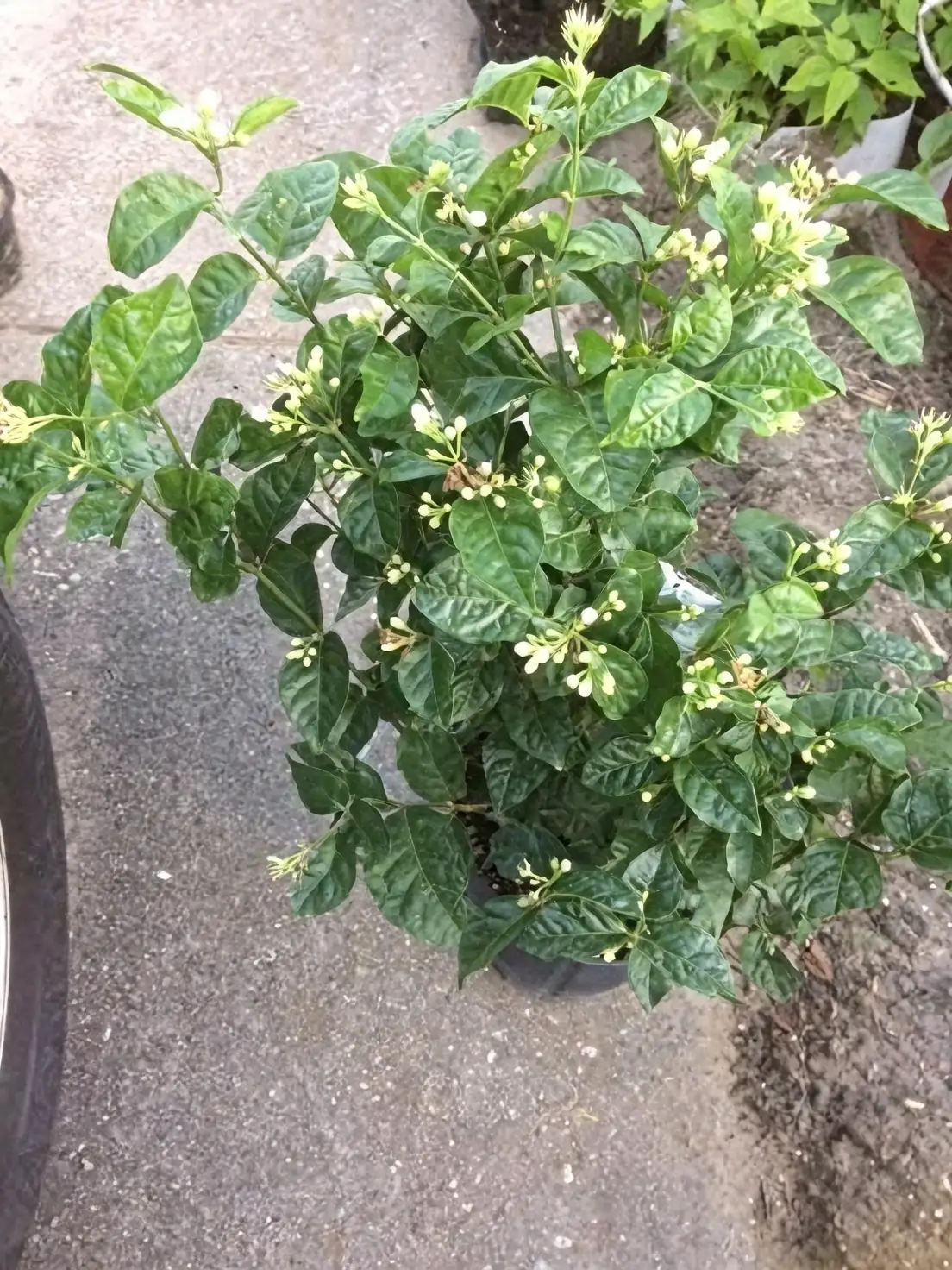
Feed for Flowers (Not Just Leaves)
- Growing season (spring through early fall): fertilize weekly to every 1–2 weeks with a balanced liquid feed.
- If bloom is shy, switch to a formula slightly higher in phosphorus/potassium and avoid excess nitrogen, which pushes foliage over buds.
- Advanced tip: Some experienced growers use a very light 0.2% urea foliar spray at early bud stage in the evening—use sparingly and discontinue if leaves spot or growth softens.
- Winter: brightest light, lighter watering, and pause or greatly reduce feeding.
Shape It: Pinching, Pruning, and Trellis Training
Jasminum sambac responds brilliantly to a “good haircut.”
Pinching for Bushiness
- Right after repotting in spring, pinch soft tips back to just above a leaf pair.
- Repeat light pinches every 3–4 weeks early in the season until the plant fills its space.
- Result: more lateral shoots, more bloom sites, denser form.
Post-Flush Pruning
- After a main bloom wave, prune back firmly to just above healthy nodes. This resets shape and triggers strong new growth—where the next buds form.
- Remove weak, crowded, or damaged stems anytime.
Trellis: Elegant Climbs to 1–3 m (3–10 ft)
- Choose a slim obelisk, fan trellis, or narrow grid to keep the silhouette vertical and refined.
- Training blueprint:
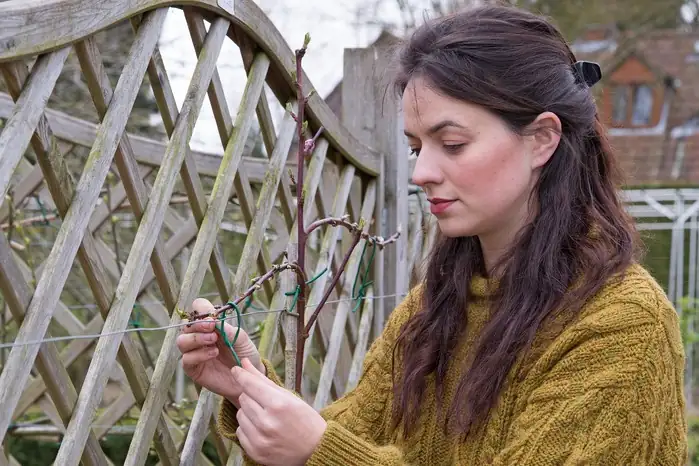
- Select 2–3 main leaders; tie loosely with soft plant ties.
- As each leader grows 30–40 cm (12–16 in), pinch the tip to spur side shoots (the flowering engines).
- Spiral leaders up an obelisk or fan them outward on a wall trellis for maximum lateral flowering wood.
- Balcony win: A 20–25 cm pot with a 1.2–1.5 m trellis creates a scent column that won’t hog floor space.
Seasonal Playbook
- Spring: Move to maximum light; repot if needed; begin regular feeding; start pinching.
- Summer: Full sun, abundant watering, consistent feeding; enjoy peak fragrance.
- Autumn: Maintain light and even moisture; prune after a big flush; prepare to bring indoors before nights drop below 10°C (50°F).
- Winter: Brightest possible window or sunroom; keep above 10°C (50°F) for reliable overwintering (brief dips to ~5°C/41°F risk damage); water lightly; little to no fertilizer.
Troubleshooting: Fast Fixes
- Few or no flowers: Not enough direct sun, too much nitrogen, skipped post-flush pruning, or drought swings. Increase sun (6–8+ hours), adjust feed, prune after flowering, and keep moisture steady.
- Yellowing leaves: Often nutrient stress or inconsistent watering; check drainage and resume balanced feeding.
- Leggy, pale growth: Light is too low—move brighter.
- Bud drop: Drought stress or root disturbance; stabilize watering.
- Pests: Spider mites, aphids, whitefly, scale, thrips. Improve airflow, gently rinse foliage, and treat early with insecticidal soap or horticultural oil, repeating as needed.
- Disease: Fungal leaf spots in stagnant, wet conditions—prune affected growth and keep leaves dry late in the day.
Styling Notes: Containers that Complement the Scent
- Palette: Deep green leaves love contrasting pots—matte white, charcoal, or warm terracotta.
- Form: Pair a narrow trellis with a tall cylinder pot for a sleek, perfume-to-the-sky look.
- Companions: Keep nearby plants low and sun-friendly so they don’t cast shade; allow air gaps between containers.
Safety, Culture, and the Meaning Behind the Bloom
- Safety: Generally considered low-toxicity and famed for scenting jasmine tea (the flowers). Still, avoid letting pets or children chew leaves; any plant material can upset sensitive stomachs. Traditional cautions advise against ingesting the root.
- Heritage: Native to tropical Asia and cherished across South and Southeast Asia. It’s the beloved sampaguita in the Philippines and pikake in Hawaii.
- Flower language (symbolism): Arabian jasmine is broadly tied to love, purity, and steadfast devotion—associations reinforced by its use in weddings, leis, and evening ceremonies. The symbolism likely springs from the flower’s clean white color (purity) and dusk-deepening perfume (romance and constancy), with cultural traditions carrying those meanings through generations.
Quick Specs Recap
- Light: Full sun to bright light; aim for 6–8+ hours direct
- Height/Training: Bushy shrub or trellised to 1–3 m
- Pot Start: 15–20 cm diameter; step up modestly
- Water: Evenly moist; in heat, every 2–3 days to daily (small pots), and in extremes, morning + evening as needed
- Soil: Rich, free-draining; loam-based with perlite and bark, pH ~6.5–7.5
- Climate: Warm-loving; protect below 10°C (50°F)
- Pruning: Pinch for bushiness; prune after bloom flush for repeat flowers
Design it with intention, grow it with rhythm, and Jasminum sambac will repay you with glossy poise by day and a room-filling serenade by night.


