

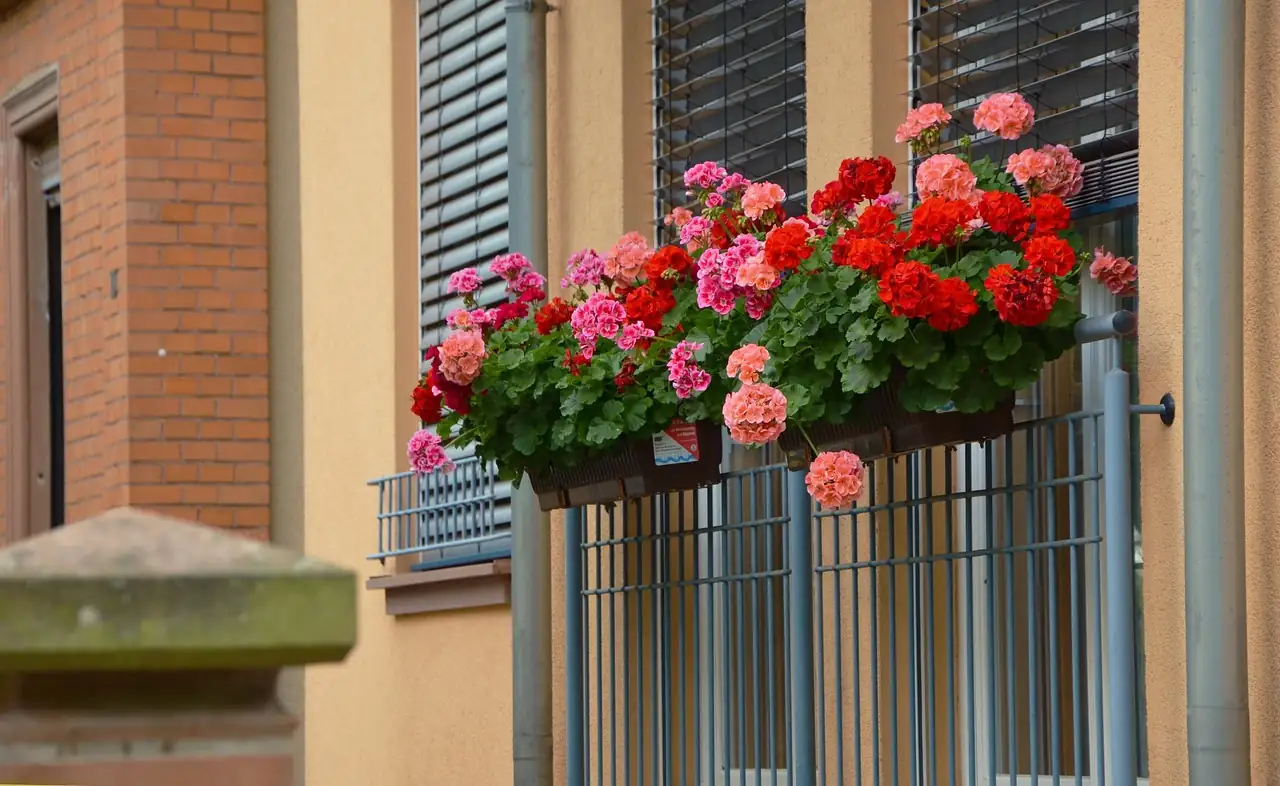
Few plants deliver a nonstop show in containers like zonal geraniums. Pelargonium × hortorum marries bold color, handsome banded leaves, and an easygoing nature that thrives on bright light and good airflow. With a few smart pairings, right-size spacing, and a couple of midsummer tricks (hello, midday shade and crisp ventilation), you can turn any pot, porch, or window box into a long-running flower parade.
Why zonal geraniums are container superstars
- Big, umbrella-like flower heads from spring through fall, with peaks in spring and again in cooler fall weather.
- Rounded, softly scalloped leaves, often with that signature darker “zone” band.
- Compact, upright-to-mounding habit that plays beautifully with spillers and airy companions.
- Forgiving to a bit of drought—just don’t keep the roots soggy.
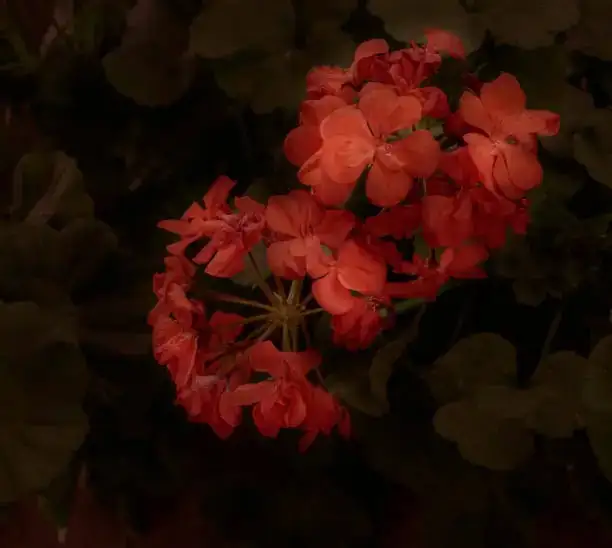
Light sweet-spot: 4–6+ hours of direct sun for best bloom. In hot climates or heatwaves, buffer the harshest midday sun and keep air moving.
Light, heat, and airflow: the trifecta for a season-long show
- Sun: Aim for morning sun + bright light the rest of the day, or full sun with protection from the fiercest midday rays in very hot spells—especially behind glass.
- Temperature: Growth hums along around 15–20°C (59–68°F). Prolonged heat over ~25°C (77°F), especially with wet soil, can slow flowering. Water early, let the mix dry slightly between waterings, and keep air moving.
- Ventilation: Good airflow keeps leaves clean and flowers crisp. Avoid cramming containers; elevate pots on feet; don’t crowd window boxes against walls; use a fan for indoor displays.
Potting mix and containers that set you up for success
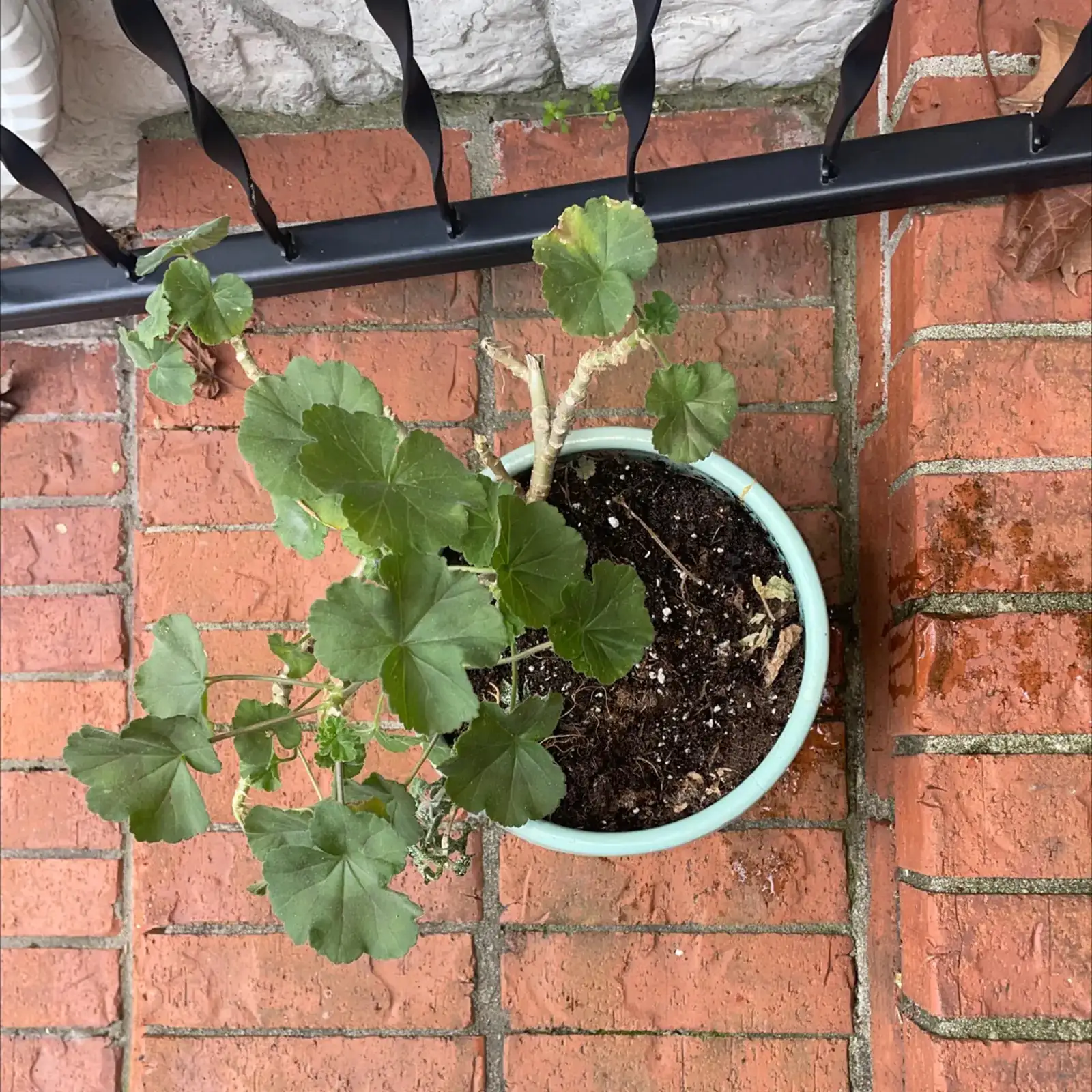
- Mix: Free-draining, airy, fertile. Use quality potting mix amended with coarse perlite/grit and a bit of composted bark/leaf mold. Drainage is non-negotiable.
- Pot size: One established zonal does beautifully in a 12–15 cm (5–6 in) nursery pot; for display pots, 12–16 in diameter is a great starting point when combining with companions.
- Watering rhythm: Water thoroughly, then wait until the top 2–3 cm (about 1 in) of mix is dry before watering again. Often weekly in mild weather; up to 2–3× per week in hot spells depending on sun, pot size, and wind. Always empty saucers.
Spacing and plant counts (no more container crowding)
- Single round pot, 12–14 in: 1 zonal geranium as the star + 2–3 companions.
- Round pot, 16–18 in: 1–3 zonals spaced 25–30 cm (10–12 in) apart, plus fillers/spillers to suit.
- Window box, 24–30 in long: 3 zonals on roughly 20–25 cm (8–10 in) centers, with spillers in front and vertical accents interspersed.
- Rule of thumb: Give each zonal a personal “bubble” of about 25–30 cm (10–12 in) so the plant can breathe and keep pushing new bloom stems.
Color hacks that make zonals sing
- Red that reads classy, not brassy: Cooler, “bluer” reds (like many “Super Moon”-type reds) look chic against gray stone and white trim; pair with blue salvia to cool the palette.
- Pink that pops: Team salmon/coral geraniums with lime foliage (sweet potato vine ‘Margarita’) and white accents (bacopa, euphorbia) for a refreshing “watermelon sorbet” vibe.
- White as a spotlight: White zonals are the ultimate popper—use with deep violet calibrachoa or petunias for drama and a twilight glow.
- Echo the leaf zone: Pick companions that repeat the leaf’s dusky band—plum heuchera, bronzy carex, or burgundy coleus—to make the foliage design part of the show.
- Texture is color’s best friend: Round geranium umbels love contrast—thread in airy spikes (salvia), small daisies (zinnia, verbena), or fine silver cascades (dichondra, helichrysum).
Five container recipes starring zonal geraniums
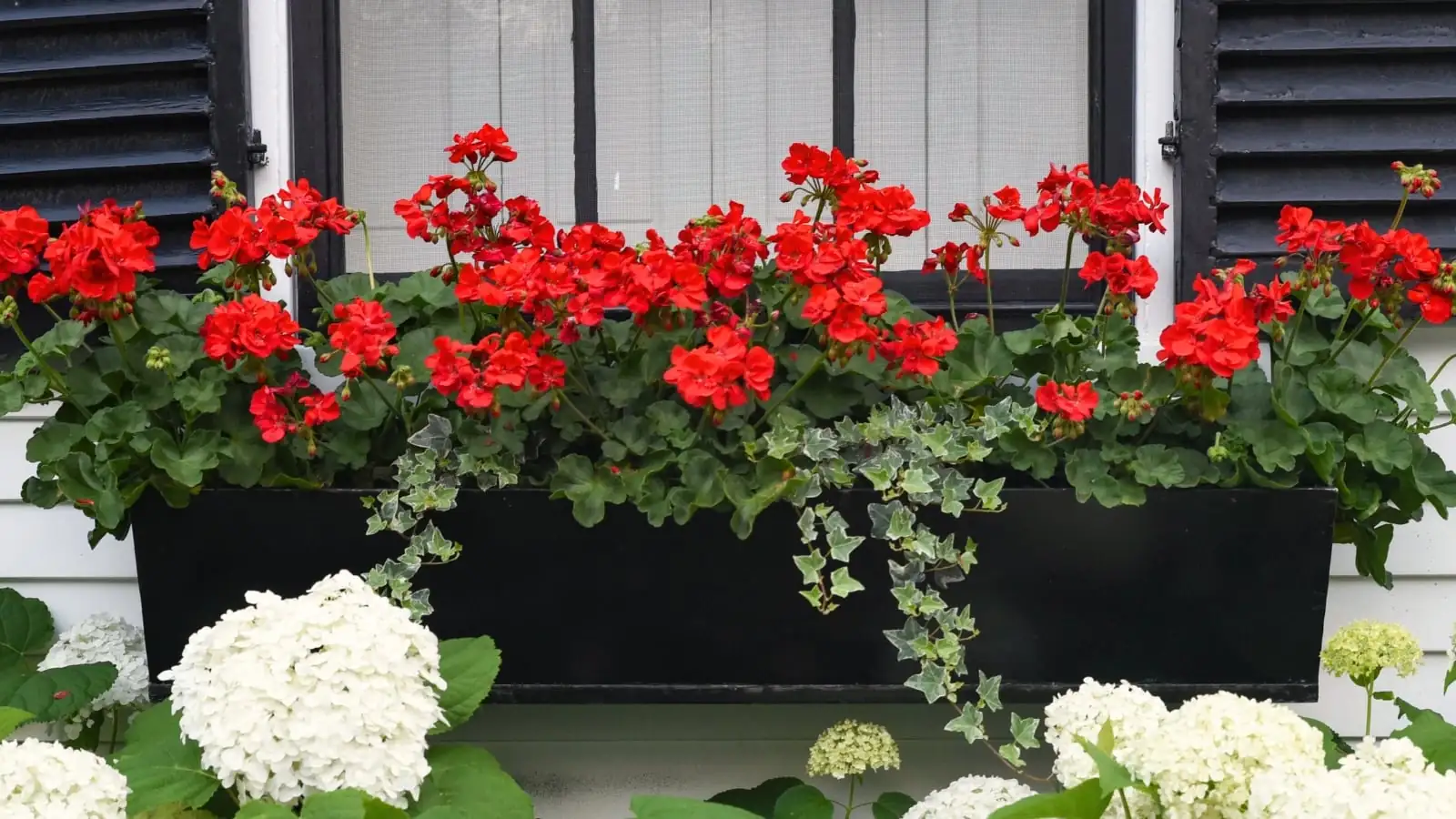
1) The Red-and-Blue Crowd-Pleaser (window box, 30 in)
- Thrillers: 2 spikes of Salvia ‘Cathedral Deep Blue’ spaced near the back corners.
- Headliners: 3 red zonal geraniums (e.g., a cooler “blue-red” like Super Moon Red) on 20–25 cm (8–10 in) centers.
- Fillers/Spillers: 3 trailing white bacopa and 2 silver dichondra (‘Silver Falls’) along the front edge.
- Why it works: Classic patriotic contrast; silver cools heat and adds movement. Blue salvia also casts light dapple over geranium leaves at midday.
Care notes: Deadhead geraniums weekly; snip salvia if spikes fade, and shear bacopa lightly midseason if it stalls.
2) Watermelon Sorbet (round pot, 16 in)
- Headliner: 1 salmon or coral zonal geranium centered.
- Fillers: 2 verbena in soft pink or cherry; 1 white euphorbia (‘Diamond Frost’) for airy sparkle.
- Spillers: 2 lime sweet potato vines (‘Margarita’) opposite each other.
- Why it works: Warm geraniums + citrusy green = instant freshness. White keeps it crisp in summer sun.
Care notes: Keep vines trimmed so they don’t smother the star; rotate the pot every week for even growth.
3) Sun-Kissed Citrus (window box, 24–30 in)
- Headliners: 3 orange-red zonal geraniums on 20–25 cm centers.
- Versatile companion: 2 lantana tucked between geraniums (acts as filler/spiller).
- Spillers: 3 golden creeping Jenny (Lysimachia nummularia ‘Aurea’) to lace the front edge.
- Why it works: Harmonized warm hues with a neon gold fringe; lantana bridges height and spill.
Care notes: In heatwaves, shade the box from noon–3 pm; lantana tolerates heat but the geraniums will keep blooming better with a midday breather.
4) Moonlight Sonata (round pot, 14–16 in)
- Headliner: 1 pure white zonal geranium.
- Fillers: 2 dusky-plum heuchera (compact varieties) or a deep-purple petunia.
- Spillers: 2–3 silver helichrysum (‘Icicles’ or ‘Petite Licorice’).
- Why it works: High-contrast monochrome glows at dusk; the foliage interplay is as showy as the blooms.
Care notes: Keep helichrysum lightly pinched to encourage branching and a soft cascade.
5) Heat-Savvy Balcony Mix (narrow box or railing planter)
- Upright accents: 2 blue salvias placed at thirds.
- Headliners: 2–3 pink zonals spaced evenly.
- Fillers: 2–3 scaevola (fan flower) in lavender/white.
- Spillers: Variegated vinca vine woven along the front.
- Why it works: Scaevola and vinca ride out heat; salvia helps diffuse midday glare around the geranium heads, promoting steadier bloom.
Care notes: Ensure unobstructed airflow behind railing planters; leave a few centimeters gap from walls.
Midday shade and ventilation tactics that actually work
- Plant your “parasol”: Use taller companions (salvia, ornamental grasses) behind or among geraniums to cast dapple during the hottest hours.
- Shiftable shade: Clip-on shade cloth (about 30%) or a café umbrella from noon–3 pm on scorching days, especially for boxes on south-facing railings.
- Elevate and space: Pot feet + a finger’s width gap behind window boxes = airflow that starves gray mold.
- Avoid overhead splashing: Water soil, not leaves/flowers, to prevent botrytis and leaf spots.
- Indoors: South/east windows are ideal; use a small oscillating fan to keep air fresh.
Keep the flower parade rolling: feeding, pruning, and deadheading
- Feed to flower: Every 2 weeks in active growth. Start balanced, then shift to a bloom-leaning, higher-potassium formula (e.g., tomato feed or 15-15-30) as buds form. Avoid excess nitrogen or you’ll grow leaves, not umbels.
- The right drink: Thorough soak, then wait for the top 2–3 cm (about 1 in) to dry. Never let the pot stand in water.
- Deadheading done right: When most florets on a head are past peak, remove the entire flower stalk back to where it meets the stem—don’t just pluck petals. This signals the plant to send up fresh bloom stems.
- Pinch and shape: Pinch young plants at 12–15 cm (5–6 in) to encourage branching. If stems get leggy, cut back by 1/3–1/2 and keep conditions bright and airy; you’ll get a tighter, bloomier plant in weeks.
Quick troubleshooting
- Sparse flowers: Not enough direct sun, too much nitrogen, or soil kept too wet. Move brighter, let the mix dry slightly between waterings, switch to higher-potassium feed, and deadhead promptly.
- Yellowing lower leaves: Often overwatering or tired, compacted mix. Refresh the potting medium and right-size your watering.
- Pest watch: Aphids, whiteflies, spider mites, mealybugs, and bud-chewing caterpillars (budworms). Start with isolation + a firm rinse, then insecticidal soap/horticultural oil as needed. For caterpillars, a targeted biological like Bacillus thuringiensis (BT) can help.
- Disease prevention: Good light, airy spacing, remove spent blooms, and avoid wet leaves. Gray mold loves still air plus soggy mix.
Seasonal notes and overwinter backup
- Warm-season champs outdoors (tender; protect from frost). In cold regions, take tip cuttings late summer–early fall or bring plants in before frost.
- Indoors over winter: Brightest spot you have, keep above 5°C (41°F) ideally 10–15°C (50–59°F), water sparingly, and hold the fertilizer until growth resumes.
A brief note on “flower language”
Across Victorian-era floriography and later traditions, zonal geraniums came to symbolize happiness, good wishes, and friendship. Color nuances crept in too: red for “you’re on my mind,” pink for warmth and companionship, white for sincerity. While charming, these meanings are cultural, not botanical—use them as creative prompts for your color stories rather than strict rules.
Shopping checklist
- Pick compact, well-branched plants with dense green leaves and lots of tight buds.
- Avoid soggy pots, yellowing foliage, or signs of pests.
- At home, give strong light right away, keep conditions cool-to-mild as they settle, and water only when the top layer of mix dries.
With smart spacing, clever color pairings, and a little midday shade plus fresh air, Pelargonium × hortorum will repay you in flush after flush of flowers. Build your recipe, keep the deadheads snapping, and enjoy the parade all season long.


