

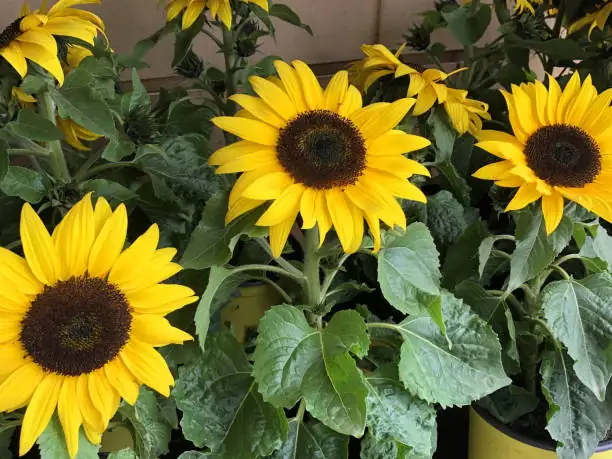
Sunflowers on a balcony? Absolutely. Helianthus annuus may be famous for field-sized drama, but compact cultivars are naturals for pots—cheery, fast, and sturdier than you’d think when you match variety, container, drainage, support, and feeding just right. Consider this your small-space playbook for fist-pump-worthy blooms.
Choose compact sunflowers that behave beautifully in pots
Think of container sunflowers in three tiers. Pick the tier that fits your space—and match the pot to the plant’s taproot and wind profile.
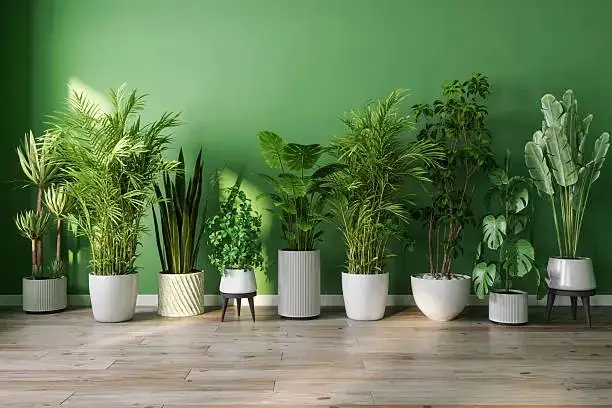
- Micro-dwarfs (about 10–35 cm / 4–14 in tall)
- Great for: sunny windowsills, rail planters, tight balconies.
- Examples: ‘Sunny Smile’, ‘Topolino’.
- Notes: Naturally tidy, quick to bloom, surprisingly windproof.
- Dwarf/container types (about 30–60 cm / 12–24 in tall)
- Great for: small patios and balconies; the best “classic” sunflower look in a pot.
- Examples: ‘Pacino’, ‘Sunspot’, ‘Teddy Bear’ (fluffy doubles), ‘Little Becka’, ‘Music Box’ (branching).
- Notes: Many branch for a longer show; doubles look plush but often set fewer viable seeds.
- Compact mediums (about 60–120 cm / 2–4 ft)
- Great for: roomy patios and roof decks with shelter; dramatic without being unmanageable.
- Examples: ‘Little Tiger’, ‘Big Smile’ (compact habit), pollenless branching types for cut flowers.
- Notes: Taller pots and smart staking are key in breezy sites.
Tip: If you want bouquets without dropping pollen indoors, look for “pollenless branching” on seed packets. If you dream of snacking on seeds, choose non-pollenless types or dedicated seed varieties.
The right pot: width, depth, and stability
Sunflowers build a determined taproot. In containers, give it a straight, well-drained runway and a pot that won’t tip when the wind shows off.
Pot sizes by plant class
- Micro-dwarfs: thrive in 10–15 cm (4–6 in) pots; upsizing to 18–25 cm (7–10 in) adds moisture buffer.
- Dwarf/container types: a solid baseline is about 30 cm (12 in) wide and 40 cm (16 in) deep.
- Compact mediums: go larger and deeper—think half-barrel planters or tall containers with excellent drainage.
Bigger is usually better for moisture stability and wind resistance, but don’t oversize so much that soil stays wet for days.
Material matters
- Terracotta/ceramic: heavy and tip-resistant; breathes well but dries faster.
- Plastic/resin: lighter, holds moisture longer; choose wide-bottom or weighted designs for wind.
- Fabric pots: fantastic drainage and root aeration; add a saucer stand or pot feet so they don’t wick onto the deck.
Drainage architecture (your insurance policy)
- Ensure multiple generous drain holes; add pot feet or spacers so water escapes freely.
- Potting mix recipe for sunflowers: quality potting soil + a scoop of compost/leaf mold + a chunky aerator (perlite or coarse sand). Aim for loose, fertile, well-drained, pH 6.0–7.5.
- Skip gravel “drainage layers”—they can trap water in the root zone. If you need ballast, place flat stones or bricks at the base without blocking holes.
- Top-dress with a thin layer of coarse grit to keep stems dry at the crown.

Sowing smart in small spaces
- Timing: Sow after frost when soils are above 10°C (50°F). Best growth typically 15–30°C (59–86°F).
- Depth: Plant seeds 2.5–4 cm (1–1.5 in) deep; germination in 7–10 days around 20–22°C (68–72°F).
- Direct to final pot: Sunflowers dislike root disturbance. If you must start early, use biodegradable cells/pots and transplant gently at first true leaves.
- Spacing: One plant per pot is best for stout stems and big blooms. In long boxes, space dwarfs 20–30 cm (8–12 in) apart.
- Succession sow: Replant every 10–14 days to keep fresh flowers rolling from summer into autumn.
Light, water, and the “light feeding” plan
Sunlight
- Full sun is non-negotiable—at least 6–8 hours of direct light daily. Skimping leads to lanky stems, drooping leaves, and lopsided heads.
Watering
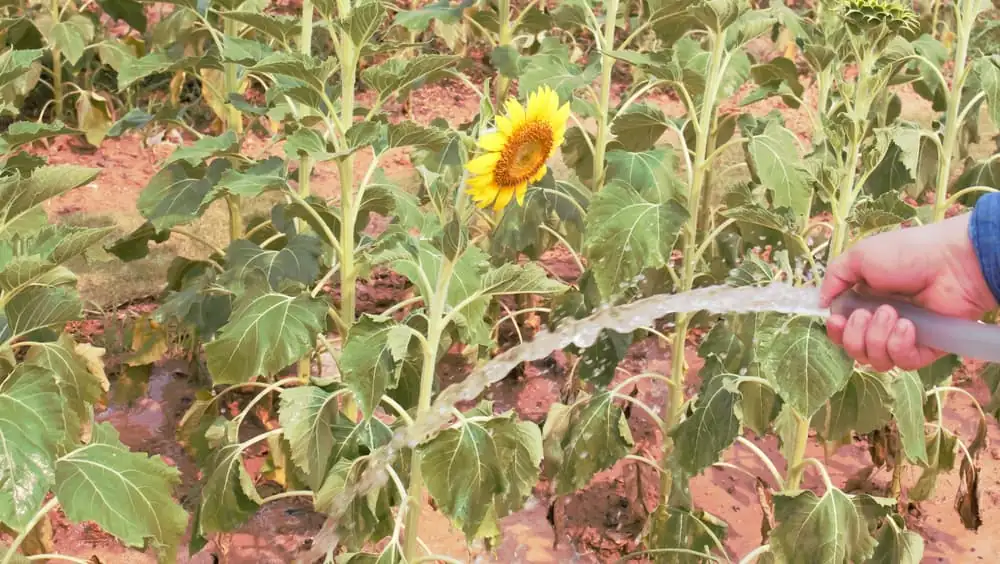
- Seedlings: keep evenly moist, never soggy.
- Established plants: water deeply, then let the top layer of mix dry slightly before watering again.
- Heat waves: small pots may need watering daily; check by touch, not just by schedule.
- Always water at the base; avoid soaking the flower head and never let pots sit in saucers of water (hello, yellowing leaves).
A lean, steady feeding approach
Container sunflowers appreciate nutrients but punish excess with weak stems. Keep it simple:
- At planting: mix in a slow-release, balanced fertilizer at label rate OR a light handful of compost.
- During active growth (from several true leaves through flowering): feed with a balanced-to-slightly higher potash liquid fertilizer every ~10 days at label rate (or half-strength weekly).
- Think “bloom formula” for sturdy stalks and strong petals.
- Ease off heavy nitrogen—lush leaves don’t hold up in wind.
- Stop feeding once petals are fully open on single-stem types; branching dwarfs can continue light feeds to support successive blooms.
Wind-proof staking for balconies and breezy patios
Sunflowers are sailboats with petals. Build your rigging before the gusts arrive.
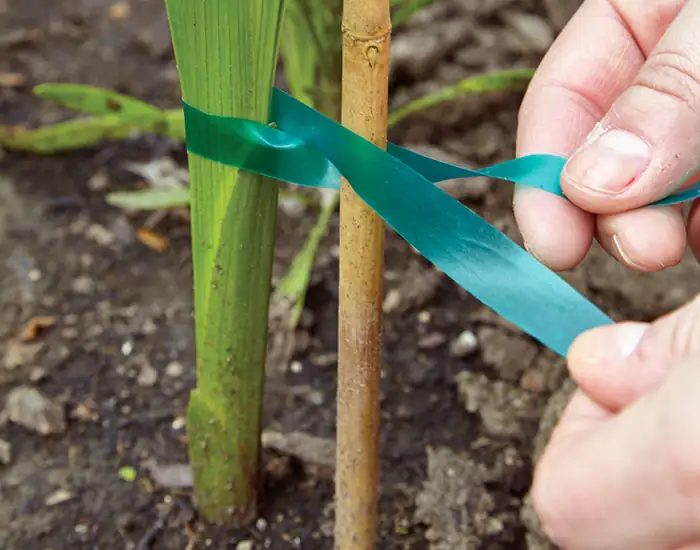
- Stake early: insert a slim bamboo, fiberglass, or metal stake the day you plant to avoid root damage later.
- Figure-eight ties: soft ties looped in a figure-eight prevent chafing and let stems thicken.
- Low, discreet support: for dwarfs, a single 60–90 cm (2–3 ft) stake is usually enough. For compact mediums, consider:
- Double-staking (two stakes opposite each other, both tied to the stem).
- A small ring support or tomato clip low on the plant to steady the sail effect.
- Anchor the pot: choose heavy containers, add ballast (stones on the soil surface or hidden at the base), and position near a railing or wall for a windbreak.
- Prune with purpose: on suitable cultivars, pinch once above the 4th–5th true leaf to encourage branching (spreads wind load, extends bloom time). For one giant bloom, remove weak side shoots once the main bud forms.
- Microclimate magic: warm days and cooler nights naturally encourage sturdier stems; good airflow without constant battering is ideal.
Care calendar for container sunflowers
- Spring
- Sow after frost; full sun from the start.
- Stake at planting; begin light feeding once growth is steady.
- Summer
- Water more often during heat; keep feeding on schedule.
- Stake/tie as plants elongate; succession sow for nonstop color.
- Autumn
- Enjoy late blooms; reduce watering as nights cool.
- If saving seed, wait until the back of the head turns brown.
- Winter
- Annuals complete their cycle; save seed and plan next season.
Quick troubleshooting
- Drooping leaves or lopsided flowers: usually not enough direct sun or inconsistent light. Move to a brighter site.
- Yellowing lower leaves: overwatering or waterlogged mix. Improve drainage; let the top layer dry slightly between waterings.
- Powdery/downy mildew or leaf spots: improve airflow and avoid overhead watering; remove infected foliage; use labeled treatments if needed.
- Aphids/spider mites: rinse with water, then apply insecticidal soap or horticultural oil as needed.
- Birds and squirrels raiding seeds: cover maturing heads with mesh or paper bags if you’re harvesting.
The meaning behind the bloom
Sunflowers speak a universal language of warmth, loyalty, adoration, and optimism. Culturally, this symbolism springs from three places:
- Heliotropism: young plants track the sun—an irresistible metaphor for devotion—though open, mature heads usually settle facing east to warm quickly and attract pollinators.
- Myth and art: the Greek tale of Clytie longing for Helios, and Van Gogh’s blazing bouquets, cemented the association with steadfast affection and radiance.
- Real-world joy: their bold, golden disks are literal beacons for pollinators and people alike.
It’s a romantic shorthand, yes—but one rooted in the plant’s true behavior and its long companionship with human culture.
One-page playbook: sturdy sunflowers in small spaces
- Pick the right cultivar: micro-dwarfs for windowsills; dwarfs for most pots; compact mediums for larger, sheltered patios.
- Use the right pot: micro-dwarfs in 10–15 cm (4–6 in) pots; many compact types need at least 30 cm (12 in) wide and 40 cm (16 in) deep—bigger adds stability.
- Build drainage: multiple holes, pot feet, airy mix (potting soil + compost/leaf mold + perlite/coarse sand).
- Plant well: sow 2.5–4 cm (1–1.5 in) deep after frost; one plant per pot; succession sow every 10–14 days.
- Give real sun: 6–8+ hours of direct light.
- Water wisely: deep, even moisture; more often in heat; never let pots stand in water; water at the base.
- Feed lightly: slow-release at planting; then a balanced-to-potash-leaning liquid every ~10 days during growth; avoid heavy nitrogen.
- Stake early: slim stake + soft ties; add ballast; shelter from prevailing winds.
- Groom for goals: pinch for branching blooms or thin side shoots for one big face; deadhead if you’re not saving seed.
Plant one container this weekend, and you’ll see why sunflowers are the happiest square foot you can grow.


