

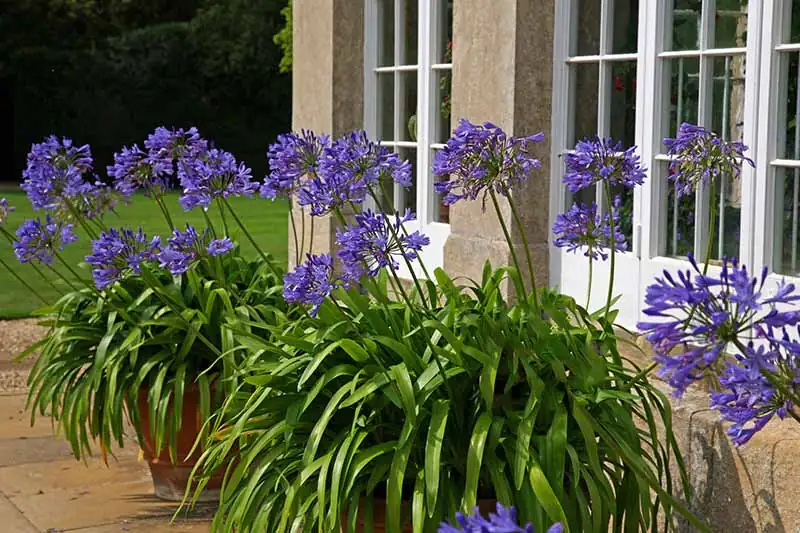
If you’ve ever watched a summer sky bloom with fireworks, you already know the feeling Agapanthus africanus brings to a patio. Those tall, sturdy stems lift globes of blue, purple, or white trumpets above gleaming, strap-like leaves—dramatic, architectural, and perfect for containers. Here’s a container‑first game plan that keeps your Lily of the Nile dazzling in bloom and low‑drama to maintain.
Meet Agapanthus africanus (Lily of the Nile)
- Origin: Native to South Africa
- Habit: Upright clumps from fleshy rhizomes; glossy, arching, strap‑like leaves
- Size: Foliage mounds roughly 2 ft wide; flower stalks often 3–4 ft tall
- Bloom: Rounded umbels holding dozens of trumpet flowers in blue, purple, or white, early to mid‑summer (longer in frost‑free climates)
- Superpower: Drought tolerant once established—provided the soil drains fast
Container growing suits this plant beautifully. It loves sun, lean and gritty mixes, and just a touch of “cozy” around its roots.
Container‑first success: start with the right pot
Pot size and shape: why “cozy” wins
Agapanthus often flowers more heavily when slightly root‑bound. Overpotting—giving it a pot that’s too large for the root mass—invites problems.
- Don’t overpot: A big volume of unused mix stays wet, upping the risk of rhizome/root rot and encouraging leaves at the expense of flowers.
- A smart start: Pot one healthy plant into a container just 2–4 inches wider than the existing root ball. For a single mature clump, a 12–14 inch diameter pot is a sweet spot.
- Step‑ups, not leaps: Repot about every 2 years only when the root mass is tightly packed, moving up roughly 4 inches in width.
- Shape and material: Sturdy, well‑balanced pots (terracotta or thick resin) keep those tall bloom stalks upright in wind.
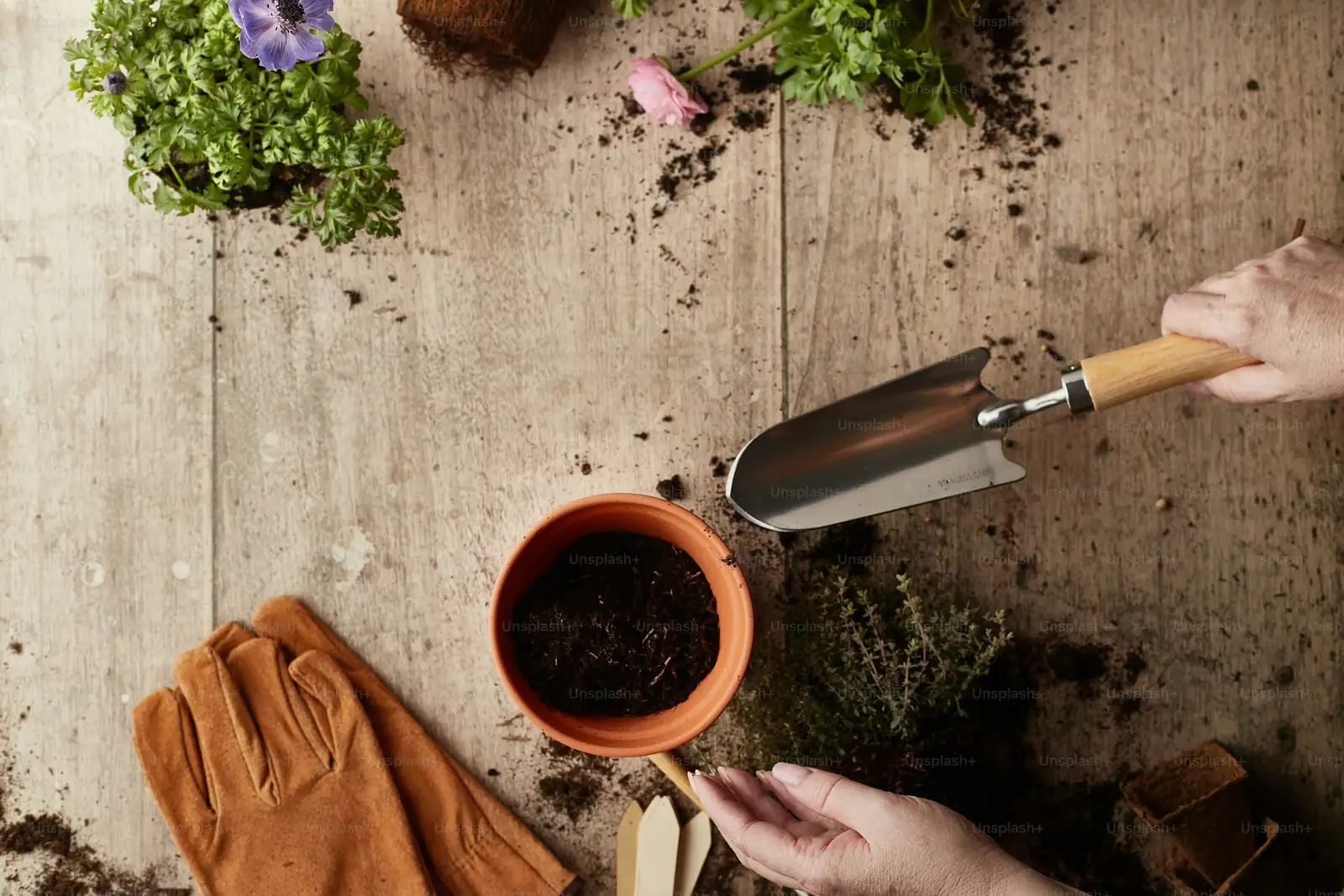
Drainage is non‑negotiable
- Ensure generous drainage holes—more holes are better.
- Use pot feet or bricks to lift the container; never let it sit in a full saucer.
- A 1–2 inch layer of coarse bark or lava rock at the base helps protect holes from clogging (don’t replace mix with pebbles; just keep holes clear).
The gritty, fast‑draining mix it craves
Think “Mediterranean balcony,” not bog garden. Aim for fast, airy, and only modestly moisture‑retentive, with a slightly acidic pH.
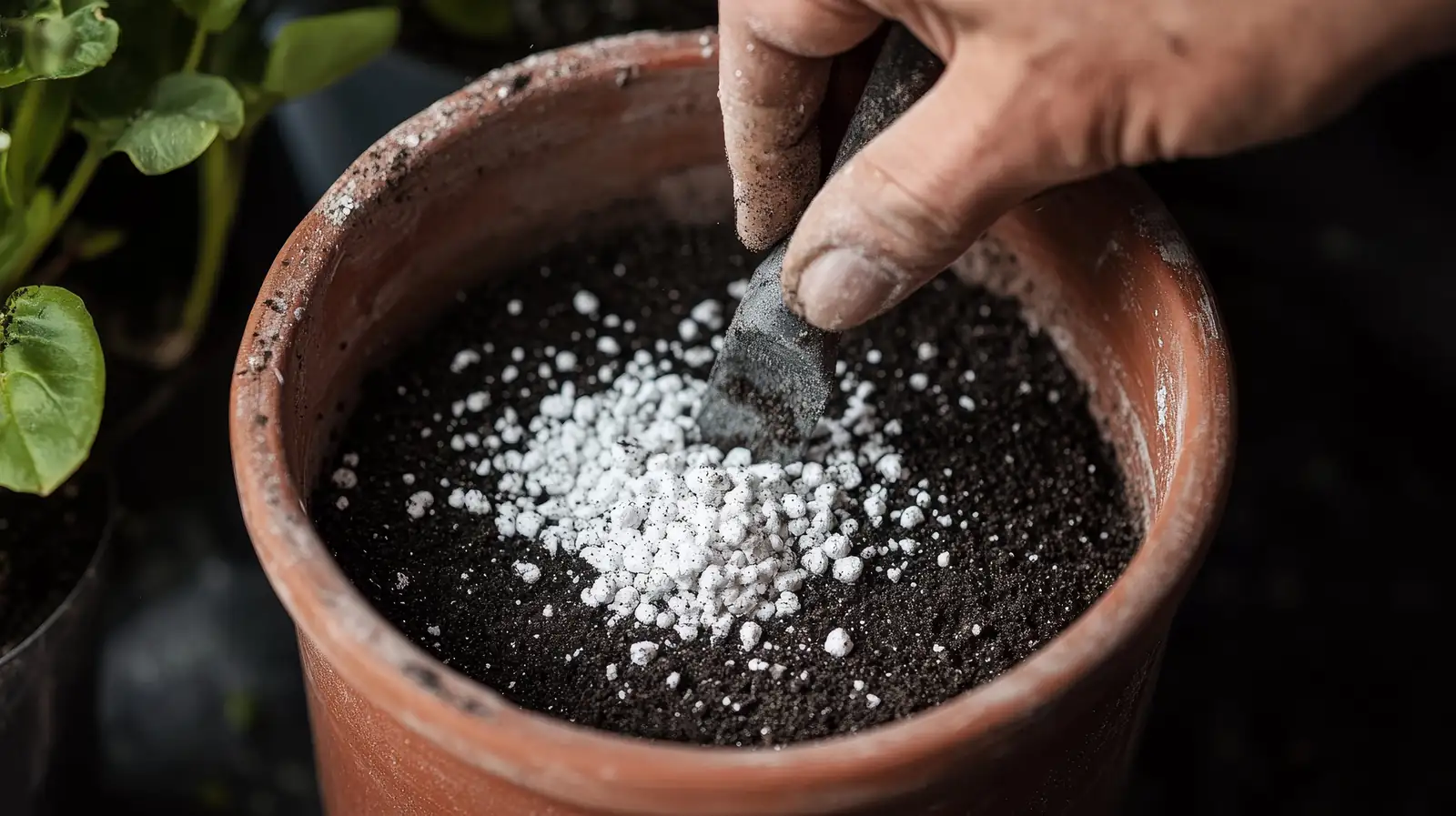
Mix recipe (choose one):
- 50% high‑quality, peat‑free potting mix + 25% coarse perlite or pumice + 25% sharp sand or 1/8–1/4 inch gravel
- OR 50% potting mix + 25% fine orchid bark (bark fines) + 25% perlite/pumice
Good to know:
- Target pH: About 5.5–6.5
- Blend in a light, slow‑release, balanced fertilizer at planting—or plan a liquid feed cadence (see below).
- Top‑dress with 0.5 inch of fine gravel to keep the crown clean and splash‑free.
Light, heat, and placement
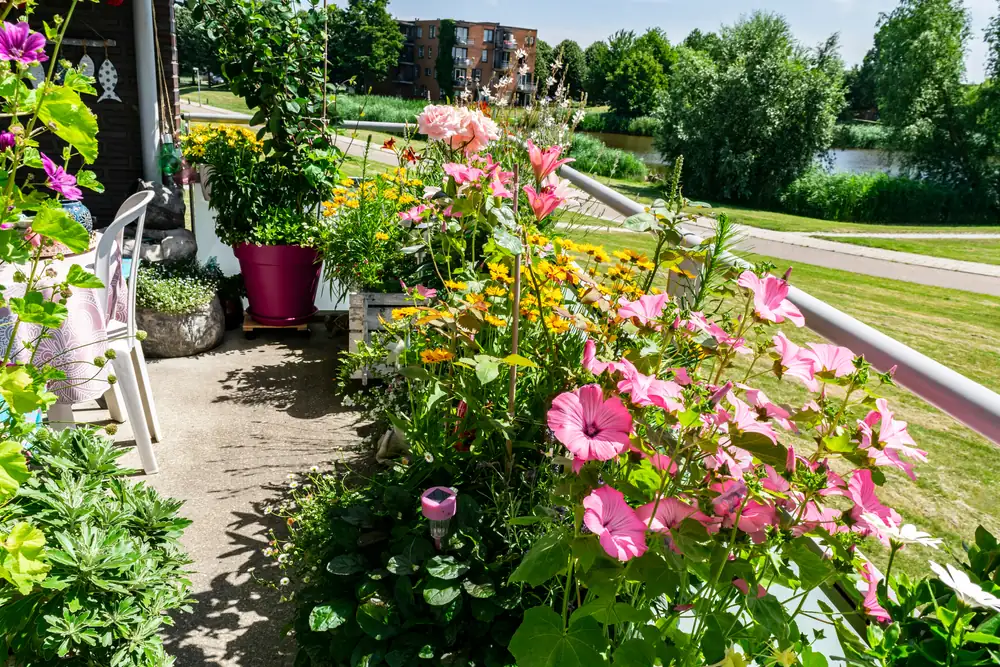
- Sun: Full sun is best—aim for 6–8 hours daily. In very hot regions, a touch of afternoon shade prevents stress.
- Temperature: Thrives around 20–25°C (68–77°F) in active growth.
- Airflow: Space containers for good breathability; this helps foil fungal issues in humid weather.
Watering cadence in containers
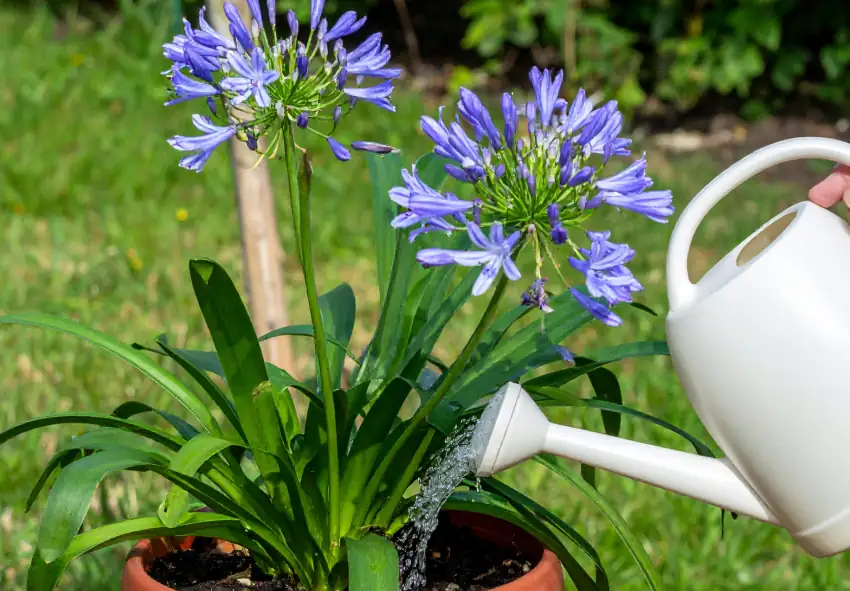
Agapanthus likes even moisture while growing, but hates soggy feet.
- Establishment: About 1 inch of water per week, keeping the top layer just drying between waterings.
- Mid‑summer: Once established, many plants are happy closer to 1/2 inch per week, adjusted for heat and pot size.
- Method: Water thoroughly until excess drains; empty saucers. Let the top inch of mix dry before watering again.
- Winter: Greatly reduce watering when growth slows or foliage dies back; resume in spring as new growth pushes.
Pro tip: If leaves yellow while mix stays wet, suspect poor drainage or overwatering. If tips brown in heat, add a smidge more water or a hint of afternoon shade.
Feeding for flowers (not just leaves)
Leaf‑lush, bloom‑shy plants usually got too much nitrogen or too little sun. Keep feeding light and bloom‑minded.
- Spring: Apply a balanced fertilizer (e.g., 10‑10‑10).
- Early summer (about 8 weeks later): Feed again; switching to a phosphorus‑leaning mix (e.g., 5‑10‑10) can bolster flowering.
- Containers: Use a light liquid feed every 4–6 weeks during the growing season.
- Stop after August to allow plants to wind down before cold weather.
Organic options: Compost top‑dressing, a touch of bone meal, or well‑rotted manure in spring—sparingly.
Simple seasonal playbook for pots
- Spring
- Resume watering as growth restarts.
- First feed; place in full sun.
- Repot or divide if needed before vigorous growth kicks in (earlier for deciduous types).
- Summer
- Keep moisture steady.
- Deadhead spent bloom stalks at the base for tidiness and potential repeat flushes.
- Give the mid‑season feed; check pot stability as scapes elongate.
- Fall
- Taper watering and stop fertilizing.
- For evergreen types, many growers divide after flowering if needed (in mild climates).
- Winter
- Keep much drier; protect from hard frost.
- In cold zones, overwinter containers indoors or in a frost‑free spot with bright light.
Overwintering made easy (cold‑zone edition)
Hardiness varies, but a conservative approach keeps containers safe anywhere winters bite.
For potted plants:
- Timing: Move indoors before hard frost.
- Deciduous forms
- Allow foliage to naturally yellow; trim back when it withers.
- Store in a cool, frost‑free space (roughly 2–10°C / 35–50°F).
- Light is optional when dormant; water just enough to prevent total desiccation—think a modest sip monthly.
- Evergreen forms
- Keep in the brightest frost‑free spot you have (sunroom, bright garage window).
- Water lightly every few weeks; don’t let the mix sit wet.
- Spring wake‑up
- Reintroduce to brighter light and regular watering as days lengthen.
- Return outdoors after frost danger passes; acclimate over 7–10 days.
For in‑ground plants in borderline areas:
- Mulch heavily after the first frost to shield crowns from cold, but never trap soggy moisture around them.
Why not to overpot (the short physics lesson)
- Evaporation lag: More mix means more water to lose—stays wet longer.
- Oxygen debt: Saturated media hold less oxygen; rhizomes suffocate and rot.
- Bloom behavior: Agapanthus often flowers best when a touch root‑bound; an oversized pot delays that sweet spot.
Pruning, pests, and easy fixes
- Deadhead: Cut finished flower stalks at their base to keep clumps sleek.
- Tidy: Remove spent or damaged leaves anytime.
- Watch for: Aphids, mealybugs, spider mites—wash off with a firm spray or treat with horticultural soap/neem if needed.
- Fungal flags: Overcrowding and humid still air can invite trouble; improve spacing and airflow.
- Rot risk: The number‑one enemy is waterlogging. Yellowing, wilting, and foul or discolored roots point to rot—fix drainage fast.
Repotting and division without losing a season
- Repot cadence: About every 2 years, only when the root mass is tight. Step up roughly 4 inches in pot width.
- Division: Every 4–5 years in containers to refresh vigor. Use a clean, sharp knife; give each piece roots and at least one growing point.
- Best timing: Early spring for deciduous forms; many divide evergreen types in autumn after flowering (in mild conditions).
Cut flowers and styling
- Cut on cool mornings as buds begin to open; remove lower foliage.
- Vases love them: The tall, spherical heads make instant arrangements and dry beautifully for later.
Safety note
All parts are toxic if ingested and sap may irritate skin. Keep away from children and pets (cats and dogs included), and wear gloves when dividing or trimming.
Flower language and lore
The name Agapanthus stitches together the Greek agape (love) and anthos (flower), so it’s long been a symbol of love, devotion, and lasting affection. Color traditions add nuance: blue leans toward loyalty and steadfastness; white gestures to sincerity and purity. While often called “Lily of the Nile,” it isn’t from the Nile at all—this showstopper hails from South Africa and charmed European gardens as early as the late 1600s. Its taxonomic story has “wandered” through several families historically before settling into Agapanthaceae, but in gardens its place has never been in doubt.
Quick troubleshooting: why isn’t it blooming?
- Not enough sun—aim for 6–8 hours daily.
- Overpotting—too much room delays flowering; keep it slightly root‑bound.
- Heavy nitrogen—feeds leaves, not flowers.
- Youth—seed‑grown plants may need 3–5 years to bloom.
- Recent division—expect a pause while it re-establishes.
With a right‑sized pot, a gritty mix, full sun, and a modest feeding rhythm, Agapanthus africanus becomes a patio “fireworks factory” you can count on every summer—and an easy guest to tuck away for winter, even in cold zones.


