Color-drunk, bee-buzzing, and impossibly charming—Annual Phlox (Phlox drummondii) turns even the smallest porch into a paintbox. Plant it right in containers and you’ll have a living bouquet for months, plus plenty of stems to snip for the table. The secret? A designer’s approach to potting mix and drainage, a smart sun plan, steady water pacing, and vivid companions that make its star-shaped blooms pop.
Meet Annual Phlox (Phlox drummondii)
- Personality: Cottage-garden classic with neat clumps topped by dense, starry flower clusters.
- Size: About 6–24 in (15–60 cm) tall, depending on variety—compact enough for balconies, substantial enough to headline a container.
- Colors: White, pink, purple, red, orange, and lots of bicolors with an eye-catching “eye.”
- Season: Mid-spring to mid-summer; deadheading extends the show.
- Pollinator appeal: A magnet for bees, butterflies, and hummingbirds.
- Origins: Native to Texas, now beloved worldwide in beds, borders, and containers.
The design brief: a container built for color and cuts
Pot size and anatomy
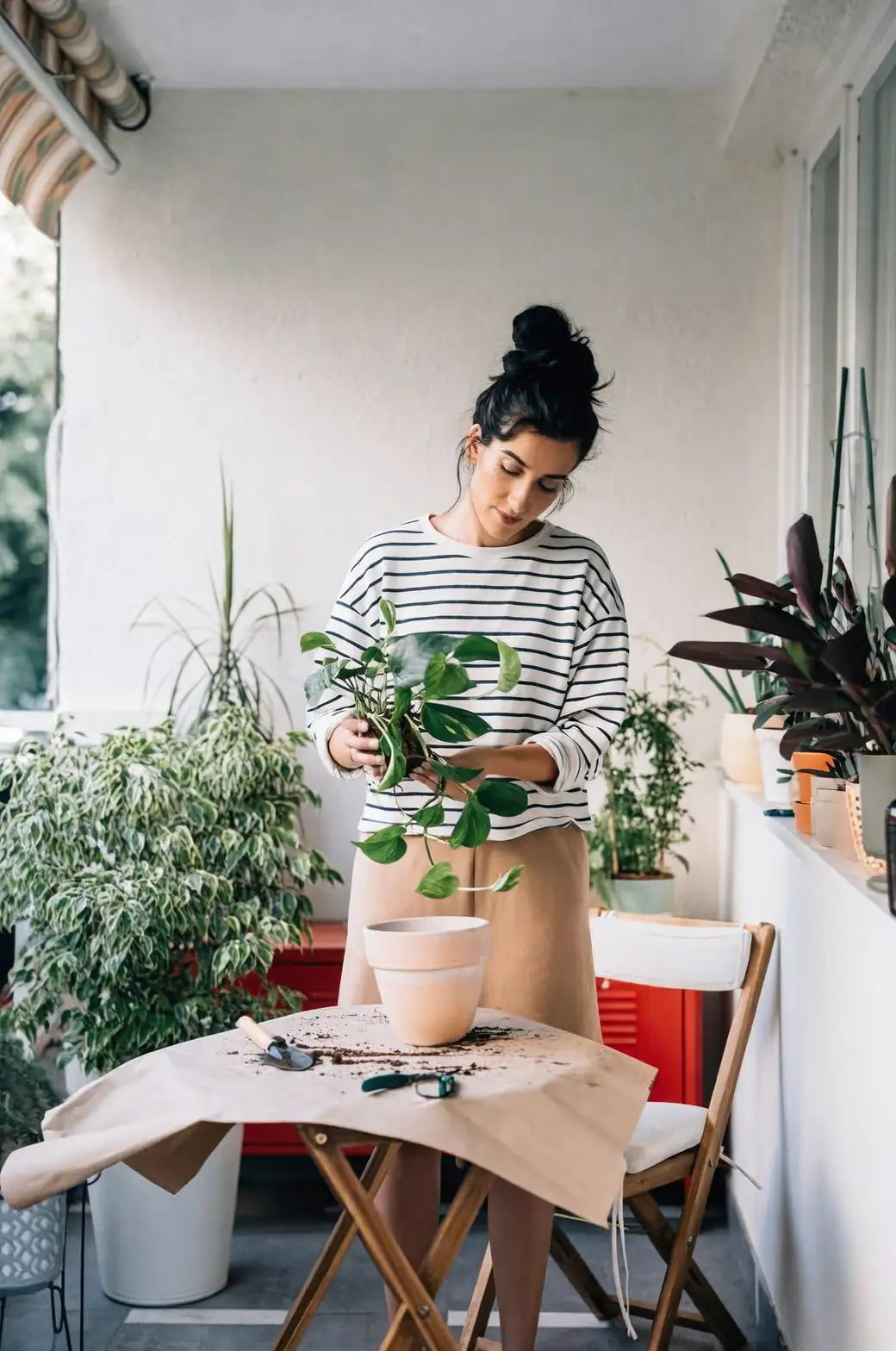
- Choose a pot at least 12–16 inches wide for a primary display; larger troughs make stunning “ribbons of color.”
- Non-negotiable: a drainage hole. Excess water must escape quickly to prevent root issues and mildew on foliage.
- Glazed pots dry out more slowly than unglazed terracotta—handy if you’re busy or live where heat is intense.
- Elevate the pot on feet or a trivet so runoff can flow; empty saucers after watering.
The right potting mix
Think airy, fertile, and free-draining:
- 2 parts high-quality soilless mix (peat or coir-based)
- 1 part fine compost (for nutrients and moisture balance)
- 1 part perlite or pumice (for extra drainage and oxygen)
- Optional: If your mix skews acidic and you want to nudge toward neutral, a light dusting of garden lime is fine (phlox is comfortable around pH 6.0–8.0).
- Blend a slow-release balanced fertilizer at planting.
Drainage that actually works
- Skip gravel “drainage layers” (they can trap water where roots sit). Instead, rely on:
- Big drainage holes (cover with a bit of mesh if media falls through)
- A chunky, well-aerated mix
- Pot feet and prompt saucer emptying
Sun strategy for balconies and patios
- Aim for full sun—6–8 hours daily—this drives the heaviest bloom.
- In places with searing summers, give gentle afternoon shade to keep flowers from flagging and to reduce mildew pressure.
- South-facing, heat-reflective walls? Shift pots a foot off the wall or add a light screen to soften radiant heat while preserving brightness.
- Maintain airflow. A small fan on still balconies can be a mildew game changer.
Water pacing: a rhythm that prevents mildew
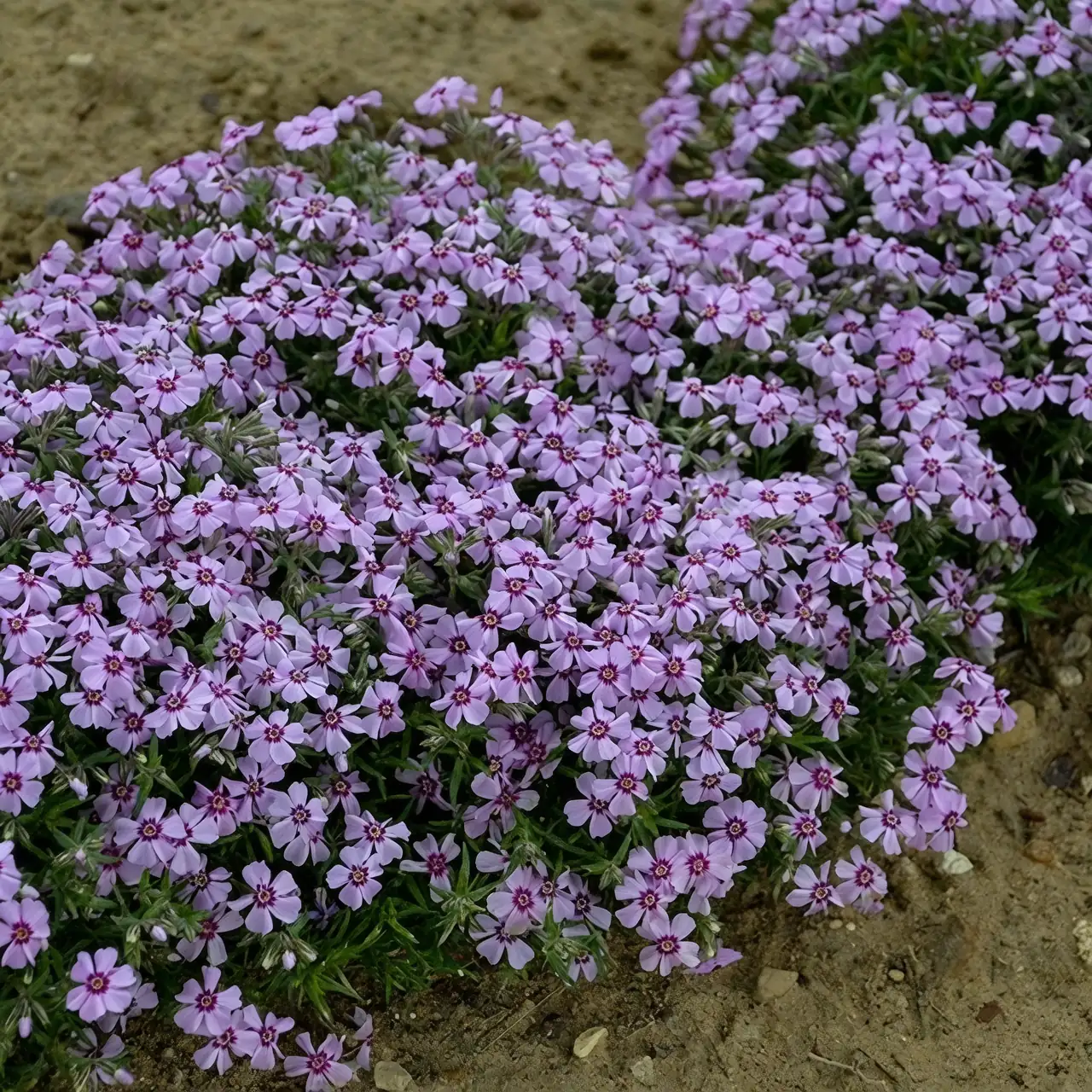
- Target evenly moist—not soggy—soil. About 1 inch of water per week is a good baseline, but containers may need more in hot spells.
- Water early in the day and at the soil line to keep leaves dry (mildew hates this).
- The “soak, wait, soak” method: Water until it runs out the drain, pause 10 minutes, then water again to fully hydrate the root ball.
- Finger test: If the top inch feels dry, water; if it’s still cool and faintly damp, wait. Expect daily checks during heat waves.
Feeding for flowers, not foliage
- At planting: Mix in compost and a balanced fertilizer.
- Early growth: A slightly higher nitrogen feed is okay to establish lush, healthy foliage.
- Bud to bloom: Shift to a bloom-leaning formula higher in phosphorus and potassium.
- Avoid heavy nitrogen late in the season—it makes leaves, not flowers.
Planting and spacing that keep the show going
- Timing: Transplant after all frost danger has passed; Phlox drummondii isn’t frost-hardy and sulks below about 41°F (5°C).
- Spacing: Don’t overcrowd—airflow keeps powdery mildew at bay. Give your phlox “elbow room” within the container design rather than cramming every inch with plants.
- Pinch once early (remove the top 1/3 of stems) to encourage branching and more bloom clusters.
- Deadhead regularly to extend flowering into summer.
Vibrant pairings: palettes and recipes for small-space color explosions
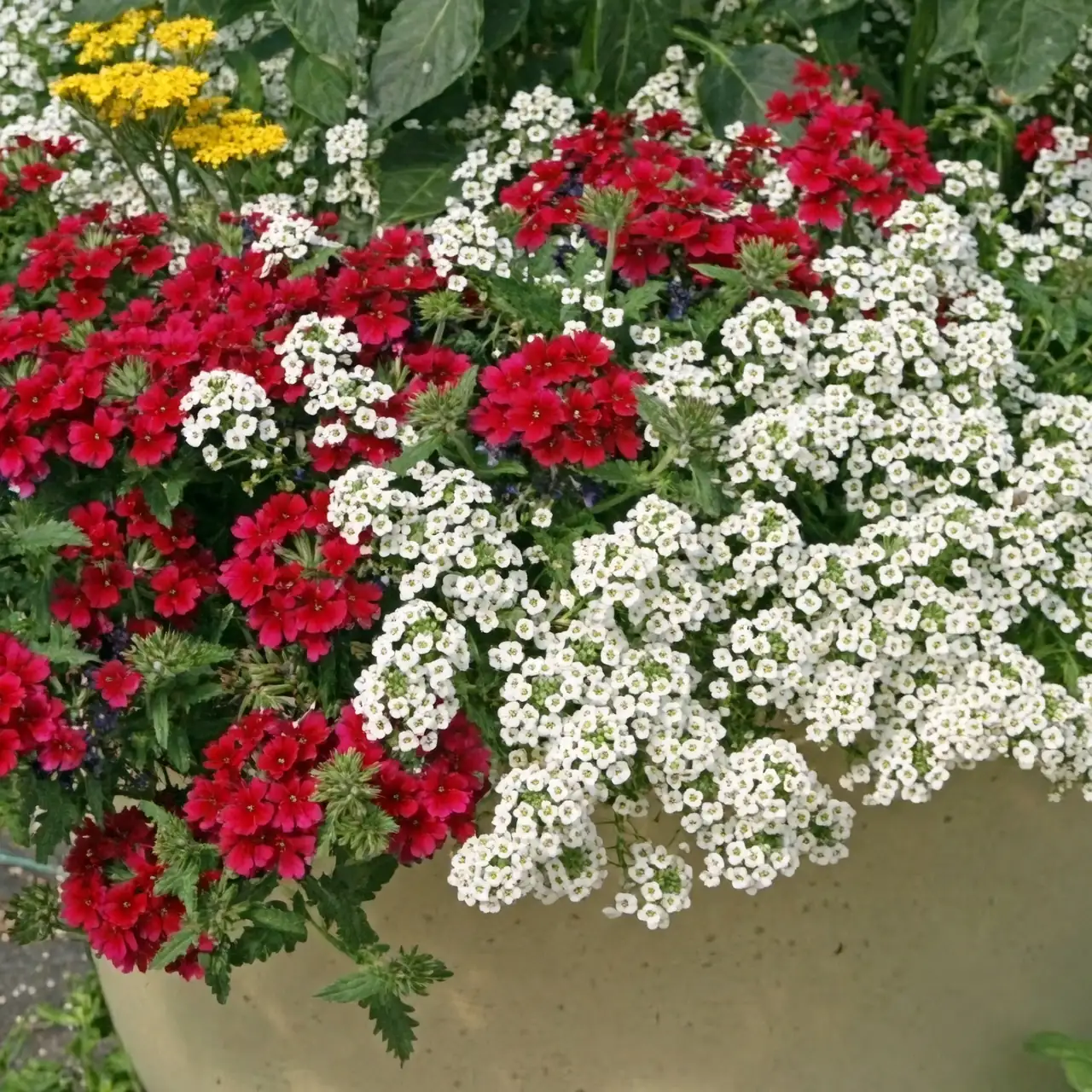
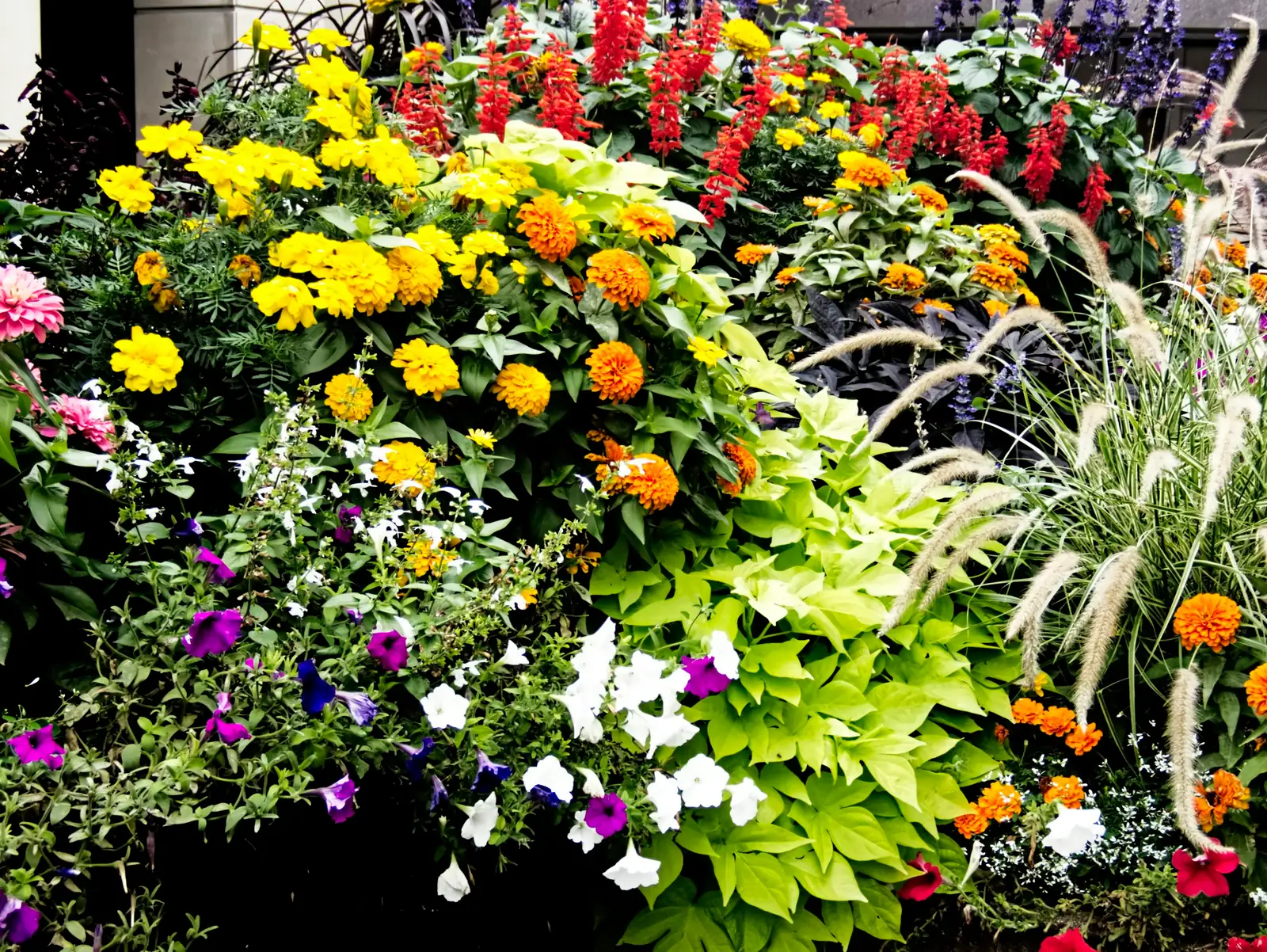
Use the tried-and-true “thriller, filler, spiller” framework for containers. Annual phlox happily plays the thriller in mid-size pots or a generous filler in big bowls.
Palette 1: Electric sherbet
- Thriller: Annual phlox in hot pink or coral bicolor
- Fillers: Upright verbena (Verbena x hybrida) in magenta; airy dwarf fountain grass (Pennisetum alopecuroides ‘Little Bunny’)
- Spiller: Trailing lobelia in cobalt blue
- Why it works: Saturated warms meet cool blue, while the grass adds movement and a touch of calm.
Palette 2: Indigo fizz
- Thriller: Deep purple annual phlox with a pale “eye”
- Fillers: Compact verbena in violet; sweet alyssum (white) for sparkle and fragrance
- Spiller: Cascading lobelia (sky blue)
- Why it works: Blue-on-purple harmonies feel cool and lush; alyssum stitches the whole look together.
Palette 3: Fireside bicolor
- Thriller: Red-and-white bicolor phlox
- Fillers: Cherry verbena; tufted blue fescue (Festuca glauca) for steel-blue contrast
- Spiller: Sweet alyssum (soft pink or white)
- Why it works: Strong contrast and graphic bicolors read beautifully from a distance.
Palette 4: Soft sorbet
- Thriller: Blush-pink phlox
- Fillers: White verbena; airy hair sedge (Carex comans ‘Frosted Curls’)
- Spiller: White alyssum
- Why it works: A pale, romantic blend that’s fresh and modern with fine-textured grasses.
Design tips
- Choose companions that like sun and steady moisture—verbena, lobelia, and alyssum align well with phlox’s needs.
- Repeat at least one color in two different plants to create cohesion (e.g., echo the phlox eye color in the spiller).
- Use one bold element—bicolor phlox, a dark pot, or a ruby grass—so the container reads as a curated statement, not visual noise.
Powdery mildew? Not in this pot
- Space and airflow: Keep foliage from touching; thin lightly if things get crowded.
- Water smart: At the base, mornings only; avoid wet leaves late in the day.
- Location: A gentle breeze helps. Don’t wedge pots into windless corners.
- Hygiene: Remove and discard any heavily infected leaves.
- If needed: Use a labeled fungicide (sulfur-based options are common) on a 7–10 day schedule until conditions improve.
Snip-and-smile: turn your container into a cut-flower patch
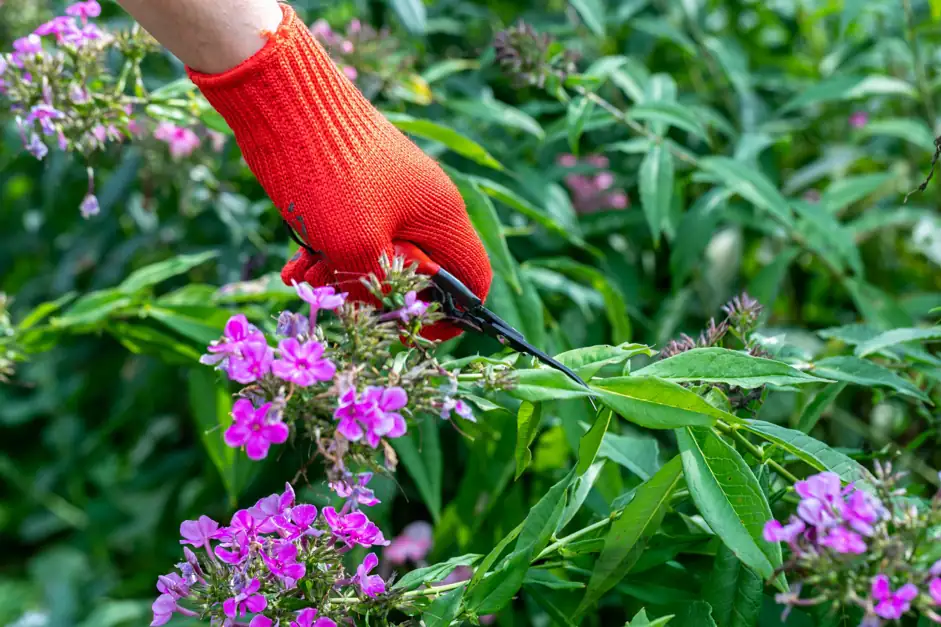
- When to cut: Early morning when stems are turgid. Harvest when a third to half of the florets on a cluster are open.
- Technique: Use clean, sharp snips; cut above a leaf node to prompt reblooming. Strip leaves that would sit below water.
- Conditioning: Place stems in lukewarm water for at least an hour; keep vases clean and out of direct sun.
- Ongoing bloom: Regular cutting functions like deadheading—expect more clusters to follow.
Quick seasonal calendar for small-space growers
- Spring: Start seeds indoors 6–8 weeks before last frost; sow shallowly (they like light to germinate) at 59–68°F (15–20°C). Transplant outdoors after frost with room for airflow.
- Summer: Water steadily, deadhead often, and offer light afternoon shade during extreme heat. Scout for aphids, spider mites, and leaf miners; treat early with insecticidal soap.
- Fall: Clear tired plants and discard diseased foliage—don’t compost mildew-laden leaves.
- Winter: In most climates, annual phlox won’t survive frost; plan next season’s color story.
Buying smart
- Look for compact, sturdy plants with clean green leaves and plenty of unopened buds.
- Skip any with powdery residue, spotting, or pests.
- In containers, plant fewer, better plants rather than overcrowding—phlox rewards breathing room with longer, heavier bloom.
Troubleshooting in containers
- Leaves yellowing? Most often too-wet soil or too little light. Let the top layer dry slightly, ensure drainage is excellent, and aim for 6–8 hours of sun.
- Fewer flowers? Deadhead more, avoid late heavy nitrogen, and shift to a bloom-forward feed once buds form.
- Heat wave wilt? Provide brief afternoon shade and water deeply; coarse mulch (compost or fine gravel) helps moderate moisture and temperature.
Flower language, thoughtfully considered
In Victorian floriography—the 19th-century “language of flowers”—phlox often symbolizes harmony, shared sentiment, and unity (“we think alike”). Color adds nuance: pink for affection, white for purity, purple for wisdom or spirituality, red for passion. While charming, remember these meanings were never universal; they reflect a specific cultural moment. Today, gifting phlox feels like offering a wish for easy companionship and beautifully aligned plans.
Safety notes
- No significant toxicity is commonly reported for ornamental phlox, but it isn’t a snack—discourage pets and children from nibbling.
The takeaway
Give Annual Phlox bright sun, a fast-draining, compost-kissed mix, thoughtful watering at the soil line, and breathing room. Fold in verbena, lobelia, sweet alyssum, and a wisp of grass, and watch a modest container explode into color—week after week—while you harvest armfuls of cheerful, starry stems. Small space, big bouquet energy.