

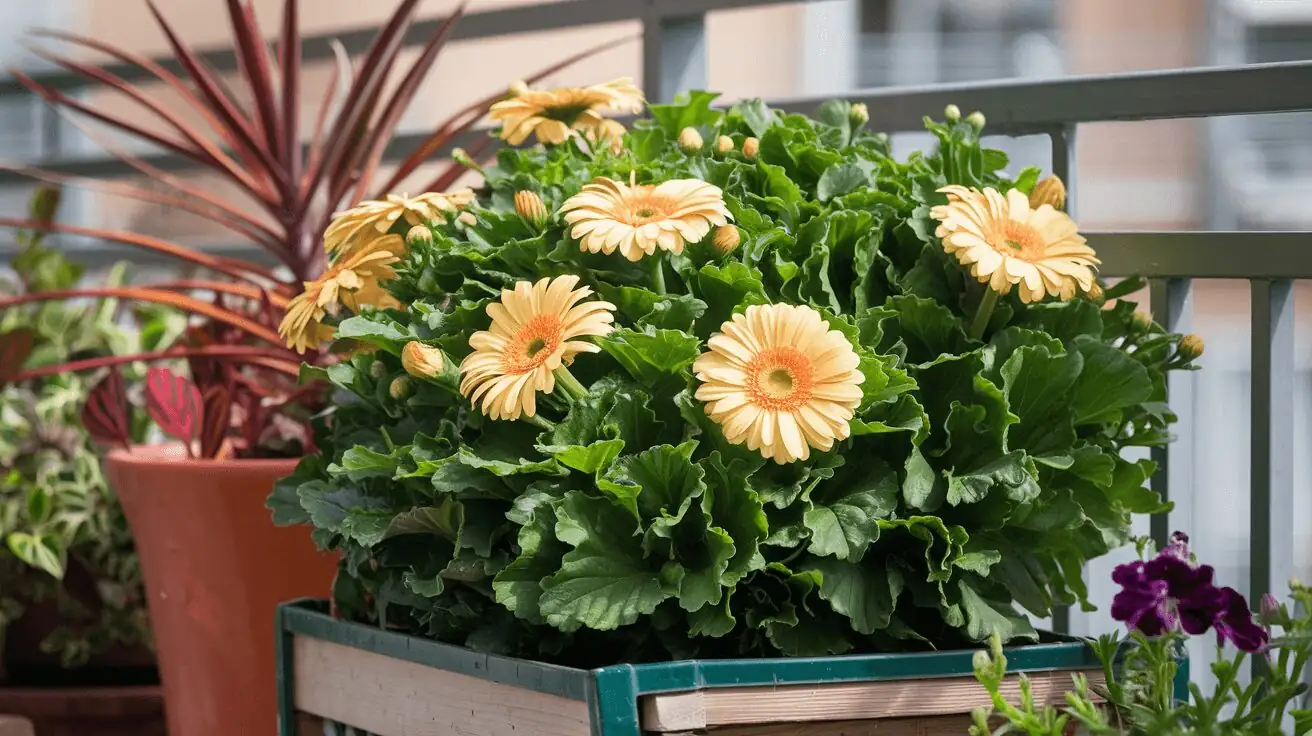
Gerbera jamesonii knows how to light up a space. Those bold, graphic “sunburst” blooms float above a tidy rosette of green leaves, delivering pure color therapy from spring through fall (and often longer indoors). The secret to nonstop flowers in a pot? A simple, proven plan: an airy, slightly acidic mix, a right-sized pot, steady-but-light feeding, precise deadheading, and cool-headed shade strategies for scorching afternoons.
Here’s your step-by-step, fail-safe approach.
Meet Gerbera jamesonii in a pot
- Origin and vibe: Native to southern Africa (notably around Barberton in South Africa), Gerbera jamesonii packs big personality into a compact, container-friendly plant.
- Look and size: A low rosette of softly hairy, lobed leaves sends up leafless stems topped with 2–6 inch flowers in white, cream, yellow, orange, salmon, pink, and red. Most potted plants bloom at about 20–45 cm (8–18 in) tall.
- Light and temps: Give very bright light to full sun—about 6+ hours daily. In heat or behind glass, pivot to morning sun with light midday/afternoon shade. Best flowering typically happens around 18–24°C (64–75°F); keep above 10°C (50°F). Not frost hardy.
The proven pot plan
1) The ideal mix: airy and slightly acidic
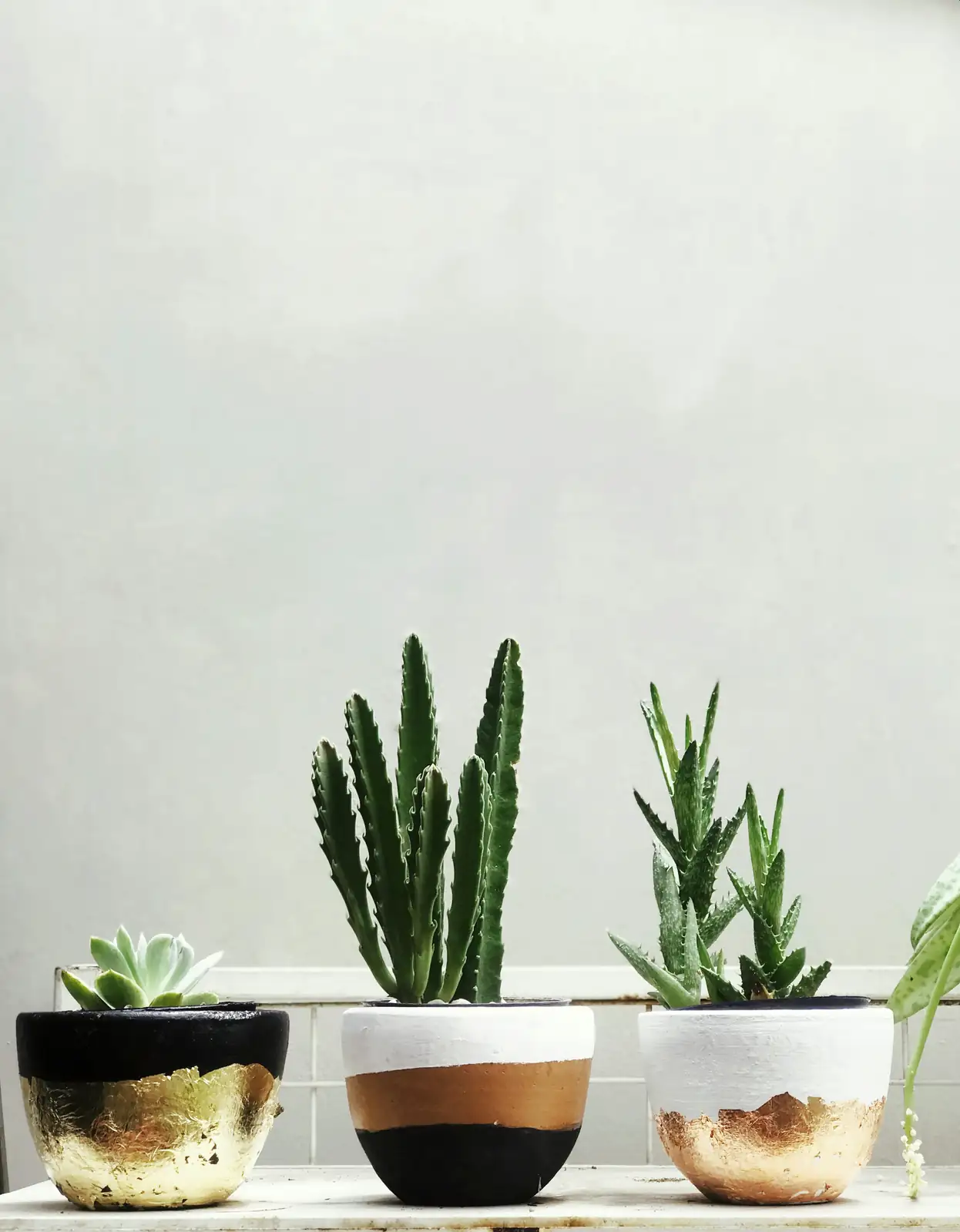
Think “fluffy, fast-draining, and just a touch tangy.”
- Target pH: 5.5–6.5 (slightly acidic helps nutrient uptake, especially iron).
- Structure: Rich but free-draining. Aim for lots of air around roots.
- Easy recipe (by volume):
- 50% peat or coco coir
- 25–30% perlite or pumice
- 10–15% fine compost or worm castings (go light—too much can waterlog)
- 5–10% coarse horticultural sand or small grit for extra drainage
- Pro tips:
- Keep the crown at or slightly above the final soil surface. Never bury it.
- Top-dress with fine grit around the crown to keep it dry and discourage rot.
- Avoid heavy, water-retentive mixes or ones overloaded with big wood chunks.
2) Pot size and material: just right beats just big
Gerberas prefer snug, breathable quarters over cavernous, soggy tubs.
- For a single plant: A 12.5–15 cm (5–6 in) pot is the sweet spot once it’s ready to step up from the nursery pot. Move up only one size when root-bound.
- For group plantings: Use 20–25 cm (8–10 in) wide containers and ensure airflow between plants.
- Material:
- Terracotta breathes (healthier roots, faster dry-down) but needs slightly more frequent watering.
- Plastic holds moisture longer (handy in hot, dry climates) but watch drainage carefully.
- Essentials: Multiple drainage holes; never let water pool in the saucer.
3) Watering rhythm that prevents rot

Water like a rainstorm, then let a breeze pass.
- Soak thoroughly, then let the top 2–5 cm (1–2 in) dry before watering again.
- Always water the soil, not the rosette. Avoid wetting leaves and the crown.
- Water early in the day to dry surfaces by evening and curb mildew/Botrytis.
- Summer: You may water several times a week, especially in heat waves.
- Winter: Reduce frequency; keep the mix slightly drier between drinks.
4) Fertilizing rhythm for relentless color
Feed little, feed often—then ease off.
- Active growth (spring through late summer): Apply a balanced liquid fertilizer every 2 weeks at label rates.
- For more buds vs. leaves: Alternate with a bloom-leaning formula (higher K and P, modest N).
- Monthly flush: Run clear water through the pot to prevent salt buildup in containers.
- Autumn/winter: Scale back or pause feeding as growth slows.
5) Deadheading to the base—your bloom trigger
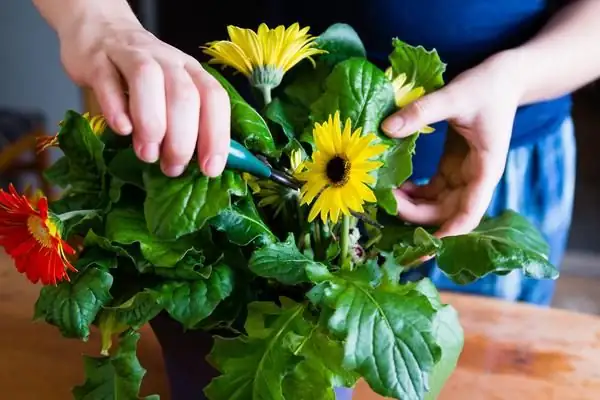
Spent flowers left high and dry say “season over.” Cutting to the base says “encore!”
- How-to:
- Use clean, sharp snips.
- Follow the finished stem all the way down and cut at the base, close to the crown.
- Remove tired, yellowing leaves to keep the rosette open and airy.
- Why it works: It redirects energy to new buds and keeps disease-prone dead tissue away from the crown.
6) Shade strategies for scorching afternoons
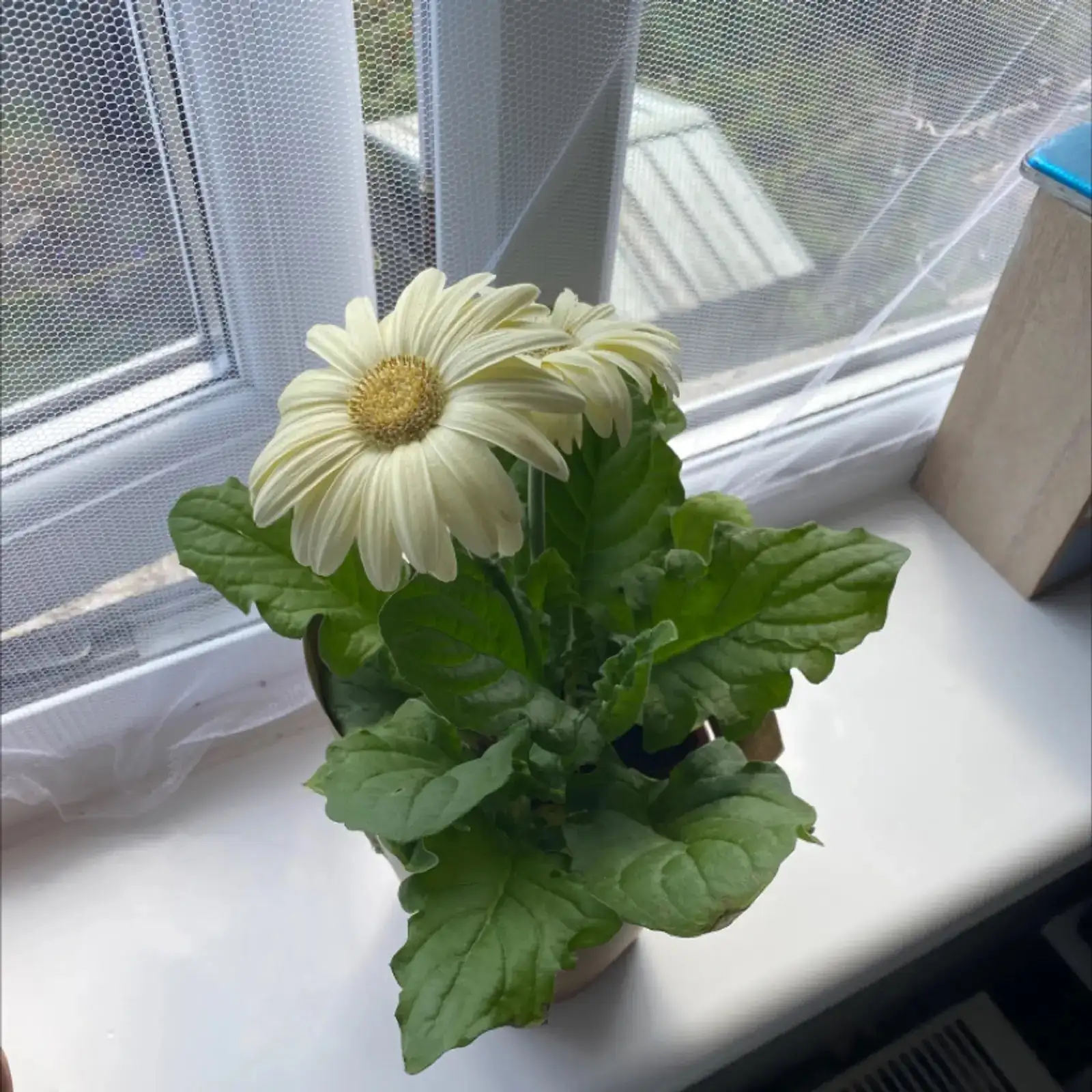
Keep petals perky by dodging heat stress.
- Placement:
- Best: Morning sun + light afternoon shade in hot spells.
- Behind glass: Filter midday sun with a sheer curtain or move the pot a few feet back.
- Portable shade:
- A 30–40% shade cloth during heat waves
- Park near taller, airy companions that cast dappled shade (without crowding)
- Keep it cool:
- Choose light-colored pots to reduce root-zone heat.
- Increase airflow with spacing and gentle breezes; avoid stuffy corners.
- Signs you need more shade: Wilting midday despite moist soil, crisped leaf edges, washed-out or short-lived blooms.
Seasonal playbook
- Spring
- Repot if root-bound; refresh mix if needed.
- Resume feeding every 2 weeks; ramp up light.
- Start your deadheading-and-tidying habit.
- Summer
- Prioritize airflow and shade during the hottest hours.
- Water more frequently but never let the mix stay soggy.
- Watch for thrips, spider mites, whiteflies, and aphids; act early.
- Autumn
- Often a second bloom flush—stay the course with light and airflow.
- Gradually reduce watering as nights cool.
- Winter
- Keep above 10°C (50°F).
- Water sparingly, keep leaves dry, and pause or greatly reduce feeding.
- Bright light is still essential indoors.
Troubleshooting quick hits
- Buds or blooms rotting in the crown
- Cause: Water in the rosette, soggy mix, heat plus poor airflow.
- Fix: Water soil only; lighten the mix; add airflow; provide gentle afternoon shade.
- Yellowing leaves
- Cause: Too wet/too dry, low light, cold stress, or nutrient issues.
- Fix: Check drainage, adjust watering rhythm, brighten light, resume light feeding. If your mix is alkaline, switch to slightly acidic inputs to improve iron uptake.
- Lots of leaves, few flowers
- Cause: Insufficient light or excess nitrogen.
- Fix: Increase light; alternate with a bloom-leaning fertilizer.
- Powdery mildew or gray mold (Botrytis)
- Cause: Stale, damp air and wet foliage.
- Fix: Improve ventilation, water early at soil level, remove affected tissue promptly.
Propagation, repotting, and longevity
- Division: Split established clumps in spring; each division needs roots and at least one growing point. Replant with the crown at or slightly above soil level.
- Seed: Possible, but hybrids may not come true. Best sown around 18–20°C (64–68°F).
- Repotting cadence: When root-bound, step up one pot size—often to 12.5–15 cm (5–6 in) for a single plant. Keep that crown high and dry.
Safety, pets, and cut-flower bonus
- Safety: Generally regarded as non-toxic to humans and commonly listed as non-toxic to cats and dogs. Still, discourage nibbling.
- For the vase: Use a very clean vase, keep water shallow, change it often, and consider floral preservative. If stems droop, a support collar or tighter bouquet helps.
A short note on “flower language”
Gerbera daisies are modern icons of optimism—often gifted to signal cheer, admiration, and warmth. While you’ll see color-by-color meanings (red for passion, yellow for joy, pink for gentle admiration, white for purity, orange for enthusiasm), these aren’t rooted in a single ancient tradition so much as in the flower’s universal, high-spirited look. In other words, the “language” here is the joy your eyes already understand.
—
Your take-home formula:
- Airy, slightly acidic mix (pH 5.5–6.5)
- A right-sized pot (5–6 in for a single; don’t oversize)
- Water deeply, then let the top 1–2 inches dry; never wet the crown
- Feed every 2 weeks in the growing season; alternate with bloom booster if needed
- Deadhead right to the base
- Give bright light with gentle afternoon shade when heat spikes
Follow this rhythm and your Gerbera jamesonii will keep the color coming—cool, composed, and absolutely camera-ready.


