


If you’ve ever looked up at a hanging spider plant and thought, “Why is it throwing confetti on strings?”—you’ve met one of houseplantdom’s happiest quirks. Chlorophytum comosum grows long, arching stolons (runners) that dangle tiny, ready-to-root clones like a living mobile. Give it bright light and a comfortably snug pot and it will reward you with starry flowers and an avalanche of babies you can root in minutes. Let’s demystify the stolon show and set you up for effortless propagation.
Meet Chlorophytum comosum (aka Spider Plant)
- Family: Asparagaceae; Genus: Chlorophytum
- Origin: Southern Africa; now a global indoor favorite
- Look: Fountain-like rosette of narrow, arching leaves—solid green or boldly striped
- Size: Clumps about 20–45 cm tall; runners commonly 30–90 cm long
- Vibe: Beginner-friendly, fast to fill a pot, famously generous with plantlets
Stolons 101: The Spider’s “Silk”
A stolon is a long, wiry stem the plant sends out above the foliage. Along it, you’ll find:
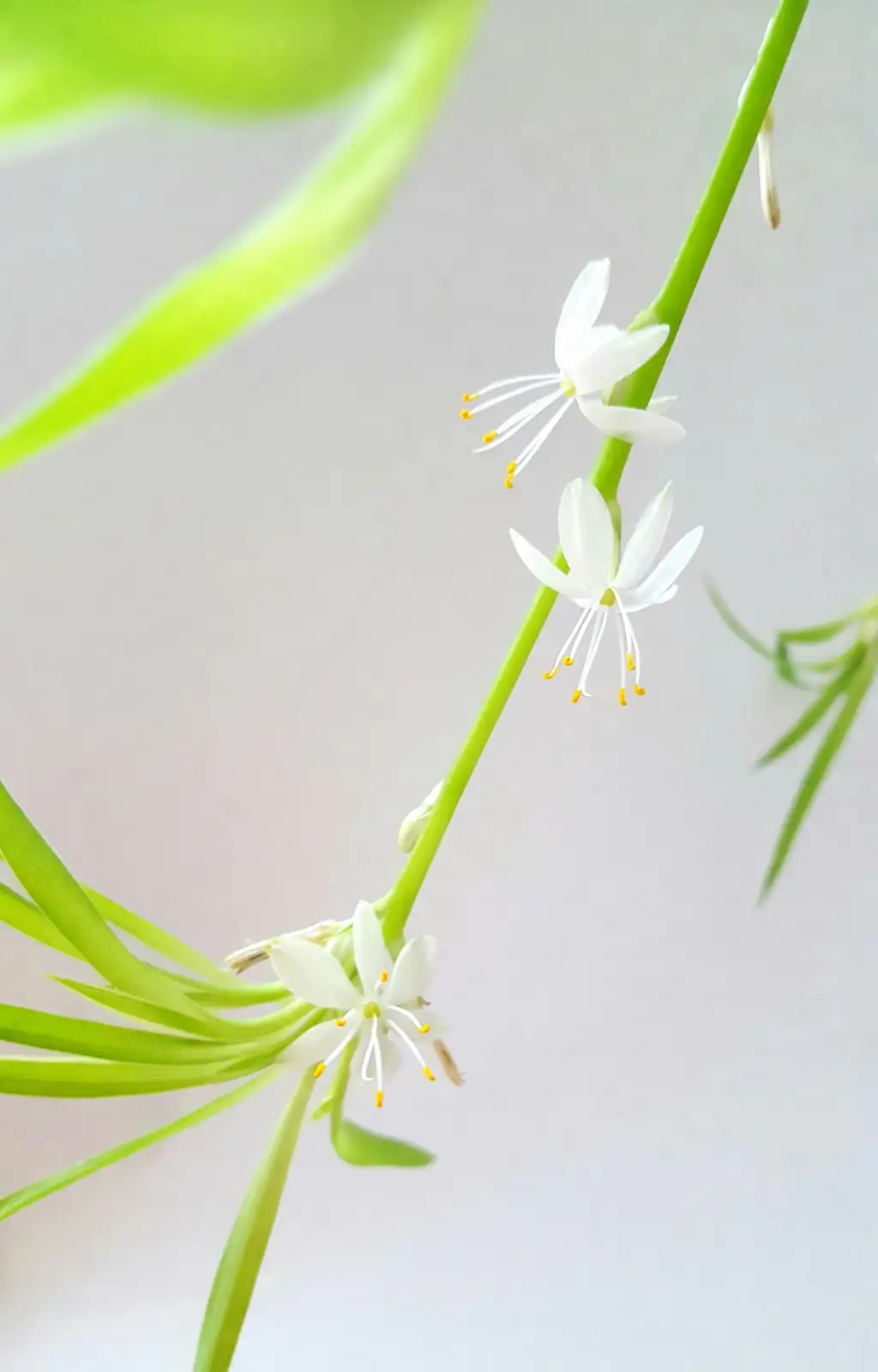
- Tiny, star-shaped white flowers in loose clusters (sometimes with a light, pleasant fragrance).
- Plantlets (“spiderettes”) with little aerial roots that are basically begging to start life in their own pot.
Why stolons? It’s the plant’s cloning shortcut: each plantlet is a copy of the parent, complete with variegation pattern. In good indoor conditions, spider plants flower mostly spring through summer, but they may bloom and produce plantlets off and on year-round if it’s warm and bright.
How to Nudge Yours to Bloom and Make Babies
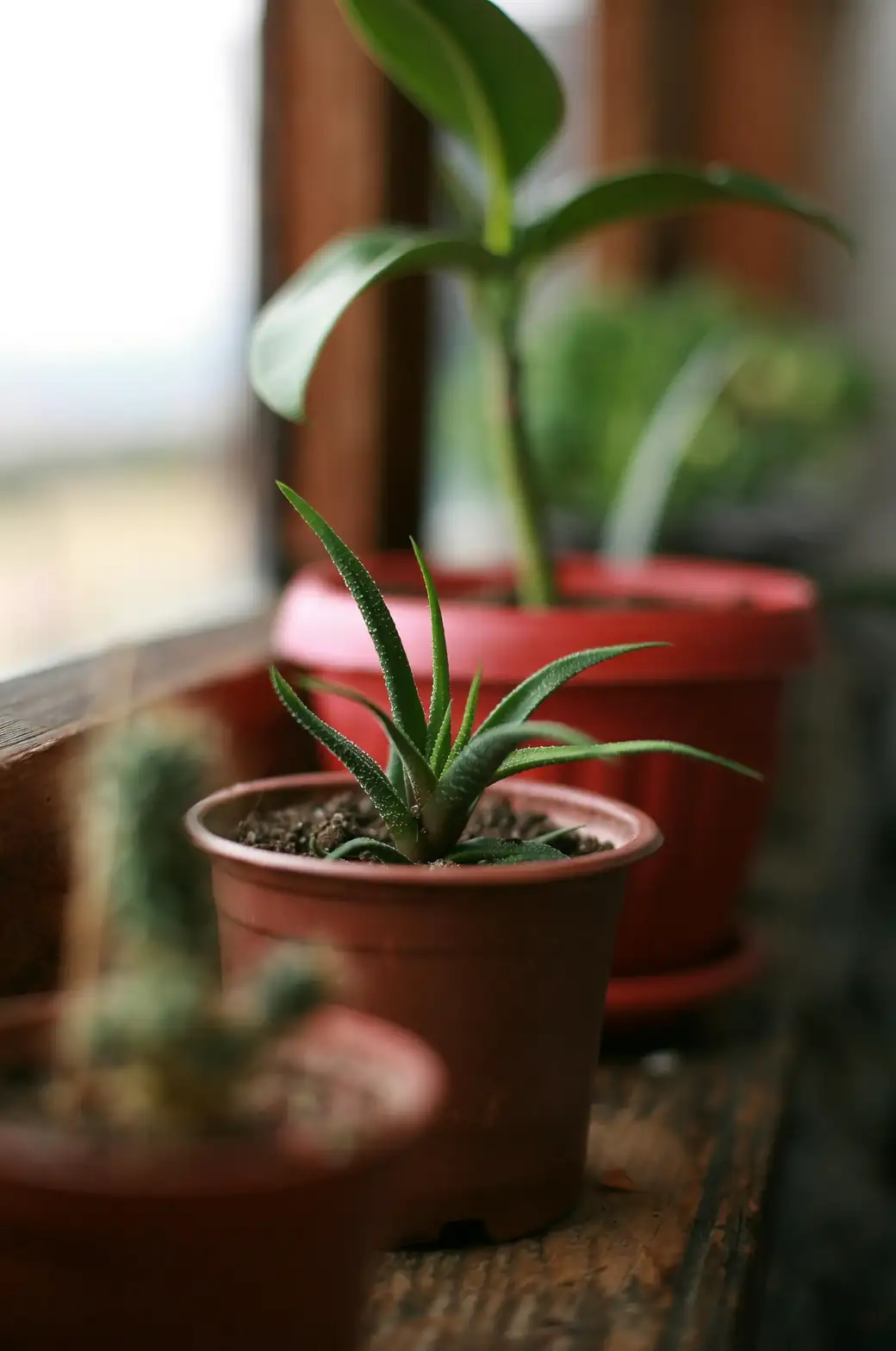
Think cues, not tricks. A few simple conditions push spider plants from leafy to lively-with-runners:
- Bright, indirect light
- Near an east window or a bright north window is perfect; or set it a few feet back from a sunny south/west window or behind a sheer.
- Low light = fewer flowers/plantlets and duller variegation.
- A slightly snug pot
- Resist jumping multiple pot sizes. A cozy root zone often encourages stolons.
- When repotting, move up just 2.5–5 cm (1–2 in) and refresh the mix.
- Steady, not excessive feeding
- Feed lightly but regularly during spring–early autumn.
- Avoid heavy nitrogen that pushes “all leaf, no show” and can mute stripes.
- Even moisture and mild warmth
- Aim for “evenly moist, never soggy.” Let the top 2–3 cm dry before watering again.
- Ideal temps are around 18–24°C (64–75°F). Keep above about 7°C (45°F).
- Gentle indoor warmth and longer days help nudge flowering.
- Stress to skip
- Harsh midday sun (can scorch leaves), extended heat above ~30°C (86°F), bone-dry soil, and soggy roots all dampen stolon enthusiasm.
Rooting Spiderettes: Three Foolproof Ways
Once plantlets show little roots (or at least look plump and well-formed), they’re almost guaranteed to grow. Choose the method that fits your style.
1) Root in water (fast, satisfying)
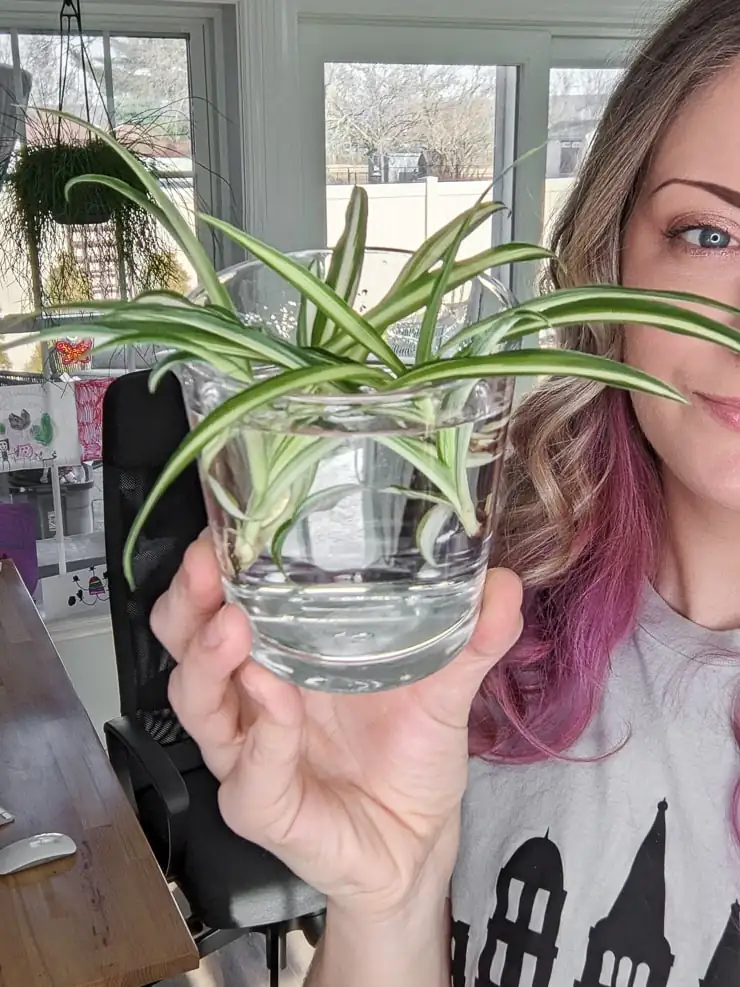
- Snip a healthy plantlet from the runner.
- Set only the roots in water—keep the crown (where leaves emerge) above the waterline.
- Place in bright, indirect light and change the water every 7–10 days in spring/summer (about every 2 weeks in winter).
- When roots are a few centimeters long (often 1–2 weeks), pot into a loose, well-draining mix.
Pro tip: If your tap water is high in minerals or fluoride, use filtered, distilled, or rainwater—spider plants are prone to brown tips from salts.
2) Pot them up in soil (cut or keep attached)
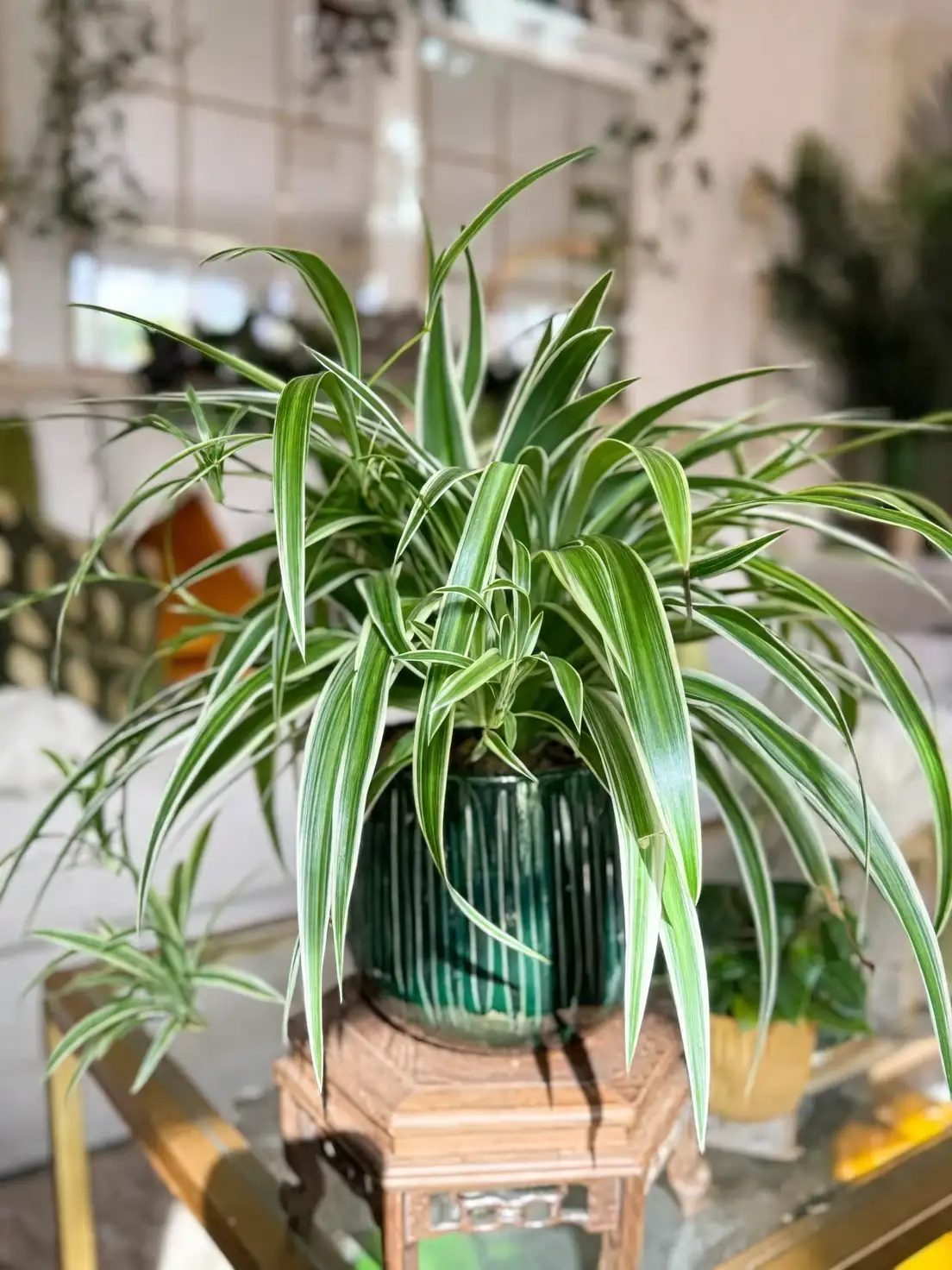
Two easy options:
- While attached (layering): Sit a small pot of moist mix next to the mother, pin the plantlet’s roots onto the mix, and wait until it grabs hold. Then snip the runner.
- Detached: Cut the plantlet, pot it into a small container with airy mix, and keep it evenly moist in bright light until new growth appears.
Soil recipe: An all-purpose houseplant mix lightened with perlite and/or coarse sand, plus some peat or leaf mold for moisture balance. Good drainage is non-negotiable.
3) Divide a crowded clump (instant upgrade)
- Best in spring. Lift the plant, gently tease apart congested sections, and repot each division.
- Refresh with fresh, free-draining mix and water in thoroughly.
- Divisions bounce back quickly and often resume runner production once established.
Care That Fuels Flowers and Runners
- Light: Bright, indirect is the sweet spot; gentle winter sun is fine.
- Water: Thorough soak, then drain. Water again when the top 2–3 cm is dry. Overwatering is a more common problem than underwatering due to the plant’s fleshy, water-storing roots.
- Monthly “flush”: Rinse the potting mix with lukewarm water (around 25°C / 77°F) to clear built-up salts that cause brown tips.
- Feeding: Balanced liquid fertilizer every 2–3 weeks in active growth, lighter or pause in winter. Go easy on nitrogen, especially on variegated forms.
- Humidity: Adaptable to average homes; moderate humidity keeps leaf tips nicer. In very dry rooms, occasional midday misting or a pebble tray helps.
- Temperature: Aim for 18–24°C (64–75°F). Avoid prolonged heat above ~30°C (86°F) and protect from chills below ~7°C (45°F).
- Repotting rhythm: Every 2–3 years or when thick roots circle and poke through drainage holes. Move up only one size if you want to keep those runners coming.
Troubleshooting Your Spider Mobile
- No plantlets? Brighten the spot, keep the pot slightly snug, and avoid heavy nitrogen. Let the plant reach a bit of maturity and maintain even moisture—severe dryness can slow stolon production.
- Brown leaf tips? Usual culprits: salts/fluoride in tap water, dry air, inconsistent watering, or too much fertilizer. Switch to filtered/rainwater if possible, flush the mix monthly, and trim tips along the leaf’s natural point for a neat look.
- Pests: Spider mites, mealybugs, scale, and occasional aphids. Rinse foliage first, then treat with insecticidal soap or neem/horticultural oil. Improve airflow if humidity is stagnant.
- Root rot watch: Never let the pot sit in water. Use a mix that drains freely.
Where to Put It (So It Actually Performs)
- Best spots: Near an east window; bright north window; a few feet back from south/west light or behind a sheer.
- Display ideas: Hanging baskets and high shelves amplify the graceful cascade. It also adapts well to water culture—just keep the crown above water and refresh regularly with diluted nutrients.
Safety, Symbolism, and Sharing
- Pet-friendly reputation: Generally considered non-toxic to people and most pets. Cats may nibble; it can cause mild stomach upset, so hang it high if your feline is a fan.
- Symbolism (flower language): Spider plant is widely seen as a symbol of resilience and renewal—an easygoing companion that bounces back and keeps giving. Unlike traditional floral “languages,” this meaning grew from everyday experience: a plant that thrives with modest care and multiplies generously becomes a living metaphor for fresh starts and abundance. It’s less folklore, more affectionate houseplant culture.
- The joy of sharing: A single mature clump can produce dozens of plantlets—enough to outfit your home and half your friends’ windows, too.
Quick Reference: Grow for Blooms and Babies
- Light: Bright, indirect
- Pot: Slightly snug; upsize sparingly
- Water: Evenly moist, never soggy; flush salts monthly
- Feed: Light but regular in spring–early autumn; go easy on nitrogen
- Temp: 18–24°C ideal; above ~7°C minimum
- Propagate: Plantlets in water or soil, layering, or divide in spring
Once you dial in bright light and that just-right pot fit, Chlorophytum comosum practically scripts its own sequel—flowers cue runners, runners cue plantlets, and plantlets cue a new generation of dancing ribbons. Clip, root, share, repeat.


