

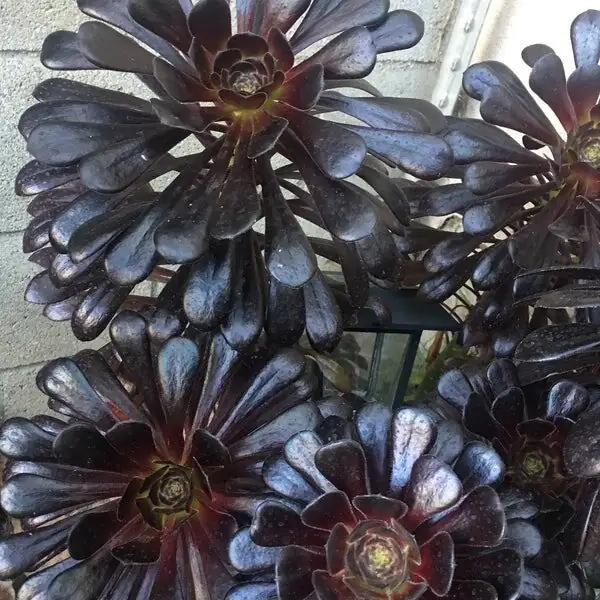
Meet the Black Rose Aeonium—Aeonium arboreum ‘Zwartkop’—a sculptural succulent that wears glossed, near-black rosettes on woody arms like a bouquet of midnight roses. It’s an “architecture plant” that does a clever seasonal dance: powering up through the cool months, then easing into a summer semi-rest. Use this checklist-style calendar to nail the feeding windows, repotting, pruning, summer “sip” mode, and how to keep those rosettes in their darkest finery through autumn and winter.
Before you start: your success kit
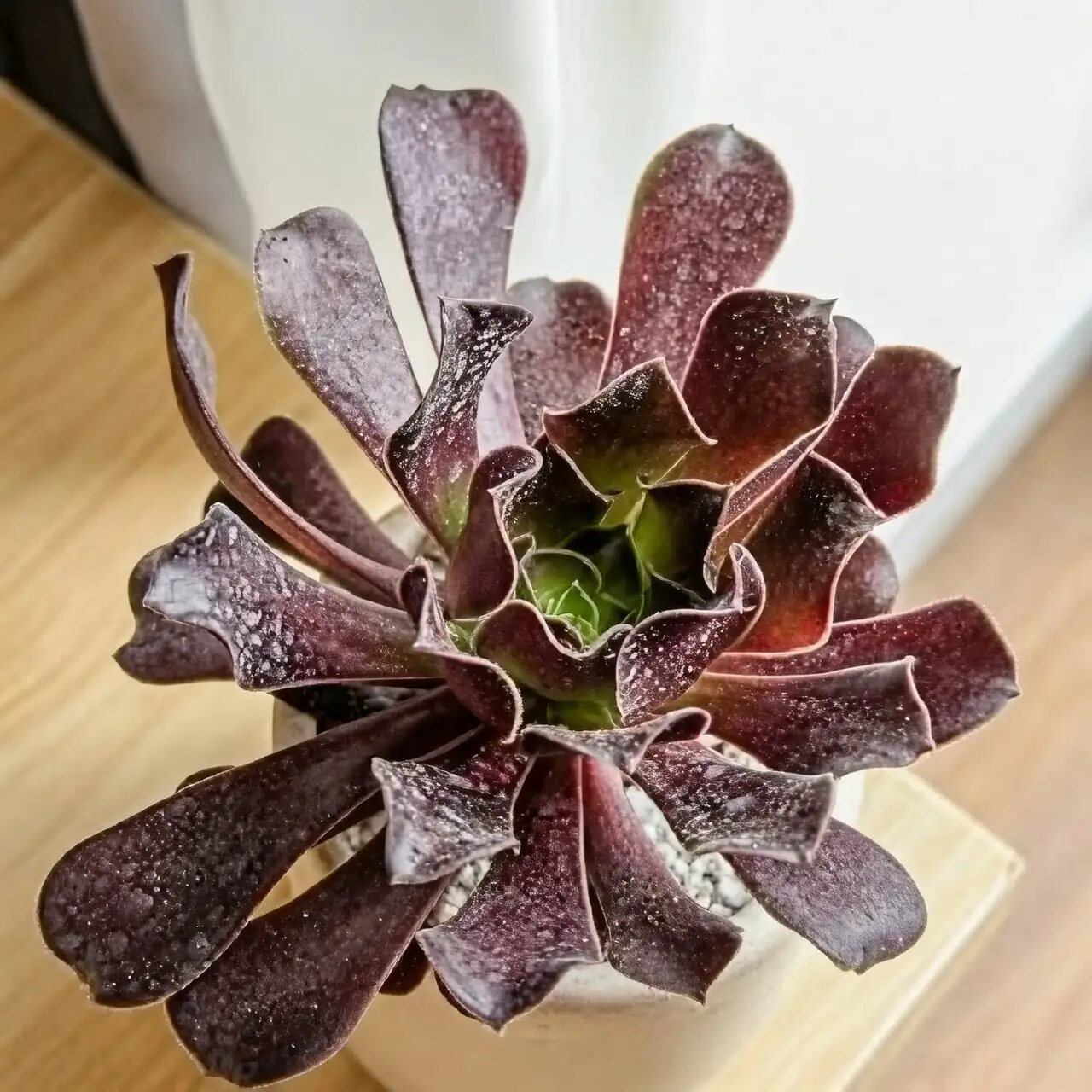
- Light: Full sun to very bright light. Indoors, give it the brightest window you have; in heatwaves (especially behind glass), filter midday sun with a sheer curtain or pull it a little back from the pane.
- Temperature: Happy around 10–24°C (50–75°F), with vigorous growth near 20–25°C (68–77°F). Keep frost-free; safer above ~6°C (43°F).
- Soil & pot: Fast-draining cactus/succulent mix cut generously with grit, pumice, or coarse sand. Always use drainage holes. Terracotta helps prevent soggy roots.
- Watering compass: Water deeply, then drain completely. In the cool-season growth phase, water when the top layer has dried; in summer heat, almost dry—with only tiny “sips” if rosettes wrinkle.
- Habit: Rosettes may bloom in spring with clusters of small yellow, starry flowers; the blooming rosette then declines while side rosettes carry on.
The Black Rose Aeonium year: a seasonal checklist calendar
Note: Timings follow a temperate Northern Hemisphere rhythm. In the Southern Hemisphere, flip the seasons.
Autumn (Sep–Nov): wake-up and darken up
- Light and color
- Move to your brightest spot; rotate the pot weekly to keep rosettes symmetrical and evenly dark.
- Cool nights (within the safe range) plus strong light intensify deep burgundy-to-black tones.
- Water
- Resume a steady rhythm: water thoroughly when the surface dries; never leave the pot standing in water.
- Feed (start of the main window)
- Feed once a month at half strength with a balanced or low-nitrogen succulent fertilizer.
- Lean feeding preserves compact, richly colored rosettes.
- Groom and shape
- Remove dry, papery lower leaves for airflow and a tidy stem.
- Great time to take stem cuttings: let cuts callus for several days, then set in a dry, gritty mix; begin light watering only after roots form (usually in 3–4 weeks).
- Pest patrol
- After summer, check for mealybugs/scale in leaf axils. Treat early with insecticidal soap or horticultural oil.
Winter (Dec–Feb): prime color season, steady growth
- Light and warmth
- This is when ‘Zwartkop’ often looks its darkest. Provide maximum brightness; supplement with strong grow lights (12–14 hours) if days are dim.
- Keep it frost-free and away from cold, wet drafts. Above ~6°C (43°F) is the practical minimum.
- Water
- Still a growth period, but cool rooms slow drying. Water when the top layer dries; keep on the dry side if the room is cool to avoid rot.
- Feed (continue if it’s growing)
- Monthly at half strength if you see active growth. If very cool and light is low, it’s fine to pause.
- Stability and hygiene
- Branching plants can get top-heavy; use a weighty pot or decorative stones on the surface for ballast.
- Dust leaves so light can do its coloring magic.
Spring (Mar–May): repot, reset, and (sometimes) bloom
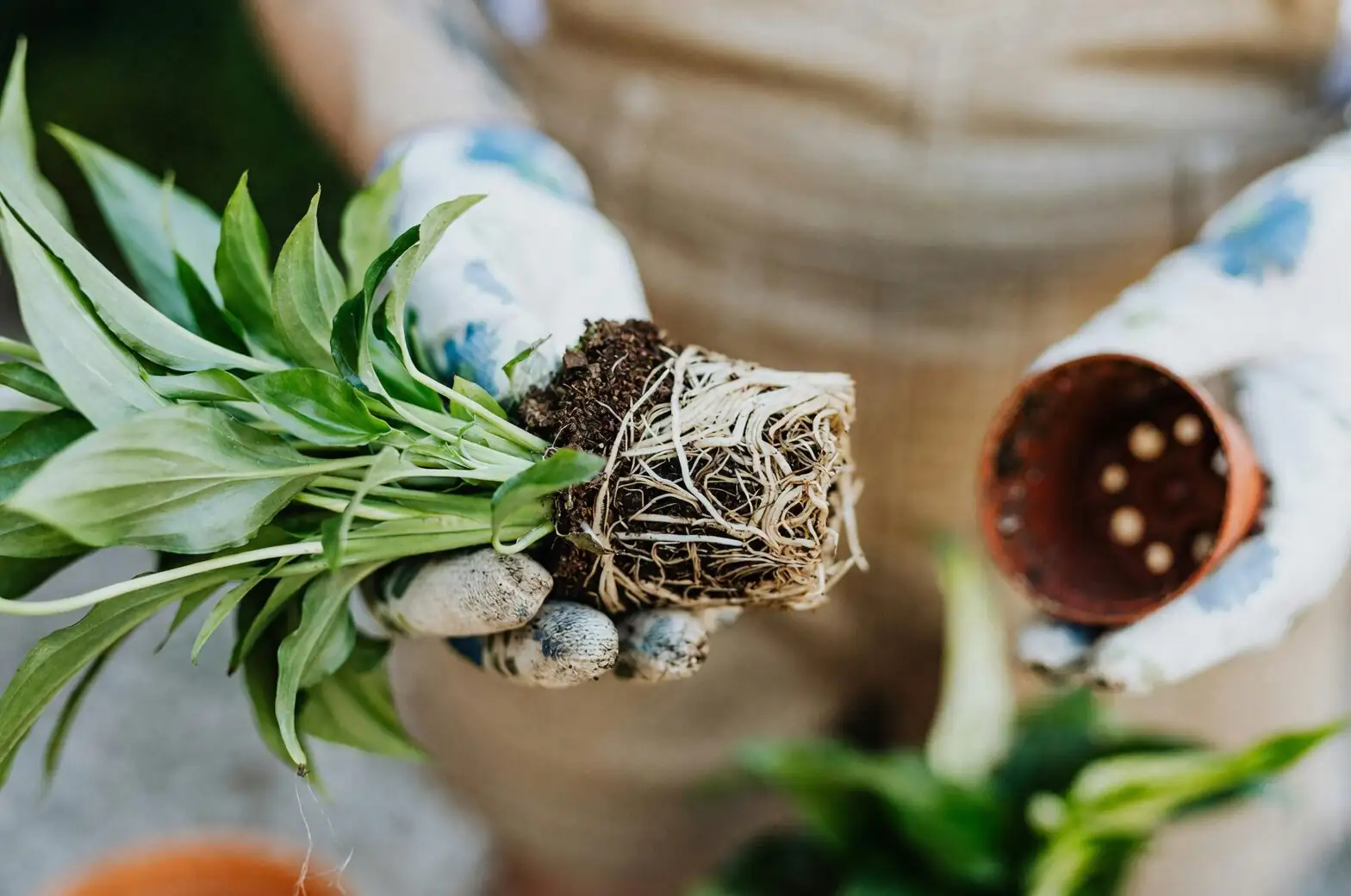
- Repotting window (every 2–3 years or as needed)
- Best time to refresh soil. Move up just one pot size and keep the mix extra-gritty.
- Common pot sizes for small-to-medium plants: 12–15 cm, always with drainage.
- Pruning and branching
- Cut back leggy stems to encourage branching; take cuttings to renew a specimen every 2–3 years if desired.
- Clean off old, shriveled leaves to improve airflow.
- Flower watch
- Mature rosettes may send up spring bloom stalks of small yellow stars. After flowering, that rosette typically declines—wait until it’s dry, then remove it. Side rosettes will carry on.
- Water and feed
- Growth is active: water when the surface dries, then fully drain.
- Feed monthly at half strength. If you’ve just repotted, skip fertilizer for 2–3 weeks.
- Sun acclimation
- If moving outdoors, harden off gradually. Provide bright exposure with midday filtering during early heatwaves.
Summer (Jun–Aug): “sip mode” and sun sense
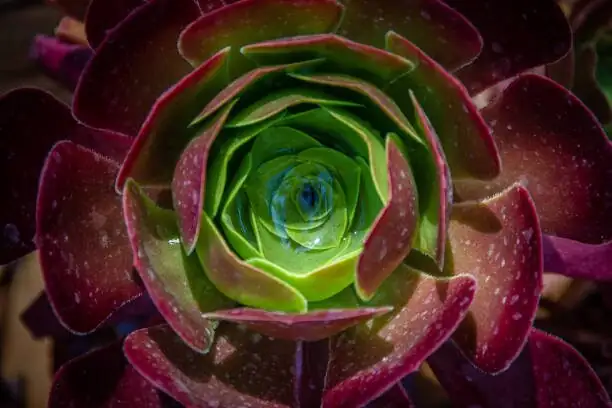
- Expect a slow-down
- Many aeoniums semi-dorm in heat; rosettes may close slightly to conserve moisture.
- Light management
- Keep very bright light, but protect from harsh midday sun behind glass. A sheer curtain or a few steps back from the window prevents scorch.
- Water: adopt “sip mode”
- Keep the mix almost dry. Offer tiny sips only if rosettes begin to wrinkle; avoid full soakings.
- Good airflow matters; never leave the mix wet and cool at night.
- Feeding pause
- Skip fertilizer during this semi-dormant stretch—overfeeding in heat leads to lanky growth.
- Pest vigilance
- Heat-stressed plants attract mealybugs and whiteflies. Inspect often and treat promptly.
The darkest-rosette playbook (cool-season color hacks)
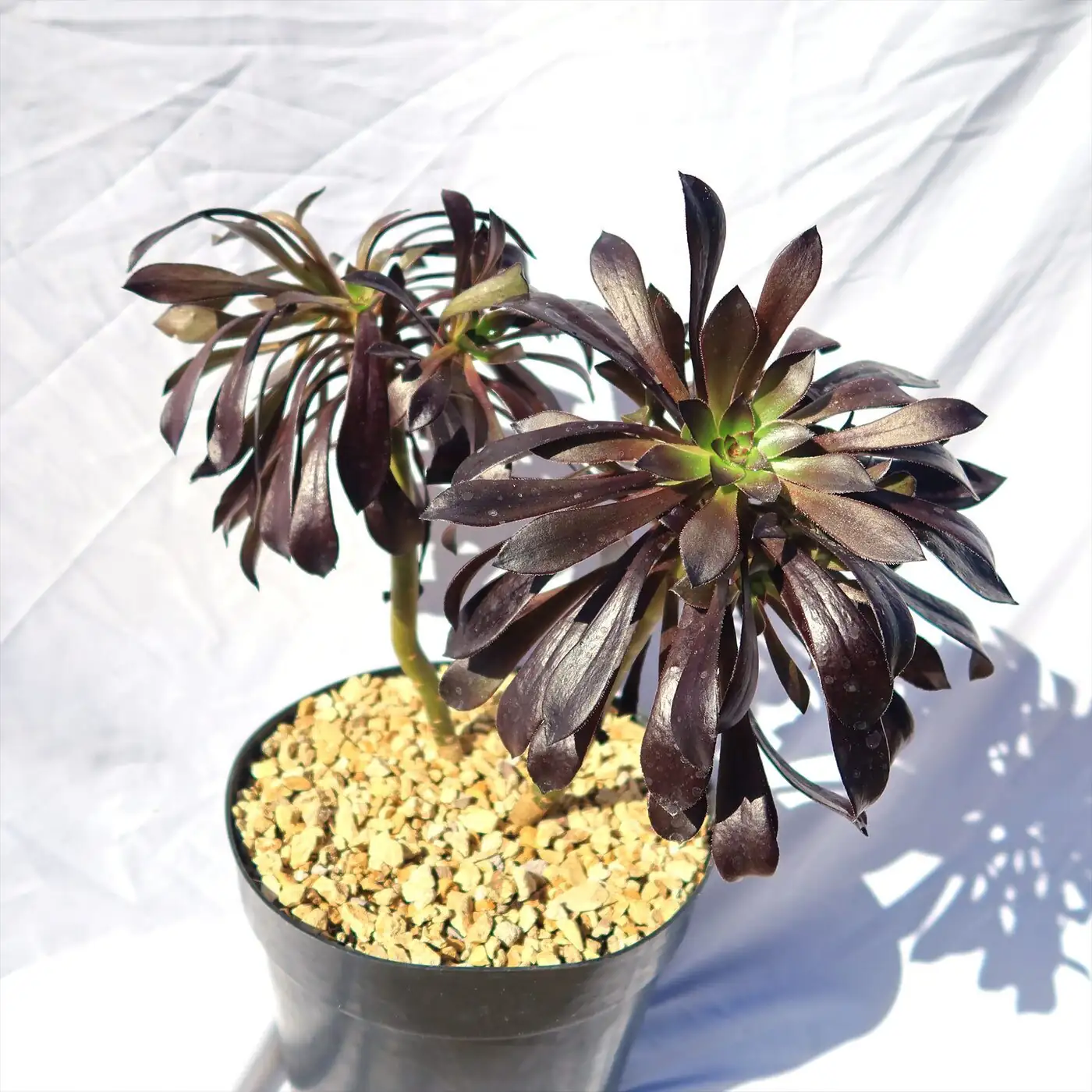
- Pour on the photons
- Sun or top-tier brightness is non-negotiable. Indoors, south or east windows are ideal; rotate weekly. Supplement with strong grow lights if needed.
- Keep it cool—but not cold
- Target bright days with cooler nights within the safe range (roughly 10–18°C/50–64°F nights). Avoid parking the plant over radiators, which can wash out color and encourage stretch.
- Feed lean, not lush
- Monthly, half-strength feed only when actively growing. Avoid high nitrogen; it pushes paler, softer growth.
- Water wisely
- Let the top layer dry before watering; in cool rooms, err slightly drier to sidestep rot and reduce stretch.
- Reduce shade from within
- Prune or reposition branches so rosettes don’t shadow each other. Remove spent leaves for light and airflow.
- Clean the “solar panels”
- Wipe dust from leaves so every ray counts. Reflective surroundings (light walls, pale surfaces) help indoors.
Repotting, pruning, propagation—quick-reference
- Repotting
- Best in spring; refresh to a gritty, fast-draining mix. Step up one pot size only.
- Terracotta or other breathable pots help prevent overwatering—a common failure point.
- Pruning
- Year-round: remove shriveled basal leaves.
- Spring: cut back leggy stems to shape; this encourages branching and keeps the plant compact and architectural.
- Post-bloom: remove the spent rosette once it’s dried; the rest of the plant will continue via side rosettes.
- Propagation
- Take a rosette with a small length of stem; let it callus several days.
- Insert into a dry, gritty mix; start light watering only after roots form (about 3–4 weeks in good conditions).
Troubleshooting at a glance
- Paler or greener rosettes
- Cause: Not enough light, too warm at night, or overfeeding.
- Fix: Increase brightness, cool the nights within safe range, switch to lean monthly feeding, and avoid high nitrogen.
- Stretchy, elongated stems (etiolation)
- Cause: Insufficient light.
- Fix: Move to stronger light, prune back in spring, restart tops as cuttings.
- Leaf scorch (bleached or crispy patches)
- Cause: Harsh midday sun through glass or sudden jump in light.
- Fix: Filter midday light with sheers; harden off gradually when moving outdoors.
- Mushy leaves or stem rot
- Cause: Soggy mix, cool + wet conditions, poor airflow.
- Fix: Improve drainage, water only when the surface dries, increase airflow, and repot into a grittier blend if needed.
- Pests (mealybugs, aphids—often on flower stalks—whiteflies, scale)
- Fix: Treat early with insecticidal soap or horticultural oil; repeat as needed. Boost airflow and light.
Why ‘Zwartkop’ steals the show
- Origin note: ‘Zwartkop’ is a widely grown dark-leaved cultivar of Aeonium arboreum, a species native to the Canary Islands. The name is often explained as “black head” in Afrikaans—apt for those dramatic near-black rosettes.
- Design appeal: A branching, rosette-forming “tree” habit makes it the perfect focal point in sunny windows, bright balconies, and patio containers.
- Flower language, loosely speaking
- While not rooted in traditional 花语, the Black Rose Aeonium is often associated with modern elegance and resilience. Its moody, sculptural rosettes communicate bold style that thrives under bright, dry conditions—endurance with poise.
Quick weekly routine (year-round)
- Check light: Is it still in the brightest possible spot? Rotate a quarter turn.
- Feel the mix: Only water when the top layer has dried (or offer a tiny sip in summer if rosettes wrinkle).
- Leaf check: Remove any crisp lower leaves; wipe dust; inspect for pests.
- Stems: If it’s getting top-heavy, add a stone for balance or prune in spring.
With this seasonal checklist, your Aeonium arboreum ‘Zwartkop’ will glide through its cool-season growth, breeze through summer “sip mode,” and keep those rosettes as dark and dramatic as a couture gown under spotlights. Set the rhythm now, and this Black Rose will reward you with year-after-year architecture and color.