
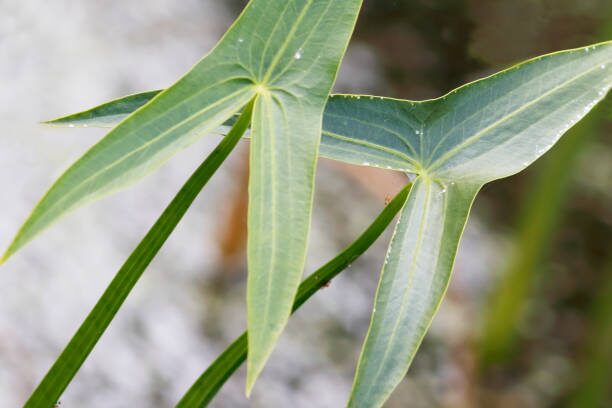
A leaf that points the way forward—Syngonium podophyllum, the Arrowhead Vine, wears its message right on its foliage. Those crisp, arrow-shaped leaves feel like a compass for the soul: progress here, fresh start there, onward we go. Pair that with a plant that grows fast, adapts easily, and even changes leaf shape as it matures, and you’ve got a living emblem of new chapters and forward momentum.
Meet the Arrowhead Vine (Syngonium podophyllum)
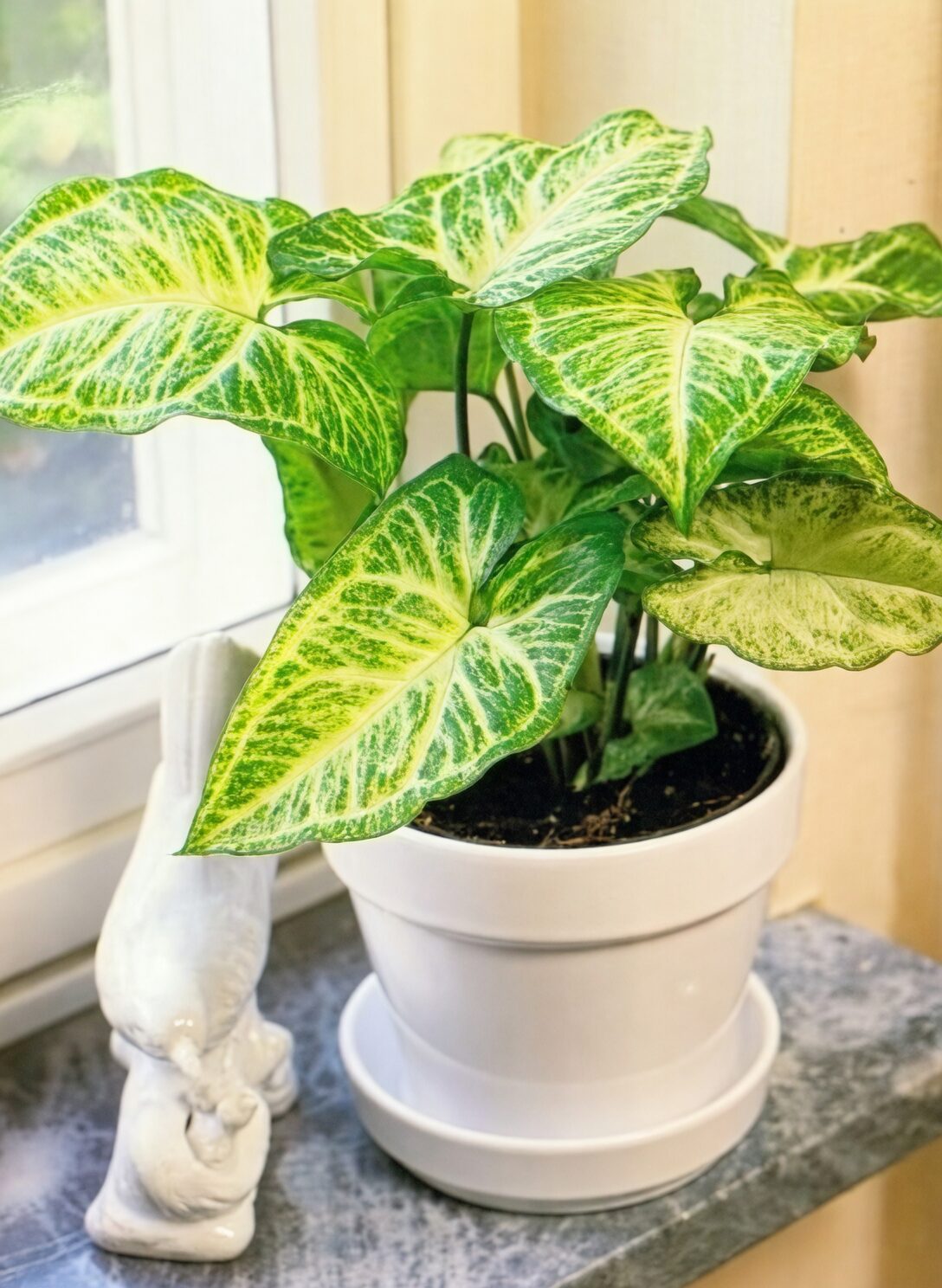
- A tropical aroid native to the Americas (from Mexico to Bolivia and the West Indies), now a beloved indoor classic.
- Also known as Arrowhead Plant, Goosefoot Plant, Nephthytis, and Silver-Veined Arrowhead Vine.
- Starts as a tidy mound with glossy, arrow-shaped leaves; with time, it trails or climbs and older leaves become more lobed—like a story unfolding.
- Comes in solid green or dreamy cream-and-green variegation. Variegated forms keep their pattern best in brighter, indirect light.
- Style it your way: let it spill from a hanging basket, keep it bushy with pinching, or train it up a moss pole for an upright, polished look.
- Easy to share: it roots readily in water or potting mix from simple stem cuttings—fresh growth in about 10–15 days in warm conditions.
Modern “Flower Language” (花语) for a Foliage Star
Where these meanings come from
Classic Victorian floriography focused on blossoms, not foliage houseplants. Syngonium’s “flower language” is a contemporary blend: it grew out of modern houseplant culture—where form and habit inspire meaning—and feng shui–influenced interpretations that see certain leaf shapes and growth patterns as energetic cues. Think of it as living symbolism we’ve agreed upon in today’s homes rather than a centuries-old code.
The symbols unpacked
- Direction and progress: The signature arrowhead leaf visually suggests a pointer. It’s the plant equivalent of a wayfinding sign—clarity, goals, and moving forward.
- Fresh beginnings and adaptability: Fast growth, easy propagation, and shape-shifting foliage mirror reinvention, flexibility, and the courage to start again.
- Good-luck greenery: In many home traditions, it’s casually treated as a friendly bringer of positive vibes—never a guarantee, but a gentle nudge toward optimism.
Thoughtful gift meanings
- New home: “May your path be bright and welcoming.” A perfect housewarming that settles happily near filtered light.
- New job or promotion: “Onward and upward.” Train it on a moss pole to symbolize upward momentum.
- Graduation or new venture: “Here’s to fresh starts and growth.”
- Recovery or life reset: “Gentle progress, one leaf at a time.”
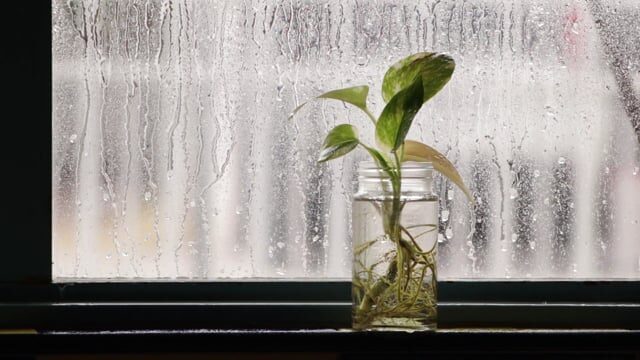
Tip for gifting: Tuck in a small care card and a note about its arrow-shaped leaves representing direction. A water-rooted cutting in a clear vase is a poetic “new chapter” too—growth you can watch day by day.
Feng Shui–Inspired Placements to Welcome Energy

Feng shui practitioners often read Syngonium’s forward-pointing leaves and lively growth as invitations for fresh chi. Let plant health lead the way—light first, then symbolism.
- Entryway (warm welcome):
- Place on a console set back from harsh sun—near an east- or north-facing window or a bright spot with a sheer curtain.
- Message: “Come in, good energy”—a soft arrow pointing toward possibility.
- Living room (social center):
- Situate in bright, indirect light: near an east window, or a step back from a bright south/west exposure.
- Trailing from a shelf suggests the journey of community; climbing a pole suggests collective uplift.
- Home office or studio (focus and ambition):
- Let it climb a moss pole beside your desk to echo progress. Many feng shui enthusiasts like east or southeast corners for “growth/wood” energy—choose a location that still meets the plant’s light needs.
- Kitchen or bath (humidity helpers):
- Naturally humid rooms make Syngonium extra happy—keep it in bright, filtered light, not direct sun.
Practical notes:
- Bright, indirect light is your sweet spot; avoid strong, direct rays that can scorch.
- Keep it away from cold drafts and heat blasts so the “welcome” stays warm and steady.
Styling that Speaks the Message
- Climbing for ambition: Train up a moss pole for taller, tidier growth and larger leaves—like goals taking shape.
- Trailing for the journey: Let it cascade from a hanging basket to symbolize movement and unfolding paths.
- Variegated spotlight: Place cream-and-green cultivars in brighter, indirect light to keep their patterns crisp—clarity of direction, visually.
- “Fresh start” water roots: A stem clipping in a glass vessel on an entry shelf becomes a clear metaphor for new beginnings.
Quick Care So the Meaning Thrives
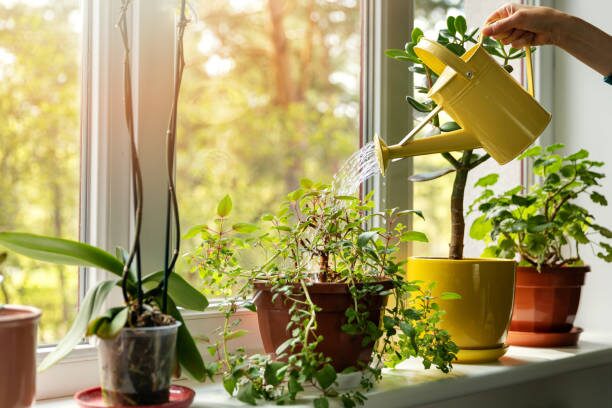
- Light: Bright, indirect light; tolerates partial shade. East or north windows are ideal; for south/west, add a sheer curtain. Variegated types prefer brighter indirect light than solid-green forms.
- Water: Keep evenly, lightly moist in active growth. Water when the top layer dries (often weekly in warm seasons). Never let the pot sit in water. In winter, water less (often every 2 weeks), letting the top dry slightly between waterings.
- Temperature: Best around 15–23°C (59–73°F); tolerates roughly 15–29°C (59–84°F). Keep above about 12°C (54°F) to avoid chills; below about 5°C (41°F), yellowing and leaf drop are likely.
- Humidity: Prefers moderate to high. Kitchens and bathrooms are great; otherwise use a humidifier, pebble tray, or morning misting.
- Soil: A loose, airy aroid mix (peat or coco with perlite/bark and a bit of compost). Aim for moist, never soggy.
- Pruning and shaping: Pinch tips at 15–20 cm (6–8 in) to encourage branching. In spring, trim leggy stems for a fuller look.
- Propagation: Stem cuttings with 2–3 nodes root easily in water or moist mix—often within 10–15 days in warm conditions. Pieces with aerial roots can be potted directly.
- Potting: Small plants are often in 10–15 cm (4–6 in) pots; fuller specimens in 15–20 cm (6–8 in); hanging baskets about 15–18 cm (6–7 in). Refresh topsoil yearly if you don’t want to upsize.
- Safety: Toxic if chewed; sap can irritate skin and eyes. Keep away from pets and children; consider gloves if sensitive.
Troubleshooting at a glance:
- Yellowing and leaf drop: Often low light, overwatering/root stress, temperature shock, or disease. Improve light, let the top mix dry slightly between waterings, keep warm, and check roots if the pot stays wet.
- Crisp edges: Typically low humidity or underwatering—raise humidity and adjust watering cadence.
Why Syngonium Fits Today’s Homes—and Hopes
This plant’s story is thoroughly modern: a tropical vine that settled into contemporary homes, won hearts with forgiving care and shape-shifting leaves, and gathered a language of its own from the way it grows. In feng shui circles, its arrow-like leaves and adaptable vigor read as a friendly push toward better flow; in everyday gifting, it says what we often mean but can’t quite phrase: “You’ve got this. Keep going.”
Place an Arrowhead Vine where the light is kind and the path ahead feels bright. Let its leaves point you forward—and watch as each new unfurling becomes a small, green vote of confidence in your next step.