

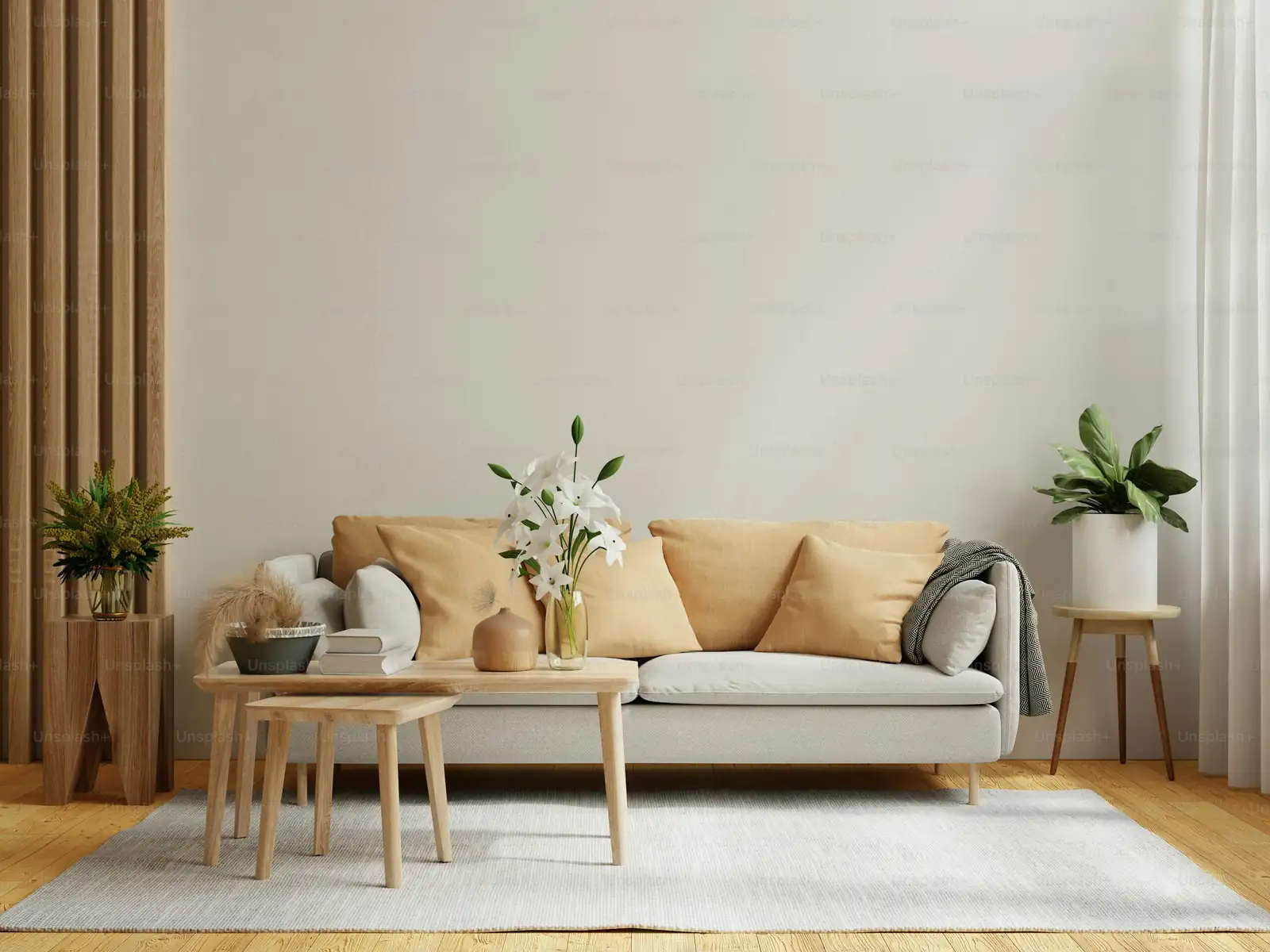
Consider the Cardboard Palm (Zamia furfuracea) your secret weapon for calm, sculptural drama. Its tidy rosette and thick, feather-like fronds read like living architecture—elegant, evergreen, and slow-growing—so it rewards thoughtful placement and good proportions more than constant fuss. Style it well and you’ll elevate not just the plant, but the entire room.
Why this plant sings in design-led spaces
- Built-in geometry: A compact rosette with firm, pinnate fronds creates a clean, organized silhouette that feels modern and serene.
- Tidy habit, tidy room: Older basal leaves yellow with age and can be removed one by one—easy grooming keeps the outline crisp.
- Forgiving nature: It thrives in bright light (even bright shade) and tolerates the occasional missed watering, so it stays beautiful with minimal worry.
- Subtle presence, strong impact: Deep green, glossy leaflets catch soft light beautifully, adding polish without shouting.
Native to eastern Mexico (Veracruz), this cycad (not a true palm) prefers warmth, bright light, excellent drainage, and free airflow. Indoors, think “sunny, breezy balcony” energy—but in your living room.
Pot proportions that flatter the rosette
Diameter, depth, and the silhouette
- Use the wide-and-low rule: For most specimens, a shallow, wide container mirrors the plant’s horizontal spread and stabilizes the crown. Typical containers are 15–40 cm (6–16 in) in diameter; larger specimens look refined in 30–40 cm (12–16 in) bowls.
- Aim for 2:3 or golden-ratio feel: Let the plant’s overall height rise about 1.5–2× the pot height. This keeps the caudex and fronds “floating” above the rim rather than swallowed by a deep cylinder.
- Keep the shoulders visible: Don’t bury the thickened base. A slightly lower soil line (1–2 cm below the rim) preserves the plant’s sculptural transition from caudex to frond.
Stands and elevation
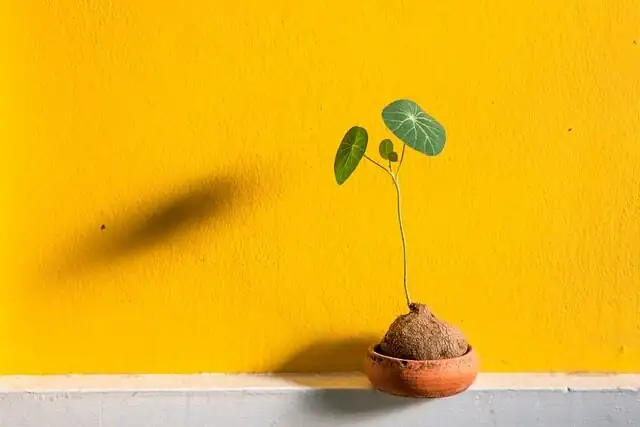
- Low plinths or leggy stands: Elevate a wide pot on a wood or stone plinth 10–20 cm tall to lighten the composition and increase airflow. Slender metal stands create a quiet pause (negative space) beneath the bowl.
- Entry drama: For an entryway or hallway, a pair on matching low plinths delivers a calm, symmetrical welcome without adding visual clutter.
Drainage and top-dress
- Non-negotiable drainage: Choose pots with drainage holes; this plant resents staying wet in cool conditions. A fast-draining mix (about 2 parts peat/leaf-mold–based mix to 1 part coarse sand/grit/perlite) is ideal.
- Elegant top-dress: Finish with a thin layer of fine gravel, pumice, or softly variegated pebbles. It sharpens the line, keeps leaves clean, and echoes the plant’s architectural vibe.
Composing with negative space (the art of “ma”)
- Give it breathing room: A 20–30 cm buffer around the frond tips keeps the rosette legible. Don’t hem it in with side tables or dense clusters.
- Wall as canvas: Place it 20–40 cm from a pale wall so the frond shadows create subtle, dynamic patterns throughout the day.
- Triangulate heights: Pair with a low stool and a medium-height floor lamp for a quiet stepped composition: low (stool), mid (plant), tall (lamp).
- Cluster with intention: If grouping, limit to one or two companions with different leaf shapes (e.g., a soft, trailing plant) to avoid competing pinnate forms.

Lighting that sculpts rather than scorches
Daylight placement
- Best indoors: bright light to full sun; also tolerates bright shade. Position near a sunny, well-ventilated window.
- South or west windows: Use sheer curtains at midday to soften harsh sun behind glass and prevent leaf scorch.
- East or bright north windows: Lovely for gentle, even light that keeps leaflets stout and glossy.
Nighttime ambiance
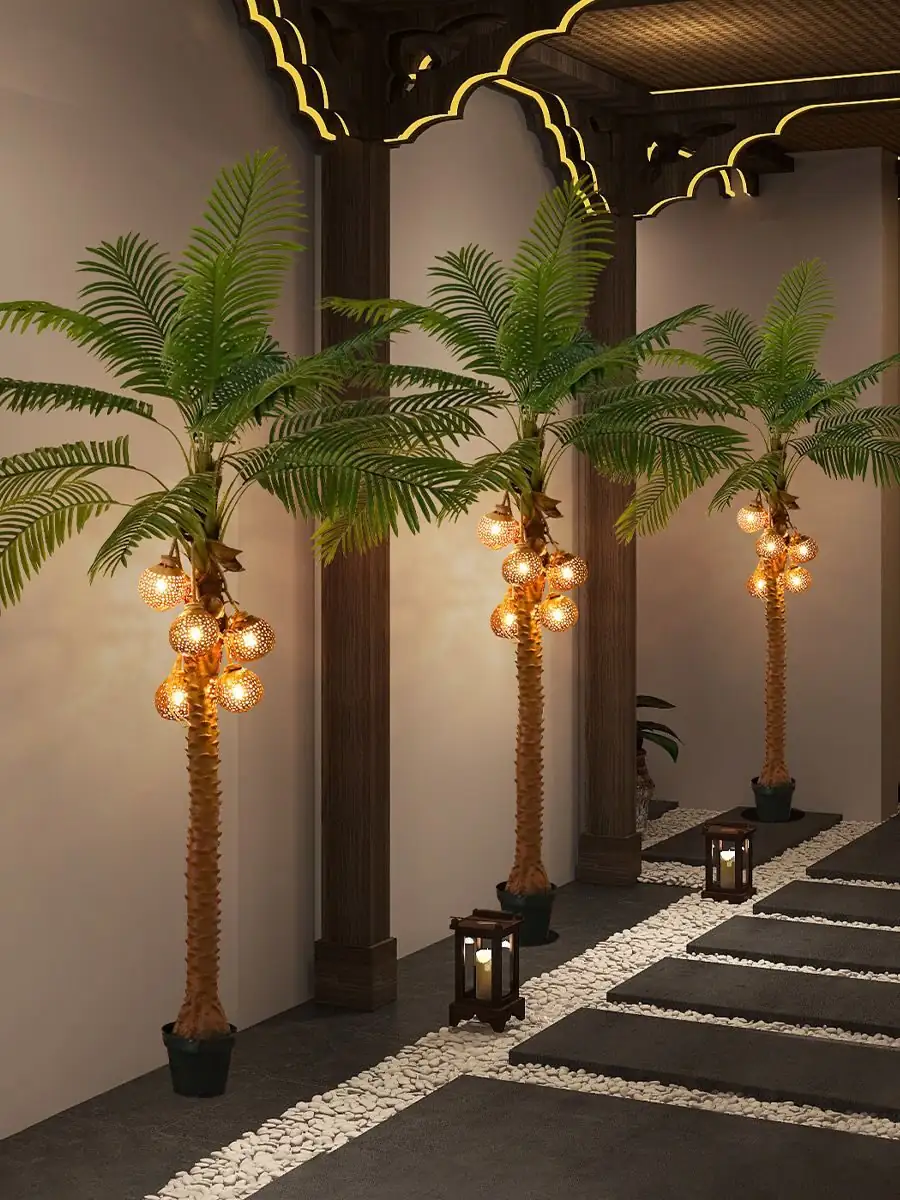
- Grazing uplight: A small floor uplight set behind the pot makes the fronds read like a contemporary screen.
- Warm but crisp: 2700–3000K ambient lighting with a 4000K accent can articulate leaflet edges without turning the scene cold.
- Grow-light assist: If the room runs dim, a discreet, full-spectrum bar light angled from above for 8–10 hours keeps growth compact and handsome.
Material palettes that elevate its form
Japandi calm (warm minimalism)
- Pot: unglazed stoneware or matte porcelain in sand, linen, or warm gray.
- Companions: ash or oak plinth, linen drapery, a single hand-thrown ceramic.
- Why it works: The plant’s deep green gloss sets a refined contrast against quiet, natural textures.
Soft industrial
- Pot: smooth concrete or fiberstone in charcoal.
- Companions: blackened steel stand, honed basalt tray, a single brushed-metal lamp.
- Why it works: Cool, monolithic surfaces amplify the palm’s clean geometry.
Coastal modern
- Pot: white or shell-toned ceramic with subtle ribbing.
- Companions: bleached wood, woven seagrass, travertine side table.
- Why it works: References its Mexican coastal roots without sliding into cliché.
Mediterranean minimal
- Pot: pale terracotta (sealed inside) or limewash ceramic.
- Companions: limestone plinth, raw linen, olive-wood tray.
- Why it works: Earthy mineral tones anchor the plant’s evergreen sheen.
Scale and placement scenarios
- Solo statement on a console: A 22–28 cm bowl set off-center with a negative-space sweep to one side feels intentional and airy.
- Flanking pair in an entry: Two 28–35 cm bowls on low stands create tranquil symmetry and a welcoming, uncluttered threshold.
- Coffee table hero (larger rooms): A low, wide vessel in the 25–30 cm range balances a large tabletop while keeping sightlines open.
- Sheltered balcony: In mild climates (keep above 2°C/36°F), a bright, airy balcony celebrates its resilience—just avoid waterlogged media and protect from scorching midday sun behind glass.

Care that keeps the look crisp
- Light: Bright light to full sun indoors; bright shade tolerated. Ventilation keeps foliage pristine.
- Watering: Water thoroughly, then let the top layer of mix dry before watering again. Keep lightly moist in active growth; go drier in winter—cold + wet invites root rot.
- Temperature: Ideal 13–24°C (55–75°F); keep above 2°C (36°F). Avoid big day–night swings near drafty vents.
- Feeding: Monthly in the growing season with a balanced fertilizer (e.g., NPK 20-20-20) at label rates. Pause in winter if growth slows.
- Pruning: No shaping needed. Remove yellowing or damaged older leaves at the base with clean tools to maintain the tidy outline.
- Repotting: Slow grower—repot small plants about every 2 years, larger specimens every 3–4. A shallow, wide pot suits its root system and visual balance.
Quick styling maintenance calendar
- Spring: Gradually resume watering; repot or divide offsets (April–May) if needed. This is the season to refresh top-dressing and reset your pot-on-stand composition.
- Summer: Brightest light with airflow; fertilize monthly; enjoy peak gloss. Mature plants may produce cones (not flowers) in warm, bright conditions.
- Autumn: Reduce watering as temperatures drop; keep the room bright and tidy any naturally aging basal leaves.
- Winter: Brighter and cooler is fine; water sparingly. Keep the plant slightly dry to prevent rot and preserve that sharp silhouette.
Safety, pests, and polish
- Toxicity: Toxic if ingested—keep away from children and pets. Seeds are especially potent; discard cones responsibly.
- Pests: Scale is the usual suspect. Wipe with a soft cloth and treat with horticultural oil or insecticidal soap, repeating as needed. Good airflow and clean leaves preserve the glossy finish.
- Disease prevention: Avoid waterlogged mix; use clean, well-draining media. If leaf spot appears, improve ventilation and remove affected leaves.
Buying well (and styling from day one)
- Choose a plant with a firm, thick base and a symmetrical crown; leaves should be deep green and intact. After bringing it home, give it your brightest, best-ventilated spot. If it’s pushing new leaves, weak light can cause stretched leaflets and a sparse crown.
- Style starters in 15–20 cm bowls; graduates move beautifully into 25–30 cm. For collector specimens, a 35–40 cm shallow vessel on a low plinth is gallery-grade.
Symbolism and the so-called “flower language”
Cycads are ancient plants—true “living fossils.” With Zamia furfuracea, the symbolism steeped in plant lore centers on resilience, longevity, and quiet strength: it grows slowly, endures drought, and persists with grace. Strictly speaking, it doesn’t have flowers at all; it forms male and female cones. So any “flower language” attached to it is metaphorical rather than botanical—an interpretation of its character, not a tradition rooted in blooms. If you like your décor to carry meaning, let this cycad stand for patience and poise: a sculptural reminder to edit, breathe, and let good design—and good growth—take its time.
—
Design takeaway: give this plant room to breathe, a low, wide stage to stand on, and bright, gentle light to sculpt its fronds. Do that, and your Cardboard Palm becomes more than greenery—it becomes the calm, confident anchor of the room.