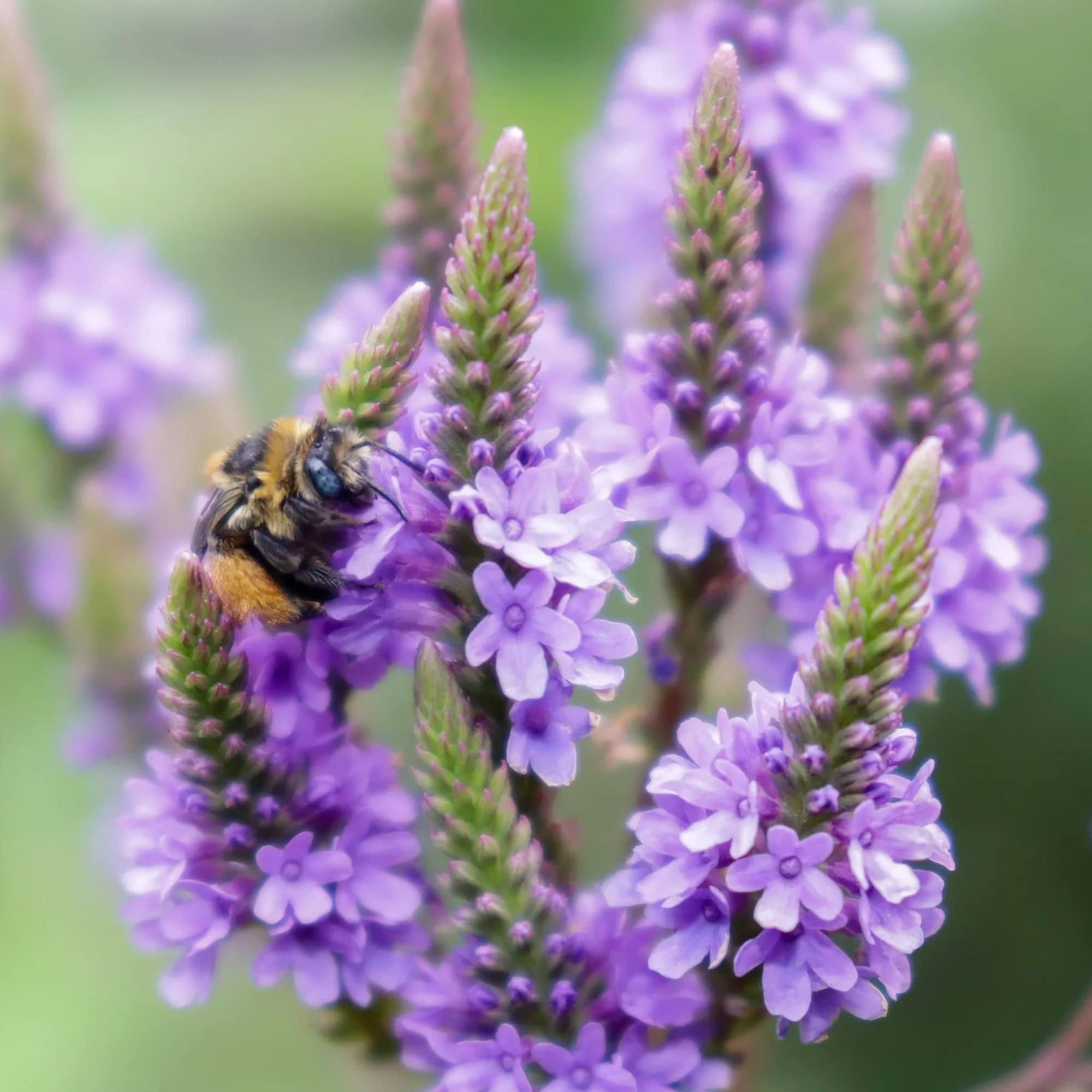
Common vervain (Verbena officinalis L.) is a wiry, square-stemmed perennial with airy purple-mauve flower spikes that pollinators adore. It’s tough and low-maintenance in sun and well‑drained soil—but like any herb, it can get pestered. Use this fast, visual guide to spot trouble early, fix it fast, and keep your vervain blooming from late spring to fall.
Tip: Think airflow first. Generous spacing, sun, and soil that drains quickly will prevent most problems before they start.
Fast ID field guide: Pests
Look for these visual “tells,” then jump to the fix.
Aphids
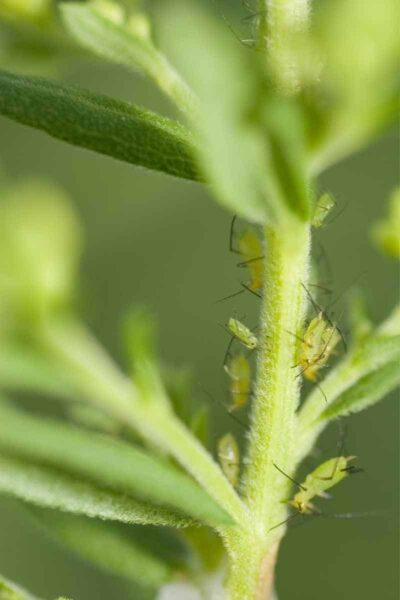
- Visual tells: Clusters of soft, pear-shaped insects on tender tips and buds; curled or puckered new growth; sticky honeydew (often with ants).
- Likely spots: Stem tips, flower spikes, leaf undersides.
- Quick win (now): Blast them off with a hard, targeted water spray (firm jet from a nozzle—not “hard water” with minerals). Follow with insecticidal soap if needed, coating undersides. Repeat every 3–5 days until clear.
- Longer-term: Thin plants for airflow; avoid excess nitrogen; rinse off honeydew; encourage beneficials (lady beetles, lacewings).
Spider mites
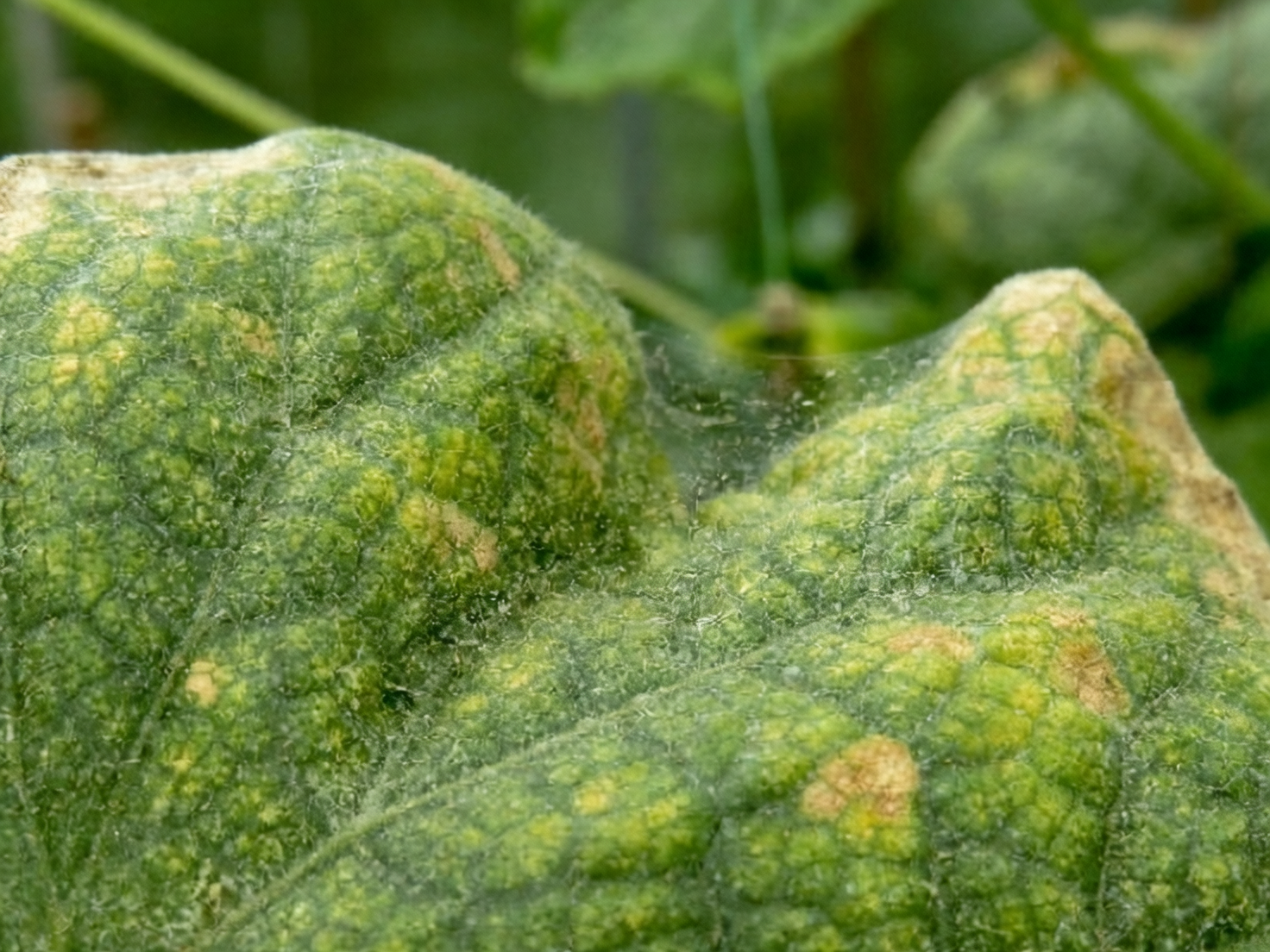
- Visual tells: Fine stippling (tiny pale dots) on leaves, a dry, “sandblasted” look, and delicate webbing on undersides—worst in hot, dry spells.
- Likely spots: Leaf undersides and inner canopy.
- Quick win (now): Rinse undersides thoroughly, then treat with insecticidal soap or neem oil, repeating weekly until new growth is clean.
- Longer-term: Keep even moisture (no chronic drought), reduce dust, and prune lightly to open the canopy for airflow.
Whiteflies
- Visual tells: A tiny white “snow” cloud when you brush the plant; sticky honeydew; yellowing or wilting on stressed plants.
- Likely spots: Leaf undersides, protected inner foliage.
- Quick win (now): Shake plants early in the morning and spray undersides with water; follow with insecticidal soap or neem. Yellow sticky cards help monitor adults.
- Longer-term: Improve spacing and sun; remove heavily infested leaves.
Thrips
- Visual tells: Silvery streaks or flecking, distorted buds, petals that look scratched; tiny black specks (frass).
- Likely spots: Flowers, young leaves, and concealed crevices.
- Quick win (now): Shear off the worst bloom spikes, then apply insecticidal soap or neem, focusing on buds and leaf undersides. Repeat weekly through a life cycle.
- Longer-term: Keep plants vigorous with consistent (not soggy) moisture and full sun; avoid overcrowding.
Scale
- Visual tells: Dome-shaped, immobile “bumps” on stems or leaf midribs; sticky honeydew; leaves may yellow.
- Likely spots: Stems and nodes.
- Quick win (now): Gently scrape individual scales with a fingernail or cotton swab dipped in alcohol, then follow with neem oil for crawlers.
- Longer-term: Prune out heavily infested stems; open the plant for light and airflow to discourage re‑infestation.
Leafminers
- Visual tells: Meandering, pale squiggle-tunnels inside leaves; the rest of the plant often looks fine.
- Likely spots: Any leaves, especially older ones.
- Quick win (now): Pinch off tunneled leaves and dispose. Neem can help disrupt subsequent feeding.
- Longer-term: Keep the plant tidy; encourage beneficials; avoid overhead watering that splashes debris around.
Fast ID field guide: Diseases
Powdery mildew
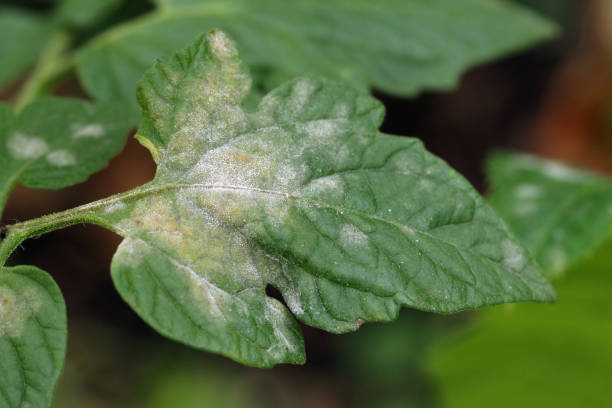
- Visual tells: A white, dusty coating on leaves and stems; leaves may curl or yellow.
- Why it happens: Warm days, cool nights, and still, humid air.
- Quick win (now): Remove the most affected leaves. Improve airflow immediately—thin stems and space plants. Water at soil level in the morning.
- Prevention: Full sun, generous spacing, and no late-day overhead watering.
Botrytis (gray mold)
- Visual tells: Gray, fuzzy mold on flowers, leaves, or stems; buds rot before opening.
- Why it happens: High humidity + poor air circulation.
- Quick win (now): Cut away infected tissue and dispose, then open the canopy for airflow. Keep foliage dry.
- Prevention: Space well, avoid crowding, and deadhead promptly.
Root rot
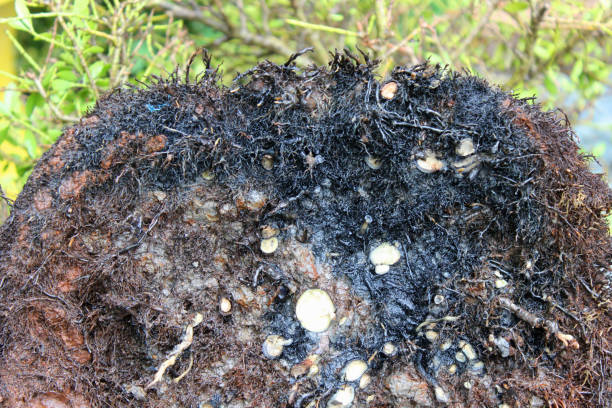
- Visual tells: Wilting even though soil is wet, yellowing, plant collapse; roots look brown and mushy.
- Why it happens: Waterlogged soil or pots without drainage.
- Quick win (now): Unpot and inspect. If roots are mostly firm and white, replant in well-draining soil and let the top layer dry slightly between waterings. If roots are largely mushy, discard and replant into improved drainage.
- Prevention: Plant in fast-draining soil, water deeply but infrequently, and never leave containers sitting in saucers of water.
Airflow-and-spacing blueprint (your best prevention)
- Sun and spacing: Give common vervain full sun (6–8 hours) and room to breathe. Aim for gently separated plants rather than a packed hedge.
- Watering style: Water at soil level. Let the top of the soil dry slightly between waterings; avoid constant sogginess.
- Soil and drainage: Use well-draining soil (slightly acidic to neutral, about pH 5.8–7.2). In heavy clay, amend with compost and drainage materials.
- Seasonal grooming: Deadhead spent spikes and lightly thin crowded stems in summer. Remove dead growth in late winter/early spring.
- Air moves, mildew loses: In humid weather, prioritize airflow—space plants, avoid evening overhead watering, and keep the center of clumps open.
Your quick-fix toolkit
- Hard, targeted water spray: A firm jet aimed at leaf undersides dislodges aphids, mites, and whiteflies. Repeat every few days as needed.
- Insecticidal soap: Effective on soft-bodied pests (aphids, mites, whiteflies, thrips). Thorough coverage is key, especially undersides. Reapply per label.
- Neem oil: Useful against many soft-bodied pests and as a preventative on new growth. Apply in the cool of morning or evening; avoid use during heat spikes or in harsh midday sun.
- Sanitation: Remove and bin diseased or heavily infested material—don’t compost it if you’re unsure.
- Monitoring: Check weekly during peak growth. Look closely at tender tips and leaf undersides; use sticky cards to track flyers.
Common vervain care cues that reduce pest pressure
- Light: Full sun builds sturdy growth and heavier flowering; partial shade can make plants leggier and more mildew-prone.
- Moisture: Even, not constant—roughly 0.5–1 inch of water a week in growing season, adjusting for heat and rainfall.
- Feeding: Light touch. A balanced, slow-release feed in spring (optionally again mid-summer) is plenty; lush, overfed growth invites pests.
- Height/habit: Typically 30–120 cm (12–48 in), naturally airy; keep that airiness by avoiding overcrowding.
Rapid diagnostics at a glance
- Honeydew + ants + curled tips = Aphids
- Fine webbing + speckled leaves in hot/dry spells = Spider mites
- Tiny white “snow” cloud on disturbance = Whiteflies
- Silvery streaks + deformed buds = Thrips
- Hard little bumps on stems + sticky leaves = Scale
- Squiggly tunnels in leaves = Leafminers
- White powder on leaves = Powdery mildew
- Gray fuzz on buds/flowers = Botrytis
- Wilting in wet soil + mushy roots = Root rot
Seasonal scouting rhythm
- Spring: Space plants as you set them; start with clean, well-draining soil. Inspect new growth weekly.
- Summer: Peak bloom—keep watering even but not soggy; watch for powdery mildew in still, humid weather and for mites in hot, dry spells.
- Fall: Deadhead, thin lightly for airflow, and remove any diseased foliage.
- Winter: Cut back dead growth and avoid waterlogged soils; light mulch in colder regions.
A brief, thoughtful note on vervain’s “flower language”
Across centuries, common vervain gathered a reputation for peace, protection, loyalty, trust, and justice—echoes of its role in rites and folklore from Egypt to Rome to medieval Europe. In Victorian floriography, it sometimes carried messages like “pray for me” or “you have bewitched me,” reflecting a cultural fascination with plants as coded language rather than any trait of the plant itself. Treat these meanings as poetic heritage—beautiful to know, but born of human storytelling more than botany.
If your plant could talk…
It would ask for sunshine on its shoulders, a steady drink without wet feet, and a little elbow room. Give it those, and with a quick blast of water, a dash of insecticidal soap, or a touch of neem when needed, your common vervain will stay healthy, pollinator-happy, and gloriously in bloom all season.