

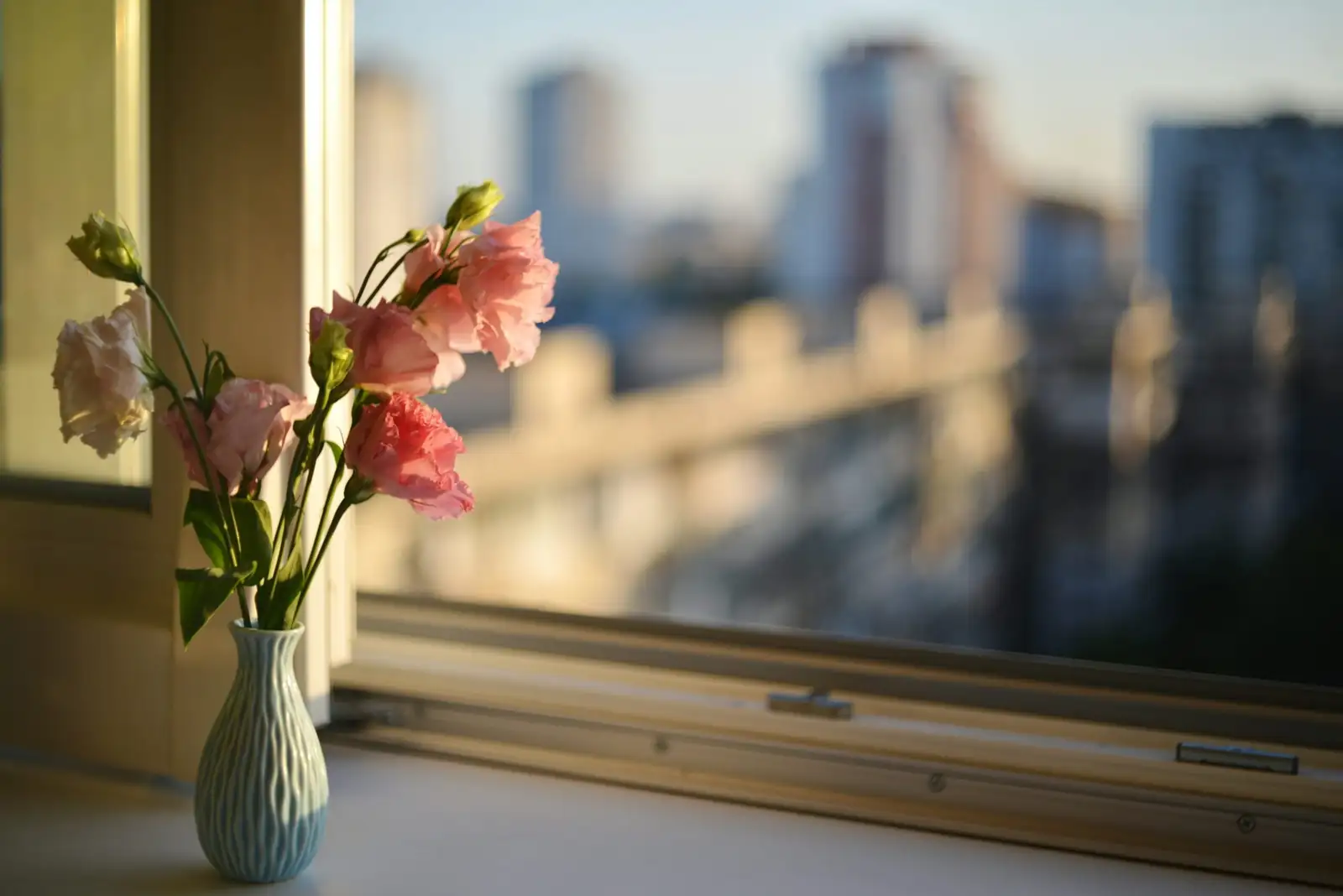
If your Florist’s Cineraria (Pericallis × hybrida)—those electric blues, purples, and pinks that light up late winter—has suddenly developed sticky leaves, flecks, fuzz, or a ghostly white dusting, don’t panic. This cool-season charmer can bounce back fast when you act quickly and keep the air moving, the watering clean, and the workspace sanitary. Consider this your rapid-response playbook for aphids, whitefly, spider mites, powdery mildew, and Botrytis (gray mold), with prevention tips tailored to this plant’s love of bright light, even moisture, and refreshingly cool air.
Tip: Cool and bright is your secret weapon. Pericallis prefers 10–15°C (50–59°F) for the longest, neatest bloom. Warm rooms make it leggy and shorten the show—and they also favor pests.
Rapid diagnosis at a glance
- Aphids
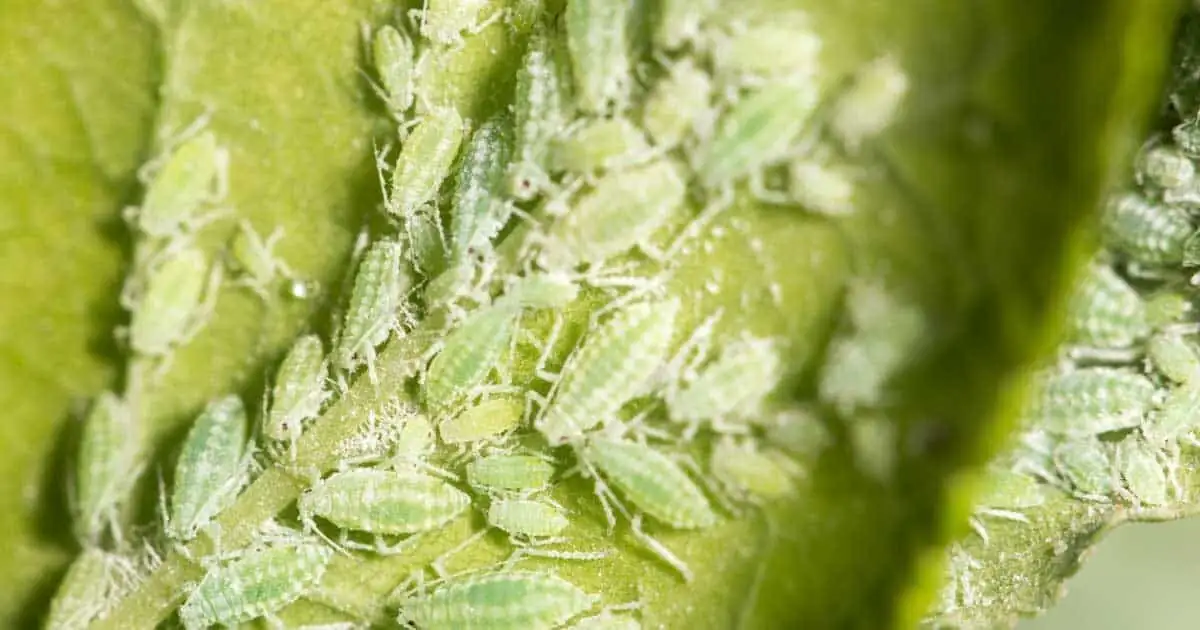
- Signs: Clusters of soft green/black/peach bugs on tender stems and buds; curled or sticky leaves; honeydew and sooty mold.
- Pace: Explodes in spring or in warm rooms.
- Whitefly
- Signs: Tiny white moth-like adults that flutter up when touched; sticky honeydew; pale, weakening foliage.
- Pace: Fast in warm, still air; adults are flighty.
- Spider mites
- Signs: Fine, silvery stippling and dusty look to leaves; tiny webbing in leaf axils or undersides; leaves look dry despite moist soil.
- Pace: Surges in warm, dry rooms.
- Powdery mildew
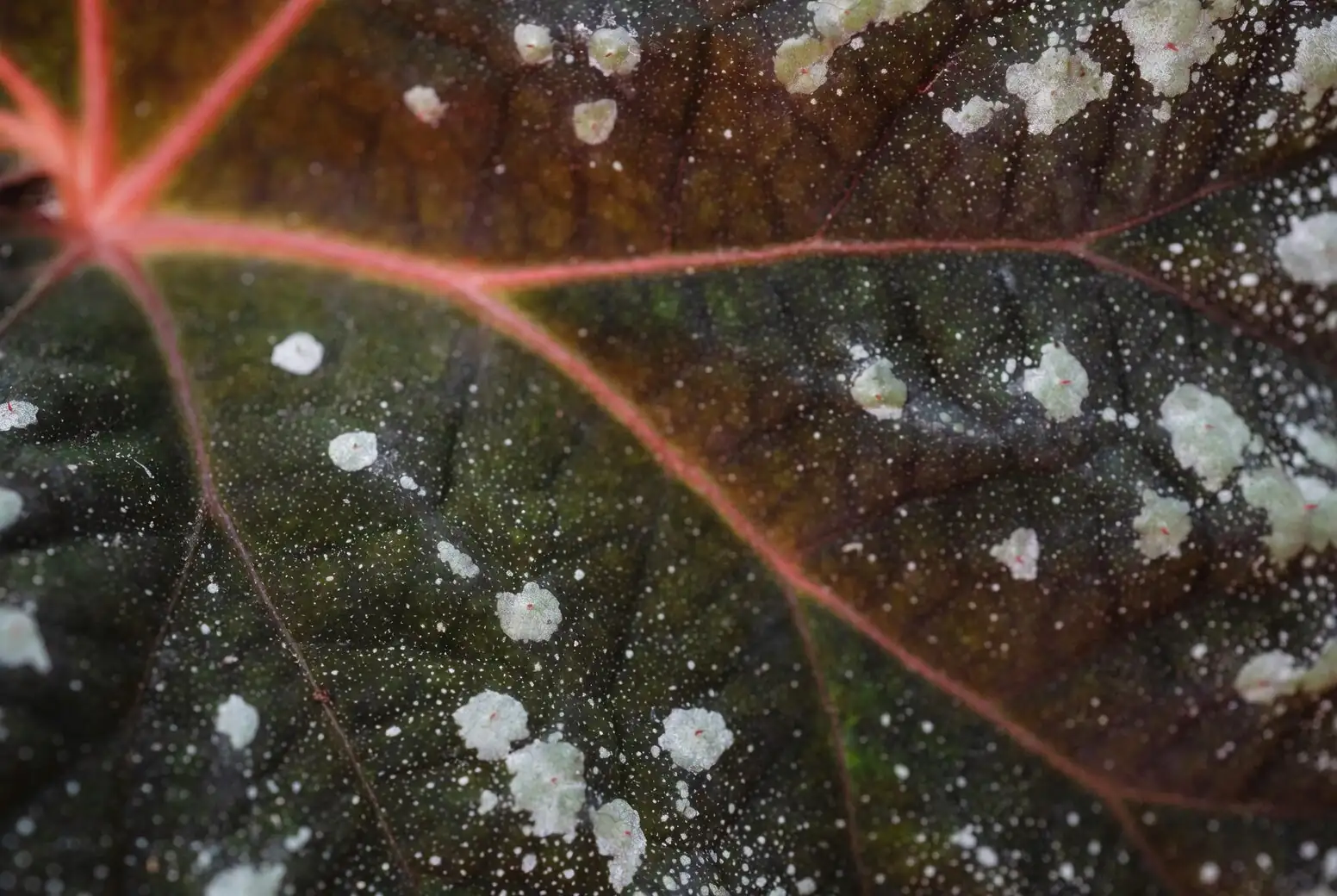
- Signs: White, floury patches on leaves, petioles, even buds; distorted growth.
- Quirk: Thrives in high humidity with dry leaf surfaces and poor airflow.
- Botrytis (gray mold)
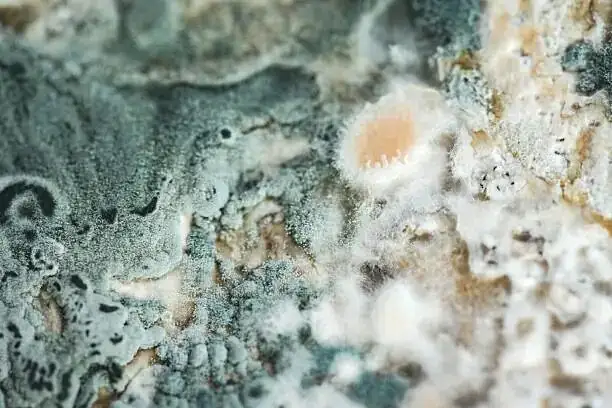
- Signs: Gray, fuzzy mold on petals, buds, and leaf edges; buds brown and collapse; mushy patches after flowers get wet.
- Trigger: Stagnant, humid air and damp flowers.
Step-by-step rescues
General first move for any issue
1) Isolate the plant to prevent spread.
2) Prune off heavily affected petals/leaves/stems with clean shears; bag and trash them.
3) Improve airflow immediately: a gentle fan on low near (not blasting) the plant helps.
4) Water at soil level only. Do not wet the flowers; that invites gray mold.
Test any spray on a small leaf patch first, and avoid spraying the blooms of Pericallis whenever possible.
Aphids: soap-wash and repeat
Immediate (same day)
- Shield the flowers with a dry paper towel “collar.”
- Rinse stems and the undersides of leaves with a firm tepid stream, or wipe with a damp cloth to knock aphids off.
- Spray insecticidal soap or a ready-to-use horticultural oil (lightweight) on stems and leaf undersides until glistening. Avoid blooms; wipe off any overspray on petals.
Follow-up (48–72 hours)
- Repeat the soap/oil treatment to catch hatchlings.
- Remove any lingering clusters with a cotton swab.
Week 1–2
- Continue treatments every 3–5 days until you see no aphids for a full week.
- Keep it cool and bright; warm rooms turbocharge aphids.
Escalate if needed
- Use a neem oil rotation with insecticidal soap (alternate products to avoid resistance).
- For greenhouse setups, biological controls (Aphidius wasps, lacewings) can help; indoors at home, stick to mechanical and soap/oil.
Whitefly: ground the fliers, smother the nymphs

Immediate (same day)
- Tap the pot: if tiny white adults puff up, you’ve got whitefly.
- Put yellow sticky cards at plant height to trap adults.
- In early morning (coolest time), gently vacuum hovering adults with a handheld vac.
- Spray insecticidal soap or horticultural oil under leaves to target nymphs—avoid flower heads.
Follow-up (48–72 hours)
- Replace or refresh sticky cards.
- Repeat soap/oil spray; thorough underside coverage is key.
Week 1–2
- Re-treat every 3–5 days until adult counts on cards drop to near zero.
- Maintain airflow and cool temps; whitefly thrives in warm, still air.
Escalate if needed
- Rotate active ingredients (e.g., soap, oil, then a botanical like azadirachtin if labeled for indoor ornamentals).
Spider mites: wash, oil, and nudge humidity (without wet blooms)
Immediate (same day)
- Look for stippling and fine webs. Wipe leaves with a damp microfiber cloth.
- Rinse leaf undersides with a tepid, firm stream (shield flowers).
- Apply horticultural oil or insecticidal soap thoroughly to leaf undersides.
Follow-up (48–72 hours)
- Repeat oil/soap. Keep a small fan running for gentle airflow.
- Slightly raise ambient humidity near—not on—the plant (e.g., a pebble tray placed nearby). Do not mist flowers or create stagnant, dripping conditions.
Week 1–2
- Re-treat weekly (or every 5–7 days in warm, dry rooms) until no stippling progresses and no mites are found with a magnifier.
Escalate if needed
- In greenhouse conditions, predatory mites (e.g., Phytoseiulus persimilis) are effective. Indoors at home, stick with repeated wash-and-oil cycles plus airflow.
Powdery mildew: prune, space, and buffer with bicarbonate
Quick note on cause
- On Pericallis, powdery mildew is typically from specialized fungi (Golovinomyces/Podosphaera spp.). It loves high humidity, shaded leaves, and stagnant air.
Immediate (same day)
- Remove and discard the most dusted leaves; do not compost.
- Space the plant so leaves don’t touch neighbors; start a gentle fan nearby.
- Spray a potassium bicarbonate product or similar “bicarb” fungicide labeled for ornamentals; get thorough leaf coverage (top and underside). Avoid petals.
Follow-up (7 days)
- Re-spray. Fungicides are best before or at first sign of disease and rarely “erase” heavy infections—pruning plus airflow does that heavy lifting.
- Rotate with a different mode of action (e.g., sulfur or a labeled systemic/triazole for ornamentals) if disease persists. Do not combine sulfur and oils within 2 weeks of each other.
Week 2+
- Maintain very bright light and cool temperatures; dense shade and warmth worsen mildew.
- Keep leaves dry; water at the soil line only.
Escalate if needed
- Use labeled fungicides at 7–14 day intervals and rotate modes of action; few are strong eradicants, so prevention and pruning are vital.
Botrytis (gray mold): dry the blooms, clean the canopy
Immediate (same day)
- Snip off any fuzzy, mushy, or browning petals, buds, and leaf edges. Bag and discard.
- Increase airflow immediately; avoid overcrowding displays.
- Water only the potting mix—never over the top—and avoid late-day watering.
Follow-up (48–72 hours)
- Inspect daily and continue to remove any new lesions before they spore.
- Consider a biofungicide labeled for Botrytis (e.g., Bacillus-based) as a protective film, applied to foliage—not flower faces—per label.
Week 1–2
- Keep the room cool and bright; warm, dim corners keep flowers damp and extend infection.
- Deadhead promptly throughout the display period.
Escalate if needed
- Use a labeled ornamental fungicide for gray mold and rotate modes of action. Ensure excellent air movement and keep the canopy as dry as possible.
Prevention that actually works for Pericallis × hybrida
Airflow
- Give it space: do not let leaves press against neighboring plants.
- Run a small, gentle fan to keep air moving.
- Avoid steamy, stagnant corners.
Clean watering
- Keep the potting mix evenly moist but never waterlogged; let the surface dry slightly between waterings.
- Always empty saucers—Pericallis dislikes wet feet and is prone to root rot in soggy soil.
- Water in the morning and at soil level; do not wet the flowers.
Sanitation
- Quarantine new plants for 10–14 days and check undersides of leaves.
- Deadhead faded blooms quickly; gray mold loves spent petals.
- Disinfect shears between cuts when removing diseased tissue.
- Replace topdress mosses or decorative toppings if they stay damp and moldy.
Environment
- Light: very bright light indoors (east or south window is great). Outside in cool weather, morning sun with afternoon shade; avoid harsh midday sun.
- Temperature: aim for 10–15°C (50–59°F) for a compact, longer-lasting dome of color; avoid sustained heat above ~20°C (68°F).
- Humidity: moderate with airflow. Avoid both bone-dry stagnation (mites) and soggy stillness (mildew/Botrytis).
Feeding and growth habit
- Feed lightly every 2 weeks with a diluted, balanced liquid fertilizer while in active growth and bloom; avoid excess nitrogen, which softens growth and invites disease.
- Deadhead to keep the dome neat; after the main flush, a cutback to 10–15 cm (4–6 in) in cool, bright conditions can sometimes spark a modest second act.
Pro grower habits for a cleaner bloom
- Yellow sticky cards: keep one near the plant to monitor whitefly and fungus gnats.
- Rotation of controls: alternate soaps and oils for pests; rotate fungicide modes of action for mildew/gray mold when needed.
- Timing: spray early in the day so leaves dry before evening; never douse flowers.
- Gentle handling: this plant’s petals bruise easily—bruises become mold magnets.
Quick care refreshers (so the problems don’t come back)
- Keep it bright and cool; heat causes legginess and shortens bloom time.
- Use a fertile, well-draining potting mix amended with perlite for aeration.
- Treat it as a seasonal container star; many people replace it after flowering rather than up-potting.
Flower language and why it sticks
Florist’s cineraria is widely linked with lasting joy and bright, enduring cheer. The association likely grew from its habit of bursting into clear, saturated color right when winter overstays its welcome. That well-timed optimism—especially the rare, true-looking blues—turns short, gray days into something celebratory. In other words, its “language” isn’t myth so much as lived experience: cool air, bright light, and a perfectly domed bouquet that keeps saying “hold on—spring’s right here.”
Safety notes
- Best practice is to keep Pericallis × hybrida away from pets and small children and avoid ingestion; wash hands after handling.
- When using any pest or disease control product, read and follow the label; test-spray first, provide ventilation, and protect your eyes and skin.
When to consider a fresh start
If a plant is severely infested or heavily covered with mildew or Botrytis, disposal may be kinder—and safer—than a prolonged battle. Clean the area, replace with a fresh, compact plant, and set it up for success: very bright light, cool temperatures, even moisture, and constant, gentle airflow.
Names to know: Florist’s Cineraria, Common Cineraria, Pericallis × hybrida (modern classification; formerly sold under “Cineraria/Senecio”). Origin: hybrid, largely from Canary Islands species.