
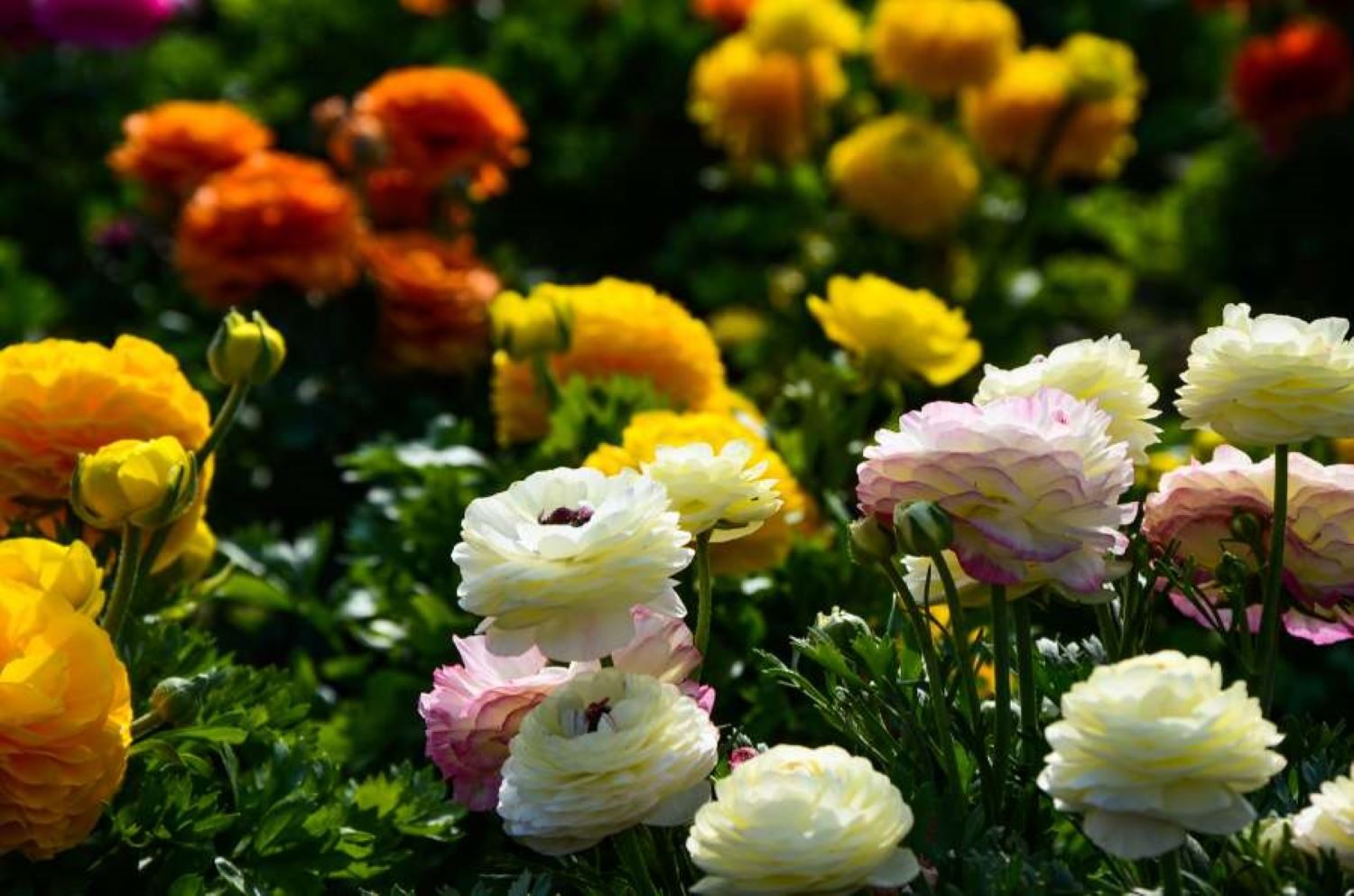
Think of Persian buttercups (Ranunculus asiaticus) as cool-season performers with a clear routine: burst into satin-petaled color, then bow out gracefully when heat arrives. The trouble is, yellowing leaves can look like disaster—or perfectly normal dormancy. And while you’re sorting that out, aphids, gray mold, and slugs may be auditioning for a supporting role. Here’s your fast diagnostic guide plus step‑by‑step, do‑this‑now fixes that bring plants back from the brink and keep blooms on stage longer.
Quick-ID: Yellow Leaves—Natural Dormancy or a Problem?
Run through these checks in order. You’ll have your answer in a minute.
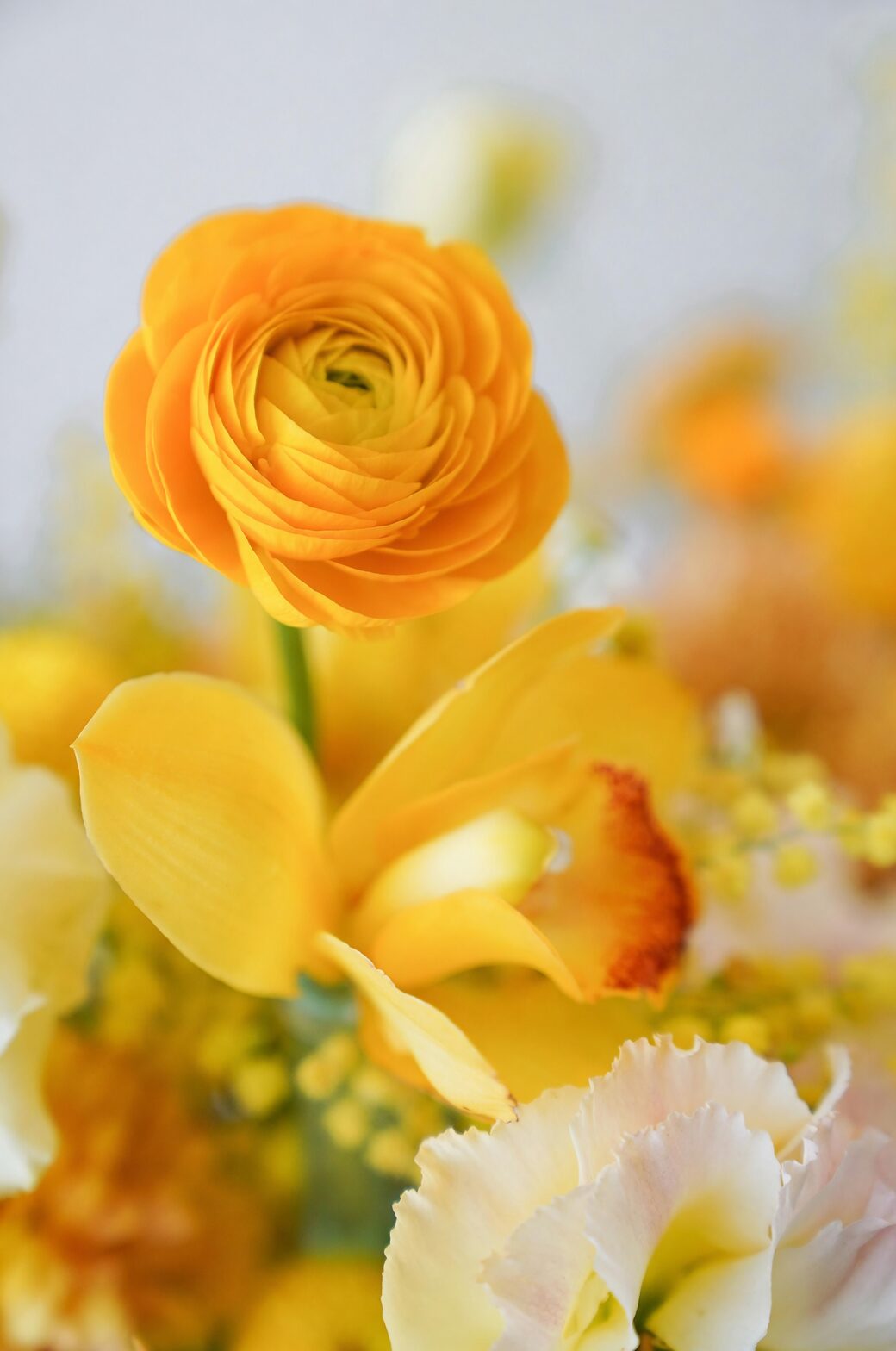
- Calendar and temperature
- Likely dormancy if: It’s late spring into early summer and daytime temps are pushing warm (around or above the comfortable 59–68°F/15–20°C range). Heat nudges ranunculus to rest.
- Possible trouble if: Cool weather persists yet the plant is yellowing fast.
- Pattern of yellowing
- Likely dormancy: Even, gradual yellowing starting with older leaves after flowering. Stems stay firm; no spotting or fuzz.
- Trouble clues: Patchy or speckled yellowing, brown/tan spots, fuzzy gray growth on petals/leaves, or sudden wilt.
- Soil moisture and crown
- Likely dormancy: Soil is evenly moist (not soggy), and the crown/tuber area feels firm.
- Trouble clues: Soggy mix, a sour smell, mushy crown—think rot or Botrytis risk.
- Pests
- Likely dormancy: No sticky honeydew, no clusters of soft insects.
- Trouble clues: Sticky residue, curling new growth, or clusters of green/black aphids on buds and stems.
- Leaf edges and holes
- Likely dormancy: Leaves decline cleanly without bite marks.
- Trouble clues: Ragged holes or slime trails—slugs/snails are snacking.
If it’s natural dormancy (the most common outcome)
- Step 1: Taper watering as foliage yellows; allow the mix to dry more between waterings.
- Step 2: Stop watering once the top growth has fully yellowed and dried back.
- Step 3: Keep tubers dry and well-drained during summer rest. In rainy regions, move pots under cover.
- Step 4: Replant/divide in early autumn (Sep–Oct). Use fresh, free-draining mix; set the claw-like tubers 2–3 cm (0.8–1.2 in) deep. A 12 cm (4.7 in) pot fits about 3 tubers.
- Step 5: Resume cool, bright conditions and even moisture through late winter–spring for the best bloom show.
Fast Fixes: Three Common Problems
Aphids on buds and tender stems
Telltales: Sticky honeydew, curled or puckered new leaves, clusters of soft-bodied insects on stems/buds, ants farming the honeydew.
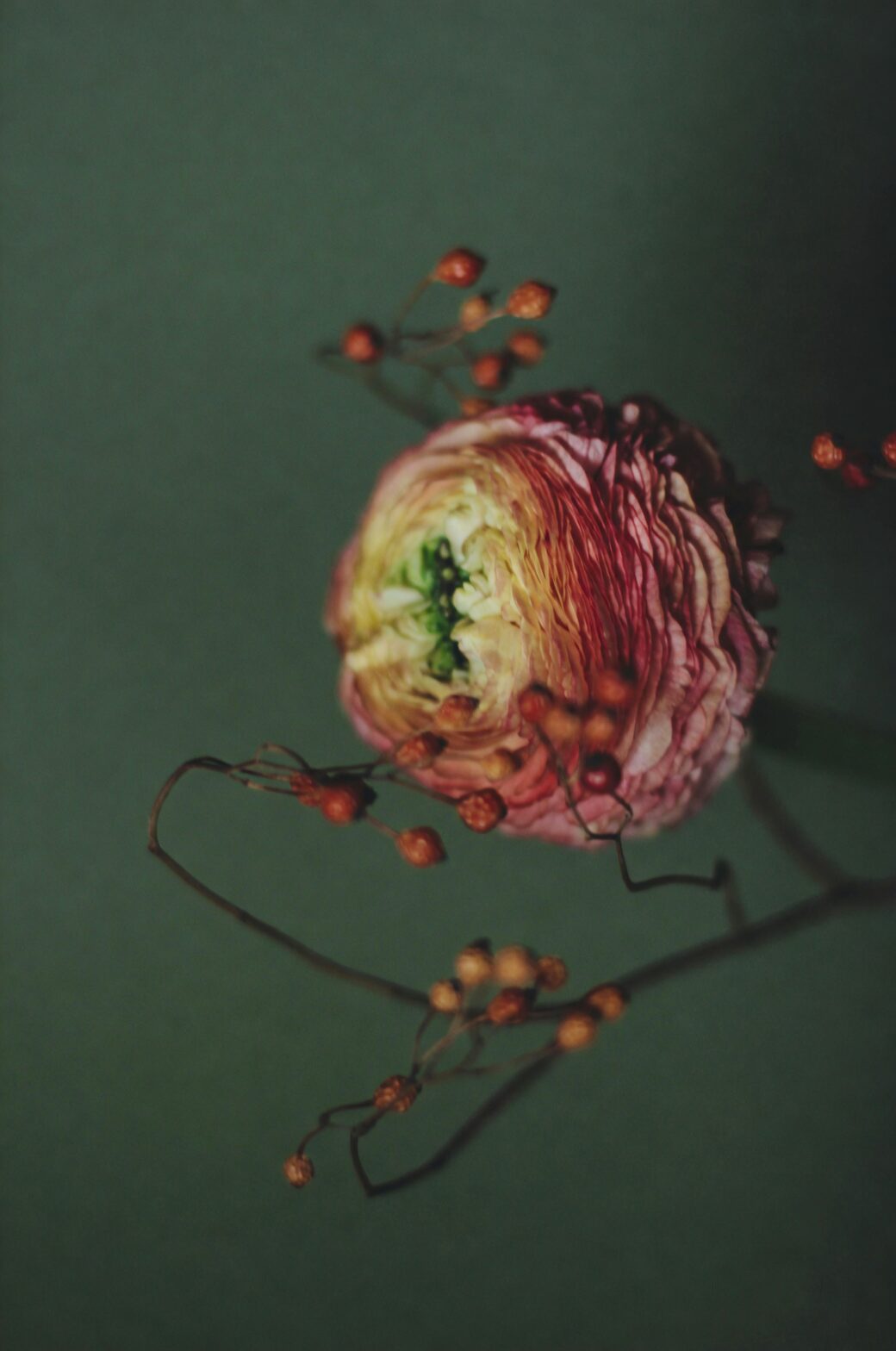
Step-by-step:
- Quarantine and knockdown
- Take the pot to a sink or outdoors and blast colonies off with a firm water spray, especially undersides of leaves and buds.
- Pinch or prune the most infested tips; bag and trash.
- Soap or oil treatment
- Spray with a ready-to-use insecticidal soap or a neem/azadirachtin product labeled for aphids. Coat stems, buds, and leaf undersides to dripping.
- Test-spray one bloom first; some doubles are sensitive. Repeat every 3–5 days for 2–3 cycles.
- Culture tweaks that starve aphids
- Keep the plant cool and bright; stagnant, warm corners invite outbreaks.
- Avoid overfeeding with nitrogen; stick to a balanced-to-bloom formula (e.g., NPK around 15-15-30) at light doses.
- Deadhead spent blooms promptly; tidy plants attract fewer pests.
- For heavy pressure outdoors
- Encourage or introduce beneficials (lady beetles, lacewings).
- Use yellow sticky cards near windowsills to monitor (less effective outdoors but helpful for scouting).
Gray mold (Botrytis): the cool, damp spoiler
Telltales: Tan, water-soaked flecks on petals/leaves that turn into fuzzy gray mold; collapsing blooms; brown lesions on stems; issues worst after damp, overcast weather or poor airflow.
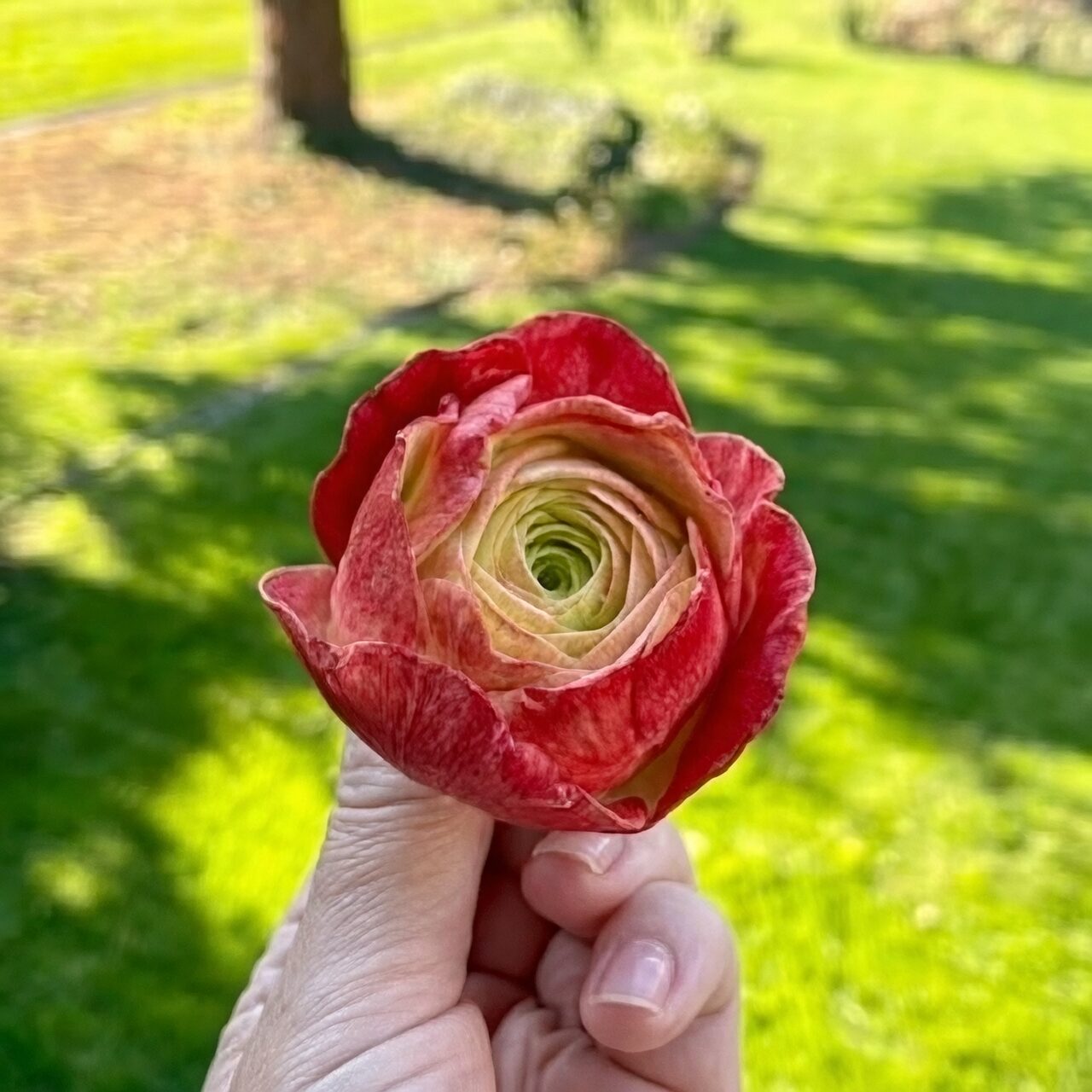
Step-by-step:
- Sanitation—now
- Remove all affected flowers/leaves with sterilized snips; bag and trash. Don’t compost.
- Deadhead promptly through the bloom season.
- Dry the canopy
- Improve airflow: space pots, thin only the most crowded interior leaves, and use a fan indoors.
- Water the soil, not the foliage; do it mornings so surfaces dry quickly.
- Raise pots on feet; ensure drainage holes run free and the mix isn’t water-retentive.
- Water and mix management
- Keep evenly moist during growth but never soggy. In containers, use a rich yet fast-draining blend (loam-based compost plus leaf mold and coarse sand/perlite).
- Targeted fungicide (if spreading)
- Apply a fungicide labeled for Botrytis and follow the label exactly. Rotate actives if repeat sprays are needed.
- Between seasons, many growers disinfect tubers before planting to reduce spore carryover.
- Prevention going forward
- Provide cool conditions (about 59–68°F/15–20°C days; 45–50°F/7–10°C nights) and strong light.
- Avoid crowding: remember mature plants are typically 20–45 cm tall with a 15–30 cm spread.
Slug and snail damage: midnight munchers
Telltales: Ragged holes, shredded petals, silvery slime trails, worst after damp nights.
Step-by-step:
- Scout smart
- Check at dusk or dawn with a flashlight; hand-pick into soapy water.
- Reduce hiding spots
- Clear dense mulch right around the crown; tidy boards, pots-on-soil, and leafy debris.
- Block and trap
- Wrap pots with copper tape; add pot feet. Use gritty barriers or diatomaceous earth on dry days.
- Set beer/yeast traps or lay boards/grapefruit shells as nightly lure-and-dump stations.
- Baits with care
- Use iron phosphate baits as directed (pet- and wildlife-friendlier). Reapply after rain.
- Water timing
- Water early morning so surfaces dry by night—less inviting to nocturnal grazers.
Culture That Prevents Most Problems
- Light
- Bright light to full sun; in warm climates, shield from harsh midday sun to prolong bloom. Indoors, an east- or south-facing window is ideal.
- Temperature
- Cool is key: about 59–68°F (15–20°C) days and 45–50°F (7–10°C) nights.
- Protect from prolonged hard freezes; in well-drained soil, brief dips to about 23°F (-5°C) can be tolerated. Heat promotes dormancy.
- Watering
- During active growth and flowering, keep the mix evenly moist—never bone-dry and never waterlogged.
- As foliage yellows post-bloom, reduce and then stop watering for dormancy.
- Soil and planting
- Use rich but fast-draining soil. Plant claw-like tubers shallowly (2–3 cm deep).
- In a 12 cm pot, 3 tubers make a full display. Ensure strong drainage after rain.
- Feeding
- Light, regular feeding: 1–2 times before flowering, once after flowering with a balanced-to-bloom fertilizer (e.g., NPK ~15-15-30) or a well-diluted organic feed.
- A small amount of slow-release flowering fertilizer at planting is helpful.
- Grooming
- Deadhead to keep plants tidy and to divert energy back into tubers. On very double, heavy bloomers, thinning to 2–3 strong buds per plant can improve flower size.
- Spacing and airflow
- Good air movement discourages Botrytis. Avoid crowding in containers and beds.
Quick Seasonal Cheat Sheet
- Late winter–spring (active growth)
- Keep cool, bright, and evenly moist; prioritize airflow; watch for aphids and gray mold.
- Flowering
- Maintain steady moisture, deadhead spent blooms, inspect every few days for pests/disease.
- Late spring–summer (dieback/dormancy)
- As leaves yellow, gradually reduce watering; once top growth dries, keep tubers dry until autumn.
- Autumn (Sep–Oct)
- Divide/plant tubers and sow seed in cool conditions. Many growers disinfect tubers before planting.
- Winter
- In colder regions, protect plants/tubers from hard freezes and winter-wet; aim to keep above about 23°F (-5°C).
Placement Ideas
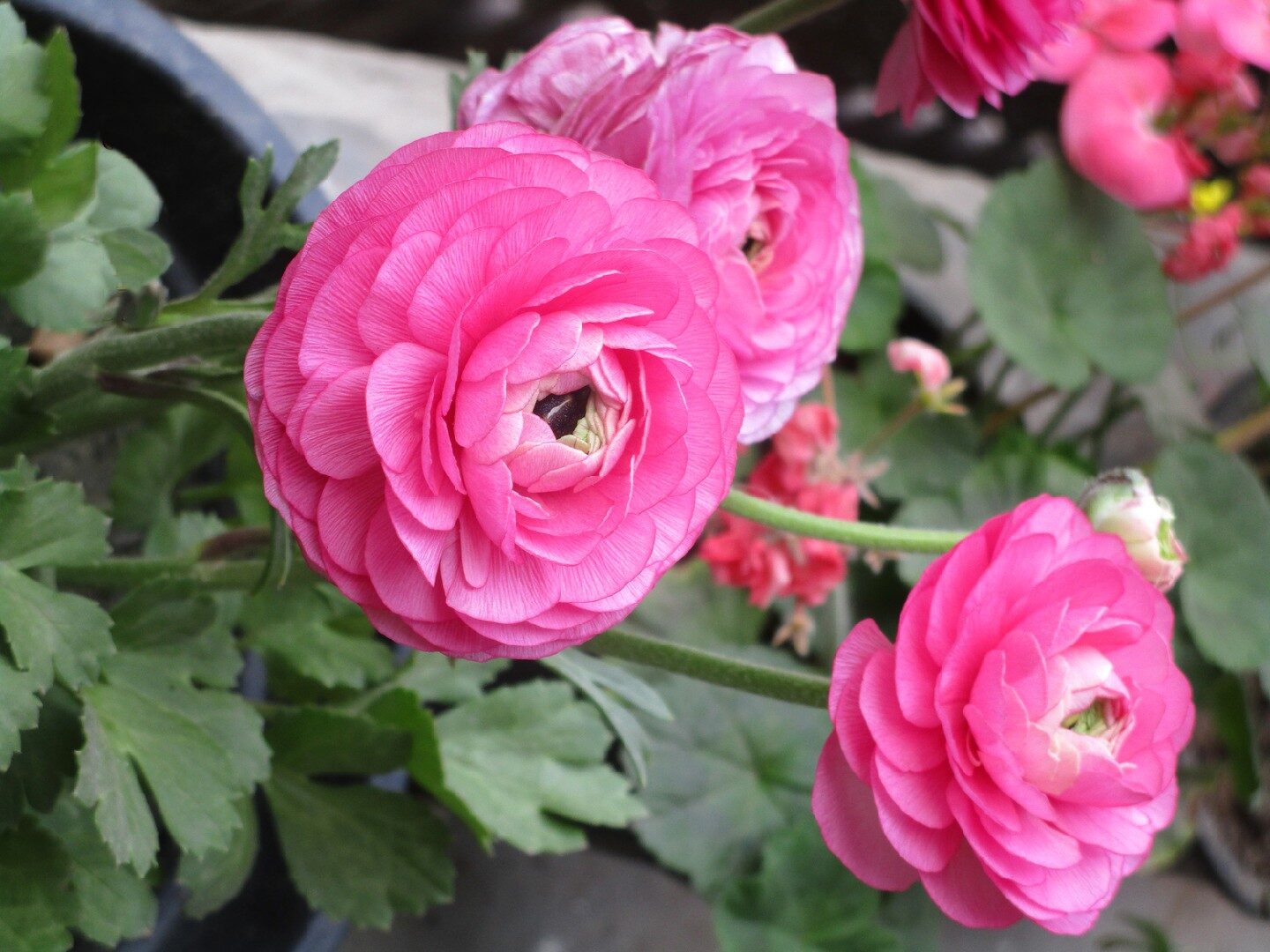
- Sunny balcony, bright patio, or cool, bright windowsill.
- Borders, window boxes, and along steps where excellent drainage and spring light abound.
- Cut-flower corner: their densely layered, rose‑ or peony‑like blooms open gradually with a luxurious, satin-like sheen.
Safety Note
- Mildly toxic if ingested; sap may irritate sensitive skin (typical of buttercups). Keep away from pets and small children. Wear gloves if you’re prone to skin irritation.
A Note on Meaning and “Flower Language”
Ranunculus is widely linked with charm, radiant beauty, and joyful celebration—fitting for a spring showstopper. Much of this symbolism comes from 19th‑century floriography, when Victorians assigned sentiments to flowers for coded messages. Modern breeding has only amplified that allure: today’s Persian buttercups, developed through extensive programs in Europe, Israel, and Japan, flaunt doubles, bicolors, and even antique tones that make them centerpieces for festive bouquets and spring gifting. Treat these meanings as poetic tradition rather than botany—but it’s hard to argue with a bloom that practically beams.
—
Bottom line: If yellowing arrives with warming weather after the bloom flush, it’s likely your cue to ease the plant into its well-earned summer nap. If yellowing is blotchy, sticky, or ragged, use the quick fixes above. With bright light, cool air, and excellent drainage, your Persian buttercups will reward you with a spectacular spring performance—year after year.