

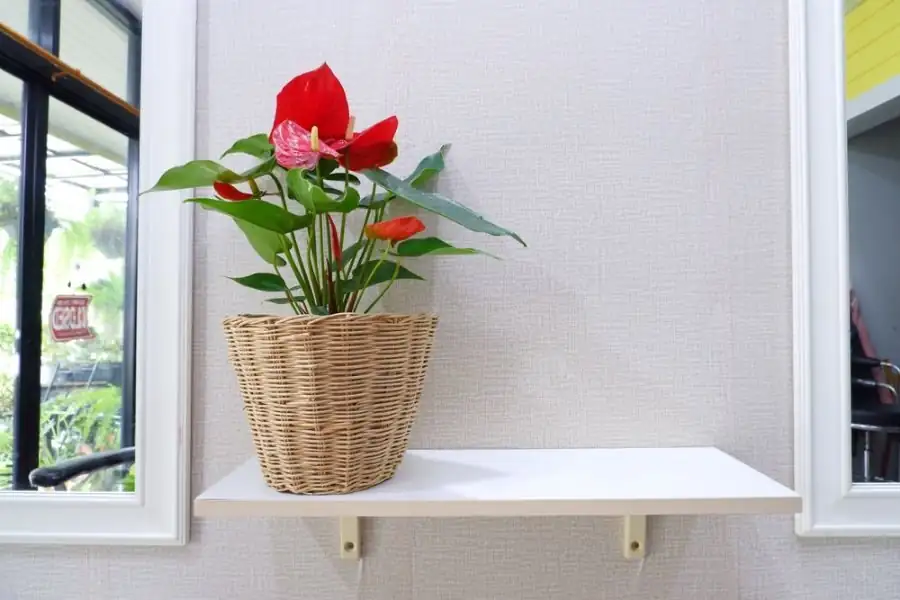
If your Flamingo Flower (Anthurium andraeanum) has gone from glossy and glamorous to moody—yellowing leaves, crispy tips, stalled blooms, or mystery pests—don’t panic. This tropical beauty broadcasts what it wants. Read the signals, tweak the care, and it will bounce back with those lacquered spathes and lush, deep-green leaves.
Below is your practical, battle-tested troubleshooting guide—what to check first, how to fix it fast, and when it’s time to reach for stronger tools like fungicides.
Start Here: A 60‑Second Health Check
- Light: Bright, filtered light is ideal. Harsh midday sun scorches; dim corners stall blooms.
- Water: Keep evenly moist, never soggy. Water when the top 2–3 cm (about 1 inch) dries.
- Potting mix: Chunky, airy aroid blend—think bark + coco coir/peat + perlite. Roots should never sit in water.
- Temperature: Warm is best. Aim for 20–30°C (68–86°F). Keep it above 15°C (59°F); below ~13°C (55°F) risks chilling damage.
- Humidity: 50–60%+ with good airflow. Avoid wet foliage at night.
- Fertilizer: Spring–summer, feed every 2 weeks at half-strength with a balanced-to-bloom-leaning formula, e.g., 20-8-20.
- Pests: Inspect undersides of leaves, petiole bases, and spadices for movement, webbing, cottony fluff, or scarring.
—
Troubleshooting Yellow Leaves
Yellowing happens, but the “why” matters.
Most common culprits
- Overwatering or poor drainage
- Aging leaves (normal on the oldest foliage)
- Low light
- Cold drafts/chilling
- Root rot setting in
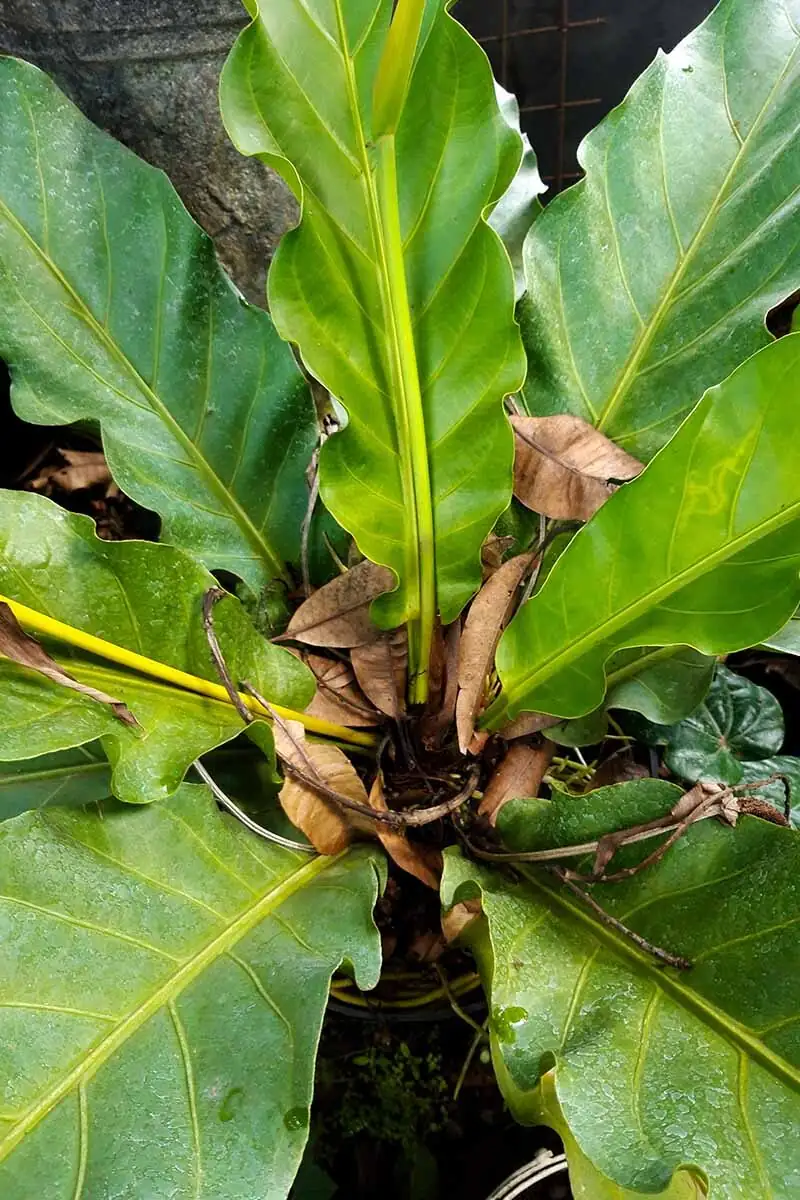
What it looks like
- Lower, oldest leaves turn uniformly yellow: likely natural aging—or low light/overwatering compounding it.
- Patchy yellowing with mushy petioles or a sour smell from the pot: likely root issues from soggy soil.
- Sudden yellowing after a cold night or draft: chilling injury.
Quick fixes
- Check the mix and pot: Ensure there’s a drainage hole and a chunky aroid blend. If the potting mix compacts or smells sour, repot into a fresh, airy blend.
- Reset your watering rhythm: Water only when the top 2–3 cm are dry; then drench thoroughly and drain fully. Never let it sit in a saucer of water.
- Improve light: Move to bright indirect light. East windows are fantastic; south/west need a sheer curtain.
- Stabilize warmth: Keep it above 15°C (59°F), away from cold windows or AC blasts.
- Prune wisely: Remove yellow or damaged leaves at the base with clean scissors. This tidies, improves airflow, and shifts energy to new growth.
If roots are brown and mushy, trim to healthy tissue and repot in a chunky mix. Keep slightly drier until you see recovery growth.
—
Troubleshooting Crispy Leaf Tips or Edges
Crispiness is your plant’s way of saying, “I’m thirsty, salty, sunburnt, or sitting in dry air.”
Likely causes
- Underwatering and low humidity
- Fertilizer or hard-water salt buildup
- Hot, direct sun exposure
- Late-day misting leading to stress or spotting
Fix it fast
- Humidity: Aim for 50–60%+. Use a humidifier or a pebble tray. Light misting is fine—just avoid saturating foliage late in the day/night.
- Watering quality: If tips brown persistently, flush the pot with tepid, non-chlorinated water to leach salts. Consider rainwater, distilled, or filtered water.
- Watering cadence: Don’t let the root ball fully dry. Water when the top ~1 inch is just dry.
- Light adjustment: Pull back from harsh sun; bright, filtered light is the sweet spot.
Trim ragged tips only if needed; cut along the leaf’s natural shape to avoid fresh brown edges.
—
Stalled Blooms (or Fewer Spathes Than Before)
Your anthurium can flower on and off year-round indoors—if its basics are met.
Most common reasons
- Not enough bright, indirect light
- Running cool (especially below 15°C/59°F)
- Low potassium or infrequent feeding in the growing season
- Plant exhausted by old blooms or crowded foliage
- Oversized pot with heavy, soggy mix
Bloom-boosting checklist
- Light: Increase filtered brightness. East-facing windows excel; add a sheer to soften south/west sun.
- Warmth: Keep around 16–24°C (61–75°F) as a reliable indoor range, with warmer spells up to ~30°C (86°F) helping flowering.
- Feed “bloom lean”: Every 2 weeks in spring–summer with a half-strength fertilizer skewed a bit higher in potassium, e.g., 20-8-20. Reduce in fall–winter.
- Grooming: Remove spent spathes at the base to redirect energy. Thin crowded, yellowing, or damaged foliage.
- Repot smartly: Every 2–3 years when root-bound, using a 1:1 potting mix and barky orchid mix or a custom aroid blend. Keep the crown at or slightly above the mix. Don’t drown aerial roots; top-dress with moss if they’re exposed.
Note: Winter lulls are normal due to lower light and cooler rooms. Brighten and warm gently to maintain flowering.
—
Pests: Thrips, Mites, Mealybugs (and Friends)
Anthuriums aren’t pest magnets, but when conditions tip, these can show up. Early action is everything.
General IPM (Integrated Pest Management) steps
- Isolate: Move the plant away from your collection.
- Rinse: Gently shower foliage (including undersides) with lukewarm water.
- Wipe: Use a soft cloth to remove residues and check for eggs along veins and petiole bases.
- Treat: Use insecticidal soap or horticultural oil (including neem oil) per label directions. Repeat weekly for 3–4 cycles to catch hatchlings.
- Improve culture: Raise humidity (with airflow), avoid leaf wetness at night, and keep the plant warm and unstressed.
Thrips
- Signs: Silvery streaks, scarring, and deformed new leaves; tiny dark slivers that run along veins. Blooms may look blemished or browned.
- Targets: New growth, spathes, and undersides of leaves.
- Action plan:
- Remove heavily damaged blooms/spathes—they attract thrips and can harbor eggs.
- Blue or yellow sticky traps help monitor adults.
- Apply insecticidal soap or horticultural oil thoroughly, including leaf undersides and spadices. Repeat weekly 3–4 times.
Spider mites
- Signs: Fine stippling, dulling of leaves, and in heavy cases, webbing. Thrive in warm, dry air.
- Action plan:
- Increase humidity with good airflow (mites hate it).
- Rinse leaves regularly; then apply horticultural oil or insecticidal soap to leaf undersides.
- Repeat at 7–10 day intervals until stippling ceases and new growth is clean.
Mealybugs
- Signs: Cottony white tufts in leaf axils, along petioles, or on roots; sticky honeydew; leaves may wilt or yellow.
- Action plan:
- Dab visible clusters with cotton swabs dipped in 70% isopropyl alcohol.
- Follow with insecticidal soap or horticultural oil; repeat weekly until clear.
- If root mealies are suspected, unpot, rinse roots, trim any badly affected tissue, and repot in fresh, airy mix.
Scale, aphids, and fungus gnats
- Scale: Brown, immobile bumps; treat like mealybugs (manual removal + oil/soap).
- Aphids: Clusters on tender growth; cause curling/yellowing and sticky honeydew. Rinse, then soap/oil and repeat.
- Fungus gnats: A nuisance linked to wet soil; let the top layer dry between waterings, improve drainage, and use sticky traps while you correct moisture.
Note: Always use products labeled for ornamental houseplants and follow directions exactly.
—
When to Break Out Fungicides
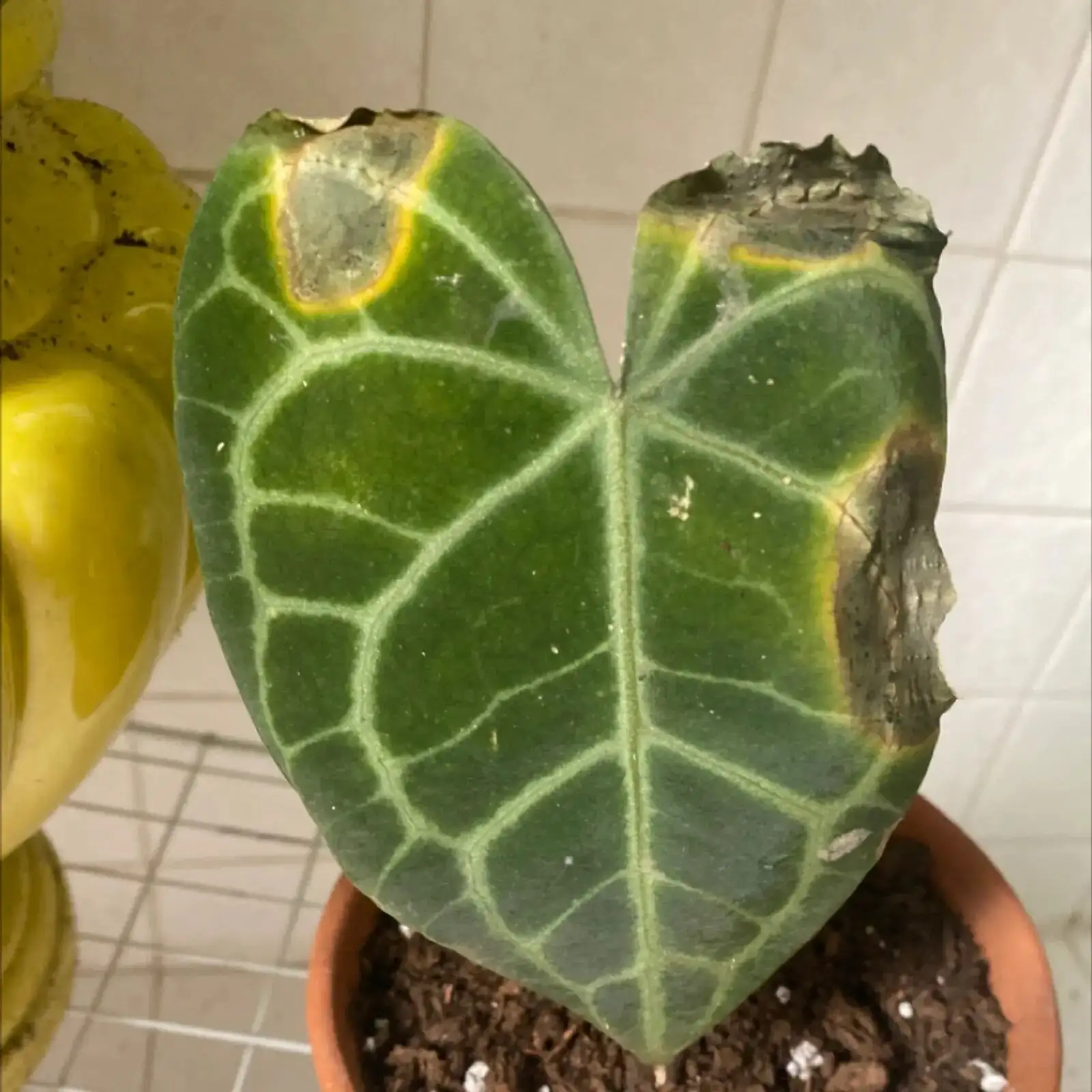
Fungal diseases can appear if foliage stays wet and airflow is poor. Common issues include leaf spots, anthracnose, and inflorescence rot.
Before you spray: fix the conditions
- Airflow: Space plants and run a gentle fan if your room is humid.
- Watering: Water early in the day so leaves dry before night; avoid misting late.
- Hygiene: Remove and discard infected leaves/spathes. Sterilize shears between cuts.
- Mix: Ensure the potting blend drains fast and stays airy.
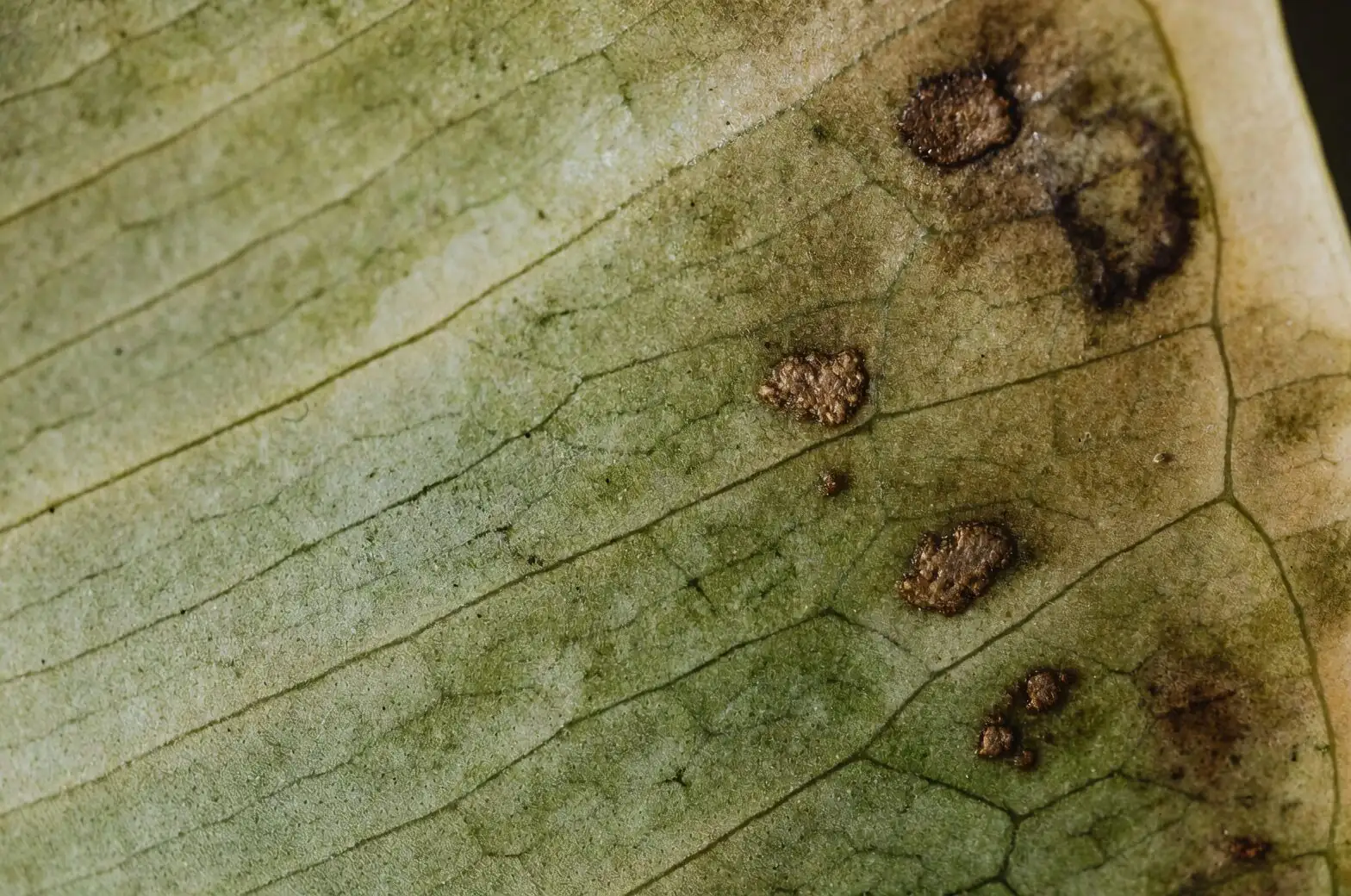
Symptoms that may warrant fungicide
- Expanding brown or black leaf spots (often with a yellow halo)
- Rapid spotting and collapse of spathes or inflorescences
- Disease progresses despite cultural corrections
Smart fungicide use
- Choose a product labeled for ornamental houseplants and for leaf spot/anthracnose on foliage plants.
- Apply exactly as directed, ensuring good ventilation. Spot-test a leaf first.
- Rotate modes of action if multiple applications are needed, as labels allow.
- Continue cultural fixes—fungicides work best alongside drier leaves, better airflow, and clean pruning.
If the problem is root rot from soggy soil, fungicides won’t rescue mushy roots. Unpot, trim to healthy tissue, repot in a chunky mix, and water more carefully.
—
The Gold-Standard Care Loop (So Problems Don’t Come Back)
- Light: Bright, indirect. East window or a few feet back from a south/west window behind a sheer.
- Water: When the top 2–3 cm is dry, water thoroughly and drain. Never let it sit waterlogged.
- Humidity: Aim for 50–60%+ with airflow. Humidifier or pebble tray helps; avoid wet leaves at night.
- Temperature: Keep it warm—ideally 16–24°C indoors, with warmer spells up to ~30°C boosting vigor. Never below 15°C.
- Feeding: Spring–summer every 2 weeks at half strength with a slightly K-leaning formula like 20-8-20. Reduce in cooler months.
- Grooming: Remove spent spathes and yellowing or crowded leaves at the base.
- Repotting: Every 2–3 years when root-bound, into a 1:1 potting mix and barky orchid mix or another airy aroid blend. Keep the crown just above the surface.
Pro tip: Anthuriums even adapt to water culture. If you grow in water, keep only the lower roots submerged, change water weekly, add a light hydroponic nutrient, and trim any rotting roots promptly.
—
Safety Note
All parts are toxic if chewed (insoluble calcium oxalates). Keep away from curious pets and children. Sap may irritate skin—wear gloves if you’re sensitive.
—
A Quick Word on “Flower Language” and Symbolism
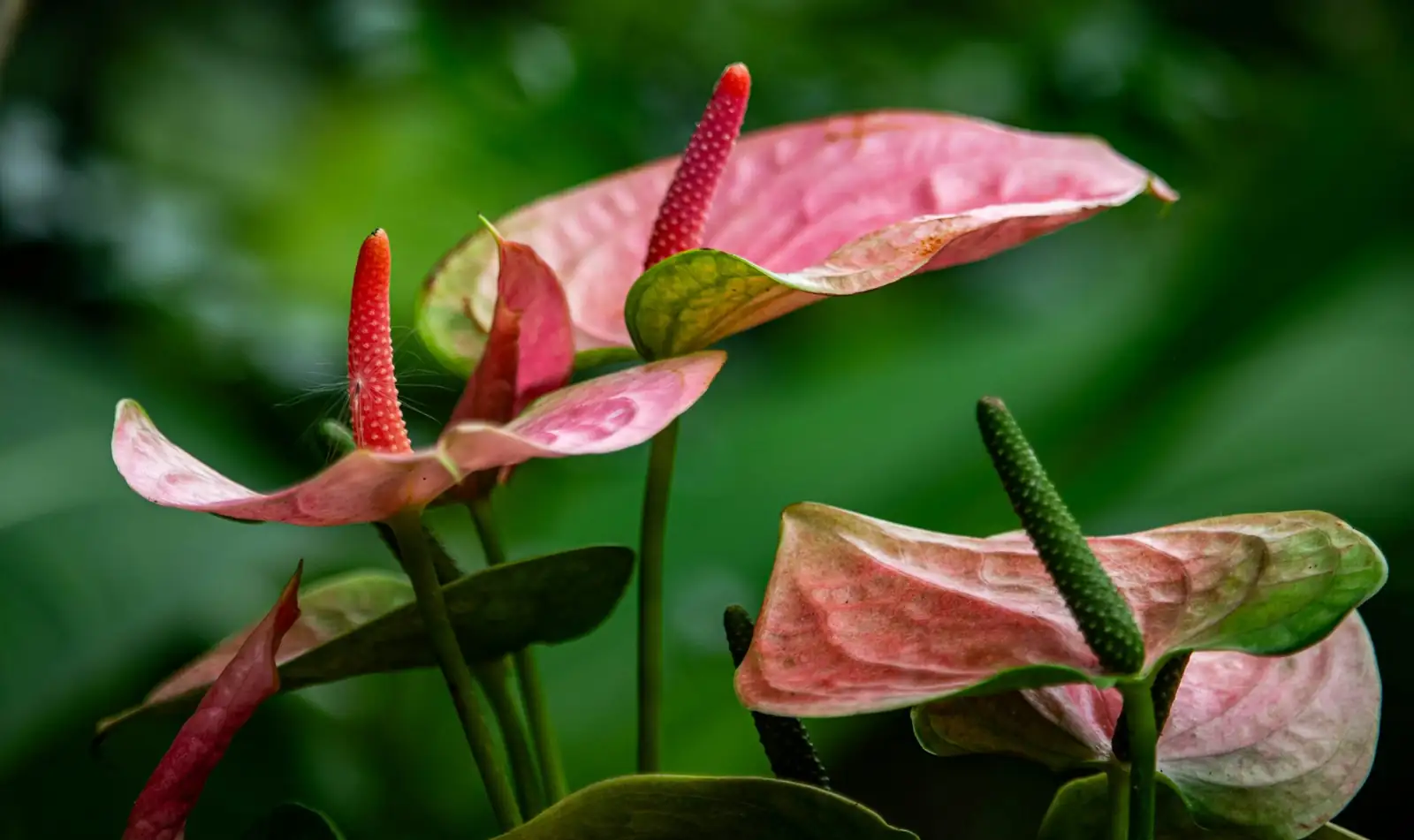
The dramatic spathe-and-spadix display has made Flamingo Flower a symbol of hospitality, warmth, confidence, and lasting love—fitting, since each “bloom” can stay showy for weeks. “Flower language” traditions often vary by culture and era, but with anthuriums, the lasting spathe has long signaled enduring affection and welcome. It’s one reason they star in reception areas and gift bouquets: the message lingers as long as the color does.
—
Fast FAQs
- Why are my leaves turning yellow? Most often, overwatering or poor drainage. Let the top 2–3 cm dry between waterings and switch to a chunkier aroid mix.
- Why does it flower less in winter? Lower light and cooler rooms. Brighten the spot and keep it warm—above 15°C helps, with 16–24°C a reliable target range indoors.
- Can I treat pests without harsh chemicals? Yes—start with isolation, rinsing, and repeated applications of insecticidal soap or horticultural oil. Catch them early.
- When should I use a fungicide? If leaf spots or inflorescence rot spread despite cultural corrections. Use a fungicide labeled for ornamental houseplants and follow the instructions exactly.
Give your Anthurium andraeanum bright, filtered light, steady warmth, and a breathing, barky mix—and it will pay you back with glossy foliage and spathes that last for weeks. Troubleshoot early, treat gently, and save the heavy artillery for when you truly need it.