
If you’ve heard that a houseplant can “scrub” your air, you’re not alone. The Baby Rubber Plant (Peperomia obtusifolia) often appears on those air-purifying lists—and it is a wonderful plant. But what does the science actually say about VOCs, and how do we get real wellbeing benefits at home or work? Let’s separate sealed-chamber legend from everyday-life reality and set your plant up to thrive in light and air that make you feel great.
Meet Peperomia obtusifolia: the compact, glossy morale booster
- Common names: Baby Rubber Plant, Pepper Face, Radiator Plant
- Origin: Tropical Americas, especially Brazil
- Habit: A tidy, evergreen perennial with thick, glossy, water-storing leaves; usually 20–30 cm (8–12 in) tall and wide indoors
- Vibe: Calm, composed foliage that stays neat on a desk or shelf; available in handsome green and variegated forms
- Pet status: Generally considered non-toxic to cats, dogs, and humans
It’s “semi-succulent,” so it forgives a missed watering better than most tropicals. Given bright, filtered light and a fast-draining mix, it grows slowly and steadily. Flowers? Expect the occasional quirky, unscented “rat-tail” spike—cute, but not the main event.
The truth about “air‑purifying” plants: lab wins, real‑world limits
What lab studies actually showed
- In sealed, small-scale laboratory chambers, potted plants and their potting mixes can reduce certain volatile organic compounds (VOCs) such as benzene and formaldehyde.
- Microbes in the potting medium often do much of that chemical breakdown, with the plant contributing some uptake.
This is where the long-running “plants clean the air” story took off.
Why those results don’t translate to homes and offices
- Real buildings have air exchange (open windows, mechanical ventilation, infiltration)—and that ventilation dilutes VOCs far faster than a few potted plants can.
- Meta-analyses and engineering reviews conclude you’d need an impractical density—on the order of roughly 10 to 1000 plants per square meter of floor space—to match typical indoor ventilation for VOC removal.
- Some early findings haven’t replicated in complex indoor settings, where airflow, furnishings, and changing pollutant sources dominate.
Bottom line: a Baby Rubber Plant is not an indoor air filter. It won’t measurably lower VOCs or CO2 in a normal room. That doesn’t diminish its value—it just shifts where the value truly lies.
So what can plants realistically do for indoor environments?
- Visual and mental wellbeing: Biophilic design is linked with reduced stress and better mood, focus, and satisfaction at work. A compact, glossy Peperomia brings a consistent “fresh” look that reads as calm and orderly.
- Micro‑comfort: Transpiration from small houseplants is modest, but a cluster can make ultra‑dry winter air feel slightly gentler right where you sit.
- Behavioral benefits: The simple, pleasant ritual of tending an easy plant improves your space-care habits—which often leads you to open windows more, pare back clutter, and choose lower‑emitting products.
Turn claims into comfort: pair plants with ventilation and light
A simple “clean-air” strategy that actually works
- Control sources: Choose low‑/no‑VOC paints, sealants, and cleaning products; store solvents tightly sealed or outdoors.
- Ventilate mindfully:
- Use kitchen and bath exhaust fans.
- Create 10–15 minute cross‑breezes when outdoor air is decent.
- Keep supply vents unblocked.
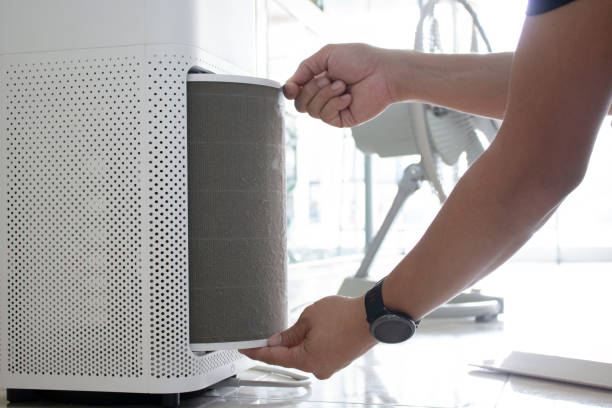
- Filter wisely:
- For particles (dust, pollen): high‑efficiency HVAC filters or a HEPA purifier.
- For gases (VOCs): add an activated‑carbon stage. HEPA alone doesn’t capture VOCs.
- Add plants for you: Place Peperomia obtusifolia where you see it often and where the light is right—think of it as a mood and design upgrade that complements, not replaces, ventilation.
Where to place your Baby Rubber Plant for max mood and minimal fuss
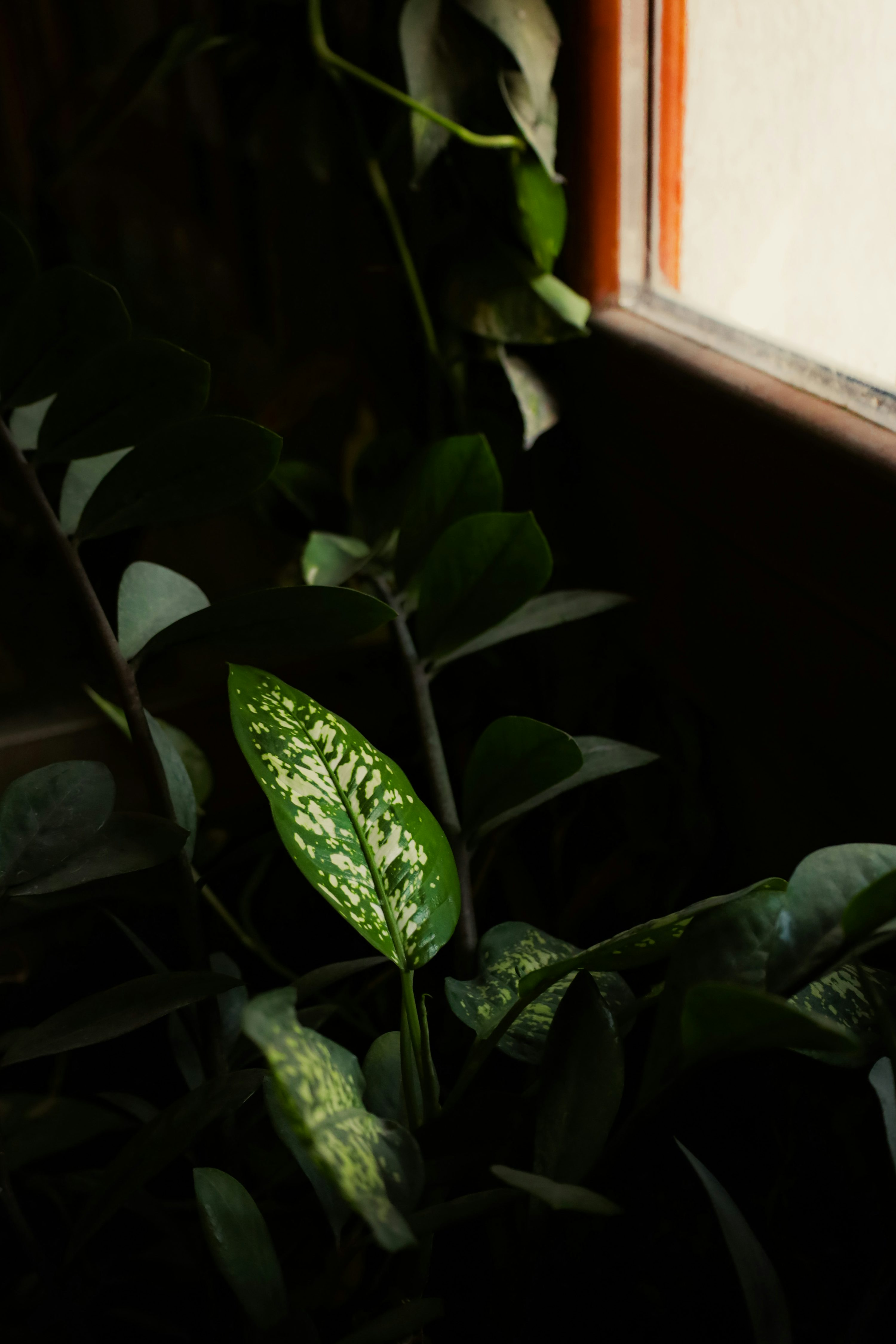
- Best light: Bright, indirect light to partial shade. An east window is ideal; a south or west window works with a sheer curtain.
- What to avoid: Harsh direct sun (leaf scorch), dark corners (leggy growth), and cold drafts.
- Desk perfection: Set it 0.5–2 m (1.5–6 ft) from a bright window. Rotate the pot a half-turn weekly for symmetrical growth.
Light and ventilation, working together
- Spring–autumn: Gentle filtering (about 40–50% shade) keeps leaves glossy and compact.
- Winter: Give it brighter exposure as days shorten, but keep leaves clear of icy glass and avoid drafty sills.
- Venting without chilling: Let in fresh air, but shield the plant from cold bursts; keep room temps above 10°C (50°F), ideally 16–24°C (61–75°F).
Care cues for steady, calm growth
Watering: less is more
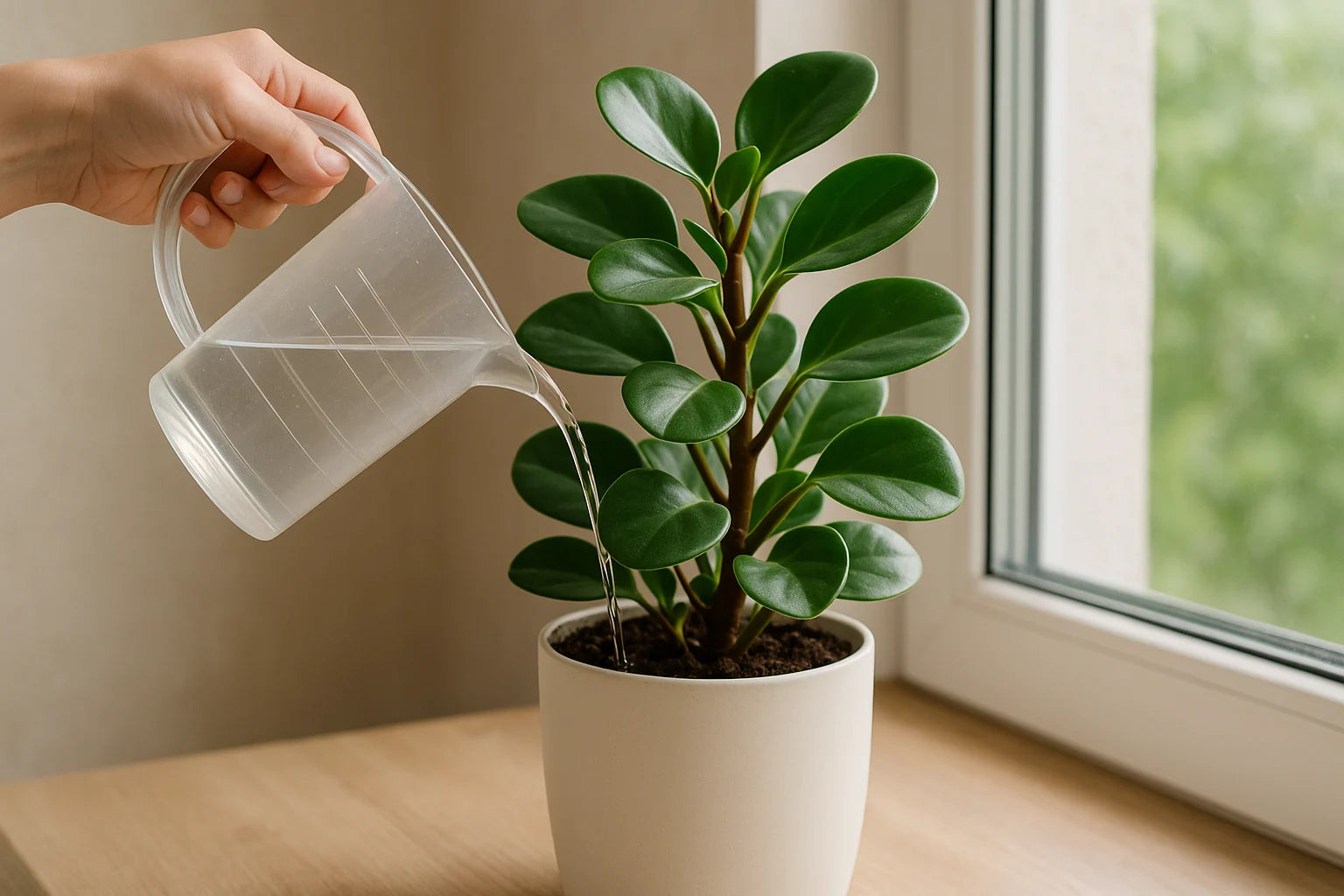
- Let the top ~5 cm (2 in) of mix dry, then water thoroughly and empty the saucer.
- Typical rhythm:
- Summer: about every 7–10 days
- Winter: every 2–3 weeks
- Signs you’re off:
- Too wet: Yellowing or dropping older leaves, mushy spots, sour smell (risk of root rot).
- Too dry for too long: Leaves soften and lose their shine.
Soil and pot
- Use a loose, fast‑draining mix: quality peat/coco houseplant mix + perlite or coarse sand; a bit of orchid bark is a bonus.
- Pot must have drainage holes. Slightly root‑bound is fine.
Temperature and humidity
- Comfortable at 15–27°C (59–81°F); best kept 16–24°C (61–75°F).
- Keep above 10°C (50°F). Prolonged heat above 30°C (86°F) can slow growth.
- Average home humidity is okay; if air is very dry in winter, use a humidifier or pebble tray and maintain gentle airflow.
Feeding
- Light feeder. During active growth:
- Monthly balanced liquid feed, or
- Every 2 weeks May–August if growth is strong.
- Skip fall/winter feeding.
- Go easy on nitrogen—especially for variegated cultivars—to keep patterns crisp.
Pruning and shaping
- Pinch tips to encourage branching and maintain a compact mound.
- Thin congested areas to improve airflow.
- Rejuvenate older plants with a harder cutback in spring.
Propagation (surprisingly fun)
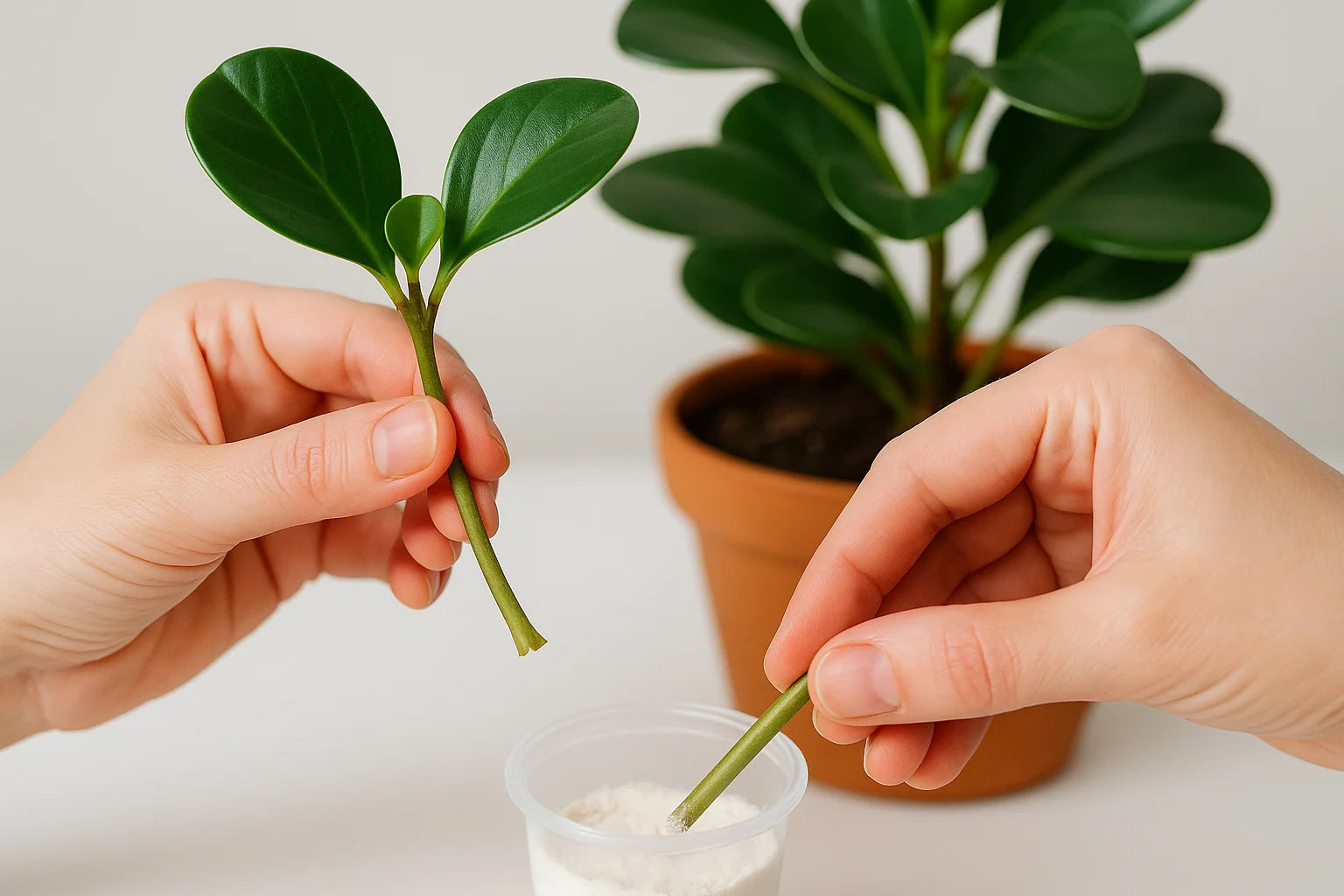
- Stem cuttings (3–4 cm with 3–5 leaves) root in a light mix in about 3 weeks.
- Leaf cuttings with a short petiole can sprout plantlets in a month.
- Water‑prop works, too; divide clumps at repotting.
Repotting
- Every 2–3 years or when roots circle or poke from drainage holes.
- Size up just 2.5–5 cm (1–2 in). Spring is best.
Fast troubleshooting
- Yellowing/dropping leaves: Most often overwatering or poor drainage; also low light or cold exposure.
- Pale variegation fading: Too much nitrogen or low light.
- Scorch or dulling: Excess direct sun or very dry air.
- Pests: Mealybugs, spider mites, whiteflies, or scale—treat early with insecticidal soap or horticultural oil, repeating weekly until gone. Improve airflow and avoid chronically wet leaves and soil.
Safety, pets, and people
- Generally considered non‑toxic to humans, cats, and dogs. As with any plant, nibbling may cause mild stomach upset in sensitive individuals.
Symbolism and “flower language,” thoughtfully
Peperomia obtusifolia is often gifted as a wish for steady, calm growth and a comfortable home or workspace—its evergreen neatness makes the metaphor easy to love. As for formal “flower language” traditions, these are cultural rather than botanical truths, shaped by eras (like Victorian floriography) that assigned social meanings to plants. Here, the Baby Rubber Plant’s message is modern and modest: keep things warm, bright, and balanced, and small, consistent care pays off.
Room‑by‑room placement ideas
- Home office: One plant on the desk within a bright, indirect zone; a second on a shelf to create a green “view” in your sightline.
- Living room: Cluster with other foliage 1–2 m from a south/west window filtered by a sheer; pair with a carbon filter purifier for comfort + clean air.
- Bathroom (with window): Warm, humid mornings are fine; just ensure bright, filtered light and good airflow to avoid soggy soil.
- Bedroom: East window stand; crack a window for fresh air when weather allows and keep the plant out of cold drafts.
Closing thought: realistic joy beats magical thinking
Your Baby Rubber Plant won’t vacuum VOCs from the air—but it will brighten routines, soften corners, and make fresh, filtered light feel even better. Combine plants you love with smart source control, real ventilation, and the right light, and you’ll get the genuine wellbeing perks that last: calmer eyes, steadier focus, and a greener space that’s easy to keep healthy.