

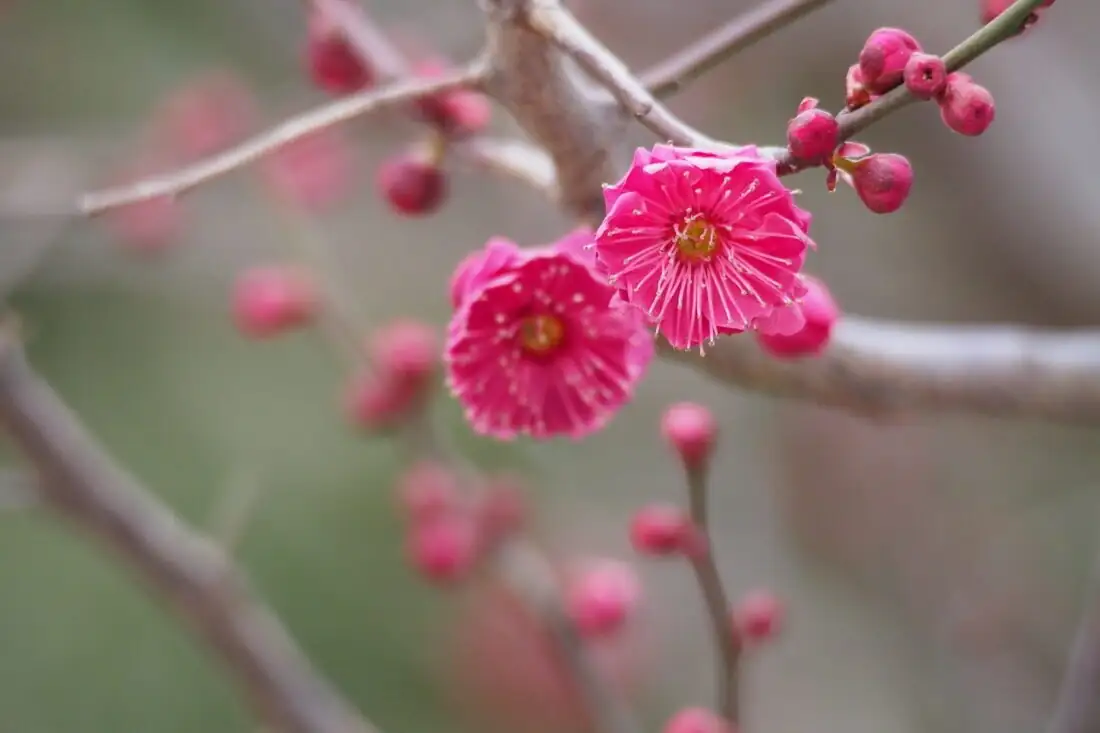
If you’ve ever leaned in to catch the spicy-sweet fragrance of Prunus mume in late winter, you know why gardeners can’t resist making more of it. The good news: you don’t need luck, you need a plan. Below are field-tested, season-by-season tactics to clone Japanese apricot from hardwood and softwood cuttings (with IBA), air-layer choice branches in spring or summer, and graft onto smart rootstocks in March or early autumn for vigor and longevity.
Before we start: one cultural constant makes or breaks success with P. mume—excellent drainage. Whether you’re rooting a cutting, nursing a new layer, or healing a graft, keep the medium airy, moist but never soggy, and give bright light with good airflow.
Pick your propagation path (quick map)
- Winter hardwood cuttings: best for sturdy, straight clones from 1–2-year shoots. Warm bench (about 20–25°C) and a brief IBA dip nudge roots in ~30–40 days.
- Late-spring softwood cuttings: fast to set in May–June with frequent misting; use tender-but-firm tips and IBA for reliable strikes.
- Air-layering (spring or summer): the high-percentage route for thicker branches; ring-bark, wrap, root, then pot.
- Grafting (mid-March or mid–late September): match scions to the right Prunus rootstock to tune vigor, resilience, and long-term health.
—
Winter hardwood cuttings: build the base right
Hardwood cuttings give you straight, durable liners ideal for training or bonsai trunks.

When and what to take
- Timing: winter to early spring, after leaf-fall while wood is dormant.
- Wood: strong 1–2-year-old shoots, pencil thickness if possible.
- Length: about 10–18 cm (4–7 in) with 2–4 nodes.
Step-by-step
- Prepare the medium
- Use a very free-draining, sandy/gritty mix (e.g., coarse sand + loam-based mix + fine grit). Sterile and airy is the goal.
- Make the cut
- Cut just below a node at the base; a shallow side-wound (lightly scraping the bark on one side) can encourage callus.
- Hormone
- Briefly dip the base in IBA around 0.5% for 5–10 seconds. Tap off excess.
- Stick and set
- Insert 3–5 cm deep so at least one node is buried.
- Space for airflow; label by cultivar.
- Environment
- Bottom warmth 20–25°C (68–77°F).
- Bright shade; no harsh midday sun.
- Keep evenly moist, never waterlogged.
- Rooting window
- Expect rooting in roughly 30–40 days. Tug gently: resistance plus fresh white roots = go-time.
Optional: bench-callus method (winter holdover)
- After taking cuttings in early winter, stand them base-down in moist, clean medium (e.g., sphagnum/sand) in a frost-free spot to callus.
- In late winter, select pieces with good callus, give the same brief IBA dip, and pot to root under warmth.
- Practical tip: keep detritivores like woodlice out—anything that nibbles callus can derail rooting.
Potting-on and aftercare
- Move rooted cuttings into a loam-based, free-draining mix with coarse grit.
- Harden off gradually; protect from extremes.
- Water deeply, then allow the surface to start drying before the next watering.
- Light feeding during spring shoot growth; avoid heavy feeding from late June to protect flower-bud set.
—
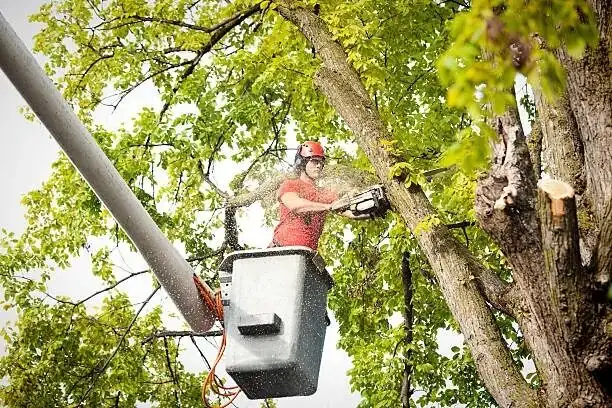
Late-spring softwood cuttings (with IBA): speed with finesse
Softwood strikes are quick when the timing and humidity are right.
When and what to take
- Timing: May–June, in the cool of the morning.
- Wood: current season’s growth that’s firming (not floppy), 6–10 cm tips with 2–3 nodes.
Step-by-step
- Prep the cutting
- Snip below a node; remove lower leaves, keep 1–2 leaves at the tip.
- Lightly wound the base (optional) to expose a sliver of cambium.
- Hormone
- Quick-dip the base in IBA around 0.5% for 5–10 seconds.
- Medium and setting
- Use a fine, fast-draining mix (e.g., perlite + coarse sand + a pinch of loam).
- Stick shallowly; firm the medium.
- Environment
- Frequent misting or an enclosed propagator to maintain high humidity.
- Bottom warmth around 20–25°C; bright shade with airflow to deter mildew.
- Rooting and weaning
- Expect rooting in several weeks.
- Reduce mist gradually; shift to brighter light as roots fill.
—
Air-layering in spring or summer: big leaps, high success
Air-layering lets you clone a well-placed branch and skip years of trunk-building.
Best windows
- Early spring before bud break, or
- Summer after new shoots have matured.
What to layer
- Choose healthy two-year wood, pencil to thumb thickness.
- Measure roughly 20–25 cm (8–10 in) from the tip for the ring.
Step-by-step
- Ring-bark
- Remove a 1 cm (0.4 in) wide band of bark all the way around.
- Scrape off the green cambium on the exposed wood so it can’t bridge.
- Pack the layer
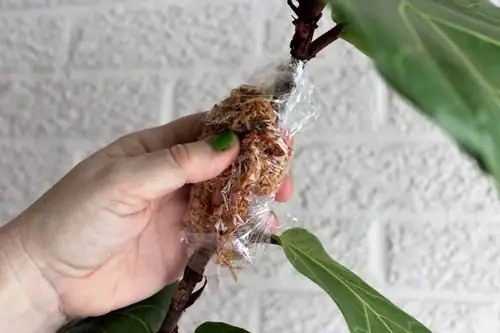
- Wrap the wound with a moist ball of leaf mold/compost (add coarse material for air).
- Cover snugly with plastic; seal both ends to hold moisture.
- Maintain
- Keep the wrap just moist; shade the layer from harsh sun.
- Root check and sever
- Roots often show within the season; once there’s a healthy halo of roots, cut below the layer.
- Potting and aftercare
- Pot into a free-draining, loam-based mix with coarse grit.
- Stake if top-heavy; keep evenly moist and sheltered as it establishes.
—
Grafting for vigor and longevity: timing and rootstock smarts
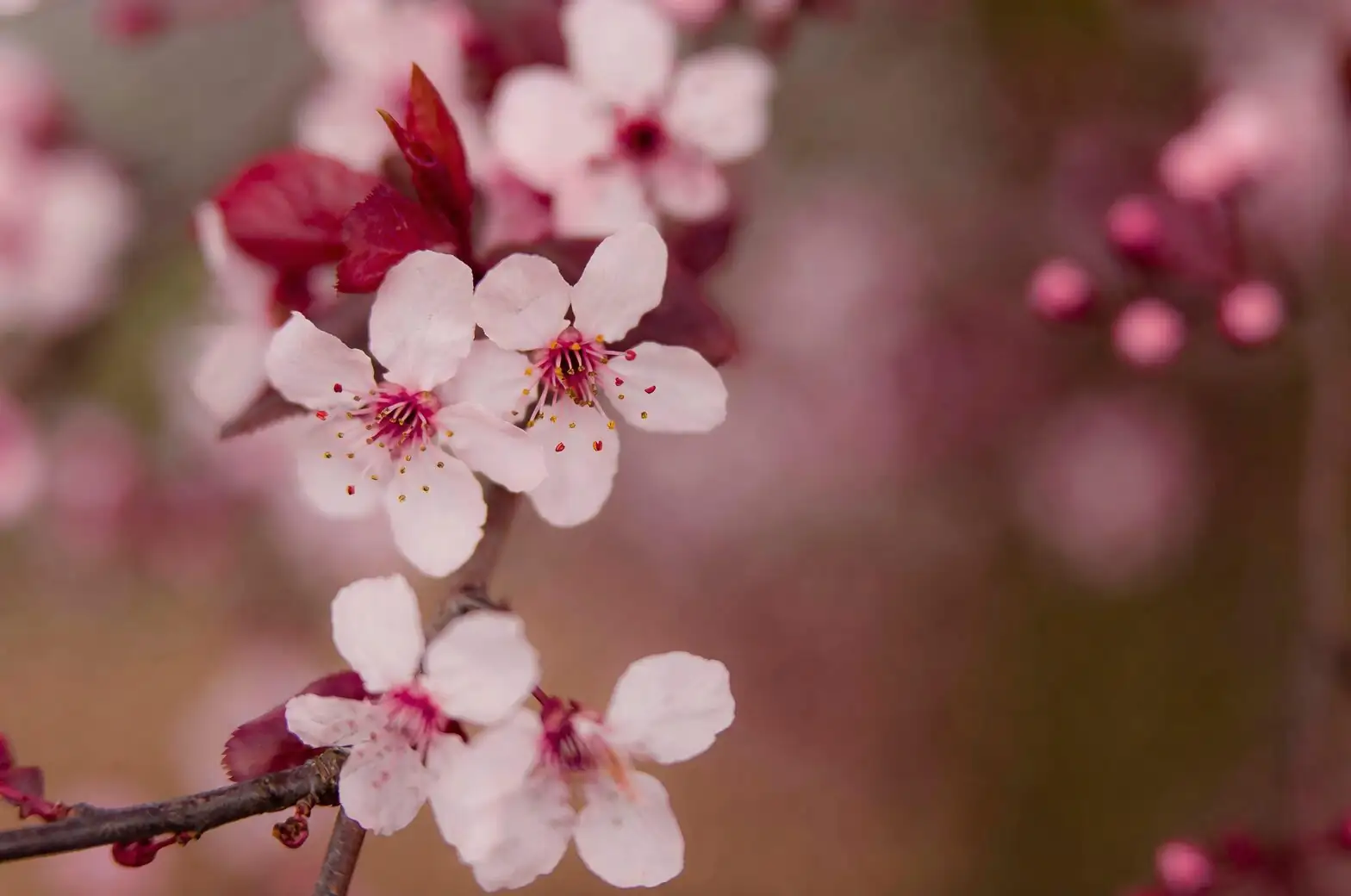
Grafting shines when you want specific cultivars on root systems tailored to your soil, climate, and goals.
When to graft
- Mid-March (as sap rises; scions still dormant), or
- Mid-to-late September (early autumn window).
Scions and technique
- Scions: dormant pieces with 2–4 buds; remove flower buds if present.
- Methods: whip-and-tongue (neat, strong union), cleft (quick and forgiving). Budding also works—chip in dormancy, T-bud during active growth.
- Essentials: precise cambium alignment, firm tie, and clean cuts; seal exposed surfaces; immobilize the union.
Rootstock choices: what to expect
- Prunus mume seedlings
- Gold standard for compatibility and long-term harmony.
- Balanced vigor; traditional choice for ornamental and bonsai use.
- Apricot types (Prunus armeniaca)
- Often boost vigor and trunk caliper.
- Thrive in well-drained sites; a good choice when you want strong growth and early establishment.
- Plum types (e.g., Japanese or European plums, commonly used selections like St. Julien A)
- Chosen for broad adaptability and manageable vigor in many regions.
- Useful where disease resistance or soil variability is a consideration; confirm local compatibility with mume before large-scale use.
- Peach types (Prunus persica)
- Can promote fine-textured, responsive shoot growth.
- Prefer lighter, very well-drained soils; manage nutrition to avoid overly soft flushes.
Tips for better unions:
- Keep everything bright and airy; avoid waterlogging at the rootstock—P. mume dislikes soggy feet.
- Remove any rootstock suckers promptly so the scion gets all the push.
- Support and shade the graft during heat spikes; do not let the union dry out.
- Once the graft is racing, pinch after 5–6 leaves to control length and encourage branching.
—
Aftercare calendar for your new plants
- Spring
- Full sun; deep water as growth starts.
- Light feeding 1–2 times during shoot extension.
- Late spring–early summer
- Gradually reduce watering a touch (without wilting) to support flower-bud formation.
- Summer
- Thin or pinch vigorous shoots; avoid heavy feeding and overwatering.
- Summer–autumn
- Keep moisture steady to protect leaf health and bud set.
- Autumn–winter
- Water less after leaf fall but never let the rootball fully dry.
- For indoor display, keep blooming plants cool (around 8–10°C) to extend flowers.
Pest and disease watch:
- Powdery mildew prefers stagnant, humid air—space plants, keep foliage dry late in the day, and treat early if needed.
- Aphids flock to soft tips—rinse or use targeted controls.
- Wood-boring beetles attack stressed wood—keep plants vigorous; remove infested sections if found.
Safety note: As with many Prunus, seeds/pits may contain cyanogenic compounds—keep them away from children and pets.
—
Troubleshooting your propagation
- Cuttings rot or blacken
- Medium too wet or fine; re-pot into a grittier mix and improve airflow. Sanitize blades between cuts.
- Callus forms but no roots
- Maintain steady bottom warmth (20–25°C); avoid chilling the base at night. Keep medium barely moist, not dripping.
- Softwood cuttings wilt under mist
- Shade more and reduce leaf area; ensure intermittent, not continuous, misting.
- Air-layer dries out
- Reseal both ends of the wrap; add a shade panel and check moisture weekly.
- Graft fails to take
- Scion too active or flowers left on; use dormant scions and strip flower buds. Re-make with better cambium contact and firmer tie.
—
Meaning in bloom: where “flower language” meets lived tradition
In East Asia, Prunus mume embodies resilience and hope—its blossoms open on bare wood in late winter, a quiet defiance of cold and a promise of spring. Modern “flower language” charts often reduce that to a slogan, but the symbolism has deeper roots: poems, paintings, and garden scenes that celebrate endurance, purity of intent, and the courage to begin again. When you propagate mume—whether by a careful graft in March or a patient air-layer in summer—you’re not only multiplying a plant; you’re continuing a tradition that honors beauty showing up early, against the odds.
Grow it bright, keep it well-drained, and time your propagation to the plant’s rhythm. Do that, and Prunus mume will repay you with fragrance in winter and a garden story that keeps getting better.