

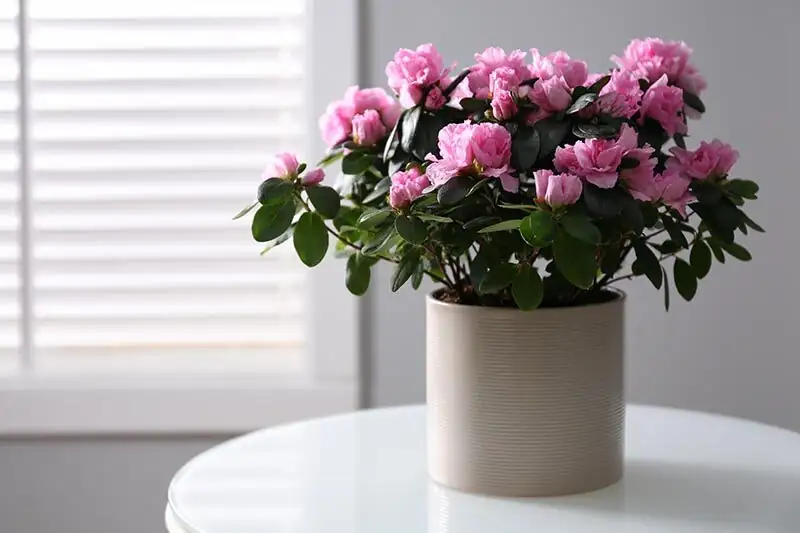
Think of Belgian florist azaleas as cool‑mist forest dwellers wearing couture. Give them airy, acidic “forest floor” footing, soft rainwater to sip, and light, regular meals—and they’ll keep those leaves glossy deep‑green while throwing out luscious winter‑spring blooms. Here’s the uncluttered, expert roadmap.
Meet the Belgian Azalea (Rhododendron Simsii Group)
Often sold in shops as Rhododendron indica, these compact, evergreen hybrids are correctly grouped as Rhododendron Simsii Group—classic “florist azaleas” bred in European greenhouses to look fabulous in pots.
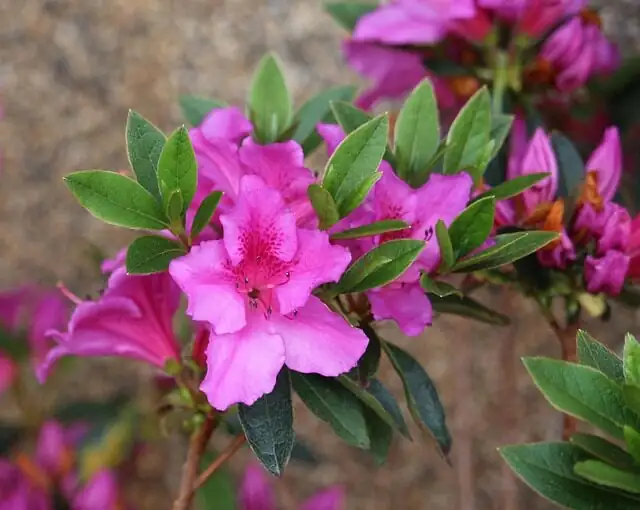
- Look: Densely branched mini‑shrubs, typically 30–60 cm tall and wide, dressed in glossy deep‑green leaves and packed with funnel‑shaped flowers in pinks, reds, whites, and bicolors.
- Prime season: Mostly winter to spring, with the potential to rebloom 2–3 times a year under excellent indoor care.
- Light and air: Bright light with gentle sun; morning rays are ideal. Give them ventilation and avoid stuffy corners.
- Comfort zone: Cool‑to‑mild 12–25°C (54–77°F), above 10°C (50°F) in winter. Growth slows at 5–10°C and again above 30°C. They dislike heat and dry blasts.
- Humidity: They perk up at 50%+ humidity.
Tip for buying: Choose a plant with lots of plump buds and roughly 20% just opening, with leaves uniformly glossy deep‑green.
—
The Ericaceous Mix, Decoded
Azaleas are Ericaceae—plants from leaf‑litter woodlands where organic, acidic, well‑aerated soils reign. You don’t need a secret potion; you just need the right texture and pH.
What “ericaceous” really means
- pH sweet spot: About 4.5–6.0 (slightly to distinctly acidic).
- Texture: Loose, springy, and fast‑draining, but moisture‑retentive—think sponge cake, not pudding.
- Ingredients to love: Sphagnum peat or leaf mold, fine composted pine bark, perlite or coarse sand for extra air.
Two reliable potting recipes
- Option A (peat‑forward): 50% sphagnum peat or leaf mold, 30% fine pine bark, 20% perlite.
- Option B (bark‑forward): 40% peat/leaf mold, 40% fine bark, 20% perlite/coarse sand.
Rules of thumb:
- No lime, no mushroom compost, no manure. They nudge pH up and can load salts.
- Excellent drainage is non‑negotiable; never let the pot sit in water.
Potting and repotting
- Repot yearly in spring or just after flowering—roots are fine and brittle, so handle gently.
- Choose a pot only one size up; oversized pots stay wet too long.
- Water thoroughly and drain completely each time.
—
Water Quality: Soft vs. Hard (and why your leaves care)
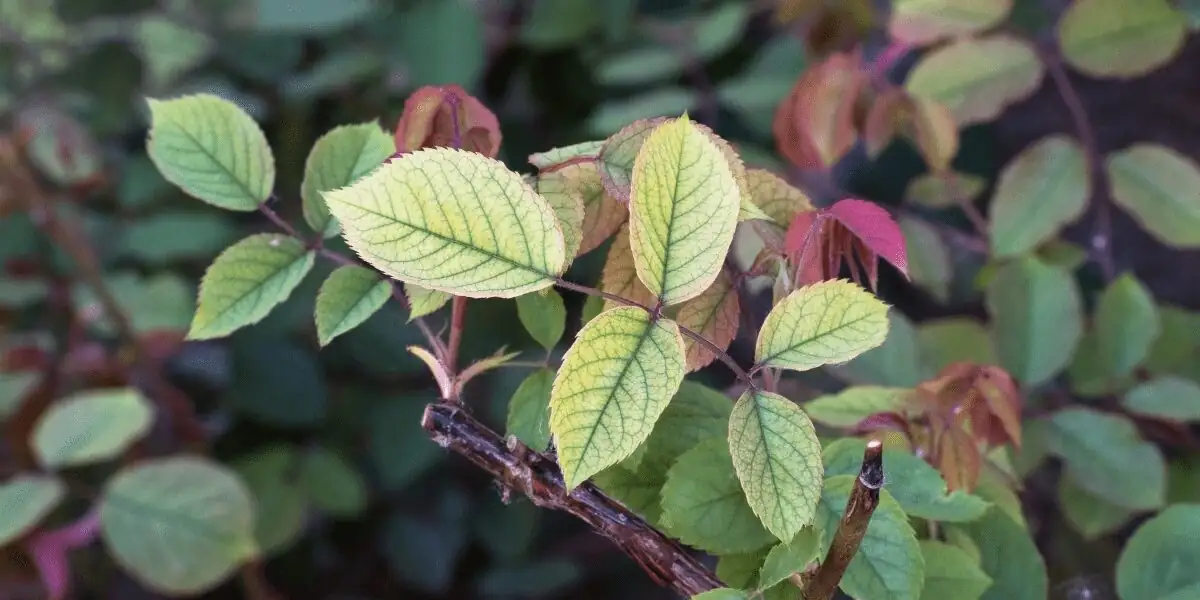
Hard water isn’t just “lots of minerals”—it brings alkalinity that steadily pushes pH up and locks iron in the soil, causing yellowing leaves with green veins (iron chlorosis).
Quick ways to tell if your water is a problem
- Your kettle crusts with limescale = hard, alkaline‑leaning.
- Water report shows high “alkalinity” or hardness (often above ~150 ppm CaCO3).
- A TDS meter reads very high (not perfect, but a clue). Azaleas are happiest with low‑mineral, low‑alkalinity water.
What to use instead
- Best: Rainwater, distilled, or reverse‑osmosis (RO) water.
- Mixing hack: Blend RO/rain with tap to soften and cut alkalinity.
- Acidifying fertilizers help too (ammonium‑based formulas for acid‑loving plants), but water that starts soft is the cleanest solution.
- If you must acidify: Use products labeled for adjusting irrigation water, test, and aim the leachate pH into the 5–6 range. Skip DIY vinegar routines—too imprecise and root‑scorch prone.
- Never use aluminum sulfate to “acidify”—aluminum can be toxic to azaleas.
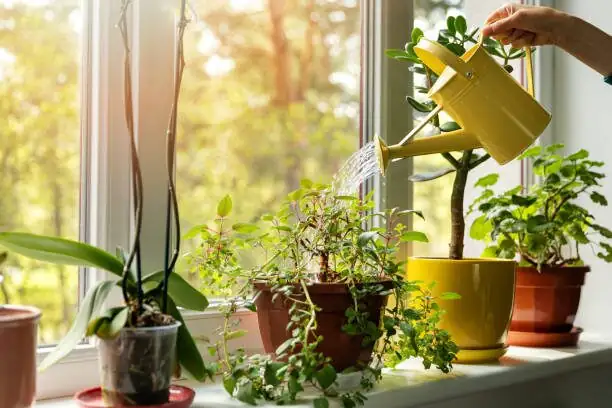
The simple watering rhythm
Their roots are fine and shallow, so consistency is everything:
- Spring (growth/after bloom): roughly twice a week, per your room climate.
- Summer: water when the top 1–2 cm dries; keep plants cool and air humid.
- Autumn: taper slightly, often 2–3 times weekly indoors.
- Winter (many are flowering): steady moisture, often once a week or in smaller, frequent sips. Always drain excess.
Never let the rootball go bone‑dry—and never keep it soggy.
—
Keeping Leaves Glossy Deep‑Green
Light feeding without salt burn
Belgian azaleas prefer “grazing” to “feasting.”
- Use an azalea/rhododendron (acid‑loving) fertilizer at low strength during active growth.
- Frequency: every 2 weeks is plenty at dilute strength.
- How dilute? About 1/4–1/3 the label’s strongest houseplant rate. If you use a conductivity meter, aim low: roughly 0.4–0.8 mS/cm total nutrient solution.
- Nitrogen form: Favor ammonium‑based/urea‑light acid formulas rather than nitrate‑heavy ones to help keep the root zone acid.
- Flush the pot with plain soft water monthly to prevent salt buildup.
- Avoid slow‑release prills that raise pH or release heavily in warm rooms.
Salt burn looks like crisped leaf edges, sudden wilting despite moist soil, or brown root tips. When in doubt, feed less and flush more.
Iron chlorosis: prevent and fix the yellowing
What you’ll see: new leaves paling between veins while veins stay green; plants can stall and look tired.
1) Check the causes first
- Hard/alkaline water? Switch to rain/RO.
- Mix exhausted or compacted? Repot into fresh, airy, acidic media.
- Overwatering or waterlogging? Improve drainage and your watering cadence.
- Salt buildup? Flush thoroughly.
2) Fast relief with iron
- Use chelated iron per label. DTPA chelates work in mildly acidic mixes; EDDHA is most stable at higher pH if you’re correcting a stubborn case.
- Foliar sprays green leaves quickly but don’t fix the root cause—consider a soil drench too.
- Some growers use dilute ferrous sulfate drenches (~0.15% per label guidance). Again, follow the product instructions precisely.
3) Lock the gains
- Keep irrigation soft and acidic‑leaning.
- Maintain that airy ericaceous mix and lean feeding plan.
Never use aluminum sulfate to lower pH; stick to iron chelates or ferrous sulfate as labeled.
Humidity, temperature, and mite patrol
- Aim for 50%+ humidity to keep foliage supple and sheen high.
- Keep them cool and airy; hot, dry rooms invite spider mites that stipple, dull, and drop leaves fast.
- If mites or scale appear, isolate, increase humidity, improve airflow, and treat early with insecticidal soap or horticultural oil.
—
Bloom power and long display
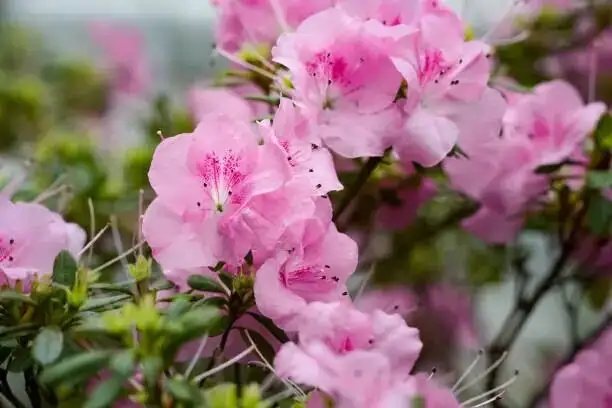
- Selecting a plant: Choose one loaded with firm buds and about 20% open flowers. Skip plants with browning blooms or dropping buds.
- Placement while in flower: Bright, cool, and breezy; away from heaters/vents. Morning sun is perfect, but avoid midday scorch.
- Watering while in bloom: Keep moisture steady—many growers find smaller, more frequent sips work best.
- After flowering: Pinch or lightly prune to keep the bush mounded and dense. Resume your light feeding plan during active growth and repot if due.
—
Indoors vs. outdoors (and hardiness reality)
Florist azaleas are container stars and generally frost‑tender.
- Treat most Belgian azaleas as indoor/outdoor pot plants depending on season and climate.
- In mild areas, some may cope outdoors roughly in USDA Zone 8–11 (often cited 8–10), but freezing can damage or kill them. Protect from frost; bring in when cold snaps threaten.
- Summer outside? Use bright shade or gentle morning sun, shelter from harsh afternoon rays and heavy rain, and keep the root zone cool.
—
A quick care calendar
- Spring: Even moisture, bright light; prune/pinch after bloom; repot if needed.
- Summer: Protect from heat; water deeply as the surface dries; raise humidity; watch for mites and scale.
- Autumn: Move to a bright, cooler, well‑ventilated spot; ease watering a touch.
- Winter: Bright and cool (above 10°C/50°F); steady moisture; good humidity to prolong bloom.
—
Troubleshooting at a glance
- Sudden leaf drop? Hot, dry air plus spider mites is common. Move to a cooler, brighter, ventilated spot, raise humidity, inspect undersides for webbing, and treat early.
- Buds falling before opening? Usually stress—low light, warm rooms, dry air, or watering swings. Stabilize light, temperature, and moisture.
- Sooty mold or leaf spot? Improve airflow, avoid wet leaves overnight in cool rooms, remove affected leaves, and use a labeled fungicide if needed.
—
Safety, symbolism, and a bit of history
- Toxicity: All parts are toxic if eaten (grayanotoxins). Keep away from pets and children.
- Symbolism (flower language): Florist azaleas are often gifted as tokens of tender affection, elegance, and the “joy of love,” with a gentle subtext of “take care of yourself.” These meanings grew from Victorian floriography and later gift‑culture—romantic, yes, but more cultural poetry than botany.
- Heritage: Belgian and wider European breeders refined these compact, heavy‑blooming greenhouse hybrids for winter and early‑spring splendor—just when our homes need color most.
—
The glossy‑leaf checklist (pin this!)
- Acidic, airy ericaceous mix that drains superbly.
- Soft, low‑alkalinity water (rain/RO) and never waterlogged roots.
- Light, regular feeding every 2 weeks at low strength; monthly flushes.
- Chelated iron at the first hint of chlorosis—plus fix the cause.
- Bright light with gentle sun; cool temperatures; 50%+ humidity.
- Mite vigilance in warm, dry spells; treat early.
- Annual, gentle repot into fresh mix; prune after flowering.
Get these few rhythms right, and your Rhododendron Simsii Group will repay you with long, luxurious blooms and those enviable, glossy deep‑green leaves that announce, even from across the room: this azalea is living its best life.