

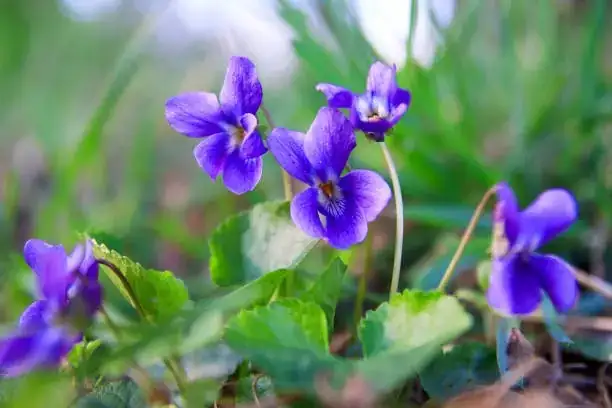
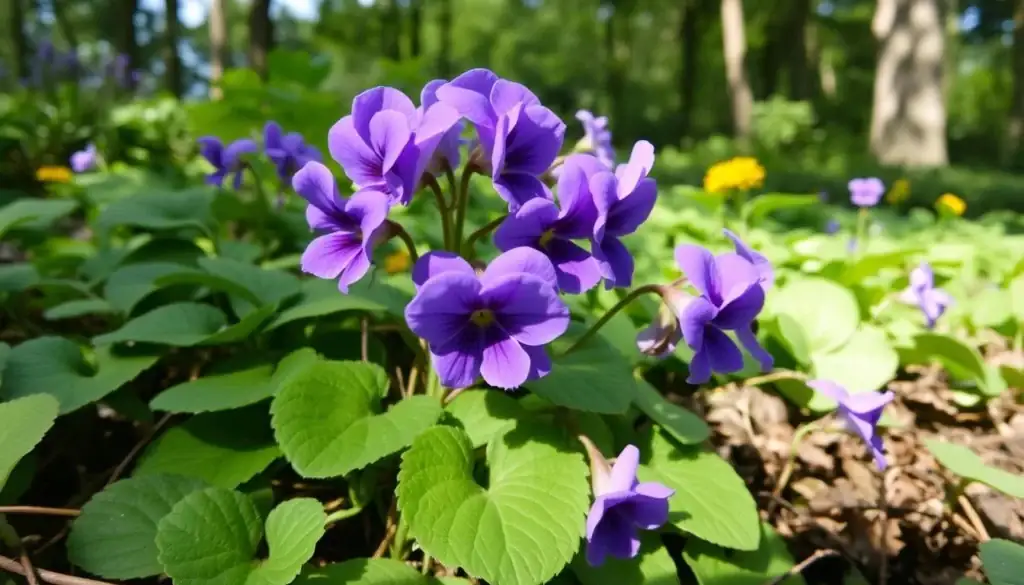
Breathe in: that whisper of perfume is Sweet Violet, Viola odorata—an old-soul ground cover that carpets cool shade with heart-shaped leaves and early-spring blooms. Tough yet tender-looking, it thrives where many flowers fade, weaving fragrance, folklore, and edible charm into woodland corners, under shrubs, and even containers. Here’s your concise, do-it-now calendar to keep it lush from spring sparkle to winter rest.
Quick profile
- Botanical name: Viola odorata (Sweet Violet; also called English, Common, Florist’s, Garden, or Wood Violet)
- Family/Genus: Violaceae, Viola
- Origin: Native to Europe, North Africa, and West Asia; widely naturalized in temperate regions
- Habit: Low, mat-forming perennial (5–15 cm/2–6 in tall) spreading by short rhizomes and stolons
- Light: Partial to full shade; happiest in dappled woodland light and protected from hot, harsh sun
- Soil: Fertile, humus-rich, well-drained; pH ~6.0–7.0
- Hardiness: USDA Zones 3–9; very cold-hardy (to about -15°C/5°F)
The year-round care calendar
Spring (Mar–May): Feed for bloom, deadhead for encore
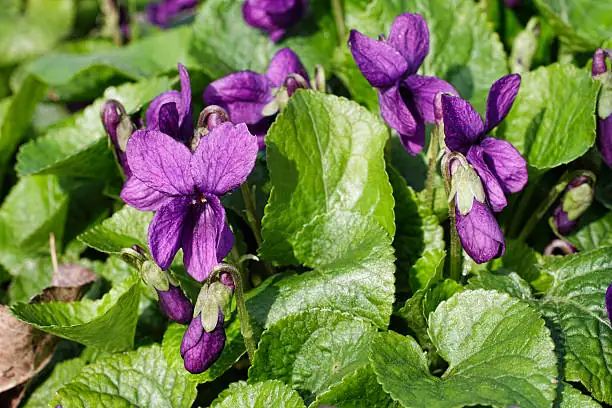
- Watering rhythm
- Keep soil evenly moist (never sodden). Let the surface dry slightly between waterings.
- Water at soil level to keep leaves and blooms dry and reduce mildew.
- Feeding made simple
- Top-dress with compost or use a balanced, slow-release fertilizer as growth starts.
- During active growth/flowering, optional diluted liquid feed every 10–15 days; a slight bump in phosphorus/potassium helps flower power.
- Deadhead and tidy
- Pinch off spent flowers promptly to prolong bloom and keep mats tidy.
- After the first flush, a light shear can refresh foliage and encourage a modest repeat.
- Divide if crowded (optional spring window)
- If mats are tight, lift and divide just as new growth surges. Replant at the same depth; water in well and keep shaded.
- Watchlist
- Aphids on fresh stems? Use insecticidal soap or neem. Scout for slugs/snails on damp mornings.
Summer (Jun–Aug): Shade and moisture management
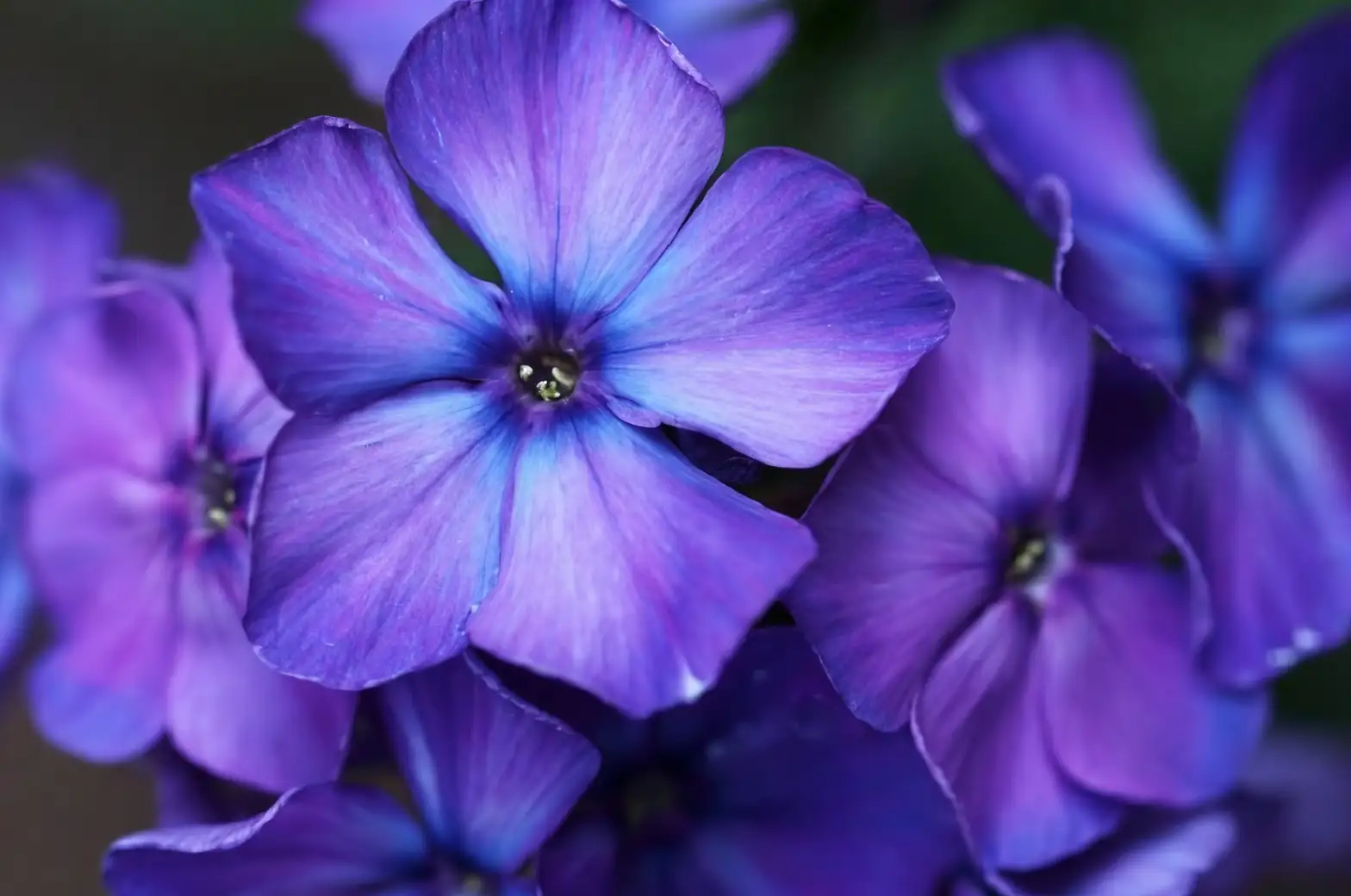
- Shade strategy
- Give dappled to full shade, especially through hot afternoons. Containers love a cool, east- or north-facing aspect.
- Smart watering
- Plants may go semi-dormant in high heat; growth slows, but roots must not bone-dry. Maintain gentle, consistent moisture.
- Water early morning; never leave roots waterlogged.
- Keep roots cool
- Mulch 3–5 cm (1–2 in) with leaf mold or composted bark to buffer heat and retain moisture.
- Airflow matters
- Thin congested leaves lightly if conditions are still and humid to discourage powdery mildew.
Autumn (Sep–Nov): Prime time to divide and refresh
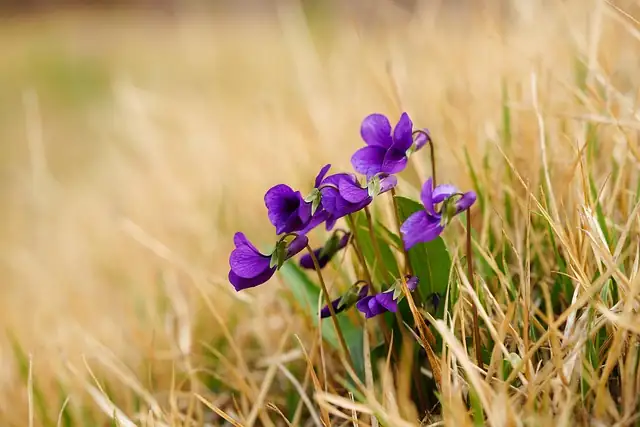
- Division sweet spot
- This is the easiest season to divide and replant runners with roots attached. Space small divisions 15–20 cm (6–8 in) apart for quick, even cover.
- Work in compost to revive tired soil before replanting.
- Clean and encourage
- Deadhead any autumn rebloom; trim back tatty or diseased foliage to boost airflow.
- Pest reset
- Remove dense leaf litter where slugs/snails overwinter. Set traps or barriers before winter wet sets in.
Winter (Dec–Feb): Mulch only where winters are severe or exposed
- Mulch for extreme sites
- In wind-scoured spots or where freeze–thaw is frequent (Zones 3–5 or exposed gardens), mulch after the ground first freezes.
- Use a 5–8 cm (2–3 in) layer of shredded leaves, leaf mold, straw, or evergreen boughs. Keep crowns just at/above the mulch to prevent rot.
- Container care
- Move pots to a sheltered, unheated but protected location (cold frame, against a building, or unheated garage with light).
- Water sparingly to keep the mix barely moist—never bone-dry, never soggy.
- Spring reveal
- Pull mulch back gradually as buds swell to avoid smothering new growth.
Planting and placement tips
- Where it shines
- Woodland gardens, beneath roses, shrubs, or small trees; shady borders; rock gardens with afternoon shade; containers where fragrance can be savored.
- Soil prep
- Mix in leaf mold or compost to create a loose, moisture-retentive yet well-draining bed. Aim for neutral to slightly acidic pH (6.0–7.0).
- Spacing
- 15–20 cm (6–8 in) apart. Runners will knit a soft, fragrant carpet in a season or two.
Propagation made easy
- Divide clumps
- Best in early autumn or early spring; replant divisions with roots attached and keep evenly moist until established.
- Root the runners
- Peg a runner where it touches soil; once rooted, sever and transplant.
- Seed, if you like surprises
- Sow at 15–20°C (60–70°F) with a light cover and steady moisture. Sweet Violet also produces cleistogamous (non-opening) flowers that self-pollinate, so expect gentle self-seeding.
Troubleshooting at a glance
- Wilting or ragged in heat?
- Normal semi-dormancy. Keep shaded and the root zone slightly moist; vigor returns with cooler weather.
- Powdery mildew or leaf spots
- Improve airflow; avoid overhead watering; remove affected leaves. Use appropriate fungicides or a gentle baking-soda spray where suitable.
- Aphids, spider mites, slugs, snails
- Wash off or treat aphids/mites with insecticidal soap or neem; hand-pick slugs/snails, use traps, or apply barriers during damp spells.
Edible, fragrant, and safe
- Edibility
- Flowers and young leaves are edible—toss into salads, candy for confections, or float in teas and ice cubes.
- Safety
- Generally non-toxic to people and pets. Avoid consuming roots, which can cause nausea.
Fragrance, folklore, and meaning
Sweet Violet’s legendary perfume comes with a trick: beta-ionone briefly “turns off” your scent receptors, so the fragrance can seem to vanish after the first inhale, only to return minutes later. In European lore and the Victorian language of flowers, violets speak of modesty, faithfulness, remembrance, and pure love—virtues tied to their low-growing habit and early-spring bravery. Treat flower language as cultural poetry rather than botany: it won’t change how your plant grows, but it deepens the pleasure of tending a patch that has charmed gardeners since antiquity.
Quick recap: the essentials
- Shade, never scorch; cool roots and even moisture
- Light spring feed and frequent deadheading
- Summer: keep shaded, mulched, and just-moist
- Autumn: divide and refresh plantings
- Winter: mulch only in severe/exposed sites; protect containers
Follow this rhythm, and Viola odorata will return each year like a soft, scented chorus—modest in height, lavish in grace.


