Imagine a garden where colors cascade like a painter’s palette, each hue a note in a visual symphony. At the heart of this vibrant tableau stands the iris, a flower as rich in history as it is in color. Named after Iris, the Greek goddess of the rainbow, this enchanting bloom has been a muse for artists, a symbol of royalty, and a gardener’s delight for centuries.
A Journey Through Time
Ancient Roots
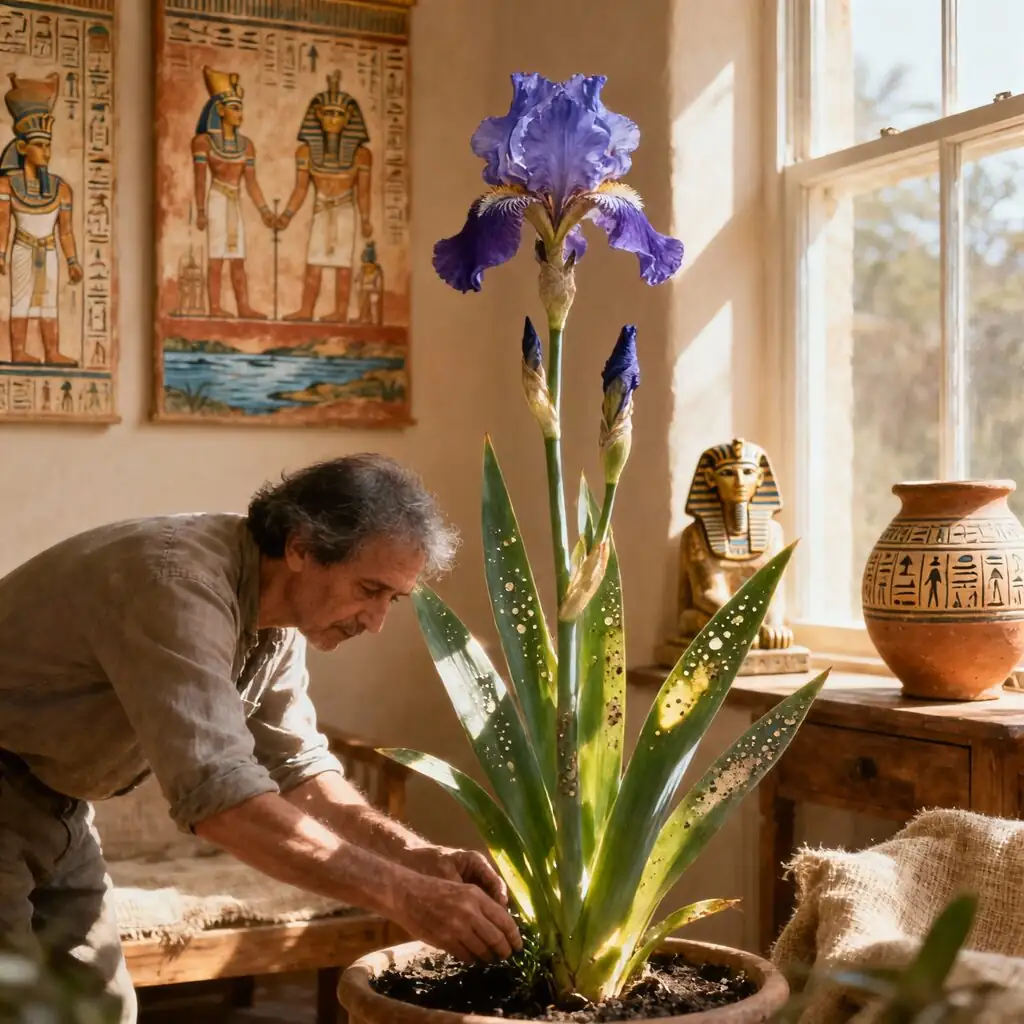
The story of the iris begins in ancient times, a testament to its enduring allure. As early as 1469 B.C., King Thutmose III of Egypt, who cherished plants as treasures equal to gold, introduced the iris to his kingdom after discovering it in Syria. The Egyptians revered the iris as a symbol of life and renewal, its three petals representing faith, wisdom, and valor. The rhizomes were even used in medicine and religious ceremonies, highlighting the plant’s multifaceted significance.
Greek Mythology and Symbolism
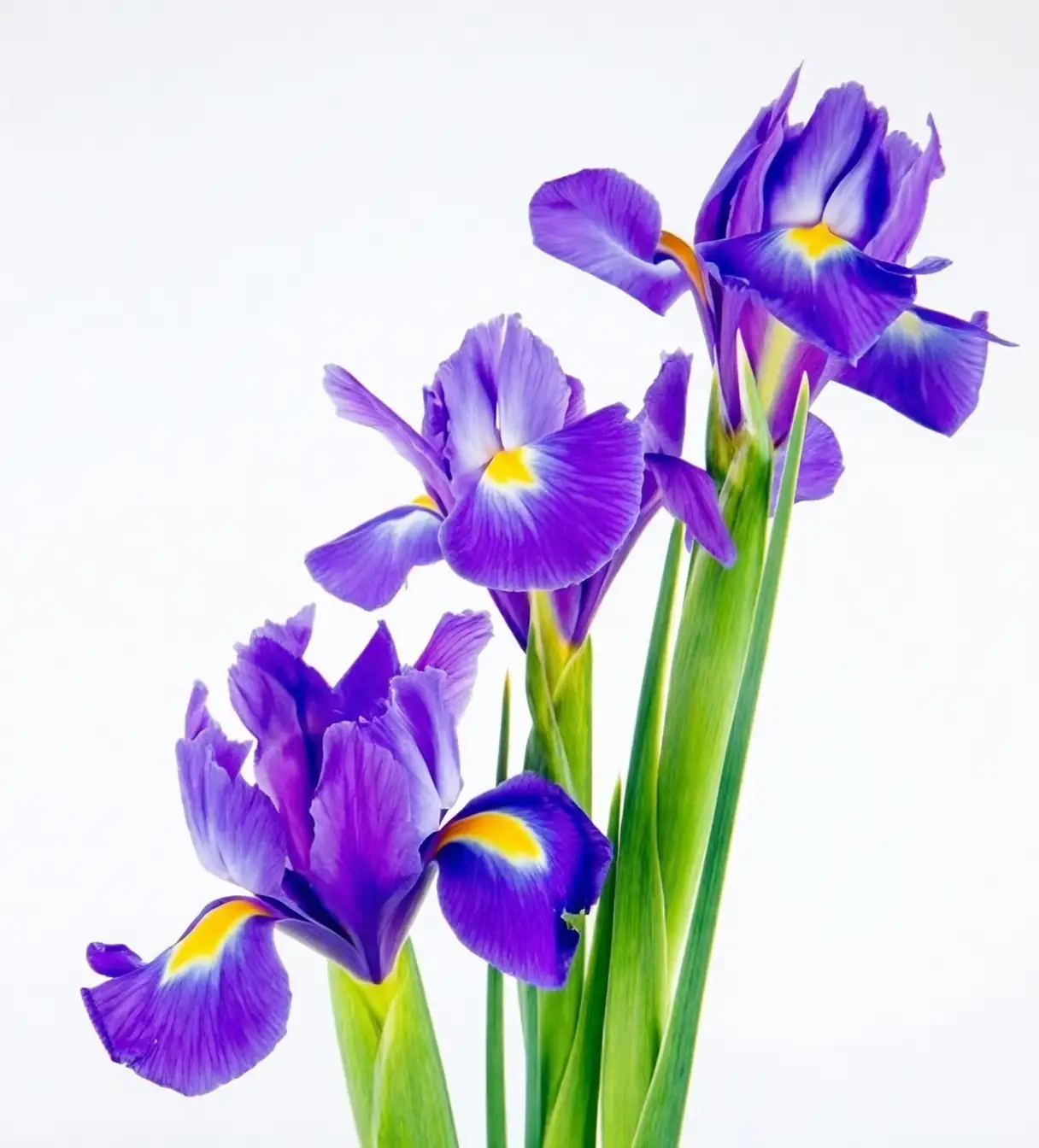
In Greek mythology, Iris was not just a goddess but a messenger who traversed between the realms on rainbows, each step leaving behind a trail of flowers. This mythological connection underscores the flower’s link to communication and its diverse color palette, echoing Iris’s role as a divine bridge. The term “iris” itself means “rainbow” in Greek, perfectly capturing the flower’s wide spectrum of colors.
The Fleur-De-Lis and Beyond

The iris has also left its mark on heraldry and art, most notably as the inspiration for the fleur-de-lis. This emblem, long associated with French royalty, symbolizes purity and has been woven into the fabric of European history. The iris’s influence is not confined to Europe; it graces the civic emblems of cities like Florence and New Orleans, cementing its global cultural footprint.
The Iris Today
A Gardener’s Gem
Fast forward to modern times, and the iris continues to captivate with over 300 species found in temperate regions across the Northern Hemisphere. From the Mediterranean-origin bearded irises to the Siberian varieties of Central Europe and Russia, these perennials are beloved for their hardy nature and adaptability. They thrive in well-drained soils and are remarkably low-maintenance once established, making them a favorite among gardeners.
Varieties and Cultivation
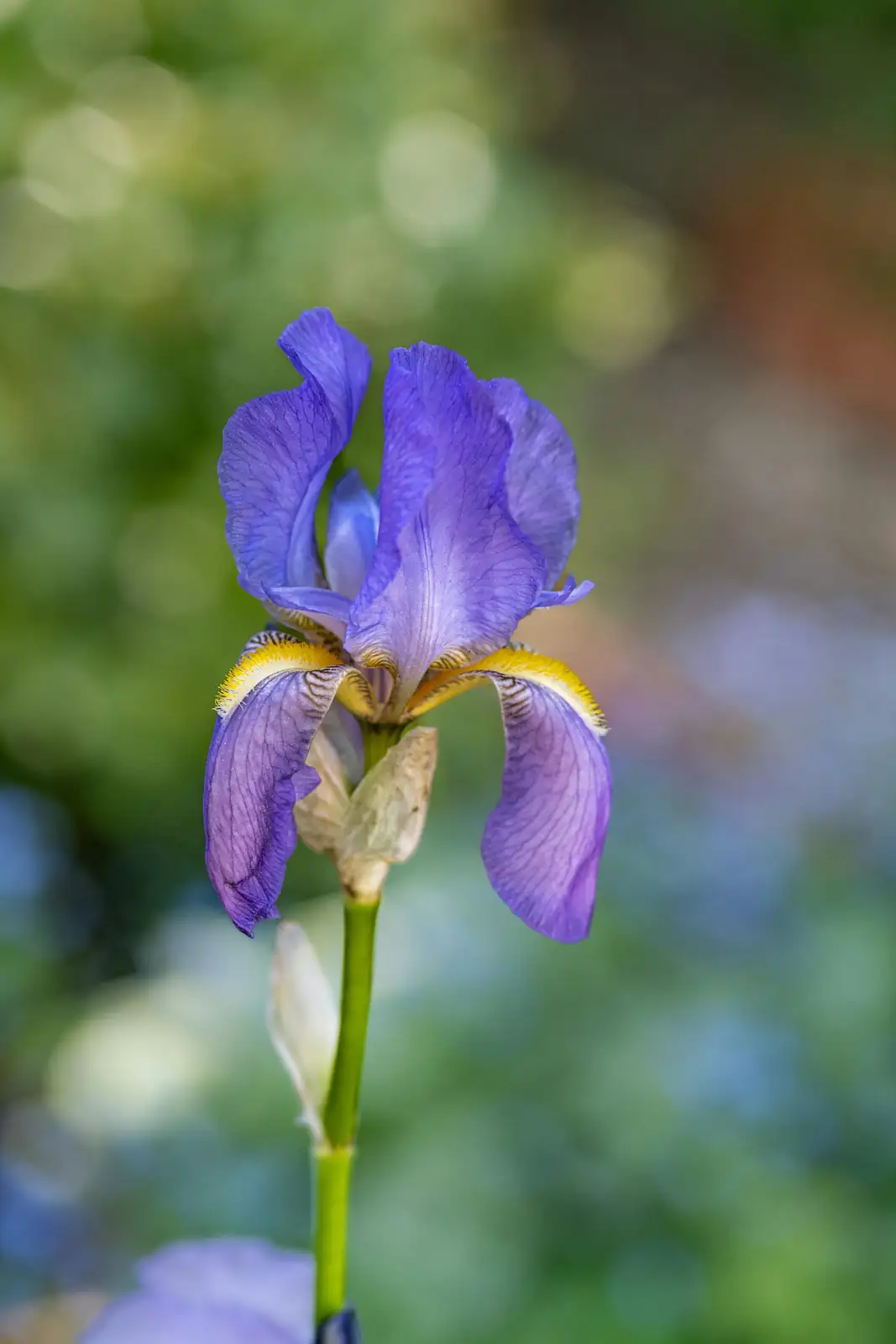
Irises are as diverse as they are beautiful. Bearded irises, with their signature fuzzy “beards,” are a popular choice, offering an extraordinary range of colors and patterns. Siberian irises, on the other hand, are cherished for their graceful form and ability to thrive in moist conditions. Whether planted in borders, cutting gardens, or near water features, irises add a touch of elegance and color to any setting.
The Art of Cultivation
To cultivate irises successfully, gardeners should provide full sun and ensure good air circulation to prevent diseases. Rhizomatous types benefit from division every few years, which not only rejuvenates the plants but also encourages more prolific blooming. Irises are also container-friendly, especially the dwarf and intermediate types, making them versatile for various garden designs.
The Language of Irises
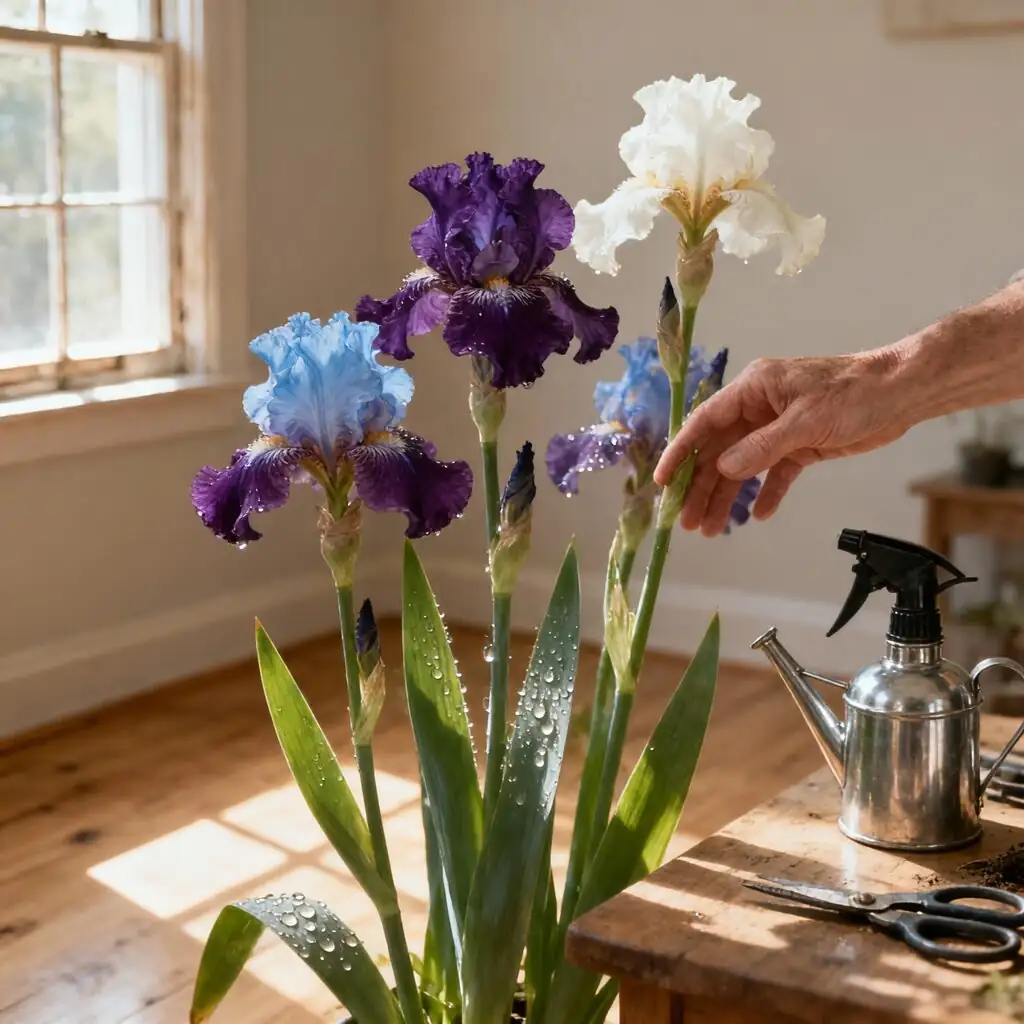
In the language of flowers, irises convey a range of sentiments. Purple irises symbolize royalty and wisdom, while blue hues represent hope and faith. Yellow irises are a beacon of joy and passion, and white ones stand for purity. This floral language adds a layer of meaning to gifting and gardening, allowing the iris to communicate emotions as vividly as its colors.
A Timeless Beauty
The iris’s journey from ancient civilizations to modern gardens is a testament to its timeless beauty and cultural significance. Whether admired for its mythological roots, its role in art and heraldry, or its vibrant presence in gardens, the iris remains a symbol of the natural world’s ability to inspire and connect us across time and space. So, the next time you spot this regal flower, remember the rich tapestry of history it carries with each bloom.