

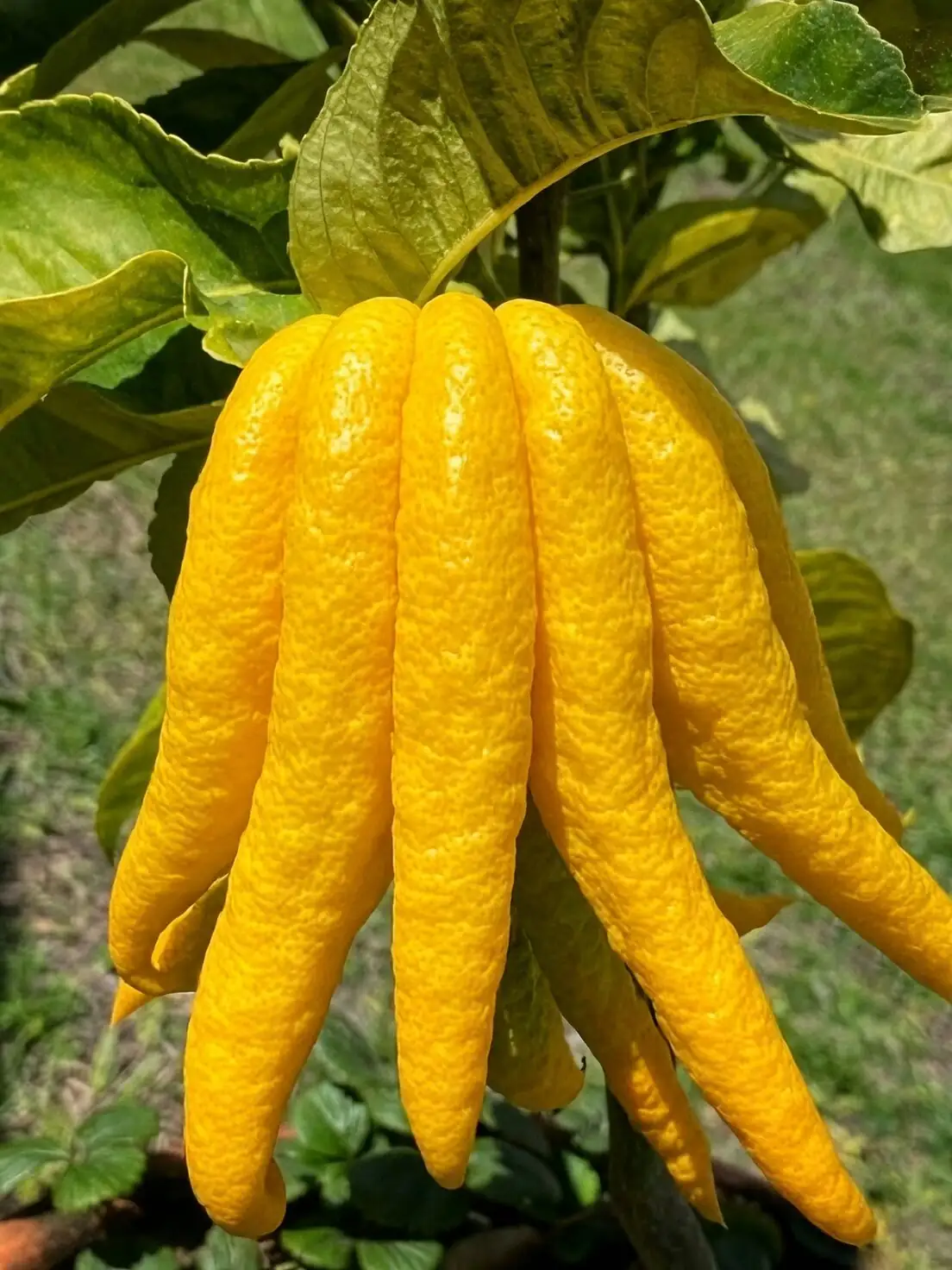
Imagine a citrus that looks like a golden octopus, smells like a lemon grove at sunrise, and has almost no juice at all. Meet Citrus medica var. sarcodactylis—better known as Buddha’s Hand Citron—the sculptural, wildly fragrant citrus that turns winter rooms into mini perfumeries and holiday tables into instant showpieces.
Meet Buddha’s Hand: The citrus that waves hello
- Botanical name: Citrus medica var. sarcodactylis (Rutaceae)
- Alias roll call: Buddha’s Hand, Fingered Citron
- Origins: Tropical regions of China and India
- Habit: Evergreen, woody shrub—perfectly happy as a potted plant around 60–150 cm (2–5 ft)
Buddha’s hand is prized for its bright yellow, fingered fruits that seem to gesture—sometimes in a “closed hand,” sometimes widely splayed. The glossy evergreen leaves and irregular branching make it a natural focal point, but it’s the perfume that steals the show.
Why is it nearly pulp-free?
Those dramatic “fingers” are actually separate carpels that, in this variety, never really fill with juicy vesicles. Instead, evolution (and centuries of selection) favored a thick, aromatic rind and soft white pith over juice. The result:
- Almost no pulp or juice
- A rind bursting with fragrant oils
- Thick, mellow pith that candies beautifully
Translation: you won’t squeeze it for lemonade—but you will zest, candy, infuse, and inhale.
One fruit, one room: the scent superpower
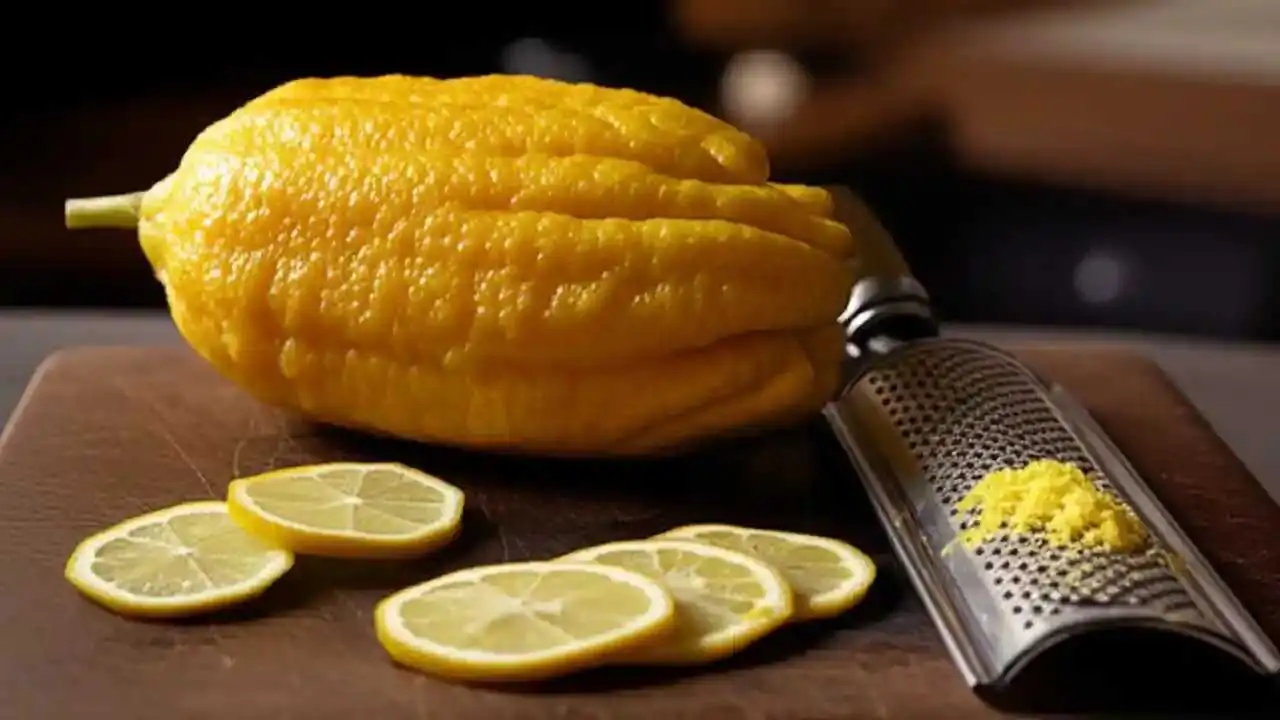
Pick up a ripe, evenly yellow Buddha’s hand and you’ll see tiny oil glands stippling the rind. Those glands mist the air with bright, floral-citrus aromatics—one fruit can perfume a room for days.
How to make the most of a single fruit’s aroma:
- Set it on a shallow dish as a natural diffuser.
- Lightly score the rind to release more oils before guests arrive.
- Zest or shave ribbons directly into sugar, honey, or spirits to “capture” the fragrance.
Culinary quick hits:
- Candy the peel for jewel-like winter treats.
- Steep peels in simple syrup, tea, or vodka.
- Microplane zest over roasted vegetables, seafood, or shortbread.
A plant that blooms in waves (yes, multiple times a year)
Given warmth and light, Buddha’s hand produces sweetly fragrant blossoms in multiple flushes—often peaking in spring and summer. More flowers sound great, but here’s the pro move for better fruit:
- Thin spring flowers; keep more of the summer bloom.
- Aim for about one fruit per branch for show-stopping size and shape.
- In early spring, prune out weak or crowded growth and overly vigorous shoots, but preserve short fruiting spurs.
- In summer, prune lightly to refine shape and improve airflow.
- In autumn, keep strong autumn shoots—they’re often next year’s fruiting wood.
Winter centerpiece fame
This citrus is a classic winter display plant across East Asia and beyond—those golden “hands” glow against deep-green leaves when most gardens are asleep.
To keep fruit pristine through winter:
- Place indoors in bright light at a cool 5–12°C (41–54°F). Aim for a steady 8–12°C if possible; brief dips toward 5°C are tolerated.
- Avoid hot, stuffy rooms—dry heat encourages leaf drop.
- Typical household humidity is fine; occasional misting helps in very dry air.
- Good airflow and bright light preserve color, fragrance, and foliage density.
Soggy pots are its sworn enemy
If Buddha’s hand had a nemesis, it would be waterlogged soil. Roots need air. Standing water leads to leaf yellowing, sudden fruit drop, and root decline.
Watering, the winning way:
- Mantra: “Water when nearly dry, then water deeply.”
- Growing season: keep the mix lightly and consistently moist—never soggy.
- Summer heat: don’t let the pot bone-dry.
- Winter and fruiting: water more sparingly; never leave water in the saucer.
- Choose a free-draining, slightly acidic mix (loam-based soil + leaf mold/compost + coarse sand). Avoid alkaline media.
Pro drainage tips:
- Use a pot with ample drainage holes.
- Elevate the pot on feet; empty saucers promptly.
- Consider an airy, citrus-friendly blend and avoid compacted mixes.
Light, temperature, and placement (the quick compass)
- Sunlight: Bright light with some direct sun. Offer light noon shade in harsh midsummer to prevent leaf scorch. East or south exposure with good airflow is ideal.
- Temperature: Warm and steady for growth—22–28°C (72–82°F). Protect from frost; cold damage can start below ~4°C (39°F). Avoid prolonged indoor temps below 8°C (46°F) or above 35°C (95°F).
- Seasonal shuffle: Outdoors in warm weather with bright sun (midday shade in extreme heat); indoors for winter at 5–12°C (41–54°F) in strong light.
The grower’s playbook
- Soil recipe: Loam-based potting soil + leaf mold/compost + coarse sand. Slightly acidic. Never let the pot sit in water.
- Watering rhythm: Keep evenly moist in active growth, slightly drier in winter; extra caution while fruiting.
- Fertilizer:
- Year 1 after potting: skip feeding.
- Year 2: feed about every 2 weeks during active growth.
- From Year 3: pause feeding at bud stage; once fruit sets, feed about weekly with a citrus fertilizer or a balanced formula including micronutrients.
- Repotting: Every ~2 years in early spring. Refresh the mix and lightly prune top growth to match any root reduction. Many plants thrive in a ~30 cm (12 in) pot.
- Pruning and thinning: See “blooms in waves” above—thinning is the secret to shapely show fruit.
- Propagation windows:
- Cuttings (June–July): 10–12 cm firm shoots from last year’s spring or autumn growth; roots in ~30–35 days.
- Grafting (March–April): Scions 6–8 cm from 1–2-year-old wood; new growth often in ~40–50 days.
- Air layering (May–July): Roots in ~30–40 days; detach after ~50–60.
- Pests and diseases: Watch for aphids and scale (and their sooty mold). Improve airflow, prune dense growth, and treat early with horticultural oil or soap; use copper-based products only where appropriate and always follow labels—especially if you’ll be using the rind.
- Safety: Generally non-toxic; rind is commonly used in food. Citrus oils may irritate sensitive skin; keep plant parts away from nibbling pets.
Cultural meaning: fortune at your fingertips
In East Asian tradition, Buddha’s hand symbolizes good fortune, longevity, and blessings. Its “hands” resemble a gesture of offering or prayer, making it a favored New Year display. As a kind of flower language in fruit form, it conveys auspicious wishes rather than romantic sentiment—perfuming homes during festivals when families gather, eat sweets, and welcome luck.
Buying guide (what a great plant looks like)
- A balanced, well-shaped framework
- Deep green, glossy foliage
- Intact fruits that are evenly yellow and strongly fragrant
Fun, shareable facts
- The fruit is naturally fingered—some “open-hand,” some “closed-hand,” and many in between.
- A single ripe fruit can perfume a room for days.
- It’s grown more for fragrance and show than for juice—there’s very little pulp inside.
- As a container plant, it’s a classic winter centerpiece in many Chinese households.
- For show-quality fruit, many growers limit to about one fruit per branch.
Seasonal cheat-sheet
- Spring: Repot (every ~2 years), prune before bud break, and provide strong light.
- Summer: Bright sun with light midday shade; keep evenly moist; prune lightly for shape and airflow.
- Autumn: Preserve healthy autumn shoots as next year’s fruiting wood.
- Winter: Peak display season indoors at 5–12°C (41–54°F); water sparingly and shun waterlogging.
Buddha’s hand is a plant you grow with your nose as much as your eyes. Keep its roots airy, its light abundant, and its winters cool and bright—and you’ll be rewarded with fragrant “fingers” that wave a little luck into your life.