

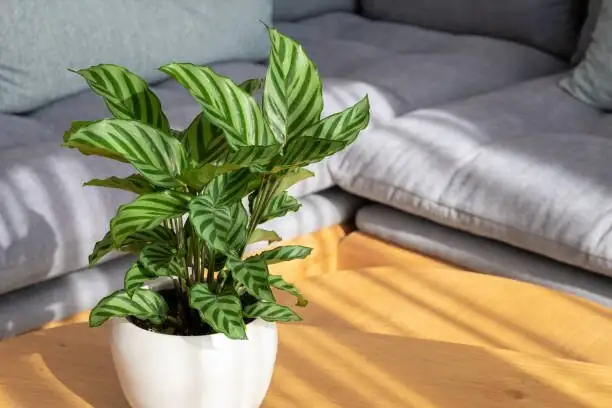
Imagine a plant that lights up your room with painted leaves, asks only for gentle light and steady humidity, and won’t worry your vet if your cat takes a curious nibble. That’s Goeppertia roseopicta—better known in shops as Rose-painted Calathea. It’s the pet parent’s foliage darling: dramatic, forgiving of the occasional chew, and easy to place so both pets and plants can thrive.
Meet Goeppertia roseopicta (Rose-painted Calathea)
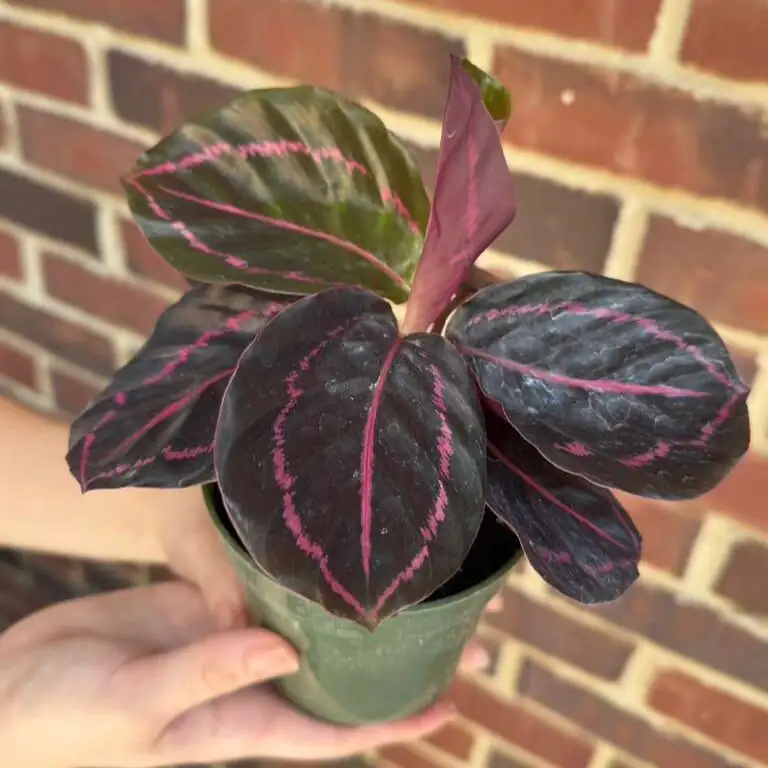
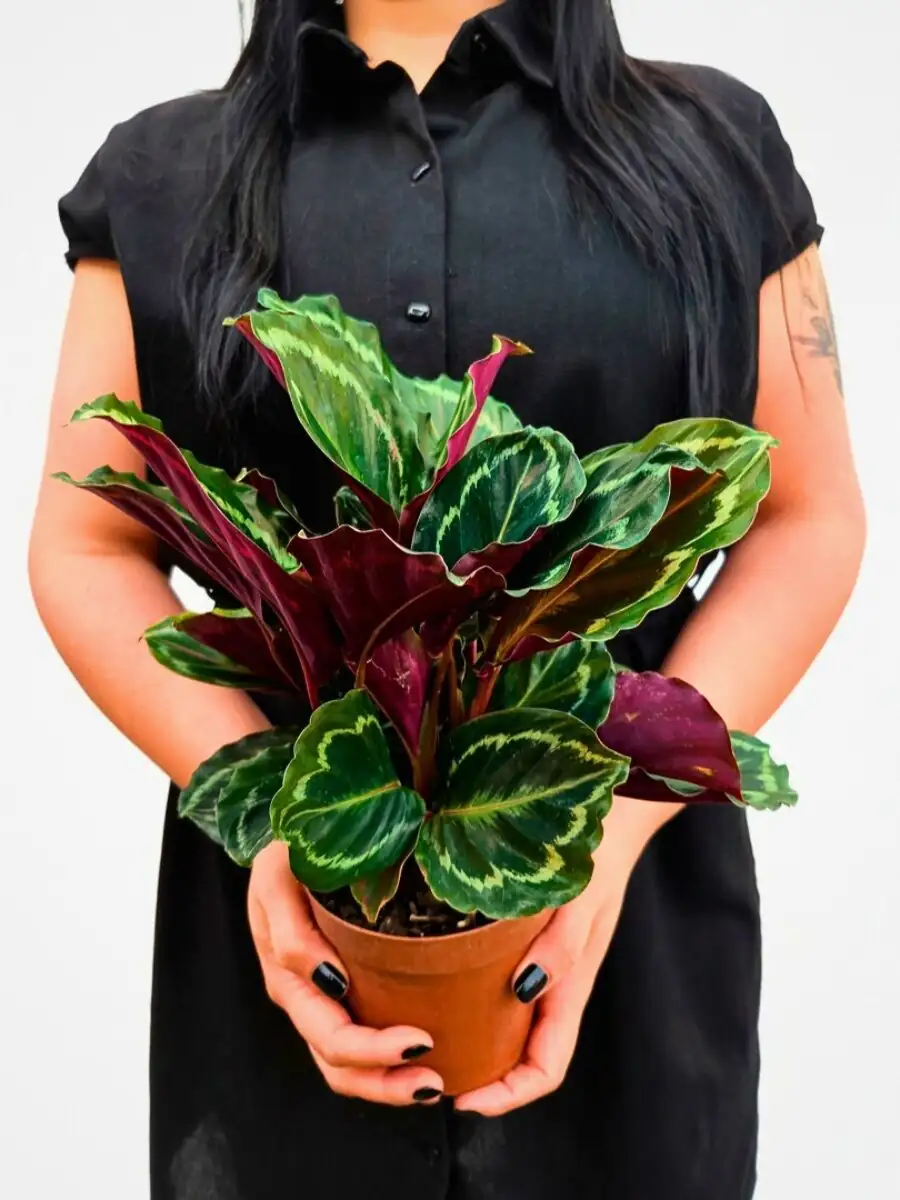
- What it looks like: Broad, oval leaves decorated with painterly stripes; the undersides flush a deep purplish-red that glows at eye level.
- Size indoors: Typically 12–24 in (30–60 cm) tall and wide, forming a neat, lush clump.
- Family ties: Marantaceae, the “prayer plant” family—its leaves can subtly shift position from day to night.
- Origins: Northwestern Brazil’s warm, humid forests.
- Name note: You’ll still see it sold as Calathea roseopicta; botanically it’s now placed in Goeppertia.
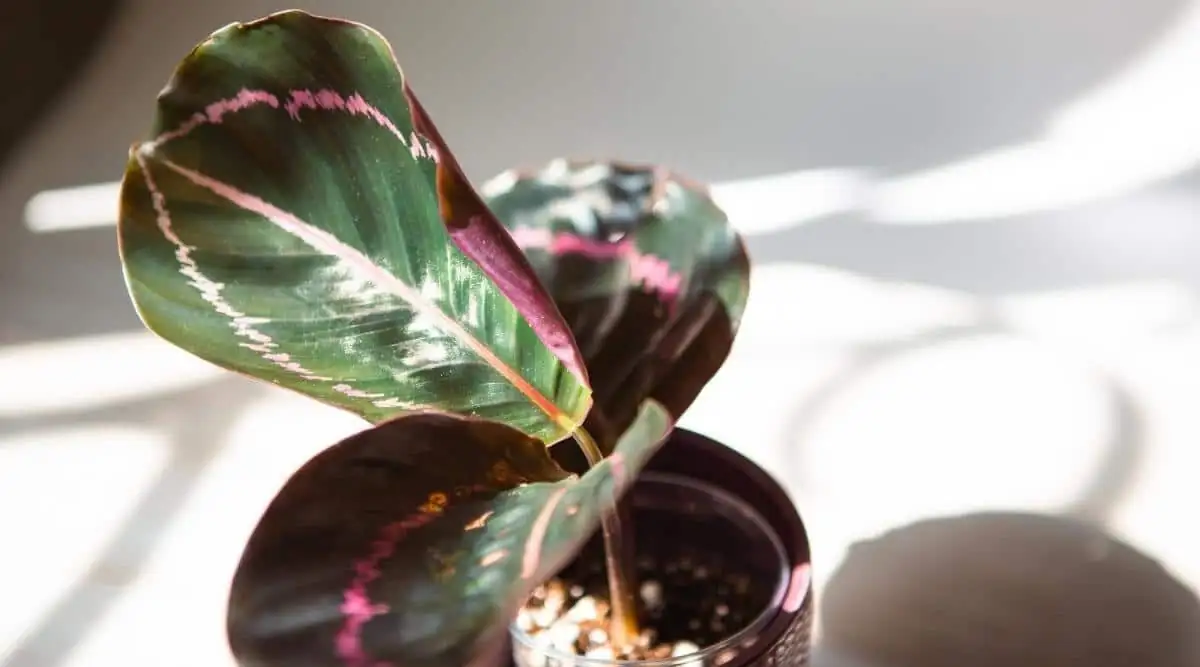
Safe for Cats and Dogs—With One Small Caveat
- Non-toxic status: Generally considered non-toxic to cats and dogs (often listed as pet-safe for Calathea/Goeppertia; see ASPCA plant lists).
- If a nibble happens: Most pets are fine; at worst, expect mild tummy upset or drooling that passes.
- When to call the vet: If your pet eats a large amount, or if vomiting/diarrhea persists. For urgent guidance, you can contact your veterinarian or a poison control resource such as the ASPCA Animal Poison Control Center.
Reassuring truth: you don’t have to choose between your plant and your pet. You just need a few smart house rules.
How to Deter Nibbling—Kind, Proven Tactics
- Offer a “green alternative”
- Cats: Provide cat grass or a catnip pot to satisfy the urge to chew.
- Dogs: Chew toys or food puzzles to redirect curiosity.
- Place it thoughtfully (details below) so it’s not the most tempting snack in the room.
- Use gentle deterrents on the pot or stand (not the leaves)
- Pet-safe bitter sprays on pot rims, double-sided tape on shelves, or a ring of smooth decorative stones on top of the soil to deter digging.
- Avoid spraying leaves with deterrents; this plant dislikes residue and prolonged wet foliage.
- Train positively
- Cats: Reward “four paws on the floor” near plant zones; a firm “ah-ah” or a gentle clap can interrupt curiosity.
- Dogs: Reinforce a solid “leave it” and “place” cue with treats and praise.
- Manage the environment
- Give cats vertical perches away from plant displays.
- Close doors during unsupervised time if a pet is particularly plant-obsessed.
Pro tip: Skip cocoa shell mulch—its chocolate scent attracts dogs and cocoa is toxic to them. Use inert gravel, pumice, or plain coconut coir instead.
Smart Placement So Everyone Coexists Happily
This plant’s happy place also happens to be very pet-manageable.
- Light it right:
- Best: Bright, indirect light or gentle medium light.
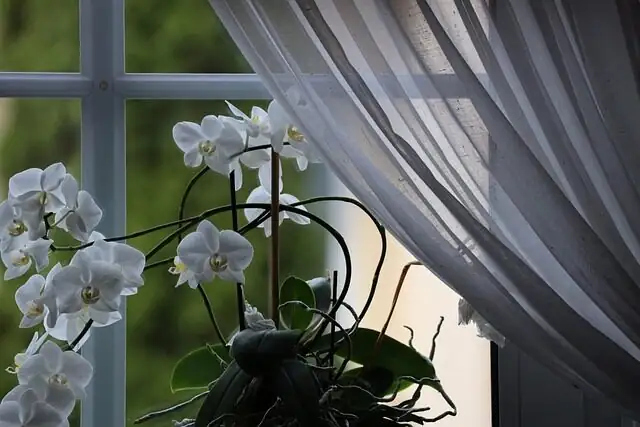
- Filter strong sun with a sheer curtain; aim for about 50–70% shade if near a sunny window.
- East-facing windows are excellent. South-facing works with filtered light.
- Keep it cozy:
- Temperature: Ideal 64–75°F (18–24°C). Protect from cold drafts; keep above 46°F (8°C), avoid below 41°F (5°C). In heat waves, keep under 90°F (32°C) with airflow.
- Elevate and protect:
- Use sturdy plant stands, wall shelves, or hanging planters. Weighted pots make topples less likely.
- Glass-fronted “greenhouse cabinets” or high shelves are great for households with persistent nibblers.
- Humidity sweet spot: 60–70%
- A small humidifier near your plant cluster is pet-friendly and effective.
- Pebble trays also help; keep them clean so they don’t become pet water bowls.
Rooms that work well: living rooms, bedrooms, and home offices with filtered light; a steamy bathroom with a window can be fabulous.
Care That Keeps Color Lush (and Reduces Leaf-Tasting)
Healthy leaves are less tempting to pets—and prettier for you.
- Watering
- Keep the mix evenly moist in active growth but never soggy. Water thoroughly when the top 0.8–1.2 in (2–3 cm) feels dry, then let excess drain.
- In winter, water less often as growth slows.
- Light misting is okay for a quick humidity boost, but don’t leave water sitting on leaves—especially overnight.
- Soil
- Use a loose, moisture-retentive yet free-draining mix: peat/coco base plus perlite/coarse sand. The goal: steady moisture without waterlogging.
- Feeding
- During the growing season (roughly May–September), feed every 2 weeks with a gently diluted, balanced houseplant fertilizer. Avoid splashing fertilizer on leaves. Pause or reduce feeding in winter.
- Pruning and grooming
- Remove yellowing or damaged leaves by cutting at the base. Light thinning improves airflow and keeps the clump tidy.
- Repotting and division
- Repot in spring when rootbound or the mix breaks down—typically annually for fast growers. Size up gradually.
- Divide in late spring to early summer: each division should have roots and several leaves. Pot divisions right away.
- Seasonal rhythm
- Spring: Repot/divide, resume feeding, keep evenly moist.
- Summer: Peak growth; maintain high humidity and filtered sun (50–70% shade).
- Autumn: Dry indoor air arrives—boost humidity and watch for crisping edges.
- Winter: Keep warm (above 46°F/8°C) and water more sparingly; pause fertilizer if growth slows.
Troubleshooting (Pet-Home Edition)
- Yellowing leaves or crisp edges?
- Common causes: too much direct sun, dry air, or chill. Move to bright, indirect light, raise humidity to 60–70%, and keep temperatures steady.
- Scorched patches?
- Sun is too strong; diffuse with a sheer curtain or move farther from the window.
- Pests (scale, mealybugs)—often hide under leaves
- Rinse and wipe leaves; use a mild soapy spray (spot-test first), repeating every 5–7 days until clear. Keep pets away until foliage is dry. Improve airflow and avoid leaving leaves wet overnight.
- Leaf spot/blight in overly wet, stale air
- Remove affected leaves, reduce leaf wetness, and increase airflow.
Quick Buying and Setup Checklist for Pet Households
- Choose a plant with firm, upright leaves and saturated color; avoid widespread yellowing or crispy edges.
- Check leaf undersides for mealybugs or scale before buying.
- Quarantine new plants for 1–2 weeks away from your main collection (and curious pets).
- Set it up near an east window or a filtered south window; elevate securely and add a humidity source.
- Top-dress the soil to discourage digging; train and reward good pet behavior from day one.
A Small Note on Symbolism and “Flower Language”
Rose-painted Calathea is often linked with quiet beauty and “living art”—its leaves look hand-painted, and as a prayer-plant relative, it follows gentle daily rhythms with subtle leaf movement. While classical “flower language” doesn’t strictly apply here (its blooms are small and seldom seen indoors), the modern meaning is clear: a calm, ornamental companion that brings softness and rhythm to a space. In pet homes, it also signals harmony—lush greenery without worry.
Fast Facts at a Glance
- Botanical name: Goeppertia roseopicta (aka Calathea roseopicta)
- Family: Marantaceae
- Origin: Northwestern Brazil
- Light: Low–medium to bright, indirect; avoid harsh direct sun
- Temperature: 64–75°F (18–24°C); don’t chill below 46°F (8°C)
- Humidity: 60–70% preferred
- Size: 12–24 in (30–60 cm), clumping habit
- Pet safety: Generally non-toxic to cats and dogs; nibbling may cause mild GI upset
Final Comfort for Pet Parents
With thoughtful placement, a little training, and humidity that keeps those purple-backed leaves plush, Goeppertia roseopicta is a model roommate—easy on pets, easy on the eyes, and deeply soothing to live with. Set it where the light is kind and the paws are few, and enjoy the daily show of painted foliage in peace.