

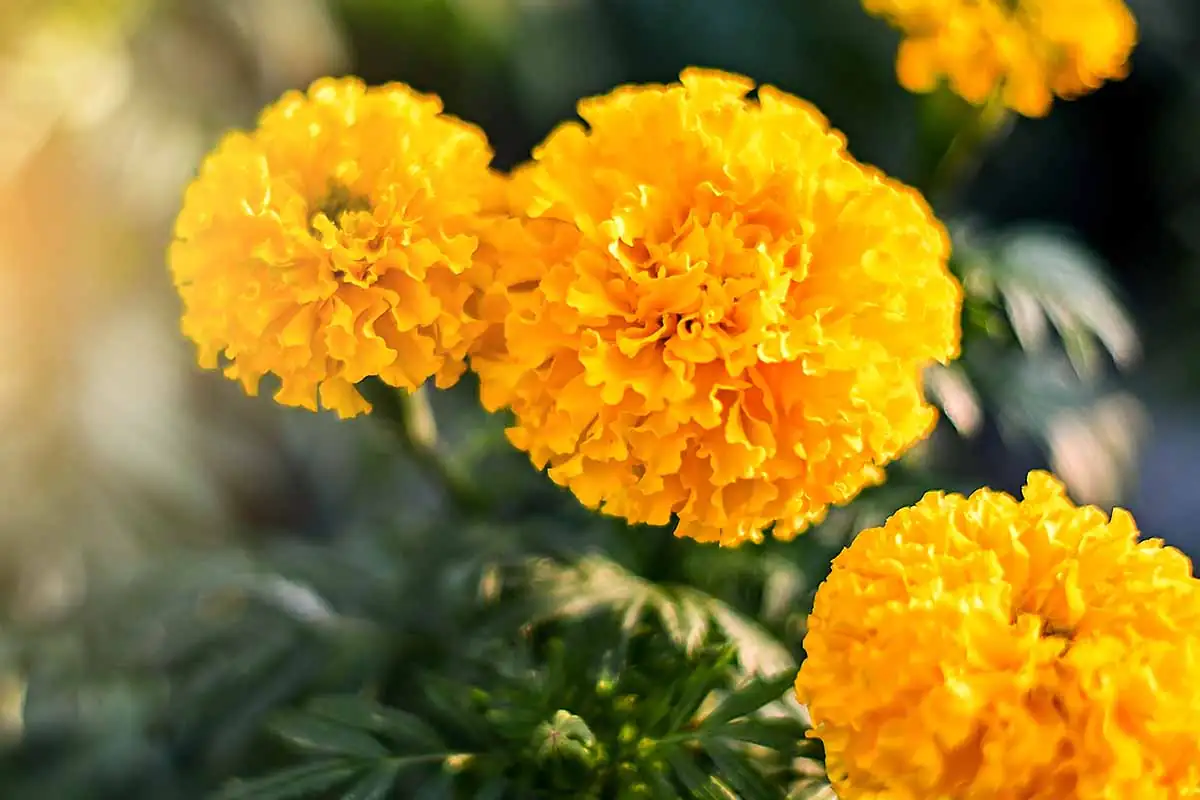
Few plants reward good propagation like African marigold (Tagetes erecta). Get the heat right, time your sowings smartly, pinch with purpose, and you can stage waves of supersized “pom‑pom” blooms exactly when you want them—whether for a July garden party or a late‑October glow-up.
Meet Tagetes erecta, the big marigold
- What it is: A sun-loving, upright, bushy annual (tender perennial in frost‑free zones) with large, ruffled blooms in yellows, golds, and oranges—sometimes with warm red or creamy tones.
- Size: Generally 12–35 in tall and 8–18 in wide; some tall cuts reach 4 ft.
- Why growers love it: Fast from seed, forgiving, great in beds and containers, and long-blooming from summer to frost with basic care: full sun, drainage, and light, regular deadheading.
Seed-to-bloom game plan at a glance
- Sun: Full sun (6–8+ hours) is non‑negotiable for tight growth and prolific flowers.
- Temperature sweet spot:
- Germination: 66–75°F (19–24°C).
- Growing on: roughly 65–80°F (18–27°C). Prolonged heat ≥90°F (32°C), especially with high humidity and still air, can slow or pause flowering.
- Soil: Well‑draining loam or potting mix, pH 6.0–7.5. Avoid waterlogging.
- Days from sowing to bloom:
- Earlier/standard types: about 60 days.
- Big, ball‑flowered types: about 80 days.
- Start when: Indoors 6–8 weeks before last frost; or direct sow after frost once soil is ~65°F (18°C).
Sowing for success: timing, temperature, technique
African marigold seeds are eager sprouters when they’re warm and evenly moist.
When to sow
- Indoors: 6–8 weeks before your last frost date. This gives you sturdy transplants ready for outdoor life as soon as nights settle and soils warm.
- Direct sow: After all frost and once soil is consistently ~65°F (18°C) or warmer.
How to sow
- Depth: Cover lightly—about 1/8–1/4 in (3–6 mm). A fine vermiculite layer helps prevent crusting.
- Medium: Sterile, fast‑draining seed mix; pre‑moisten to “wrung‑out sponge.”
- Heat & humidity: Maintain 66–75°F (19–24°C). Use a humidity dome early, but vent daily to prevent damping‑off. Remove the dome as soon as most seeds crack.
- Light: Not fussy for germination, but once cotyledons emerge, provide bright light immediately (14–16 hours under grow lights placed close to foliage) to prevent stretch.
- Bottom water: Keep medium evenly moist but never soggy. Watering from below reduces stem diseases.
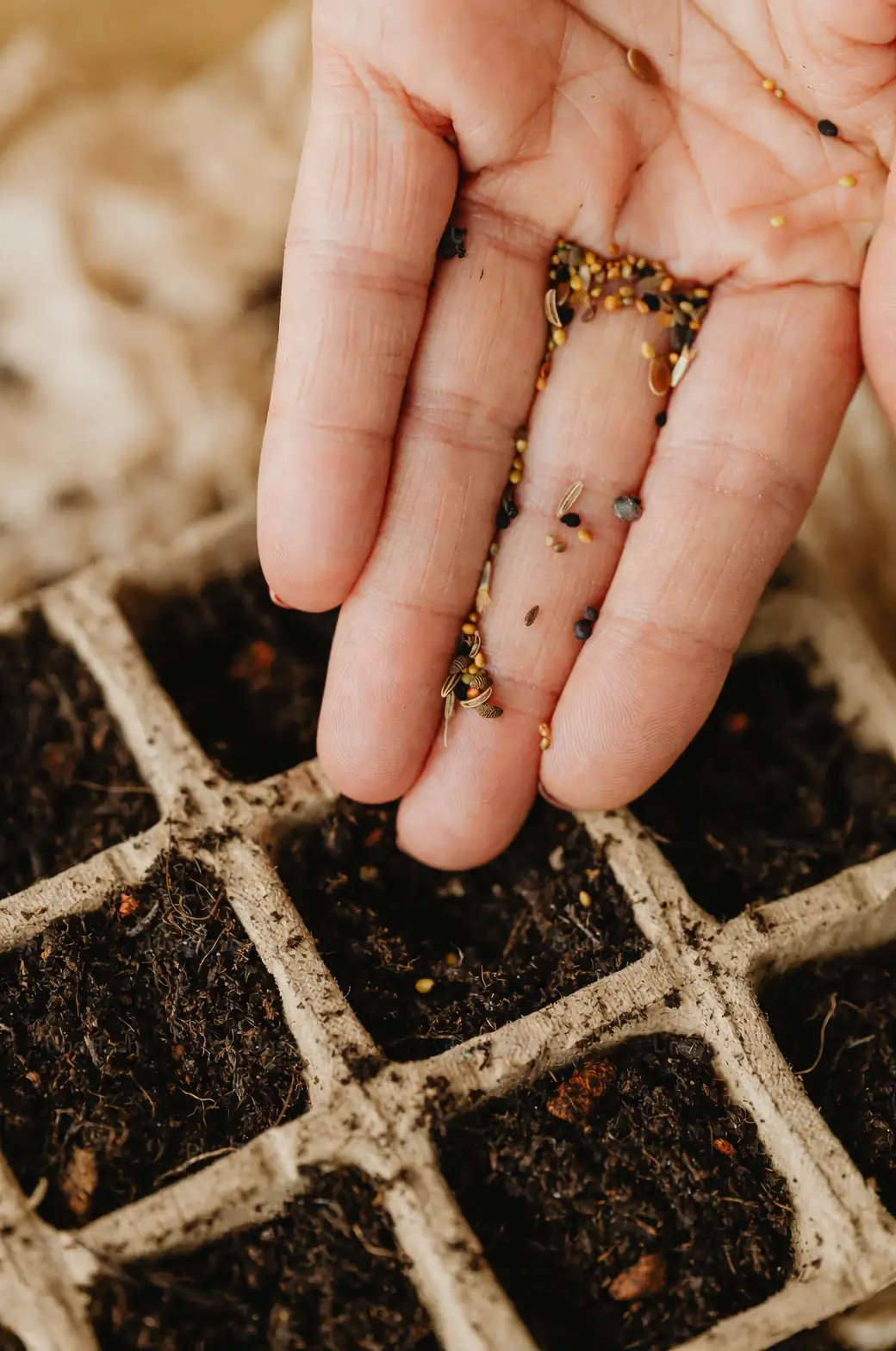
Germination timing: Typically 5–9 days in the target warmth.
Indoor timeline (week-by-week guide)
- Week 0: Sow warm and shallow; label by cultivar class (earlier vs. ball‑type).
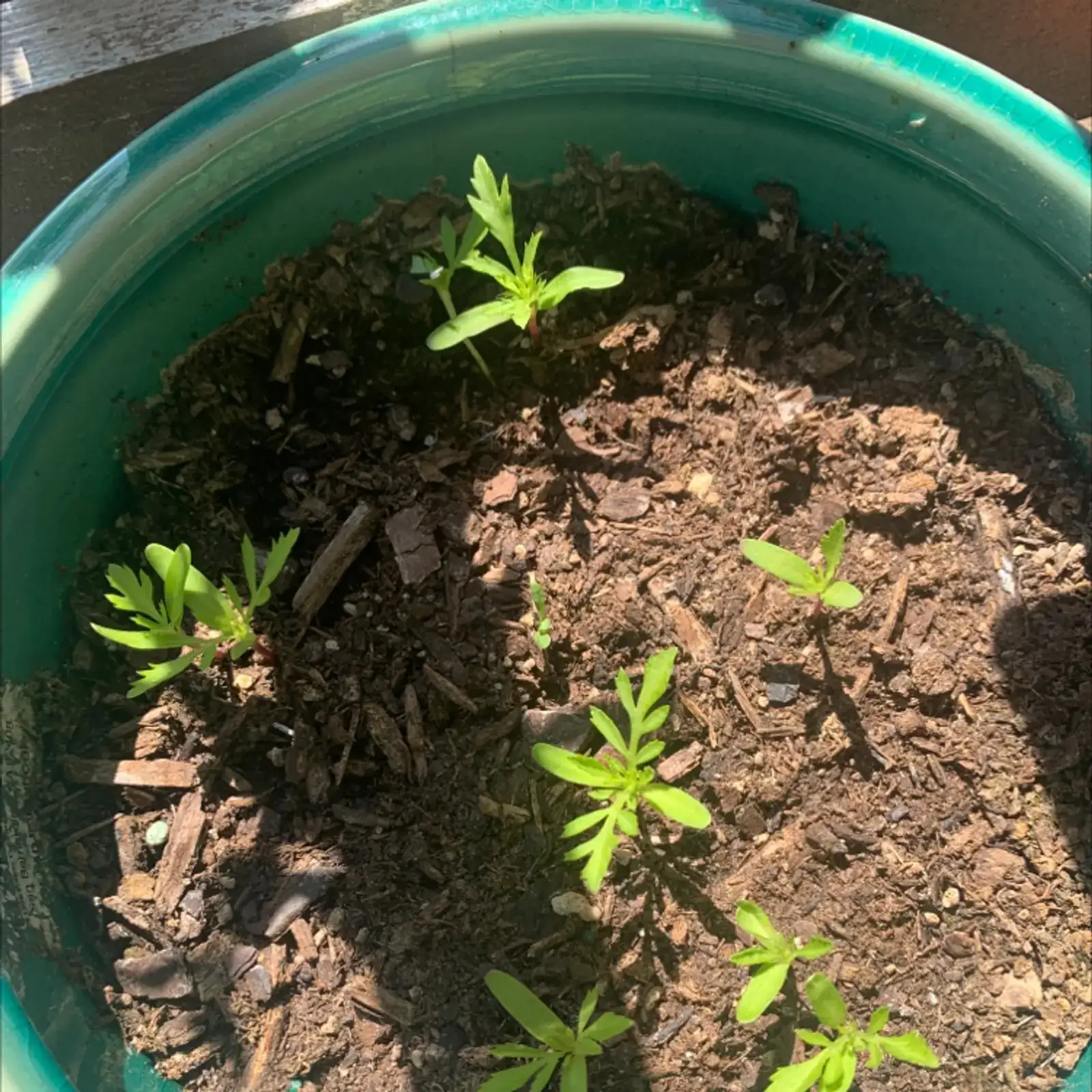
- Week 1–2: Most seeds up. Provide strong light and a gentle fan for airflow. Begin a very light feed once first true leaves appear (a balanced fertilizer at 1/4 strength is ample).
- Week 3–4: Pot up if roots knit the plug. For bigger plants, pot singles; for bedding, 3 per 4–5 in (10–12 cm) pot is common. Keep growth compact with bright light rather than heavy feeding.
- Week 4–5: When seedlings have 5–7 true leaves, they’re sturdy enough to pinch (more on this below).
- Week 5–6+: Start hardening off as weather settles.
Direct sow outdoors (after frost)
- Prep: Loosen soil and amend heavy ground with compost plus coarse sand/perlite for drainage.
- Sow: Scatter thinly, cover 1/8–1/4 in, and water gently. Thin to final spacing once 2–3 sets of true leaves form.
- Tip: Direct‑sown plants catch up quickly in warm weather but give yourself enough runway to hit your target bloom window (see scheduling section).
Pinching, spacing, and training by your goal
Pinching is your steering wheel: use it to shape, time, and multiply blooms. It can delay first bloom by about a week—often worth it for branching.
For bedding mounds and containers
- Pinch once above the 3rd–4th node when plants have 5–7 true leaves. Expect 3–5 strong lateral shoots and a fuller, floriferous habit.
- Spacing:
- Compact forms: 8–12 in apart.
- Standard African marigolds: 12–18 in apart.
- Push to the wider end in humid climates to boost airflow and curb mildew.
For cut flowers and tall standards
- To maximize earliness and longer stems: either skip the pinch or pinch very lightly and early. Skipping the pinch typically brings the first big blooms sooner on a central stem.
- Spacing: 18–24 in for tall cultivars to keep stems straight and reduce disease pressure.
Deadheading and shearing
- Regular deadheading keeps flowers coming. If plants get tall or loose in midsummer, shear back by a third; you’ll trigger fresh growth and a new flush in several weeks.
Hardening off and transplanting like a pro
A thoughtful transition makes the difference between “stall out” and “take off.”
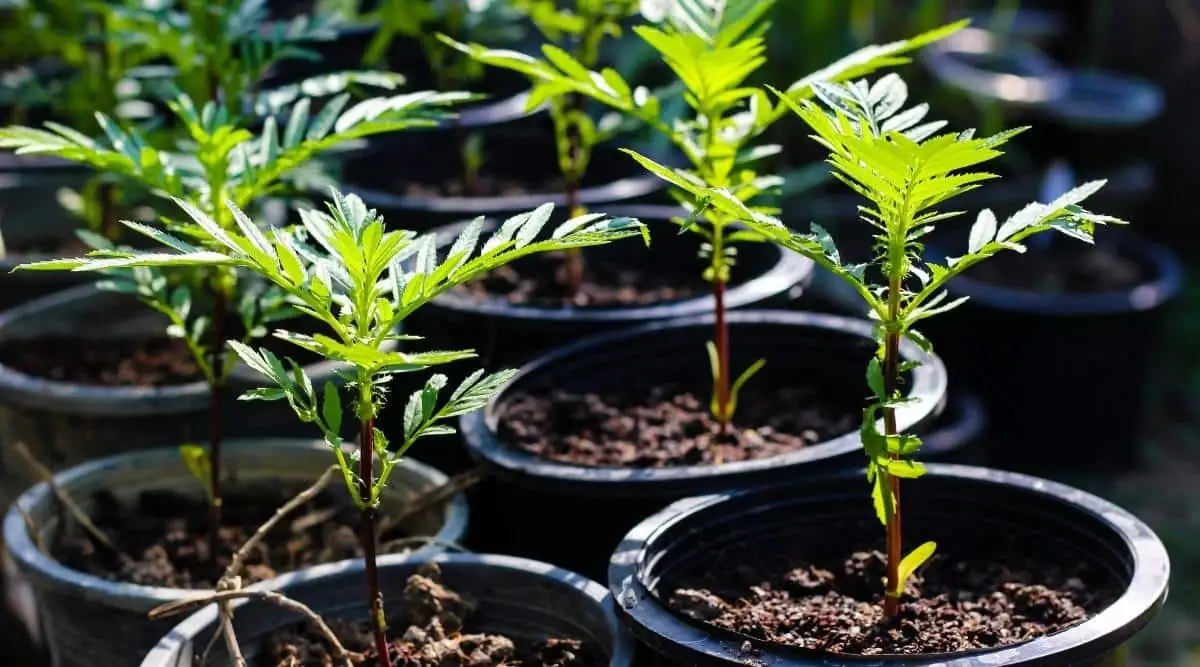
- Duration: 7–10 days of gradual exposure to sun and wind.
- Routine:
- Day 1–3: Bright shade outdoors for a few hours; bring in at night.
- Day 4–6: Increase direct sun time daily; watch for leaf scorch.
- Day 7–10: Full sun by day; leave out overnight if nights stay reliably above ~50°F (10°C). Avoid chills; this is a warm‑season plant.
- Transplant day:
- Plant at the same depth as the plug.
- Water in at the base; avoid wetting foliage.
- A light starter feed (balanced fertilizer) helps, but avoid heavy nitrogen—lush leaves can mean fewer flowers.
- Aftercare: Keep evenly moist but never waterlogged. Strong sun and good airflow are your best guards against disease.
Scheduling peak color: earlier vs. ball‑type cultivars
Different Tagetes erecta classes have different “clocks.” Use them.
- Earlier/standard types: about 60 days from sowing to first bloom in warm conditions.
- Big, ball‑flowered types: about 80 days from sowing to first bloom.
Pinching note: Add roughly 7–10 days to first bloom timing if you pinch.
Heat note: Prolonged hot, humid, still weather (around/above 90°F / 32°C) can slow bud development—pad your schedule by another week if that’s typical.
Backward-planning examples
- Target: mid-July peak (bedding display)
- Choose: earlier/standard types for speed.
- Count back ~9 weeks (60 days + a little buffer). Sow indoors in mid‑May if you’re in a warm region with late springs; in cooler regions start 6–8 weeks before your last frost for early transplanting and on-time July color.
- Pinching: Do a single early pinch for a fuller mound; expect first big flush late June to mid‑July.
- Target: late September school garden showcase
- Choose: ball‑type cultivars for oversized blooms.
- Count back ~12 weeks. If you want a mid‑September crest, sow in mid‑to‑late June. Transplant in July after proper hardening off.
- Shear trick: If you have a spring‑sown planting, shear in late July; expect a renewed flush in about 5–7 weeks—right on schedule for mid‑September.
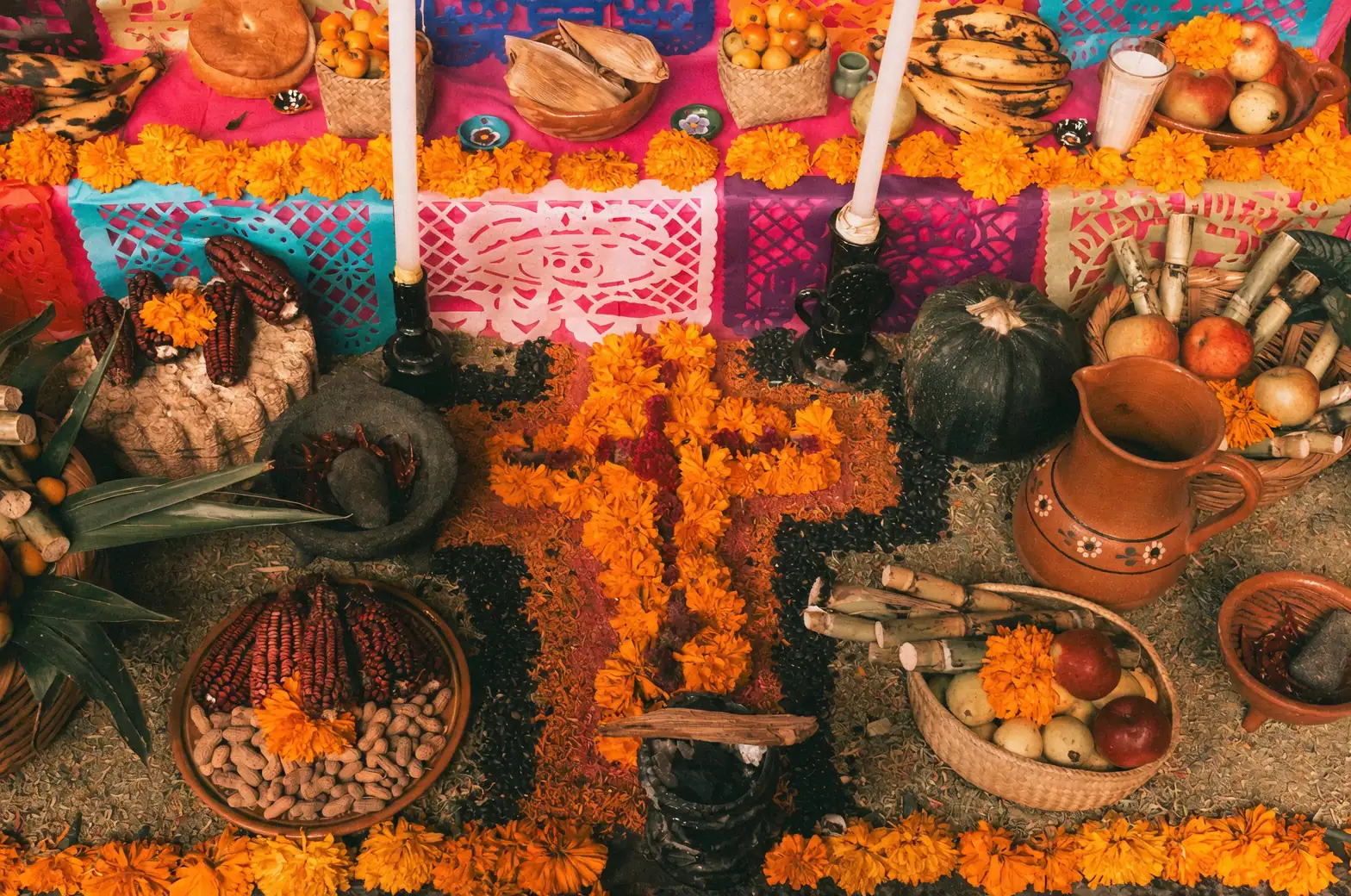
- Target: Día de los Muertos (late October) garlands and altars
- Choose: ball‑types for iconic, densely ruffled heads.
- Count back ~12 weeks to hit late October: sow in late July to early August in climates with warm autumns and late frosts; in cooler areas, sow earlier (late spring/early summer) and manage plants through summer with regular deadheading or a midsummer shear to cue a fall flush.
- Cold risk: If early frosts are common, plan a protected bed, frost cloth at the ready, or grow a backup batch in containers you can move under cover.
Staggered sowings for a rolling show
- For continual color across a long season, sow smaller batches every 3–4 weeks from late spring into midsummer. Mix earlier and ball‑type cultivars to choreograph both timing and texture.
Temperature, light, and nutrition during propagation
- Temperature: Aim for 65–80°F (18–27°C) as you grow on. Cooler nights (but not cold) keep plants compact; avoid chills below ~41°F (5°C).
- Light: Max sun outdoors; under lights, keep fixtures close to maintain short internodes and a bushy frame.
- Feeding: Moderate. A balanced feed every 2–4 weeks is plenty. Too much nitrogen = leafy plants with lackluster bloom. A bloom‑boost leaning a bit higher in P/K just before peak flowering can fatten buds and improve petal quality.
- Watering: Deeply, then let the surface dry slightly. Keep foliage and blooms as dry as possible to prevent spotting and mildew.
Troubleshooting from tray to transplant
- Damping‑off or sudden collapse: Usually soggy mix + poor airflow. Use sterile media, sow shallowly, bottom water, ventilate domes, and space seedlings so stems can dry.
- Leggy seedlings: Not enough light or temps too warm at night. Increase light intensity/duration and add gentle airflow.
- Few flowers, lots of leaves: Often too little sun or too much nitrogen. Move to full sun and switch to a bloom‑friendlier feeding rhythm.
- Pests: Watch for aphids, spider mites, thrips, leafhoppers, and slugs/snails. Rinse with water jets, hand‑pick slugs, or use insecticidal soap/horticultural oil if needed.
- Diseases: Powdery mildew, botrytis, leaf spots, rust, and rots are linked to wet leaves and poor airflow. Space generously, water at the base, and remove severely affected plants (especially for viral issues like aster yellows).
Spacing cheat sheet (adjust to your cultivar’s label)
- Dwarf/compact: 8–12 in apart; shines in window boxes and small pots.
- Standard African marigolds: 12–18 in apart for full mounds.
- Tall cuts: 18–24 in apart to straighten stems and improve airflow—especially in humid regions.
Seed saving and cultivar notes
- Many modern ball‑type marigolds are hybrids—buy fresh seed yearly for uniformity.
- Open‑pollinated types (like classic mixes) can be saved; collect dry seed heads in fall and store cool and dry, noting that offspring may vary if grown near other marigolds.
Cultural note: why marigolds matter
Tagetes erecta carries big symbolism with those big blooms. In Mexico and across Mesoamerica, its glowing flower heads are central to honoring the dead—paths of petals are said to guide loved ones home during Día de los Muertos. In parts of South Asia they symbolize purity, good luck, and prosperity; in Chinese culture they’re linked with longevity and respect for elders. Western traditions often echo remembrance too. As with most flower “languages,” meanings evolved regionally and historically—yet everywhere, the bold color and fragrance say: “Do not forget.”
—
With the right sowing temperature, a thoughtful pinch, a calm hardening‑off, and a smart schedule that matches your cultivar class, African marigolds become a clock you can set your garden by. Warm soil, strong sun, and a steady hand—that’s the propagation master key to a season of luminous pom‑poms.


