


If your windowsill is craving a colorful little star, Cryptanthus bivittatus (Earth Star) is the compact, low-fuss bromeliad that plays beautifully with small spaces. Think of this as your seasonal checklist—watering, misting, feeding at half-strength, smart light tweaks, and that all-important spring repot—all broken into small, doable goals that keep this plant glowing without taking over your week.
Meet your Earth Star
- Botanical name: Cryptanthus bivittatus (Bromeliaceae)
- Origin: Eastern Brazil’s warm, humid Atlantic Forest
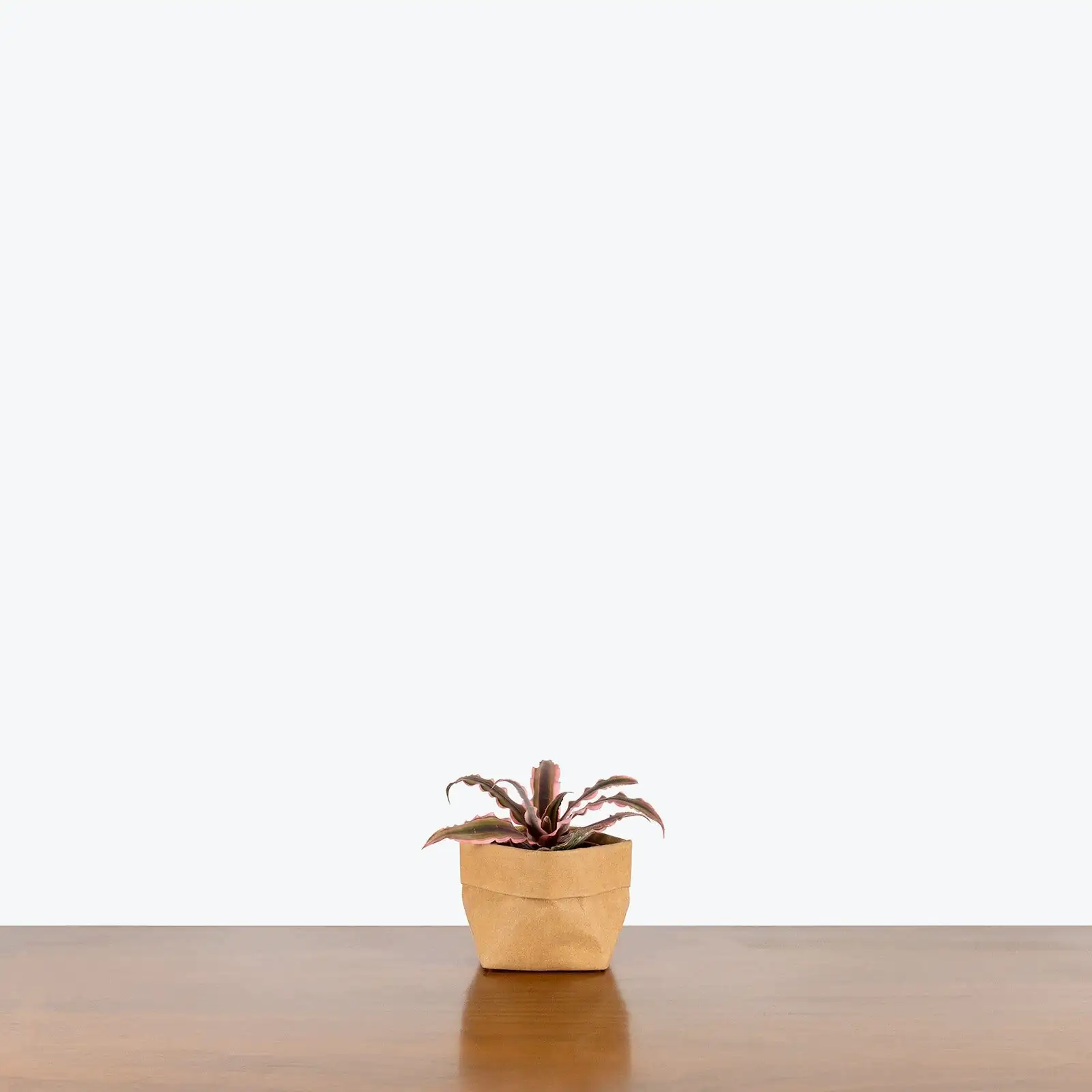
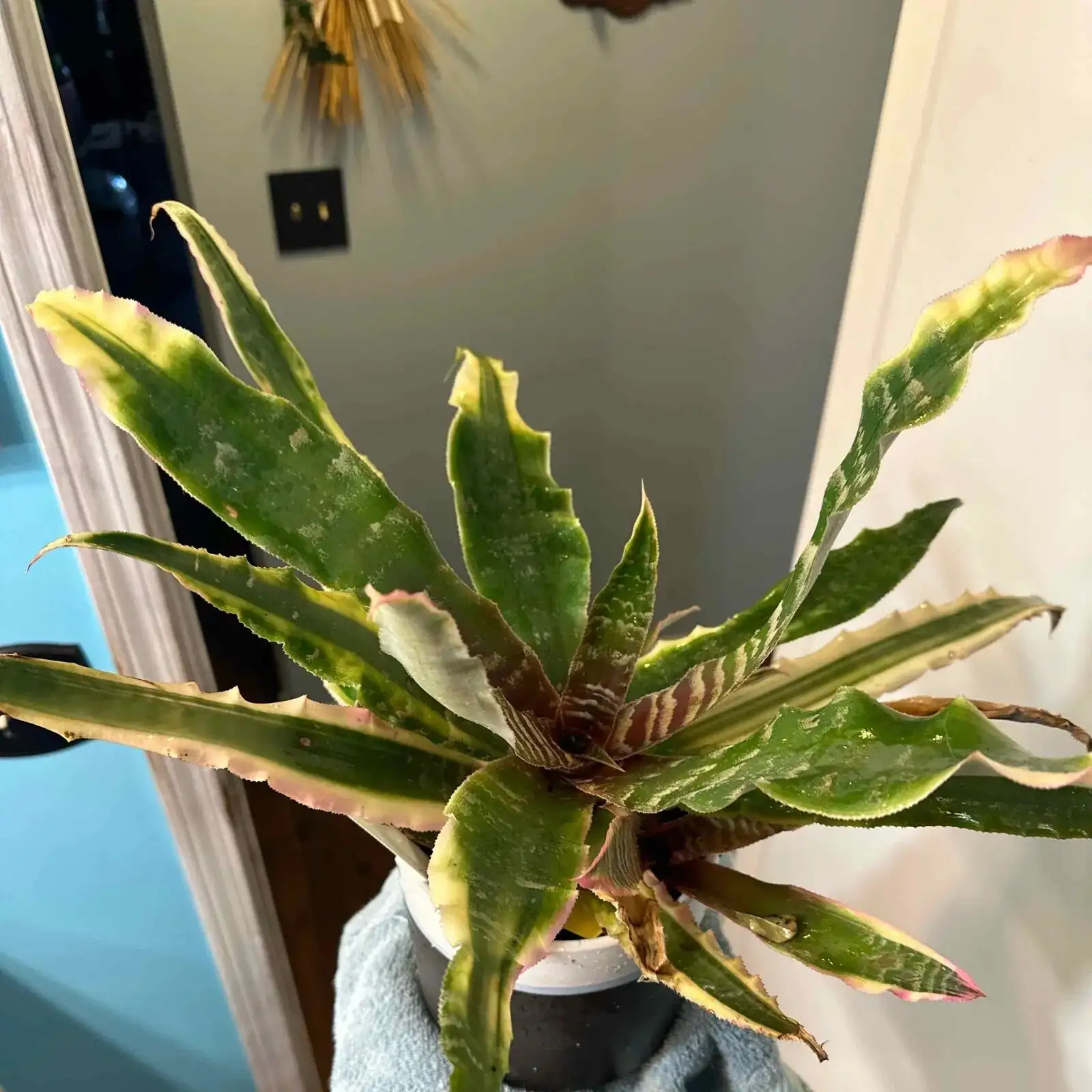
- Style notes: Petite, flat, star-shaped rosette with rippled, lightly toothed leaves that can shine green, pink, red, orange, or purple—often striped
- Typical size: About 15 × 15 cm (6 × 6 in); stays compact and low
- Best for: Bright windowsills, dish gardens, and ventilated warm terrariums
What it loves:
- Bright light; it can take some direct sun when acclimated (gentle morning rays are ideal)
- Moderate to higher humidity (but not stagnant air)
- A very airy, fast-draining mix
- Rainwater or distilled water, lukewarm for misting
Pro tip on color: Stronger light generally brings out richer reds and pinks; lower light pushes the foliage greener.
The small-space success kit
- 10 cm (4 in) pot with generous drainage holes
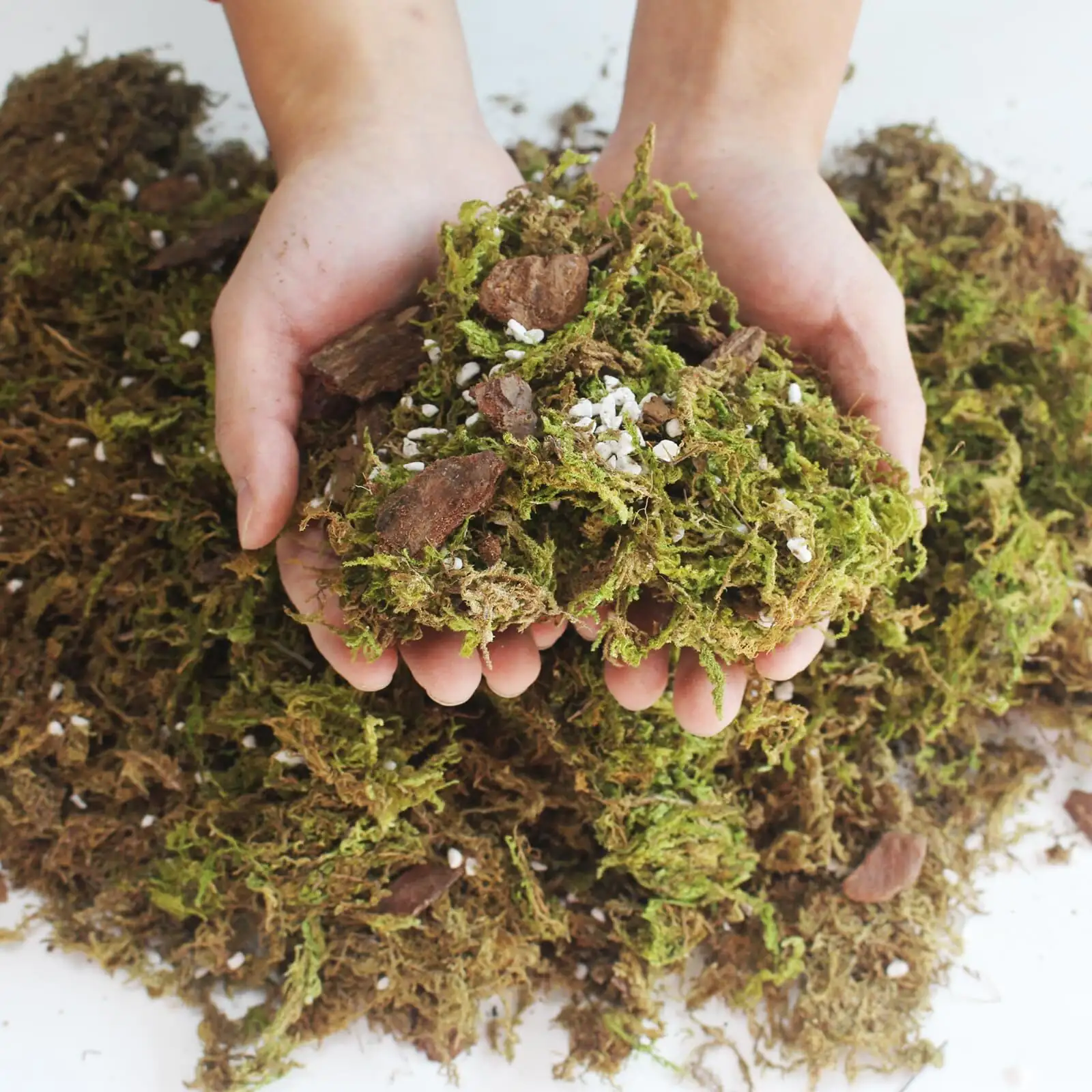
- Very airy mix: equal parts orchid bark, perlite, and coco coir; or a 1:1 blend of orchid mix and all‑purpose potting mix
- Water quality: rainwater or distilled (prevents mineral spotting and keeps leaf edges crisp)
- Fine mister or atomizer (use lukewarm rain/distilled water)
- Shallow tray with pebbles for passive humidity and airflow under the pot
- Balanced liquid fertilizer (use at half strength only)
- Soft brush or blower bulb for dust and debris between leaves
Your seasonal checklist (with small, doable goals)
Spring: Wake-up call and repot window
Water and mist
- Goal: Evenly moist, never soggy.
- Action: Water when the top 1–2 cm (½–¾ in) of mix is dry. Always drain fully; don’t let water collect in the crown.
- Misting: Lightly mist with lukewarm rain/distilled water if indoor air is dry.
Light tune-up
- Goal: Deepen color without scorch.
- Action: Shift to a brighter spot and acclimate to gentle direct sun (ideally mornings). Watch for bleaching; back off if edges pale.
Feeding
- Goal: Strong, vibrant spring growth.
- Action: Start feeding at half strength every 2–3 months through late summer. Set a recurring 9–10 week reminder.
Repotting
- Goal: Fresh air to the roots.
- Action: Repot now if it’s been 2–3 years, the mix has collapsed, or roots circle the pot. Keep the crown slightly elevated above the mix line to deter rot.
Pups and grooming
- Action: Remove only dead or damaged outer leaves. If pups are 1/3–1/2 mother size with roots, you can separate and pot them in a small container with the same airy mix.
Micro‑goals for small spaces
- 10-minute weekend: dust leaves, check for mealybugs or scale, adjust pot rotation for even color.
- Add a pebble tray under the pot for lift + humidity without clutter.
Summer: Color and consistency
Water and mist
- Goal: Steady moisture without waterlogging.
- Action: Warm weather = faster drying. Water more frequently but still allow partial surface dry-down. Keep using rain/distilled water. Light misting if air is very dry; ensure good airflow.
Light and heat
- Goal: Maintain vibrancy.
- Action: Bright light is best; acclimated plants can take some direct sun. Behind hot glass, protect from harsh midday rays to avoid leaf scorch.

Feeding
- Action: Half-strength fertilizer once this season if your spring feed was early; otherwise follow your 2–3 month rhythm.
Air and space
- Action: Increase ventilation (tiny desk fan on low nearby). Terrarium growers: prop the lid to prevent stagnant moisture.
Pest patrol
- Action: Inspect leaf bases weekly. Treat mealybugs/scale/spider mites early with insecticidal soap or horticultural oil; repeat as directed.
Micro‑goals for small spaces
- 5-minute Friday: finger-check moisture, mist if crispy-dry air, quick spin for even light.
- Put “fertilize at 1/2 strength” on a 9–10 week calendar cycle.
Autumn: Gentle slow-down
Water and mist
- Goal: Transition to lighter watering.
- Action: Let the top 2–3 cm (¾–1 in) dry before watering; keep the mix barely moist as days shorten.
Light adjustments
- Goal: Keep the color.
- Action: As sun angle drops, slide the plant closer to the window to maintain brightness. A sunny sill is perfect if you acclimate.
Feeding
- Action: Wrap up by late summer. No more fertilizer until spring.
Tidy-up and checks
- Action: Remove spent outer leaves; check for breaks in airflow (crowded shelves) and widen spacing a touch.
Micro‑goals for small spaces
- Replace one-third of the top mix with fresh airy medium if the surface has compacted.
- Add a simple reminder: “Reduce watering for cooler days.”
Winter: Rest and protect
Water and mist
- Goal: Barely moist.
- Action: Water sparingly; never let the potting mix stay wet. Skip misting if your room is cool; if heated air is very dry, a light, lukewarm mist is fine—but prioritize a pebble tray.
Light and temperature
- Goal: Bright, not cold.
- Action: Move to the brightest window you have. Keep 16–27°C (61–81°F); avoid prolonged chills below ~10°C (50°F). Draft guards help on leaky windows.
Feeding
- Action: None. Resume in spring.
Rot prevention
- Action: Water early in the day, drain completely, and avoid standing water in the crown and saucer.
Micro‑goals for small spaces
- 60-second check: if the base feels soft or the center looks blackened, withhold water, increase airflow, and refresh the top layer of mix.
Light, water, and feeding—at a glance
- Light: Bright light year-round; can take some direct sun if acclimated. Morning direct sun is ideal; avoid harsh midday through glass.
- Water: Spring–summer evenly moist; winter barely moist. Always drain thoroughly. Use rainwater or distilled water.
- Misting: Optional boost in dry air using lukewarm rain/distilled water; maintain good airflow.
- Fertilizer: Half-strength, balanced liquid every 2–3 months from spring through late summer. Overfeeding softens growth and mutes color.
Soil, potting, and repot rhythm
- Mix: Very airy, free-draining (orchid bark + perlite + coco coir in equal parts, or a 1:1 orchid mix:all‑purpose blend).
- Pot: 10 cm (4 in) is perfect for a single rosette; size up only when needed.
- Repot: Every 2–3 years in spring, or when the mix breaks down. Keep the crown above soggy media.
Troubleshooting color and texture
- Fading or bleaching: Too much intense, direct sun—shift to bright, filtered light.
- Washed-out greens or loss of pink/red: Light is too low—move closer to a bright window.
- Crispy edges, cupped leaves: Underwatering or very dry air—water a bit more often; add a pebble tray and light mist.
- Mushy base/blackened center: Overwatering or poor drainage—refresh the mix, improve airflow, and let the surface dry slightly between waterings.
Pups, blooms, and what comes next
- Flowers: Small white blooms appear low in the center, usually in warmer months indoors. This plant is mainly about the foliage fireworks.
- After flowering: The mother rosette may slow and directs energy to pups.
- Propagation: Separate pups when 1/3–1/2 the size of the mother and rooted; pot into a small container with the same airy mix.
Health, safety, and space-wise hygiene
- Pests: Watch for mealybugs, scale, and spider mites—especially in dry air. Treat with insecticidal soap or horticultural oil; repeat as needed.
- Rot: Prevent by using an airy mix, bright light, good airflow, and never letting water stand in the crown or pot saucer.
- Toxicity: Generally considered non-toxic to people and pets; sap may mildly irritate sensitive skin. Discourage nibbling.
A note on “flower language” and symbolism
Earth Star is often linked with resilience and a punchy, starburst energy—fitting for a compact plant that holds its form and color under bright light. Even its name nods to quiet strength: Cryptanthus comes from Greek for “hidden flower,” a reference to the modest blooms tucked in the rosette. While modern “flower language” traditions are more cultural than botanical, Earth Star’s grounded, terrestrial habit and radiant symmetry make it an easy emblem of steadiness and optimism for tiny homes and tidy desks.
Tiny wins: reminders you can set today
- Every Saturday morning: 2-minute moisture check and a light mist if air is dry.
- First week of spring, then every 9–10 weeks until late summer: Half-strength feed.
- Equinoxes: Light position review—nudge closer in autumn/winter, back a touch in spring/summer if leaves pale.
- Early spring (every 2–3 years): Repot into fresh airy mix; separate pups if ready.
With these seasonal, bite-sized steps, your Earth Star stays compact, colorful, and cheerful—exactly the kind of plant that makes a small space feel like a bright, living studio.