

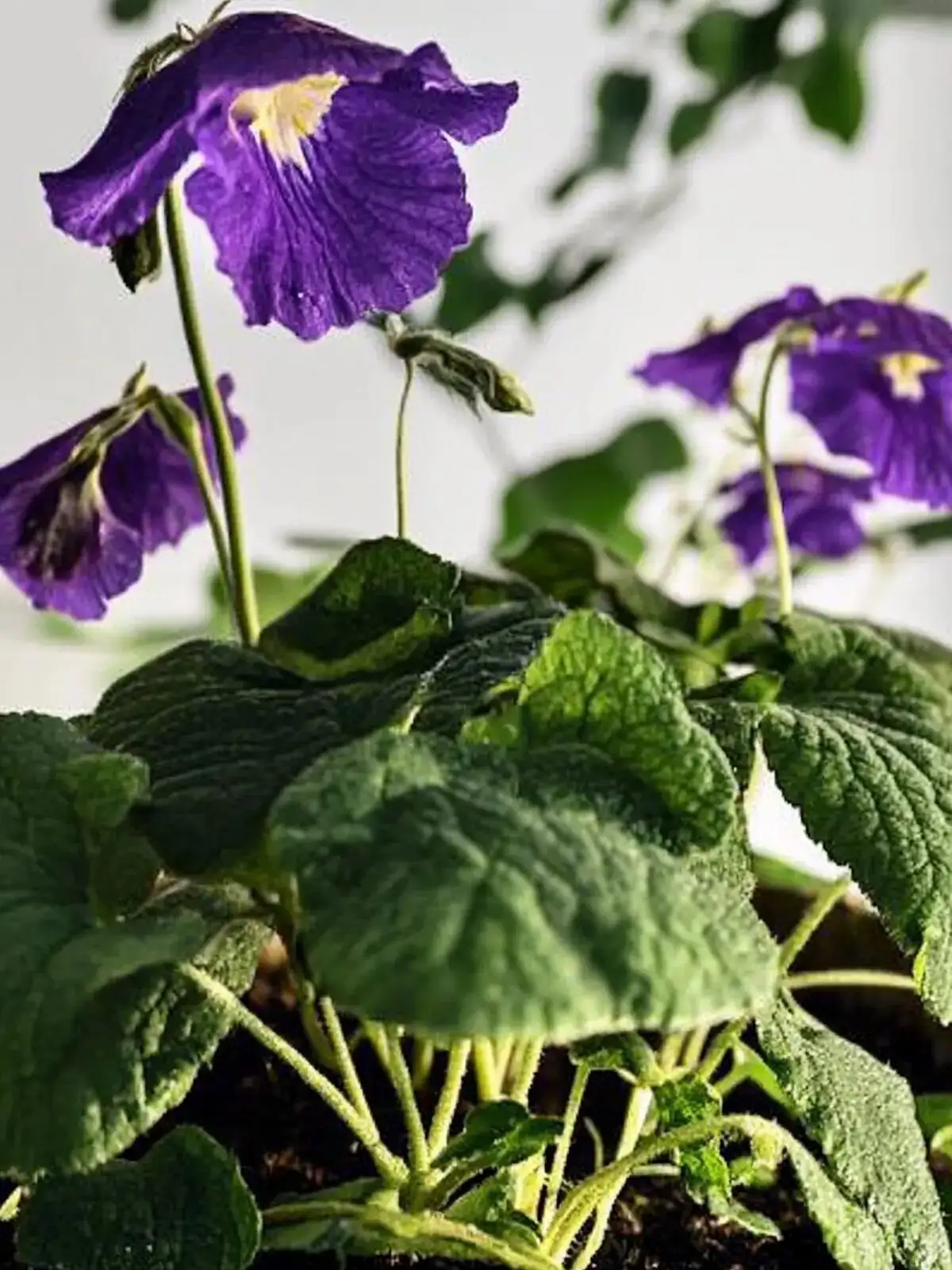
Imagine a windowsill that never quite stops flowering: spring flurries of trumpets, summer cascades in jewel tones, autumn encores, and then—just when you think it’s time to rest—cheerful winter pops. With Streptocarpus (Cape primrose), you can script that show. The trick is smart cultivar sequencing and small seasonal tweaks to light, feeding, and repotting so plants thrive without burning out.
Meet Streptocarpus: the marathon bloomer made for sills
Streptocarpus are compact, rosette-forming houseplants from Southern Africa’s shaded, rocky habitats and forest margins. They carry softly wrinkled, lance-shaped leaves and lift velvety, funnel-to-trumpet flowers on slender stems—often bicolored or with patterned throats—across white, pink, red, blue, and purple. Many flower from spring through autumn, and modern hybrids will even color the darkest months if you give them brighter light. They stay tidy on a windowsill, typically topping out around 60 × 60 cm in a pot, depending on the cultivar and conditions.

The year‑round windowsill plan
Think of your sill as a small stage with changing spotlights. You’ll:
- Choose a cast that peaks in different seasons.
- Move plants to the best light as the sun shifts.
- Feed lightly and consistently during the long season.
- Repot in spring—strategically and not all at once.
- Keep roots airy and crowns dry.
Cast your show: sequencing cultivars for continuous color
You don’t need dozens—4–6 plants can sustain a long run. Mix:
- Spring-to-autumn workhorses: many standard hybrids that carry steady bloom once days lengthen.
- Pattern-and-bicolor showpieces: add visual contrast so the display feels fresh even if the timing overlaps.
- Winter‑capable modern hybrids: some lines continue in short days if they get brighter light. Look for selections promoted for cool-season flowering; for example, specialty growers often highlight long-season or winter-friendly series.
Sample compact lineup ideas (choose what you love and what your local source carries):
- A cool white or soft pastel hybrid for light, early color.
- A vivid magenta/blue bicolor for midseason punch.
- A deep purple or red selection for late-summer/early‑autumn drama.
- One or two modern winter‑capable hybrids for December–February pops.
Place spring–autumn stalwarts up front from March to October; rotate winter‑capable plants into the brightest seat by late autumn.
Light choreography: where each plant stands, season by season
- Spring and autumn: Bright, indirect light is perfect; an east window is ideal. Lightly shaded south/west sills also work.
- Summer: Give part shade and ensure airflow. Harsh midday sun on a hot south window can stress leaves—filter it and keep the room comfortable.
- Winter: Move bloomers to the brightest spot you have—often a south or west window with some direct sun—to keep flowers coming. Non‑bloomers can take a slightly dimmer backup seat to rest.
Reading the leaves helps you tune intensity:
- Deep green leaves usually indicate lower light.
- Yellowish‑green or pale leaves can mean light is too high; step back or add sheer shade.
Tip for darker homes: A small LED panel (neutral to cool white, 4000–6500K) 20–30 cm above the foliage for 12–14 hours can stand in for winter sun. Keep the light gentle and the air cool and moving—Streps like bright but not baking.

Watering and feeding that power blooms without burnout
- Watering rhythm:
- Spring to autumn: Water when the surface of the mix feels dry. You can water from the top or bottom. For bottom‑watering, stand the pot in a tray for about 20 minutes, then drain fully. Keep water away from the crown and avoid repeated soaking there; overwatering and heavy soil are fast routes to root/crown rot.
- Winter: Let the mix approach almost dry between waterings—flowering slows for many plants in short days and cooler rooms.
- A practical cue: a slight softening of leaves signals it’s time, but aim to water before a hard wilt.
- Aesthetic tip: splashing cold water on leaves can leave marks—pour directly into the mix.
- Feeding rhythm:
- From spring to autumn, feed about once a month with a high‑potassium fertilizer formulated for flowering plants, following label directions.
- If a modern hybrid is actively blooming under bright winter light, keep feeding minimal; many growers simply pause until spring. When in doubt, err on the lighter side.
Repotting: fresh mix without losing the bloom engine
- Timing: Repot in spring, nudging up only slightly in size. Streptocarpus flower best a little pot‑bound.
- Pot and mix: A 10–15 cm pot is typical. Use a free‑draining houseplant mix (or general potting mix) opened with perlite so water never lingers around roots or crown.
- Strategy for continuity: Don’t repot the entire collection in the same week. Spread it over 3–4 weeks so part of your cast keeps blooming while the freshly potted ones pause to root in.
Temperature and airflow: keep them fresh, not flushed
- Sweet spot: 12–24°C (54–75°F). Avoid hot, stagnant conditions.
- Heat waves: Move plants to the coolest bright room, shade midday sun, and run a fan for gentle airflow. High heat can wilt or damage leaves, so prioritize comfort and ventilation.
Grooming and vigilance
- Deadhead: Remove flower stems as they fade to channel energy into new spikes.
- Spring tidy: As fresh leaves appear, trim away older tired ones to improve airflow.
- Pests: Mealybugs, aphids, and spider mites may visit. Isolate, swab mealybugs with alcohol, rinse mites, and improve airflow. Always check the crown for softness; rot starts here if crowns stay wet.
- Pet safety: Generally considered non‑toxic to cats and dogs, though nibbling can still cause mild stomach upset.
A 12‑month windowsill playbook
- January–February
- Put winter‑capable hybrids in the brightest window.
- Water sparingly; allow the mix to become almost dry between waterings.
- If bloom is strong under bright light, you may give a very light, infrequent feed—otherwise wait for March.
- March
- Begin monthly high‑potassium feeding.
- Repot a first batch into fresh, free‑draining mix; keep crowns high and airy.
- Start leaf cuttings from robust leaves to expand your bench.
- April–May
- Most plants ramp up; keep bright, indirect light.
- Deadhead steadily; rotate plants to even out light exposure.
- June–July
- Shield from harsh midday sun; ensure airflow in warm rooms.
- Keep to the “surface dry, then water” rule; never let pots sit in water.
- August
- Continue monthly feeding. Remove a few older leaves to keep rosettes open.
- If days are very hot, move to an east window or back from glass.
- September
- Autumn encores arrive. Take a round of leaf cuttings to bank favorite cultivars.
- October
- Reduce water frequency as nights cool.
- Shift winter‑capable hybrids toward the brightest seat.
- November–December
- Brightest window, light watering, and a tidy habit keep winter blooms coming.
- Pause feeding unless a plant is actively in heavy bloom under strong light.
Propagation: the secret to never running out of color
- Leaf cuttings (including leaf sections) are the go‑to. A single healthy leaf can become several new plants. Insert the main rib or leaf strips into a very airy, barely moist mix; cover lightly for humidity and keep warm and bright (not hot). Rooting gives you backups to stagger bloom cycles and share the joy.
- Division: If a mature clump has multiple crowns, divide during spring repotting.
Troubleshooting bloom dips
- Few or no flowers in spring/summer:
- Light is too low. Move to an east window or brighten with a light panel.
- Pot too large or soil heavy/soggy. Downsize next spring and lighten the mix with more perlite.
- Buds aborting:
- Swings in moisture or temperature; keep watering consistent and avoid hot drafts.
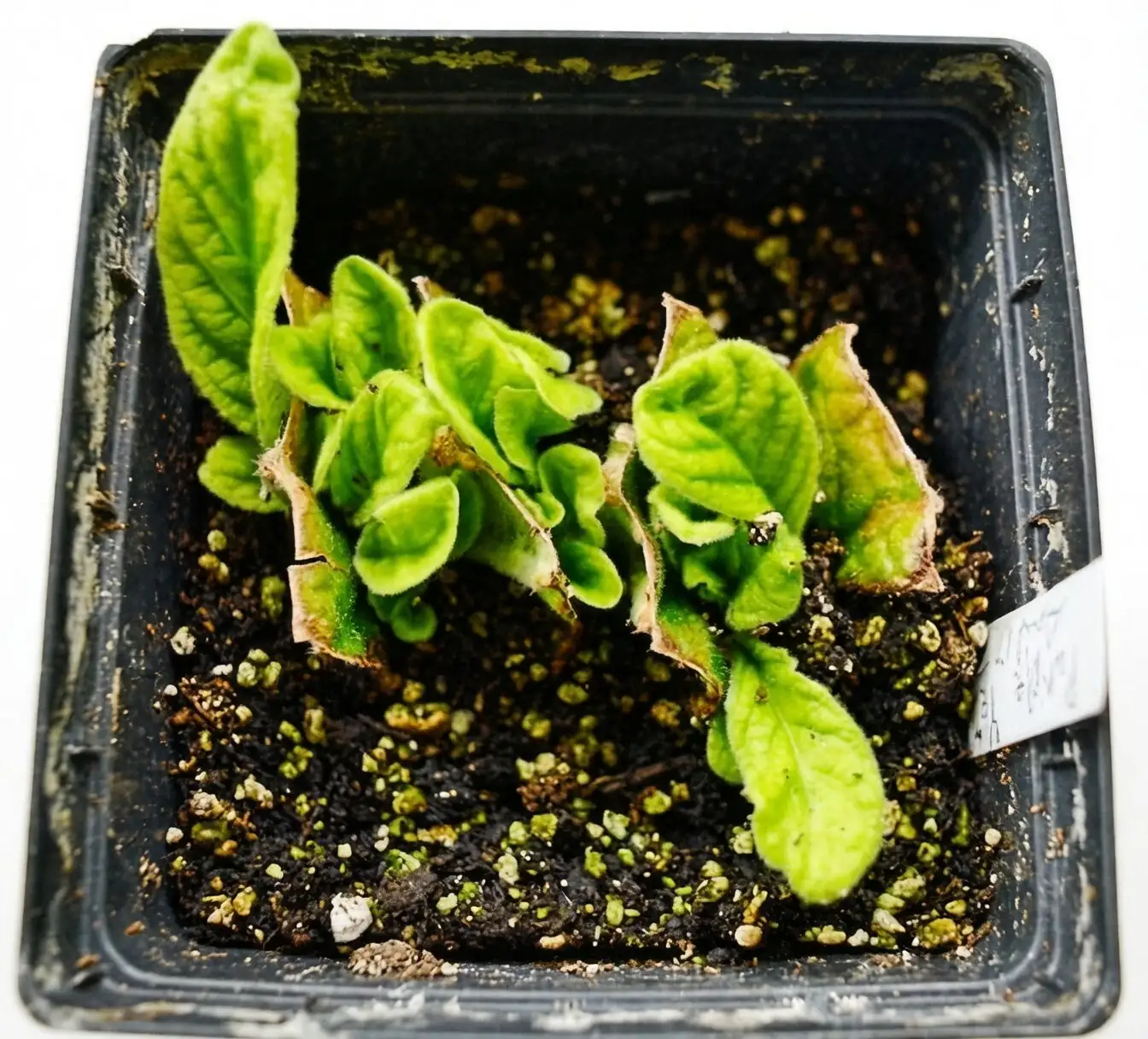
- Leaves pale or crisping:
- Light too intense or room too hot. Step back or add sheer shade; cool the room.
- Crown softening or sour smell:
- Early rot. Unpot, trim damaged tissue, refresh into a drier, airier mix, and water carefully from the side of the pot.
Quick cultivar notes for sequencing
- Long-season standards: Many hybrids keep a near-continuous flush from spring into autumn on a bright east window.
- Patterned showpieces: Bicolors and veined throats add contrast—great midseason anchors.
- Winter‑inclined modern hybrids: Choose lines known for cool-season performance; these rise to the front row November–February when given more light.
Why this works
You’re balancing three things plants care about most—light, roots, and rest:
- Light follows the sun: give more in winter, protect from harsh peaks in summer.
- Roots stay slightly snug and airy, which nudges flowering over leaf sprawl.
- Rest is gentle, not total: you slow the rhythm in winter for most plants, while letting a few all‑stars carry the show.
Do this, and your Streptocarpus won’t sprint and crash—they’ll waltz, handing the melody from one cultivar to the next, right through to those delightful winter pops.