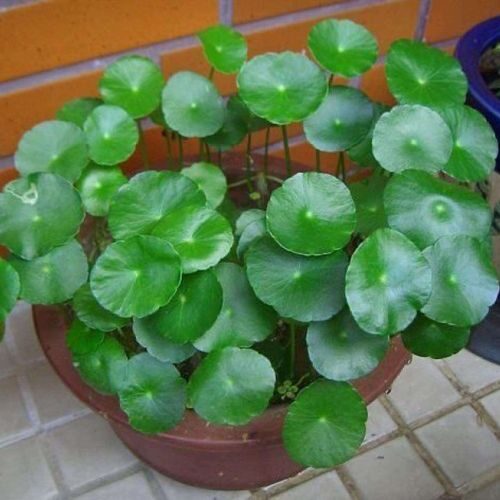
Imagine a tiny forest of green coins, each one perched on a delicate stem and ready to multiply at your fingertips. That’s Hydrocotyle umbellata—Brazilian pennywort—an irresistibly easy, water-loving creeper that roots at every opportunity and turns a cup, bowl, or mini-pond into a lush, gifty vignette. In this masterclass, you’ll learn foolproof propagation with node/tip cuttings at 20–24°C, quick divisions for instant pots, and styling ideas that transform fresh starts into ready-to-gift minis.
Meet Brazilian Pennywort (Hydrocotyle umbellata)

- What it looks like: Bright, glossy, coin-shaped leaves (peltate—stalks attach near the center like tiny umbrellas) on slender, trailing stems.
- Habit: Low, mat-forming creeper; stems root at nodes and spread quickly.
- Light: Bright light to full sun; in hot summers, shield from harsh midday rays to prevent scorch.
- Temperature sweet spot: 20–28°C (68–82°F). Protect from cold; keep above 10°C (50°F) indoors (absolute minimum ~5°C / 41°F).
- Where it thrives: Consistently moist soil, shallow water bowls, paludariums, pond edges, or as an aquarium marginal with emergent leaves.
Pro tip: Rotate containers a half-turn weekly for even, symmetrical growth—especially on a windowsill.
—
Propagation Masterclass: Two Paths to Lots of Plants
Hydrocotyle umbellata is famously cooperative. You can multiply it by:
- Node/tip cuttings (best in warm active growth)
- Divisions (the speed-run method—great in spring)
Aim for a rooting temperature of 20–24°C (68–75°F). At this range, expect roots in about 2 weeks.
Before You Start
- Tools: Clean scissors/pruners, a clear glass/jar or shallow tray, pebbles or LECA (optional), moist sand or airy potting mix, labels.
- Hygiene: Sterilize blades. Rinse off any old or decaying material.
- Light: Bright, indirect light is perfect. Outdoors in hot climates, give bright filtered light or morning sun with midday shade.
- Humidity: Warm, humid air helps (70–80% is lovely but not mandatory).
—
Method A: Node/Tip Cuttings (Two Easy Setups)
Option 1: Root in Water (visually rewarding and fast)
- Select and snip
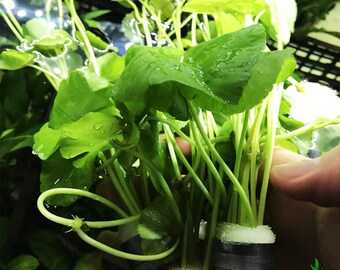
- Take a 10–15 cm (4–6 in) section with at least 2–3 nodes.
- Make a clean cut just below a node. Keep 1–3 leaves; remove extras to reduce wilting.
- Prepare the jar
- Fill with clean, room-temp water. Add a pebble or two to anchor stems if needed.
- Submerge only the nodes; keep leaves above water.
- Conditions
- Keep at 20–24°C with bright, indirect light.
- Change water every 3–4 days at first; once new white roots appear, switch to every 7–10 days to avoid stagnation.
- Timeline
- Days 3–7: Little white root nubs appear at nodes.
- Days 7–14: Roots elongate; new leaves may unfurl.
- At ~2 weeks: Pot into moist soil or move to a decorative water setup.
Pro tips
- No fertilizer in the water until after you see new roots; then use very dilute feed sparingly.
- Use more than one cutting per jar for a full, gifty look.
Option 2: Root in Moist Sand or an Airy Mix (quick establishment)
- Medium
- Use clean, moist sand, or a breathable mix: potting soil/loam + compost/leaf mold with some coarse sand.
- Planting
- Lay cuttings horizontally and lightly cover/bury the nodes, or peg runners down with a hairpin so nodes contact the medium.
- Conditions
- Warm (20–24°C), bright light, and steady moisture—never let it dry out.
- Timeline
- Similar to water method; check after ~10–14 days for tug-resistant roots and new growth.
Common mistakes to avoid
- Letting water go stale or soil swing from bone-dry to soggy.
- Low light leading to stretched, floppy growth.
- Cold drafts or temps below ~10°C indoors.
—
Method B: Divisions (Instant Pots in Minutes)
Best time: Spring or any warm, active growth phase.
- Unpot and loosen
- Gently lift the plant and tease apart the mat. You’ll see multiple rooted nodes and mini-clumps.
- Split
- Separate into sections, each with several leaves and a healthy root portion. Trim yellowed leaves.
- Replant shallowly
- Use a shallow, wide pot or bowl (15–20 cm/6–8 in is great). Plant so nodes just kiss the surface.
- Water and settle
- Water thoroughly; keep evenly moist. Bright, indirect light. New leaves will perk up in 1–2 weeks.
Speed tip: For a “carpet” effect, space divisions 3–5 cm (1–2 in) apart and peg any runners so nodes touch the medium.
—
Aftercare: The 2-Week Rooting Playbook
- Light: Bright, indirect. Avoid harsh midday sun in hot seasons.
- Temperature: 20–24°C for fastest rooting; keep room stable and draft-free.
- Moisture:
- Soil culture: Consistently moist; never bone-dry.
- Water culture: Refresh water regularly; top up as needed.
- Feeding: Lightly feed only after you see new growth. In water culture, a weak, balanced liquid every ~2 weeks; in soil, about monthly. Avoid heavy nitrogen—keeps growth sturdy, not leggy.
- Grooming: Remove yellow or damaged leaves. Rotate the pot weekly for symmetry.
—
Styling Ideas: Ready-to-Gift Minis They’ll Love
1) “Coin Pond” in a Shallow Bowl (water culture)
- Vessel: Wide, shallow ceramic bowl or glass dish.
- Base: A layer of smooth pebbles or LECA for anchoring.
- Planting: Tuck rooted cuttings between pebbles; add clean water to just submerge roots and nodes, keeping leaves above water.
- Finishing touch: A tiny stone “path,” a miniature figurine, or a ribbon around the bowl. Include a care tag: “Bright light, fresh water, steady moisture.”
2) Teacup Penny Meadow (soil culture)

- Vessel: Vintage teacup with a hidden drainage layer (pebbles + a bit of mesh).
- Mix: Moist, airy soil with a hint of compost and coarse sand.
- Planting: One or two divisions; peg a runner so it roots along the rim.
- Topdress: Fine gravel or pale sand for that Zen-desktop look.
3) Desktop Ripple Jar
- Vessel: Tall, clear jar with 3–5 cm (1–2 in) water.
- Setup: A few river stones, a small driftwood chip, rooted cuttings with leaves above water.
- Look: Calm, airy, and perfect for a windowsill.
4) Shallow Bonsai Tray “Penny Prairie”
- Vessel: Low, wide tray.
- Planting: Multiple small divisions spaced evenly; guide runners to fill gaps.
- Accent: Mossy stones or a tiny “bridge” for a landscape vibe.
Gift card copy idea
- “Brazilian Pennywort—coins of green for luck and calm. Keep bright, keep moist, and watch it multiply.”
—
Care Cheat Sheet for New Owners
- Light: Bright light to gentle sun; protect from harsh midday heat outdoors.
- Water:
- Soil: Keep evenly moist; water every 2–3 days in active growth (adjust for pot size and climate).
- Water setups: Change water every 7–10 days (3–4 days early on); never let it stagnate.
- Temperature: Best at 20–28°C; protect from chills. Indoors, aim to stay above 10°C.
- Feeding: Light, balanced feed during active growth only (skip winter).
- Pruning: Snip yellow or floppy leaves; trim long stems to encourage fresh, compact shoots.
- Rotate: Half-turn weekly for even growth.
—
Troubleshooting and Quick Fixes
- Yellowing leaves
- Common causes: Inconsistent moisture, stagnant water, low light, cold stress, poor airflow.
- Fix: Stabilize watering, refresh water, brighten light, improve ventilation, keep warm, and remove yellowed leaves.
- Leggy, floppy stems
- Cause: Insufficient light or excess nitrogen.
- Fix: Move to brighter conditions; feed lightly; trim to stimulate new nodes.
- Scorch or crispy edges
- Cause: Harsh midday sun in hot weather.
- Fix: Provide filtered light or partial shade at midday.
- Aphids on new growth
- Solution: Rinse with water, wipe or pinch off, or use insecticidal soap if needed.
- Algae in water bowls
- Solution: Refresh water more often, reduce direct sun on the bowl, rinse pebbles periodically.
—
Safety Note
No widely accepted evidence of significant toxicity to people or pets is documented for commonly grown Hydrocotyle pennyworts. Still, avoid nibbling and consult a professional if ingestion causes symptoms.
—
When to Propagate: A Handy Calendar
- Spring: Prime time—repot, divide, and start new cuttings.
- Summer: Keep under ~30°C/86°F; bright light with midday protection. Cuttings root at 20–24°C in about 2 weeks.
- Autumn: Maintain moisture; you can still start cuttings in warm rooms.
- Winter: Bright light, slightly reduced watering, no fertilizer; keep warm.
—
Flower Language, Meaning, and the “Coin” Motif
Brazilian pennywort is often linked with prosperity and “money luck” because each leaf looks like a shiny coin. It’s more modern folklore than ancient language, but the symbolism is irresistible for gifts: a living “wallet” of green that multiplies readily. If you include a note, make it personal—“May these little coins root, spread, and bring steady good fortune”—a nod to the plant’s habit of rooting at every node.
—
Quick Start: 60-Second Summary
- Take 10–15 cm node/tip cuttings.
- Root at 20–24°C in clean water (change often) or moist sand.
- Expect roots in ~2 weeks; then pot up or style in a bowl/jar.
- For instant fullness, divide clumps and replant shallowly.
- Bright light, steady moisture, gentle feeding, and weekly rotation = lush, gift-ready growth.
With a warm spot and a glass of clean water, Hydrocotyle umbellata practically propagates itself. Start a few cuttings today and you’ll have a tray of “coin gardens” to gift in just a couple of weeks.