


Buddhist pine, Japanese yew, yew plum pine—whatever nickname you’ve seen on a plant shop tag, Podocarpus macrophyllus is the glossy, always-composed evergreen behind the aliases. It’s a conifer with a neat twist: it masquerades as a “yew” in looks and common name, but botanically it’s not a true yew at all. And it has other party tricks—dioecious cones with berry-like arils, seeds that lose pep quickly, and a surprising capacity to brave brief chills once mature. Oh, and if you grow a young one in water? Fresh, frequent water changes are your best “root spa” routine.
Meet Podocarpus macrophyllus (A.K.A. Buddhist Pine)
- Scientific name: Podocarpus macrophyllus (family Podocarpaceae; genus Podocarpus)
- Origin: Southern and eastern China and Japan
- Evergreen habit: Dense, deep-green, glossy, strap-like leaves; tidy, year-round good looks
- Not a true yew: Despite nicknames like Japanese yew, it’s a podocarp, not Taxus
- Indoors: Commonly sold as a compact container foliage plant; young plants even adapt to water culture for a sleek, modern display
Cones, not “berries” (and yes, it’s dioecious)
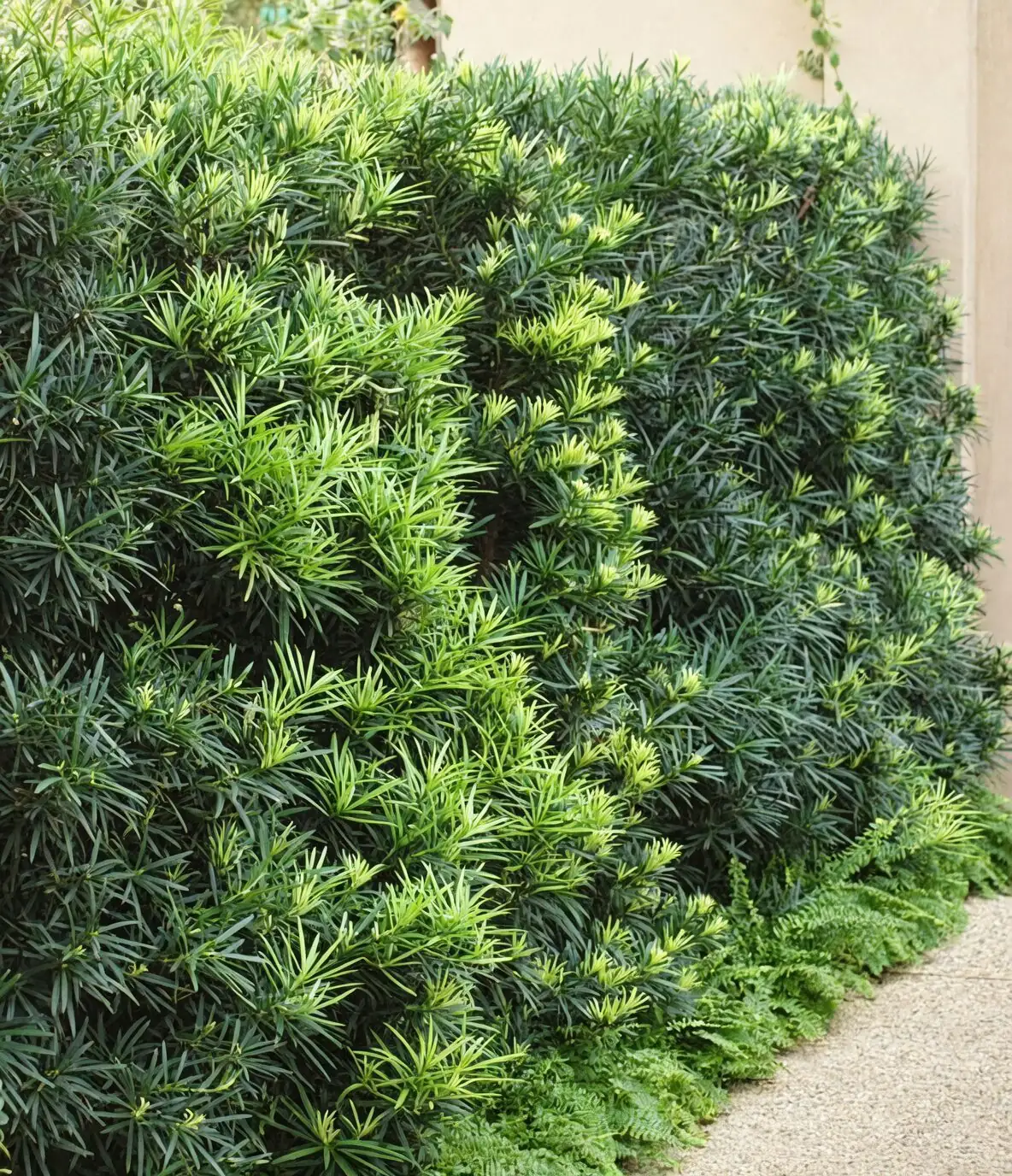
- Male plants form small pollen cones (in spring).
- Female plants, when pollinated, produce fleshy, berry-like arils surrounding the seed.
- The showy “berries” are modified cone parts, not true fruits—classic gymnosperm sleight of hand.
Light, Temperature, and Placement
- Light: Bright, indirect light to partial shade. An east-facing window is ideal; a south window works if filtered through a sheer curtain. Shade-tolerant and adaptable, but it looks its glossiest with good light.
- Temperature: Best at 13–25°C (55–77°F). For the nicest winter foliage, keep above 10°C (50°F).
- Cold savvy:
- Young plants: May show leaf damage below about 5°C (41°F).
- Mature plants: Can tolerate brief dips to about -5°C (23°F) if sheltered.
- Humidity: Prefers moderate humidity (about 50–70%). Light, occasional misting helps in very dry air.
- Placement tips: Keep out of harsh direct sun, away from heating vents, and clear of cold drafts.
Watering and Water Culture: Why Fresh Water Wins
In potting mix
- Keep evenly moist—never soggy, never bone-dry. Weekly watering is typical in active growth, but adjust for your home, pot size, and light.
- Always drain excess water from the saucer.
Water culture (for young plants)
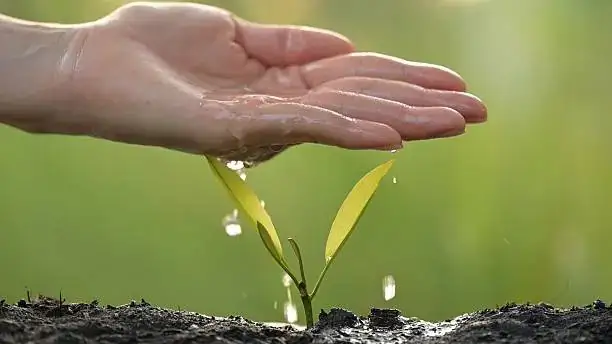
- Start with a clean, healthy seed-grown seedling about 15–20 cm (6–8 in) tall.
- Rinse soil from roots and anchor with large LECA/clay pebbles or decorative stones in a glass, ceramic, or metal container.
- Light and temp: Bright, indirect light at 18–26°C (64–79°F).
- Change the water every 3–5 days. Add a hydroponic nutrient solution about once a month.
- Prune to keep proportions neat; mist lightly if the air is very dry.
The science of those frequent water changes
Think of it as a micro-ecosystem reset:
- Oxygen boost: Fresh water restores dissolved oxygen around roots, supporting healthy root respiration and preventing anaerobic “stinky” zones.
- Biofilm control: Regular flushing disrupts bacterial/algal films before they smother roots or cloud the water.
- Waste removal: Roots shed cells and release exudates; frequent changes remove these organics before they feed microbes or foul the container.
- Nutrient balance: Prevents salt buildup and keeps pH/nutrient availability steady, especially when you dose nutrients monthly.
Soil, Pots, and Repotting
- Mix: Free-draining and airy—think leaf mold/compost + garden loam + coarse sand.
- Drainage: A gritty layer at the pot base helps prevent waterlogging.
- Pot size: A 15–20 cm (5.9–7.9 in) diameter pot suits many house-sized plants.
- Repot timing: Every 2–3 years in late spring.
Feeding, Pruning, and Shaping
- Fertilizer: Feed about once a month in spring and autumn with a balanced formula (e.g., 20-20-20) or a well-rotted organic cake fertilizer. Pause feeding in winter. For water culture, add hydro nutrients monthly.
- Pruning: Trim to shape if it gets tall or leggy. Cutting back a stretched main stem encourages side shoots and a fuller look—works for water-grown juveniles too.
Propagation Corner: Seeds vs. Cuttings
- Seeds: Viability drops fast—sow fresh for best results. If you must store, keep seeds in moist sand and sow the following spring. With good handling, germination is often about 50–70%.
- Cuttings: Take semi-ripe cuttings in early summer from young, vigorous growth. Younger material typically roots more easily than older wood.
- Note on sex: Plants are dioecious. If fruit display (arils) is a goal, you’ll need both sexes nearby outdoors for pollination—but for indoor foliage appeal, sex typically doesn’t matter.
Cold Facts: Why Older Plants Stiffen Their Upper Lip
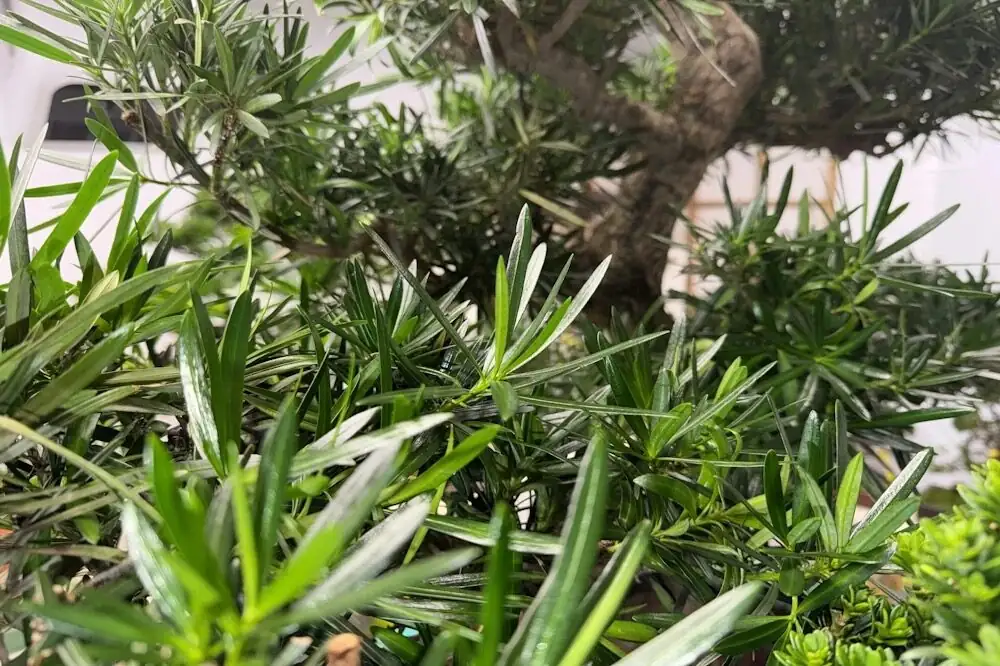
Podocarpus macrophyllus becomes more cold-resilient with age:
- Young plants: Tender to cold, with foliage damage likely below ~5°C (41°F).
- Mature plants: With shelter, can withstand short cold snaps to about -5°C (23°F).
This age-related hardening is common in woody evergreens as thicker tissues and better carbohydrate reserves buffer brief stress.
Pests, Diseases, and Clean-Foliage Habits
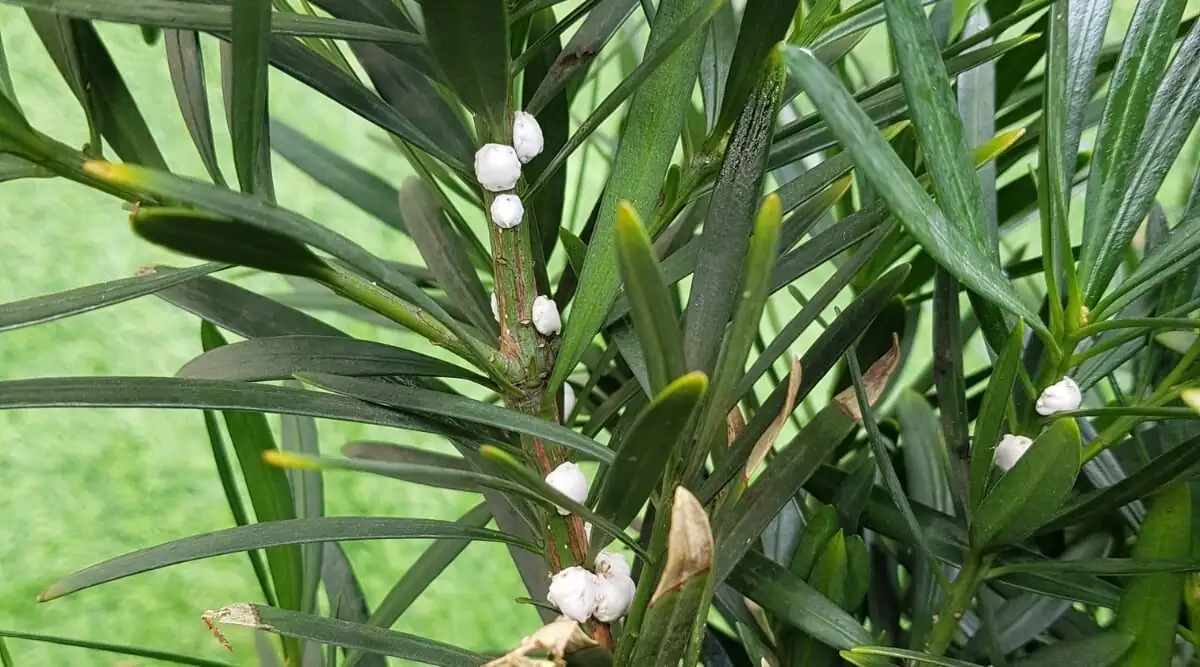
- Scale insects: The most common indoor pest. Wipe off; treat with horticultural oil or appropriate insecticidal soap. Repeat as needed.
- Leaf spot: Improve airflow, avoid wetting leaves late in the day, and remove affected foliage.
- Buying tip: Choose plants with intact, glossy deep-green leaves and no tears, spots, or hitchhiking pests. A full, well-balanced silhouette indicates good light and care in the nursery.
Safety Notes
- Use caution around pets and children. Podocarpus species are widely reported as toxic if ingested (especially to pets). Keep out of reach and seek veterinary/medical advice if eaten.
Seasonal Rhythm (Indoor Care)
- Spring & autumn: Water as needed (often weekly); fertilize monthly.
- Late spring: Repot every 2–3 years.
- Winter: Keep above 10°C (50°F) for best foliage, stop fertilizing, and protect young plants from chills below 5°C (41°F).
- Water culture year-round: 18–26°C (64–79°F), bright indirect light, change water every 3–5 days, nutrients monthly.
Symbolism and Name Lore
- “Buddhist pine” and a suite of “lucky plant” trade names have made this species a houseplant darling. The good-luck aura is mostly modern marketing—no ancient, specific flower language tradition underpins it. Still, its evergreen poise and long-lived nature make a fitting metaphor for steadiness, prosperity, and calm in the home.
Quick FAQ
How do I grow Buddhist pine in water culture?
Rinse soil from a healthy 15–20 cm (6–8 in) seedling, anchor roots with large LECA or stones in a glass or ceramic container, and place in bright, indirect light at 18–26°C (64–79°F). Change the water every 3–5 days; add a hydro nutrient monthly. Prune to maintain height; mist lightly if air is very dry.
What should I look for when buying one, and how do I settle it in?
Pick a plant with dense branching and glossy, spot-free leaves. At home, give bright filtered light (no harsh direct sun), keep the mix evenly moist (not waterlogged), and mist lightly if the air is parched. Once you see new growth, continue with routine care.
Fun Sciencey Tidbits
- Not a true yew: Despite the nickname “Japanese yew,” it’s a podocarp conifer, not Taxus.
- Cones in disguise: Female plants make fleshy, berry-like arils—modified cone parts that look like fruit.
- Seed speed: Freshness matters—seeds lose viability quickly, so sow promptly (or store in moist sand short-term).
- Chill calculus: Older plants shrug off brief dips toward -5°C (23°F) better than youngsters.
- Hydro hack: Changing water every 3–5 days keeps roots oxygenated, curbs biofilm/algae, and prevents waste buildup—hello, pristine white roots.
With its glossy good looks, easygoing temperament, and nerdy-conifer side stories, Podocarpus macrophyllus makes a refined roommate—equally at home in a bright living room or posing as the cleanest desktop hydro star you’ve ever grown.