Creating a lush indoor landscape with a Ficus benjamina, commonly known as the Weeping Fig, is akin to orchestrating a symphony of green. This elegant plant, with its gently arching branches and glossy leaves, serves as the perfect anchor for a harmonious ensemble of houseplants. But how do you choose the perfect plant partners to accompany this indoor star? Let’s explore the best plant companions for Ficus benjamina, ensuring a vibrant and balanced indoor garden that sings with life.
Harmonious Companions for a Weeping Fig
The key to a successful plant ensemble lies in finding companions that thrive under similar conditions and offer contrasting or complementary textures, shapes, and colors. Here are some top picks:
Ferns: The Textural Contrasts
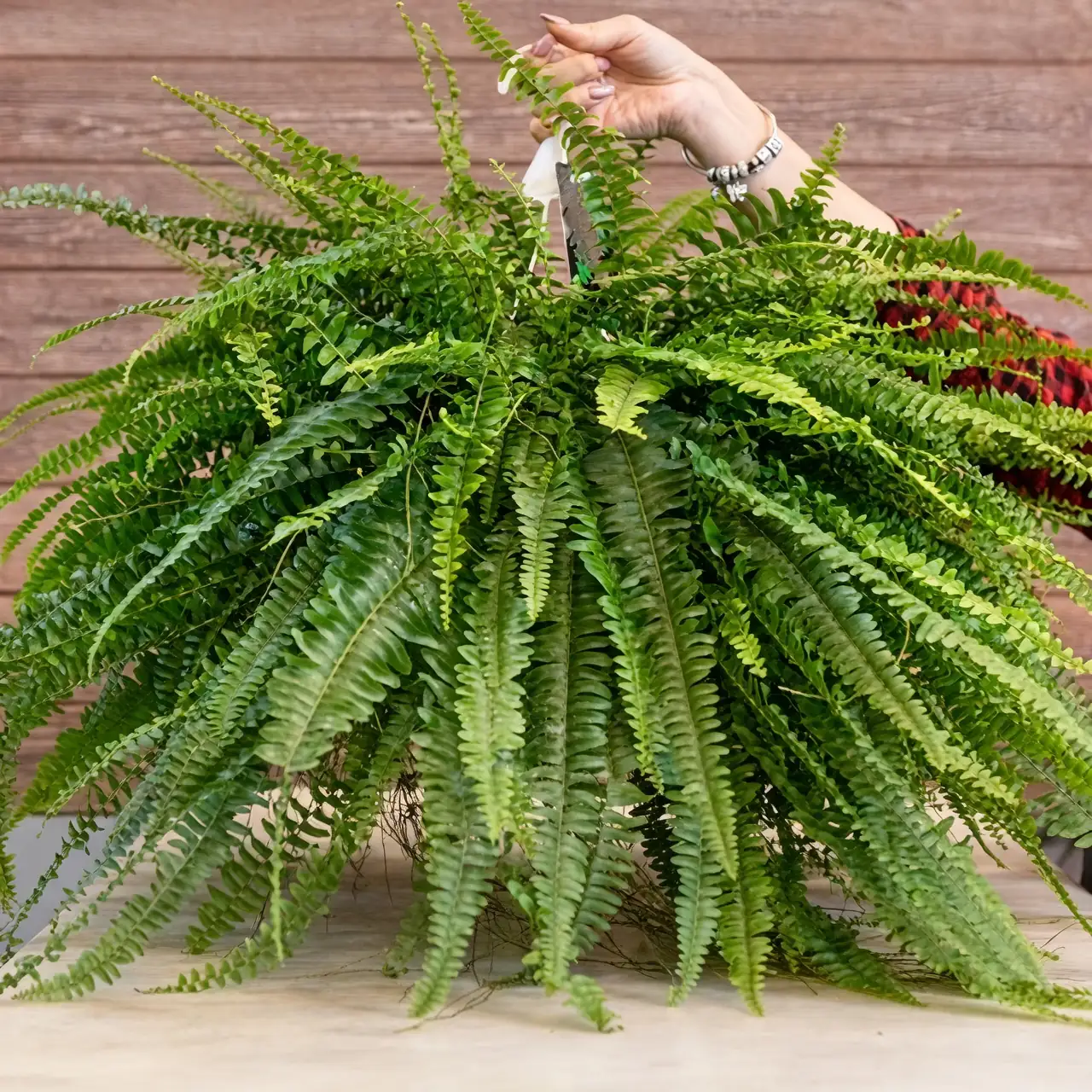
- Boston Fern (Nephrolepis exaltata): With its feathery fronds, the Boston Fern provides a delightful contrast to the weeping fig’s glossy leaves. Both plants favor bright, indirect light and higher humidity levels, making them excellent roommates.
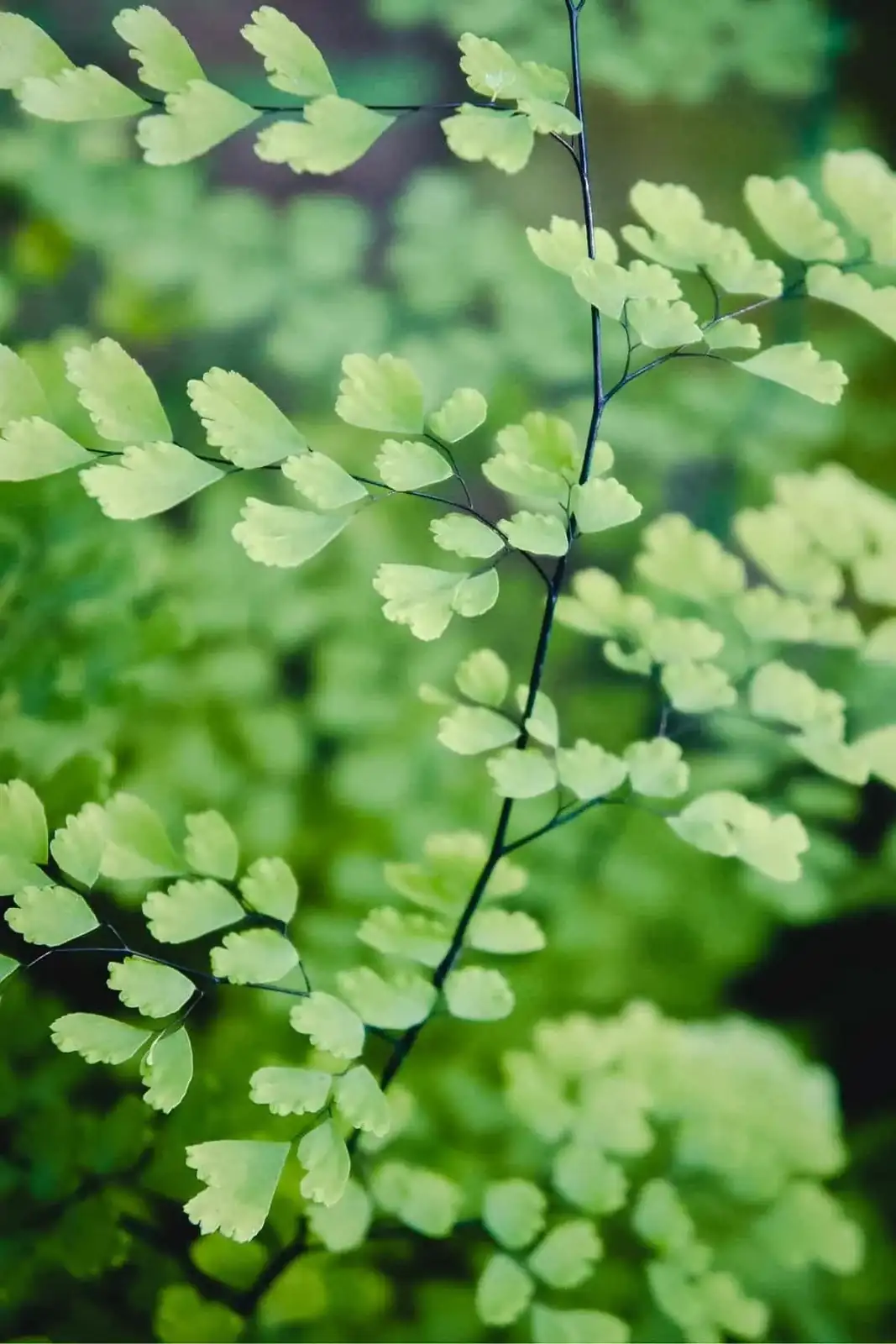
- Maidenhair Fern (Adiantum): This fern’s delicate, lacy foliage adds a soft touch that beautifully complements the weeping fig’s more substantial leaves.
Prayer Plants: The Patterned Companions
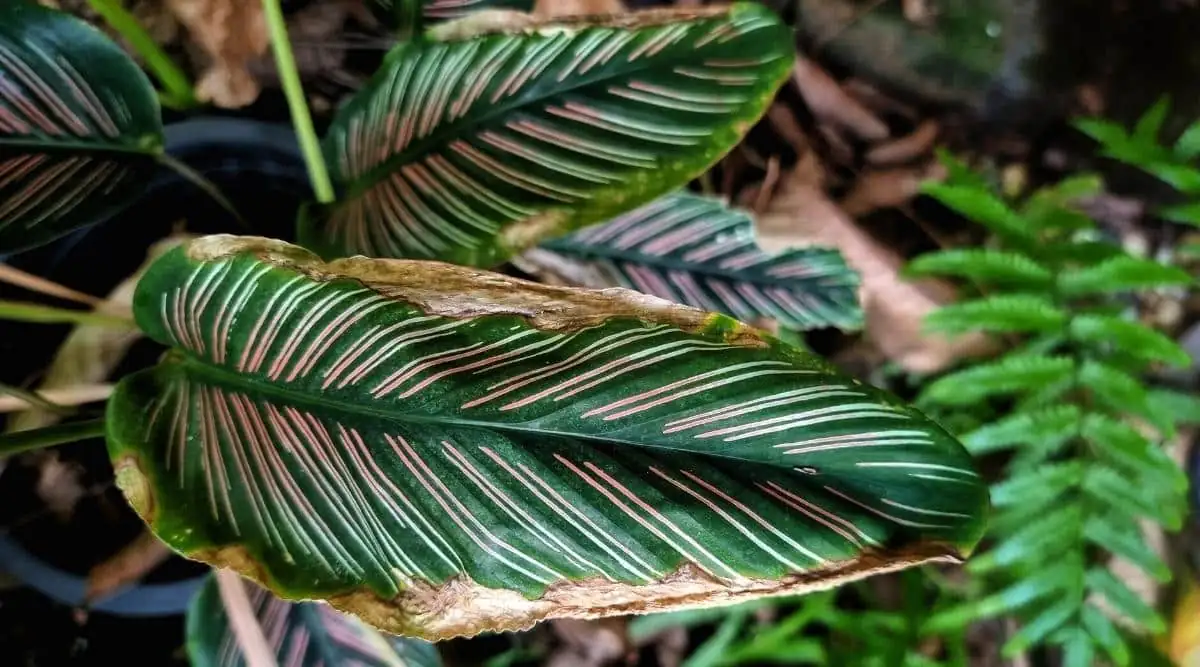
- Maranta and Calathea: Known for their striking leaf patterns, these plants thrive in similar indirect light and humidity conditions. Their unique foliage adds a dynamic visual element next to the weeping fig.
Trailing Elegance:
- Pothos (Epipremnum aureum): Famous for its heart-shaped leaves, Pothos can cascade gracefully around the weeping fig’s base, enhancing the overall aesthetic without competing for attention.
Varied Textures and Colors:
- Dracaena: With a variety of leaf colors and shapes, Dracaena can mirror the weeping fig’s elegance while adding its own flair. Both enjoy similar light and humidity conditions.
- Spider Plant (Chlorophytum comosum): Its arching, variegated leaves provide a lively contrast against the weeping fig’s drooping branches.
- Philodendron: Known for its diverse leaf shapes, Philodendron adds depth and interest to any plant arrangement.
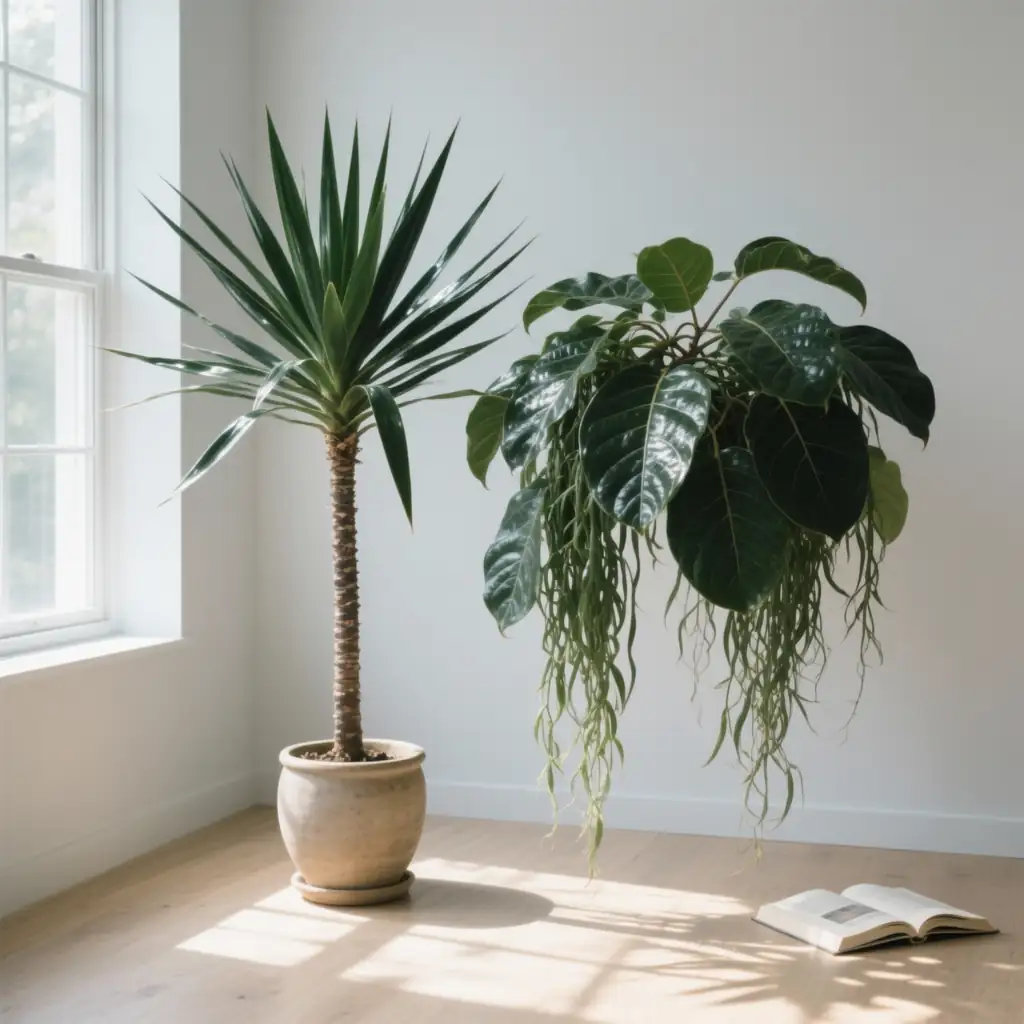
Architectural Drama:
- Snake Plant (Sansevieria): The snake plant’s upright, sword-like leaves create a striking contrast with the weeping fig’s flowing branches. Both are relatively low-maintenance.
Creating a Balanced Environment
When combining plants, ensure they share compatible needs for light, water, humidity, and soil. This cohesion creates a thriving environment where each plant contributes to the overall health and beauty of the display.
- Light: Ficus benjamina thrives in bright, indirect light. Position it near a window filtered by sheer curtains, and choose companions that enjoy similar lighting.
- Water and Humidity: Both the weeping fig and its companions prefer well-drained soil and consistent watering. Aim to maintain moderate to high humidity levels, especially during dry seasons.
- Space Considerations: The weeping fig can grow quite tall, so ensure smaller companions have adequate space to flourish without being overshadowed.
The Art of Placement
Think of your indoor garden as a living tableau. Place the weeping fig as a central, eye-catching piece in a spacious, stable location away from drafts and direct heat sources. Arrange your companion plants strategically to enhance visual interest and ensure each plant receives the right amount of light and airflow.

Final Tips for Success
- Consistency is Key: Sudden changes in light or temperature can stress the weeping fig, leading to leaf drop. Keep its environment stable.
- Mind the Sap: Remember, the milky sap of Ficus benjamina can be irritating to skin and toxic if ingested by pets, so always wear gloves when handling and keep it out of reach from curious pets and children.
By thoughtfully selecting companion plants and maintaining a balanced environment, you’ll create an indoor garden that not only looks lush and inviting but also fosters a sense of tranquility and well-being. So, gather your plants, let your creativity flow, and watch your indoor landscape thrive!