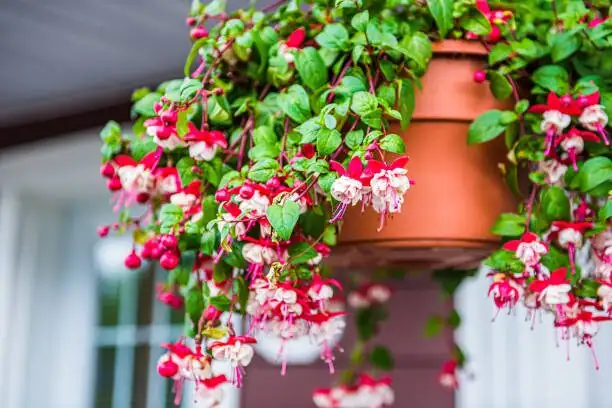
If you’ve ever set a lush basket of Fuchsia × hybrida beside a handsome bowl of apples and bananas and woken up to a carpet of dropped buds, you’ve met the world’s quietest troublemaker: ethylene. This tiny, invisible gas is a plant hormone—and a gossip. Fruit ripens, whispers ethylene, and your fuchsia hears “Time to let go,” then sheds perfectly good buds like confetti. The good news? You don’t have to banish your fruit bowl or your flowers’ fragrance to keep those “lady’s eardrops” swinging. Here’s the quirky science and the practical fix.
Meet the diva: Fuchsia × hybrida in brief
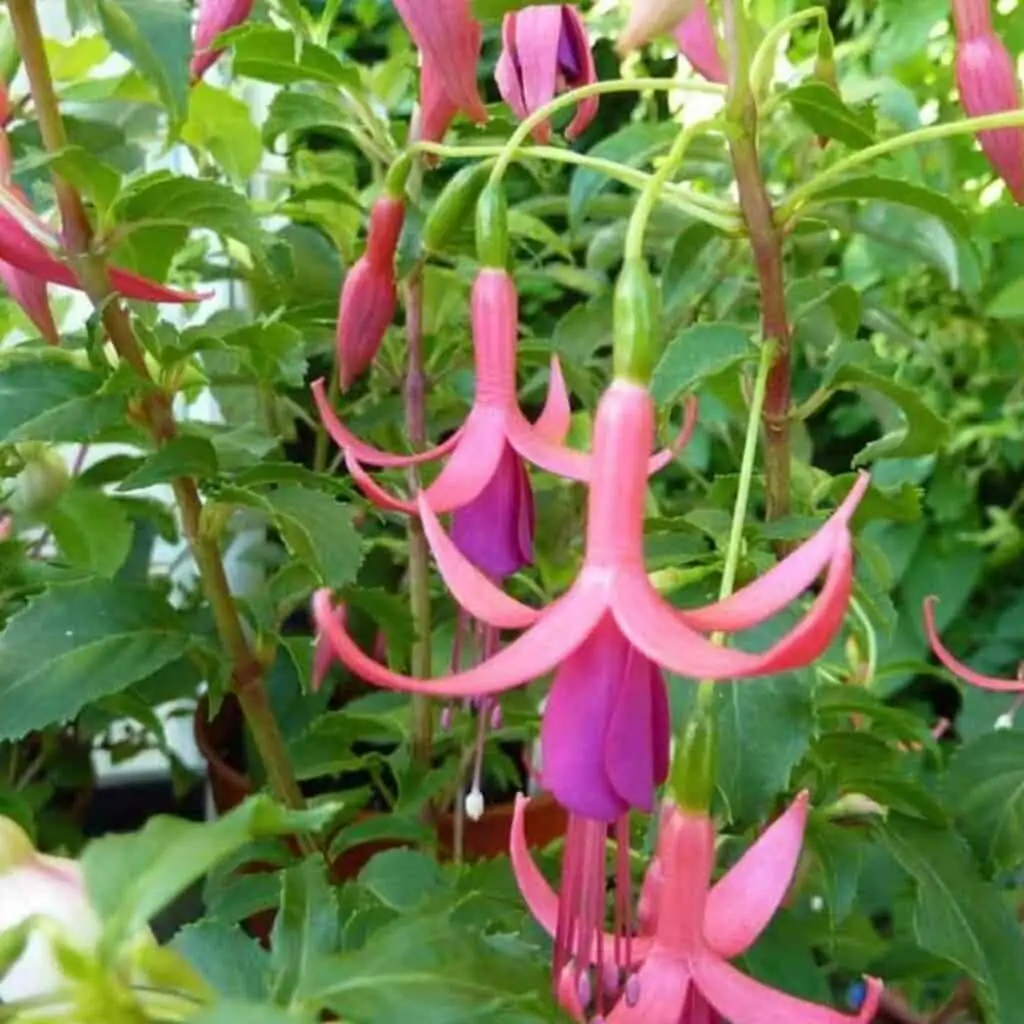
- Nicknames: Fuchsia, Hanging Fuchsia, Hybrid Fuchsia, Lady’s Eardrops (family Onagraceae; origin traced to the Mexican Plateau region).
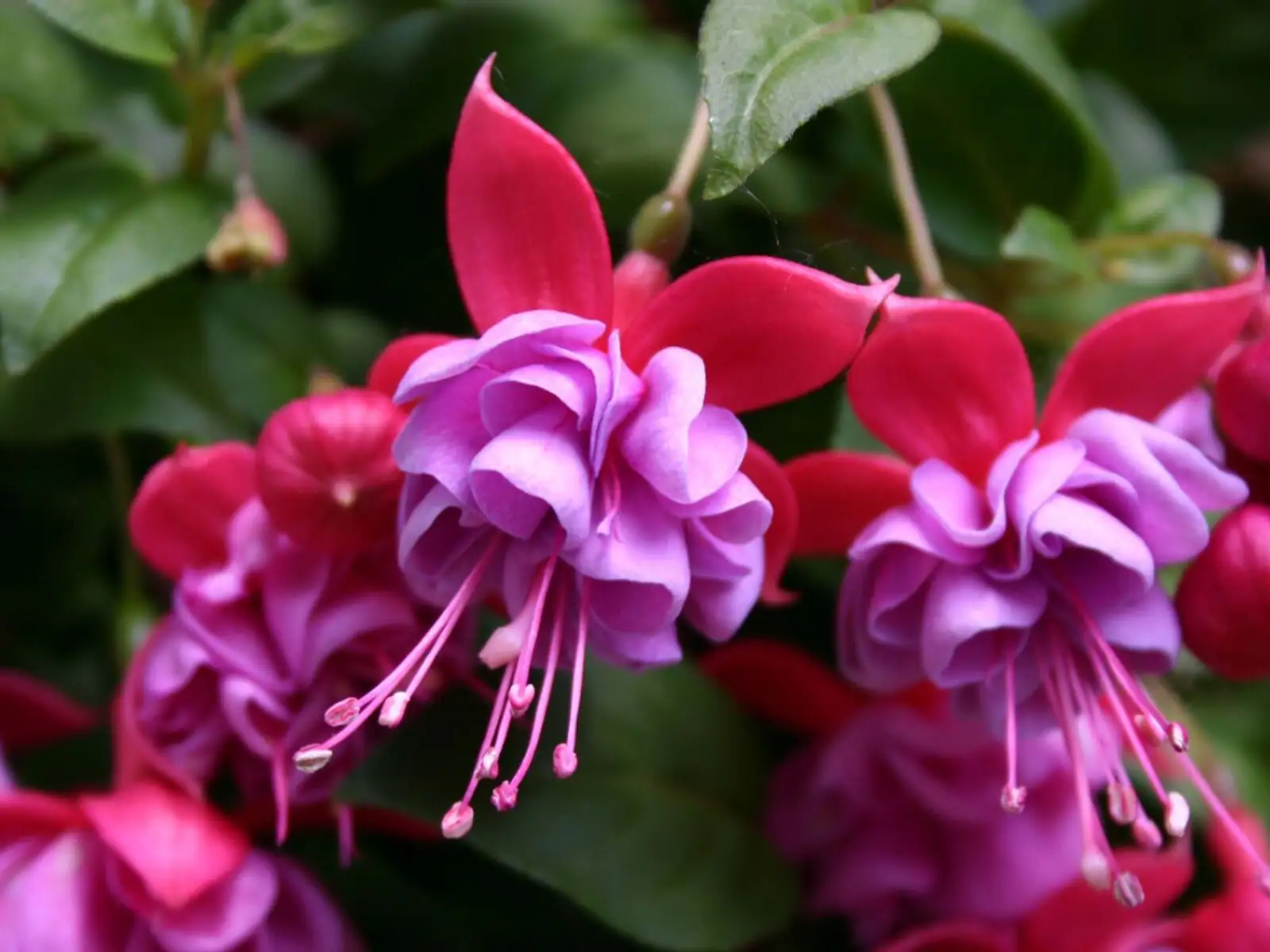
- Why we love it: Pendulous, lantern-like blossoms—single or delightfully double, often bicolored—made for hanging baskets and bright windows where you admire them from below.
- Growth habit & size: Freely branching, mounding to trailing; commonly 30–90 cm tall and wide in containers. Many displays are a “fuller basket” trick—2–3 young plants in a 15 cm pot.
- Comfort zone: Bright light with gentle morning sun, steady moisture, cool air (about 15–22°C / 59–72°F), and good airflow.
- Two Achilles’ heels: Heat and ethylene. Prolonged warmth (≥25°C / 77°F) triggers yellowing and bud drop; ethylene from ripening fruit or combustion can do the same—especially indoors.
Ethylene 101: the gas that topples buds
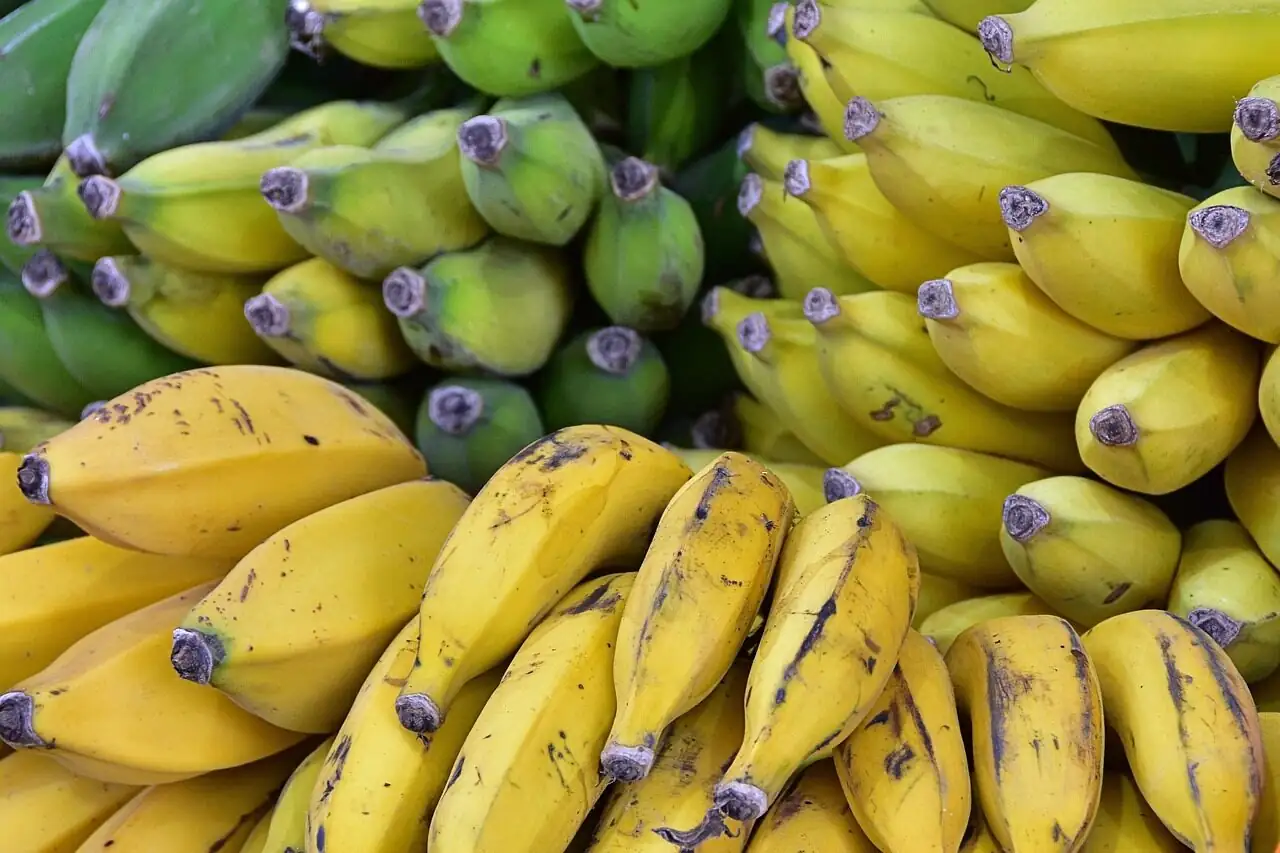
- What it is: Ethylene (C2H4) is a colorless, odorless plant hormone active at vanishingly low concentrations. Plants make it; ripening fruit famously emits it. Combustion sources (e.g., some heaters, leaky gas appliances, vehicle exhaust, even cigarette smoke) add more.
- Why fruit makes it: Many “climacteric” fruits (apples, pears, bananas, tomatoes, peaches, plums, avocados) ramp up ethylene as they ripen. Ethylene is autocatalytic in these fruits: a little makes more.
- What it does to flowers: Ethylene binds to receptors in plant tissues and flips the aging/abscission switches—accelerating bud and flower drop. In fuchsia, the abscission zone at the flower stalk responds quickly, so unopened, perfectly formed buds can fall within hours to days of exposure.
- Why warm, still rooms are worse: Heat and stress can increase ethylene production (in fruit and in plants), and poorly ventilated spaces let ethylene accumulate. Even trace amounts can matter in a closed room.
The fruit bowl–fuchsia feud, decoded
Put a cool-loving, ethylene-sensitive plant in a warm living room beside ripening fruit, and you stack three nudges toward bud drop:
1) Ethylene signal from fruit says “let go.”
2) Heat (≥25°C / 77°F) slows fuchsia growth and encourages drop.
3) Lower indoor light away from windows weakens buds further.
That’s why your plant can look perfect at the shop, then within 24–72 hours at home—plop, plop, plop—buds rain down.
Keep your fruit, save your fuchsia: the practical playbook
You don’t need to choose between a gorgeous hanging fuchsia and a fragrant kitchen. Use these tactics in layers:
1) Zone smartly
- Separate rooms if possible. Place Fuchsia × hybrida by a bright east or south window; keep the fruit bowl in the kitchen or a pantry with a door.
- If one room must serve all: give the plant the window, the fruit the farthest counter. Aim for meters, not centimeters.
2) Ventilate
- Open windows regularly and use a gentle fan to keep air moving past the plant, not directly blasting it.
- Avoid tight, closed rooms where ethylene can build overnight.
3) Curate your counter produce
- High emitters (keep well away or store cool once ripe): apples, pears, bananas, peaches, nectarines, plums, apricots, avocados, tomatoes, ripe kiwifruit, mangoes.
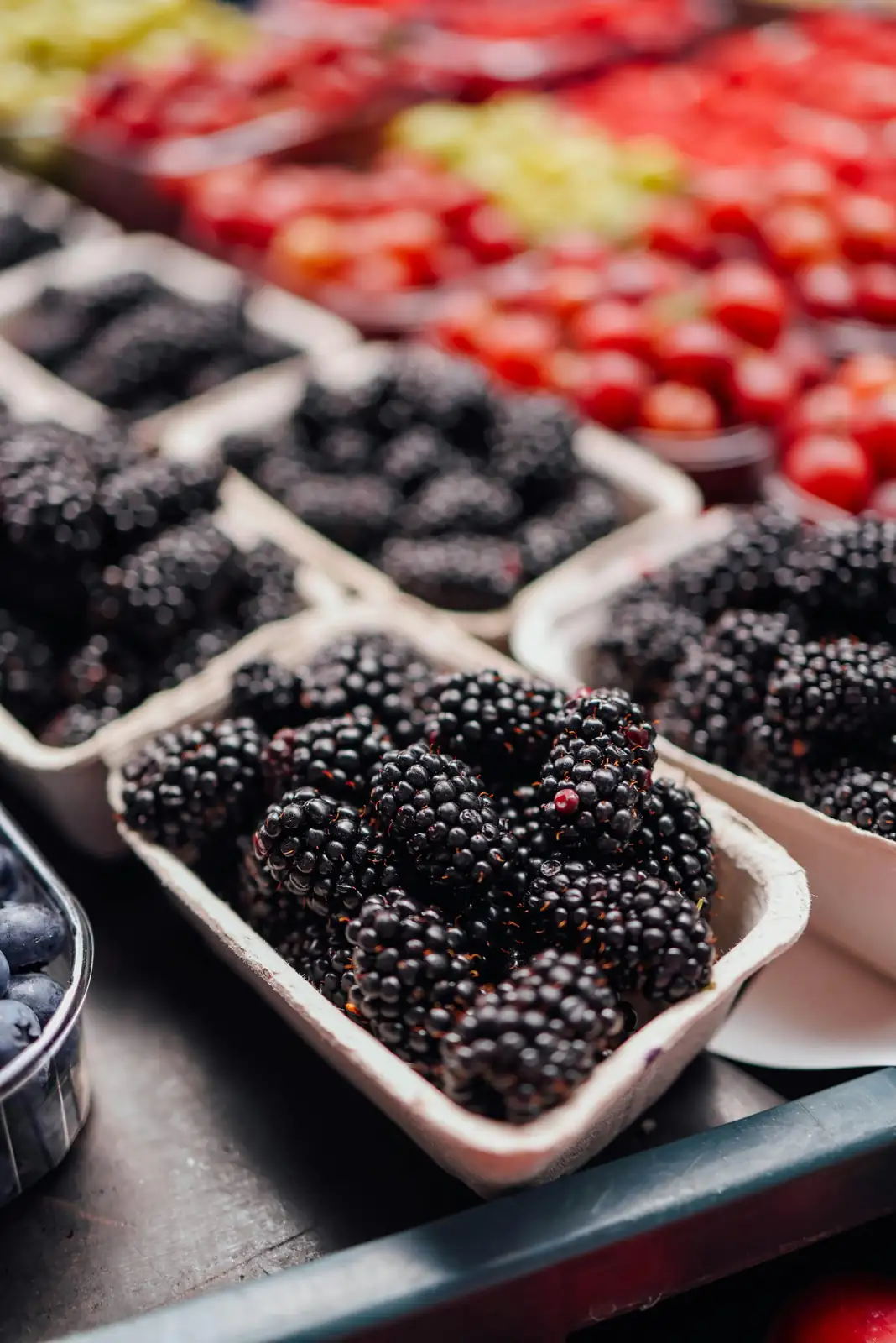
- Lower emitters (safer to display near—but still give breathing room): citrus, grapes, strawberries, many berries, leafy veg. Note: wounded or rotting items emit more—compost promptly.
4) Store to protect both freshness and flowers
- Ripen high-ethylene fruit out of the fuchsia’s room; once ripe, move to a cooler spot or the fridge (bananas chill after ripening; apples and pears keep well cold; tomatoes keep best at cool room temp away from the plant—use a ventilated box rather than the fridge if you prize flavor).
- Don’t pile produce under the plant. Even a small cluster can be enough in a still space.
5) Add ethylene “sinks”
- Use consumer ethylene absorbers (permanganate or activated-carbon/zeolite sachets, fridge filters, or produce-keeper boxes) near fruit storage, not clinging to the plant. They quietly mop up stray ethylene without stealing fragrance from fruit or flowers.
- Replace as directed; spent absorbers stop working.
6) Combustion caution
- Keep fuchsia away from gas stoves, space heaters, kerosene heaters, or cigarette smoke—combustion can release ethylene. A bright porch or window away from the kitchen is ideal.
7) Fresh-flower etiquette
- Display bouquets away from fuchsia, and cull spent blooms daily. Senescing or rotting plant matter emits ethylene.
8) Give the plant its sweet spot (this lowers self-made stress ethylene)
- Light: Bright light with gentle direct morning sun. Indoors, an east- or south-facing window beats a dim corner every time.
- Temperature: About 15–22°C (59–72°F) is prime. Growth slows above 25°C (77°F); extreme heat near 35°C (95°F) can be fatal. Keep above 5–10°C (41–50°F) in winter indoors.
- Moisture & humidity: Evenly moist, never bone-dry or waterlogged. Higher humidity plus airflow helps in warm spells.
- Feeding: During active growth, feed every ~2 weeks with a balanced-to-blooming formula; pause feeding in hot weather when growth stalls.
9) Handle and tidy
- Deadhead promptly and remove fallen petals/leaves (decay emits ethylene).
- Avoid rough handling and wounding. Prune cleanly.
Quick placement recipe for an indoor showstopper
- Window: Bright east or bright south exposure with morning sun; protect from harsh afternoon rays.
- Potting mix: Fertile, moisture-retentive yet airy (peat/leaf-mold base with perlite/coarse sand).
- Air: Breezy, not stagnant. Avoid the kitchen triangle and the fruit bowl.
- Temperature target: 15–22°C (59–72°F).
- Daily check: Surface of the mix just drying? Water thoroughly and drain. Buds forming? Keep light high and fruit far.
Troubleshooting: is it ethylene—or something else?
- Green, firm buds dropping en masse with otherwise healthy foliage? Suspect ethylene (or dim light). Increase distance from fruit; boost light and airflow.
- Yellowing leaves plus bud drop in warm weather? Heat stress. Move to bright shade, increase humidity and airflow, keep soil lightly moist, and consider a 1/3–1/2 cutback to help it rest until temperatures cool.
- Sparse growth, leggy stems, pale leaves? Too little light.
- Mushy stems or wilt despite wet soil? Risk of root rot—improve drainage and watering practice.
- Sticky leaves or fine webbing? Check for aphids or spider mites; treat early with insecticidal soap or horticultural oil.
Pinch, prune, and keep blooms coming
- Pinch young plants 2–3 times early: after ~3 pairs of leaves, pinch to above the second pair; repeat after new shoots make 3–4 pairs. This builds a fuller cascade with more flowering tips.
- Deadhead to cue new buds—and to remove ethylene sources from aging blooms.
- After a big flush, shorten overly long stems. If the base goes bare with age, a hard prune rejuvenates.
A note on symbolism and story
Fuchsia’s dangling blooms have long been read as playful charm and curiosity—like nature’s little earrings or bells. In some European traditions they also suggest a gentle warning bell. It’s a fitting metaphor: those bells “ring” for gardeners too, reminding us to watch light, temperature, and ethylene. Modern basket fuchsias are the product of centuries of hybrid breeding across American species, now a kaleidoscope of singles, doubles, and bicolors that reward cool, bright care.
The bottom line
- Keep Fuchsia × hybrida cool, bright, evenly moist, and breezy.
- Keep ripening fruit and combustion sources out of the plant’s airspace.
- Use smart storage and, if needed, ethylene absorbers so you keep both the fruit’s fragrance and the fuchsia’s bloom.
Do this, and your fuchsia won’t throw a bud-tantrum when the bananas blush. Instead, it’ll keep bobbing those lanterns all season—exactly the show you brought it home for.