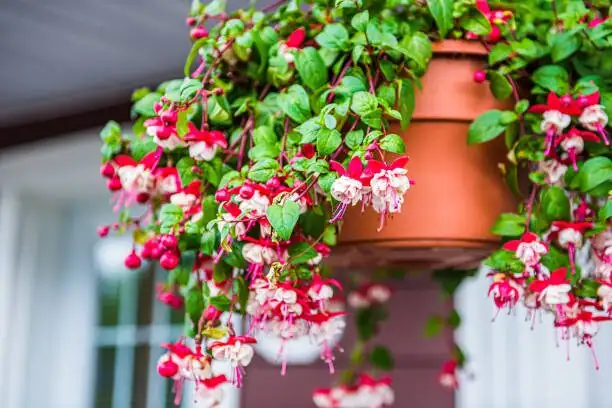
Think of Fuchsia × hybrida as the plant world’s confidence-boosting coach: generous, forgiving, and wildly rewarding when you get the basics right. In this masterclass, we’ll dial in the exact cutting type, medium, temperature, and timeline so you can root tip cuttings in about 10 days, pot them on at around 30 days, and coax them into bloom the same year—often in a single season that looks like a chandelier in motion.
Meet the plant, meet its preferences (this is why your cuttings fly)
- Light: Bright light with gentle direct sun (morning is perfect). Harsh midday/afternoon sun in summer? No thanks.
- Temperature: Cool-loving. Sweet spot is around 15–22°C (59–72°F). Growth slows above 25°C (77°F).
- Humidity: Enjoys moisture in air and soil; pair humidity with airflow to prevent gray mold.
- Mix: Fertile, moisture-retentive yet airy—peat or leaf-mold base cut with perlite and/or coarse sand for drainage.
- Pro-tip: Keep baskets and pots away from ripening fruit—ethylene can trigger bud drop.
Locking these in for your mother plants keeps shoots sturdy and green (not leggy), which translates straight into high-success cuttings.
Soft vs. semi-ripe cuttings: which, when, and why
- Soft tip cuttings (spring, early summer)
- What: Fresh, flexible, non-flowering tips.
- When: As soon as strong new growth appears in spring.
- Why: Fast to root, easiest for baskets and most hybrids.
- Expectation: Roots in about 10 days; pot up around 30 days.
- Semi-ripe cuttings (late summer)
- What: Shoots that are firming up, slightly woody at the base, still green up top.
- When: Late summer as stems mature.
- Why: A touch sturdier for overwintering; still fast and reliable.
- Expectation: Often roots in roughly 10 days, sometimes a few days slower than soft tips.
Target length for both: 7–9 cm (about 2.8–3.5 in). Remove any buds and the lower leaves—cuttings focus on roots first.
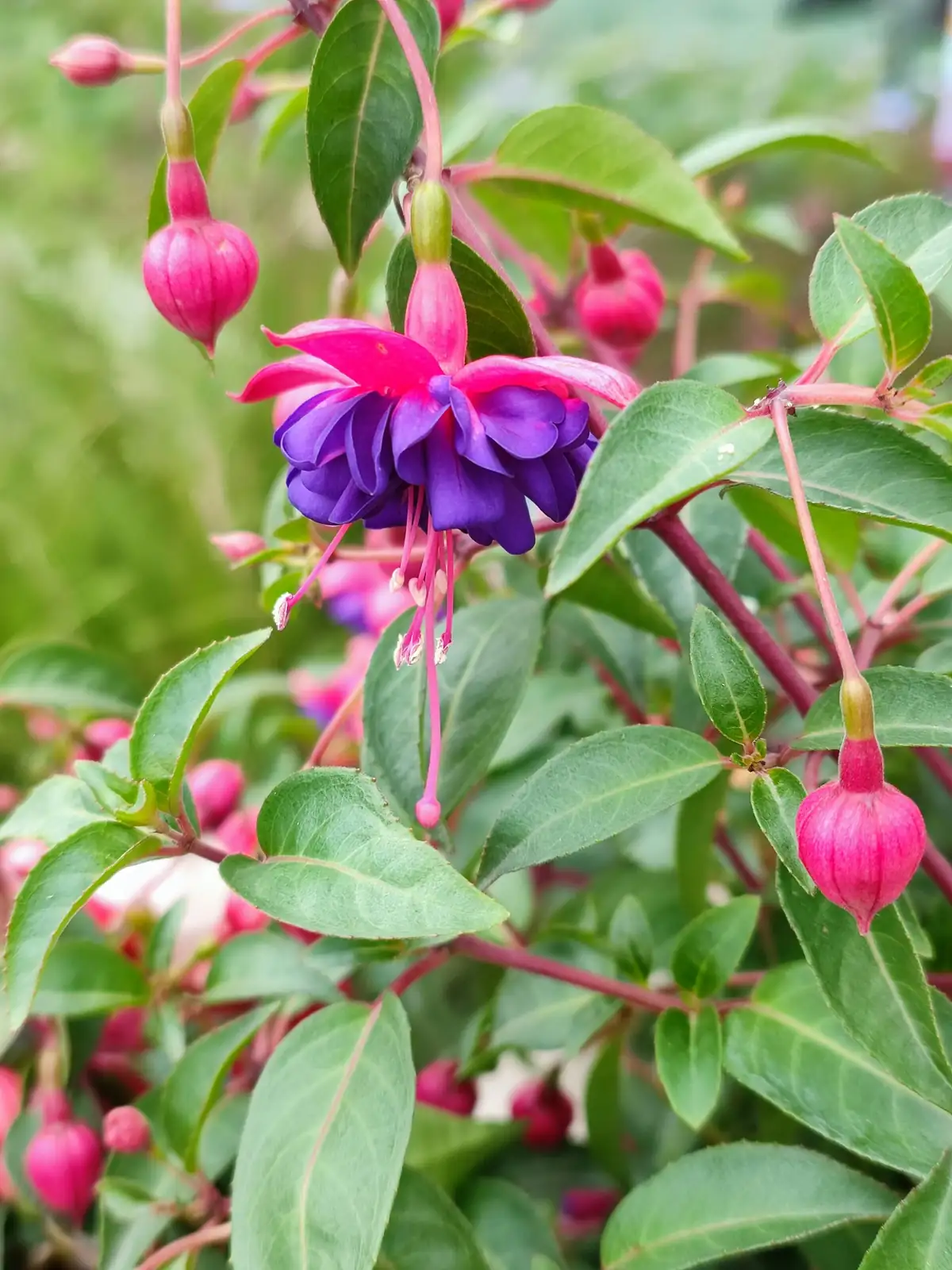
The ideal rooting medium (plus a dead-simple recipe)
- Aim: Airy, moist, free-draining, never waterlogged.
- Mix options:
- 50–60% peat or leaf-mold (or coco coir) + 40–50% perlite/coarse sand.
- A light “seed/cutting” mix works beautifully.
- Pre-moisten to a wrung-sponge feel: evenly damp, no shine or drips when squeezed.
- Containers: Small pots or plug trays with drainage. Grouping several cuttings per pot is efficient and keeps humidity steadier.
Water propagation also works for fuchsia, but a proper medium gives stronger, more transplant-ready roots with less shock.
Temperature, light, and humidity—your rooting environment, dialed in
- Temperature target: 15–22°C (59–72°F). Avoid hot windowsills that spike above 25°C (77°F)—fuchsia hates heat.
- Light: Bright, indirect to soft morning sun. No blazing midday rays under a humidity cover.
- Humidity: A clear dome or loose plastic bag keeps leaves turgid. Vent daily for fresh air to prevent Botrytis (gray mold).
- Airflow: Gentle, consistent ventilation is your friend.
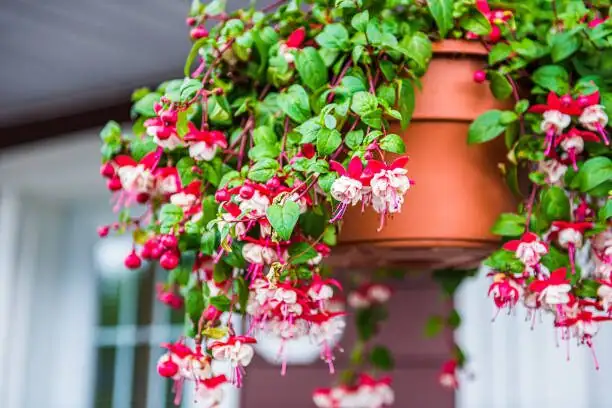
Optional: A modestly warm propagator in the same cool range is helpful. Bottom heat is rarely necessary for fuchsia and can backfire if it drives the mix too warm.
Step-by-step: soft tip cuttings (spring to early summer)
- Select and prep
- Choose non-flowering tips, 7–9 cm long. Make a clean cut just below a node.
- Strip lower leaves; leave one or two pairs at the top. Nip off any buds.
- Optional: Dip the base lightly in rooting hormone (not essential for fuchsia).
- Stick
- Insert the base so at least one node is below the surface; firm the mix gently around the stem.
- Space cuttings so leaves don’t touch. Label and water to settle.
- Cover and place
- Use a clear cover or bag with a few vents. Place in bright, gentle light at 15–22°C.
- Timeline and checkpoints
- Day 7–10: Gentle tug test—resistance = roots. Tiny white roots are common by now.
- Day 14–21: New leaf growth and firm anchoring signal success.
- Day 28–35: Pot up into individual small pots (7–9 cm) once roots knit the plug.
Step-by-step: semi-ripe cuttings (late summer)
- Take slightly firmer tips from healthy, well-lit plants.
- Prepare and insert just as above; keep conditions bright, cool, and airy.
- Expect rooting around 10 days; semi-ripe pieces may run a few days slower. Pot up by about 30 days.
Potting up at ~30 days: set roots up for speed
- Potting mix: A richer version of your cutting mix—peat/leaf-mold or coir base plus perlite/coarse sand for drainage.
- Pot size: 7–9 cm (3–3.5 in) to start; don’t over-pot.
- Planting depth: Keep at the same depth the cutting rooted. Firm lightly and water through.
- Aftercare: Move to bright light with gentle sun and good airflow. Begin light feeding at 1/4 strength a week after potting up.
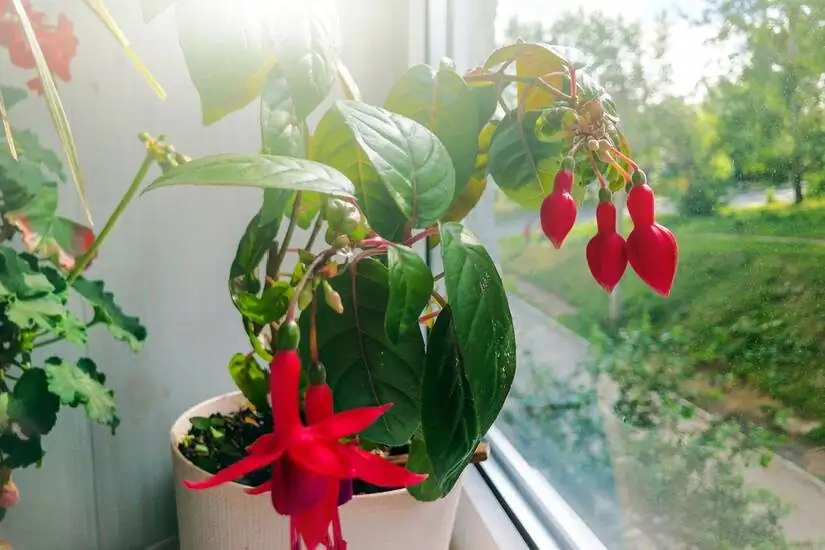
Fast track to same-year blooms
- Light and temperature
- Bright light with morning sun powers bud set.
- Keep cool: 15–22°C (59–72°F) is prime. In summer heat, shift to bright shade and breeze to prevent bud drop.
- Pinching for a fuller show
- Pinch 2–3 times early: first when plants have ~3 pairs of leaves (cut just above the second pair).
- After each pinch, let new shoots make 3–4 pairs of leaves, then pinch again.
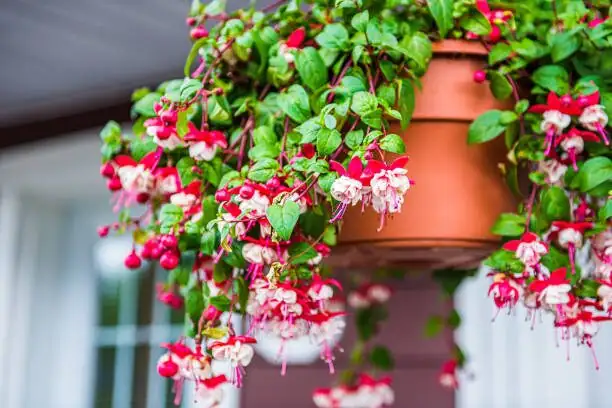
- This builds 5–7 strong branches and a basket that flowers like a waterfall.
- Feeding
- During active growth, feed every 2 weeks with a balanced-to-blooming fertilizer (e.g., around 15-15-30) at label-diluted rates.
- Pause feeding during heat waves when growth stalls.
- Don’t force heavy nitrogen right before peak bloom—leafy at the expense of flowers is not the goal.
- Smart potting
- For instant impact, plant 2–3 well-rooted youngsters into a 15 cm (6 in) pot or small hanging basket.
- Keep evenly moist (never bone-dry, never soggy). Consistent moisture is your bloom insurance.
- Housekeeping
- Deadhead spent flowers and fruit promptly to keep new buds coming.
- Keep away from ripening fruit to avoid ethylene-triggered bud drop.
With this routine, cuttings rooted in spring commonly reach first flower buds by summer to early autumn, especially in cool, bright conditions.
Troubleshooting the top culprits
- Bud and leaf drop in warm weather
- Cause: Heat stress (especially warm nights).
- Fix: Move to breezy bright shade, keep the mix lightly and evenly moist, mist to cool the canopy (with airflow), and consider a light seasonal cutback (1/3–1/2) to help the plant reset.
- Leggy growth, yellowing, sparse flowers
- Cause: Too little light.
- Fix: Move to brighter conditions with morning sun; pinch to branch; feed modestly.
- Gray mold (Botrytis) or rust
- Cause: Cool, stagnant, damp air and spent blooms left on.
- Fix: Vent domes daily, space plants, remove faded flowers/leaves promptly, water the substrate not the foliage late in the day.
- Pests: Aphids, spider mites, whiteflies
- Action: Treat early with insecticidal soap or horticultural oil; repeat as needed. Improve airflow and rinse residues off after treatments per label.
Advanced variations (optional)
- Water rooting: Easy and fun; transplant gently once roots are 2–3 cm long. Expect a brief settling period after potting.
- Training styles: Upright, mounding, or trailing; you can even train as a small standard by staking a single leader, then pinching to create a lollipop canopy.
- Hardwood on hardy types: Some hardy fuchsias can root from hardwood, but for basket hybrids, soft or semi-ripe tips remain the gold standard.
A simple propagation calendar
- Spring
- Take soft tip cuttings; root in ~10 days, pot up by ~30.
- Repot basket plants and start pinching to branch.
- Feed every 2 weeks in active growth.
- Summer
- Protect from heat and harsh midday sun; keep lightly moist and airy.
- Pause feeding in peak heat; consider a light cutback if stressed.
- Late summer
- Take semi-ripe cuttings; root and pot up on a similar timeline.
- Autumn to winter
- Enjoy a cool, bright spell—often great for flowering.
- Indoors, keep above ~10°C (50°F), ideally 12–15°C (54–59°F) for continued performance; water sparingly but don’t let it go bone-dry.
Why we love propagating fuchsia (a note on meaning)
Those dangling, lantern-like blooms have long been linked with playful charm and fascination—like tiny “bells” that invite a closer look. In some traditions they’re a gentle warning bell too: a cue to slow down and pay attention. Perhaps that’s why propagating them is so satisfying—you learn to notice the small things (a swelling bud, a rooted node) and, with a little patience, you’re rewarded with a cascade of color the very same year.
Ready to feel like a propagation pro? Take those 7–9 cm tips, keep them cool, bright, and just-moist, and in about 10 days you’ll have roots; by 30, a pot full of promise. The rest is simply good light, steady moisture, and a few well-timed pinches—then let the little bells sing.