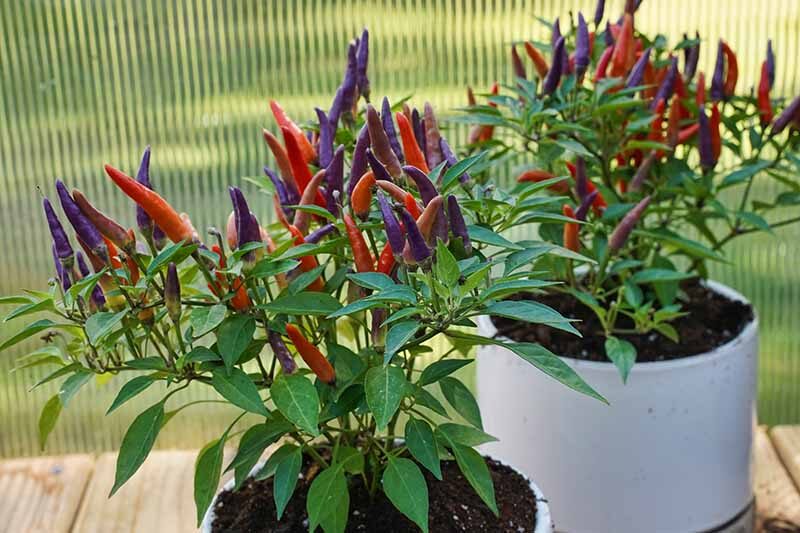
If an ornamental pepper has ever winked at you from a sunny windowsill—glossy leaves, upright candle-like fruits shifting from green to yellow, orange, purple, and finally red—you already know Capsicum annuum can steal the show. But should it also join dinner? Yes, it’s the same species as many edible chilies. The catch: ornamental types are often extremely hot, and capsaicin can burn eyes, mouths, or broken skin. This safety-first guide shows you how to test heat the smart way, avoid skin/eye burn, and turn ultra-hot pods into tidy, small-batch chili flakes—plus exactly when (and when not) to eat plants sold as décor.
Quick orientation: meet your “decor that bites”
- Species: Capsicum annuum (ornamental pepper), in the Solanaceae family.
- Grown for looks: compact, bushy plants that carry clusters of glossy, often upright fruits in multiple colors at once.
- Technically edible: yes—but many ornamental cultivars are extremely hot. Handle and taste with care.
- Best display window: very bright light to full sun; fruiting peaks autumn to winter on a bright windowsill or sunny balcony.
- Safety baseline: keep out of reach of children and pets; wash hands after handling.
When to eat it—and when to leave it as décor
Think in terms of purpose and provenance.
Eat (or cook with) only if:
- You grew it yourself as an edible crop or can verify it was raised with food-safe practices.
- You’re confident it hasn’t been treated with systemic pesticides or other chemicals not labeled for edible use.
- The fruits are clean, fully colored, and you accept that the heat may be far beyond jalapeño level.
- Your household tolerates capsaicin; you’ll label and store any homemade spice away from kids and pets.
Leave it as décor if:
- You bought it as a seasonal windowsill plant with unknown chemical history.
- Children, pets, or anyone with GI sensitivity might snack accidentally.
- The plant has been on patios, shop sidewalks, or other places where contamination is possible.
- You simply want color and cheer—no need to turn every lantern-like pod into heat.
When in doubt, treat ornamental peppers as display-only.
Safety prep before any tasting or processing
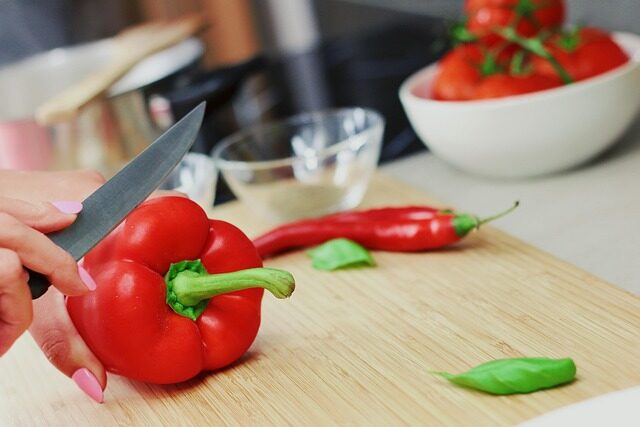
- Suit up lightly: disposable or kitchen-dedicated gloves; consider glasses if you’re slicing many pods. Avoid handling peppers with contact lenses in.
- Ventilation: open a window or run a fan—airborne pepper dust can irritate.
- Surfaces: use a washable cutting board and tools. Capsaicin is oil-soluble; dish soap cuts it better than plain water.
- Cross-contamination: keep peppers away from fruit bowls (ethylene from ripening fruit can also trigger flower/fruit drop on your plant) and from meal prep areas until you’re ready to clean down.
- Cleanup: wash knives/boards with hot water and soapy detergent; then wash your hands. Don’t touch eyes, nose, or face mid-prep.
The smart micro-taste: a controlled heat test
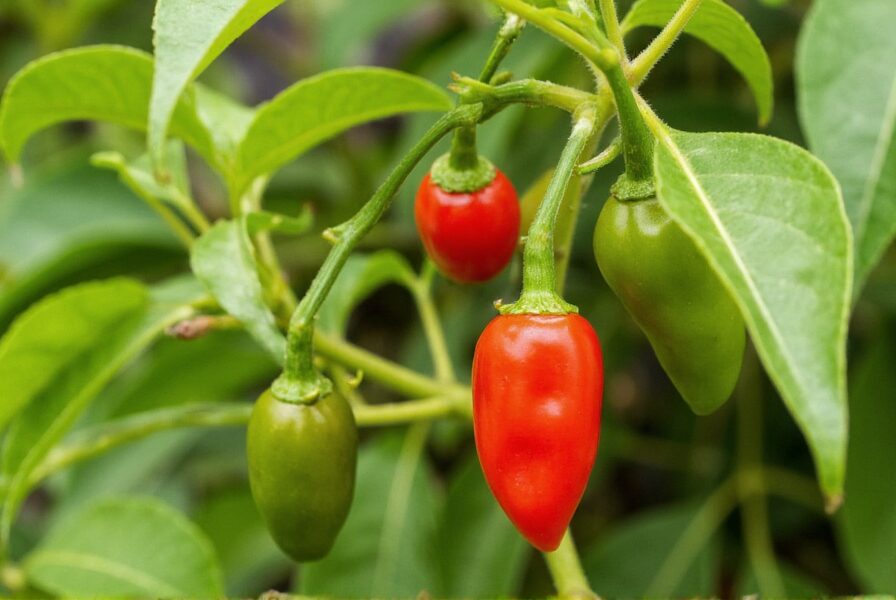
Ornamental pods can be wildly hot. Test in milligrams, not mouthfuls.
1) Toothpick test (lowest risk)
- Slice the pepper lengthwise to expose the pale inner ribs (placenta).
- Touch a wooden toothpick to the ribs, then dab the toothpick on your lower lip.
- Wait 60–90 seconds. If tolerable, try a second, slightly larger dab on the tongue.
2) Sliver test (step up)
- With gloves on, shave a rice-grain sliver from the flesh (avoid the ribs at first).
- Tap it on the back of the tongue. Spit if needed; follow with milk or yogurt.
- Escalate only if benign: nibble closer to the ribs (the hottest part). Seeds don’t produce heat but are coated by capsaicin-rich placenta, so they can feel fiery.
Dialing heat down:
- Remove the interior ribs (and seeds if you like); most of the burn lives in that pale tissue.
- Blend a tiny minced amount into a neutral, starchy dish first (rice, eggs) to gauge potency without wrecking dinner.
Relief tips:
- Reach for dairy (milk, yogurt), starchy food, or a little sugar/honey. Water spreads the burn; oil and dairy bind it.
Turn ultra-hot pods into tidy small-batch chili flakes
Ornamental peppers shine as flakes: small dose, big control.
Harvest and prep
- Pick fully colored fruits (yellow/orange/purple to red, depending on cultivar); they’re most flavorful at full maturity.
- Rinse, pat dry, and don gloves.
- For maximum heat: keep ribs in. For medium: remove ribs and most seeds.
- Slice halves or rings for even drying.
Drying options (choose one)
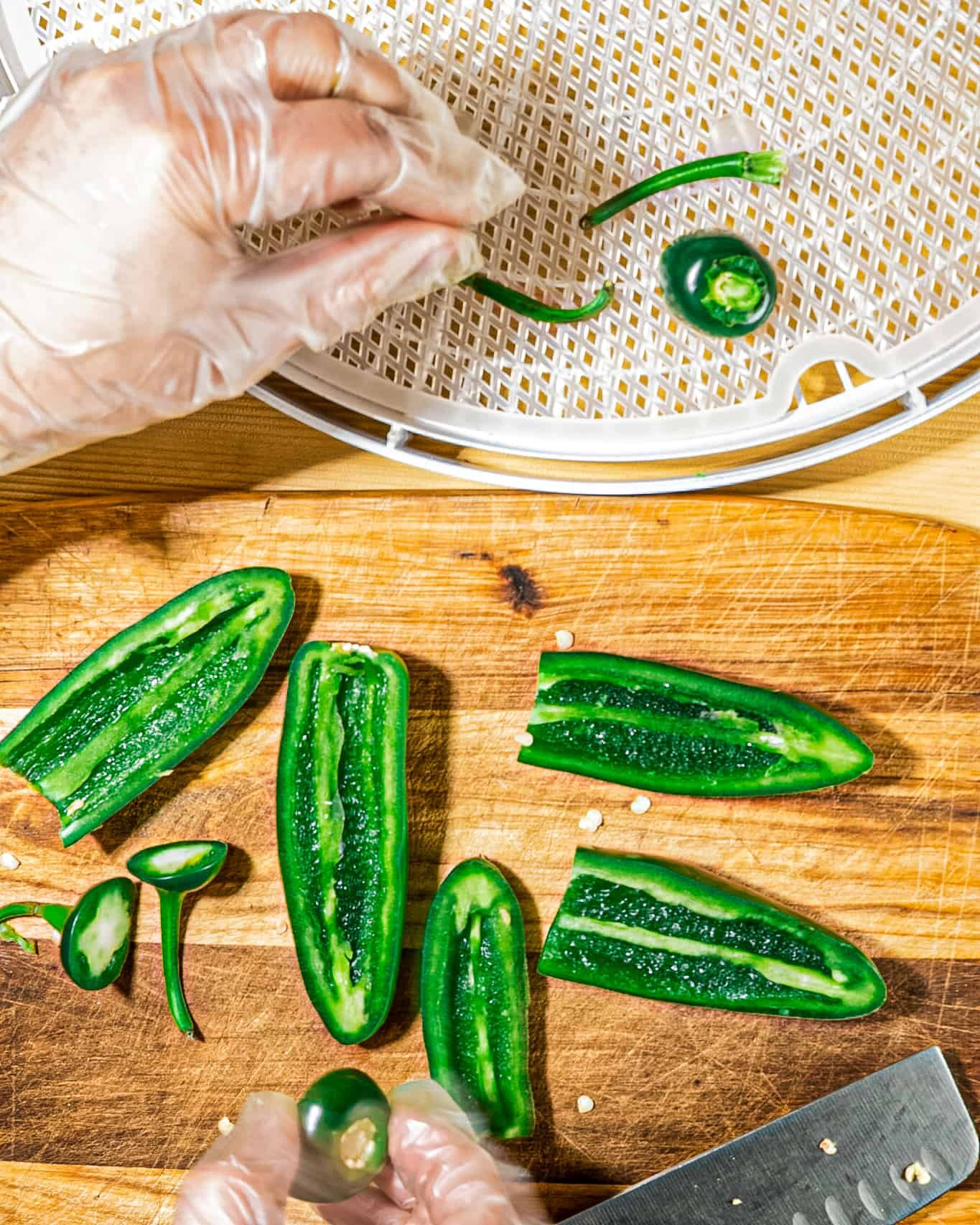
- Dehydrator: 45–55°C (113–131°F) until brittle, usually 4–10 hours depending on thickness.
- Oven, low and slow: 60–80°C (140–175°F), spread on parchment, door cracked slightly. Run the exhaust fan; avoid scorching. Dry until brittle.
- Air-dry (only in dry climates): thread pods and hang in a warm, airy spot out of direct rain/humidity until fully crisp.
Safety note: warmth plus airflow can release irritating pepper aerosols. Ventilate and keep your face out of the line of steam or fan.
Grinding and bottling
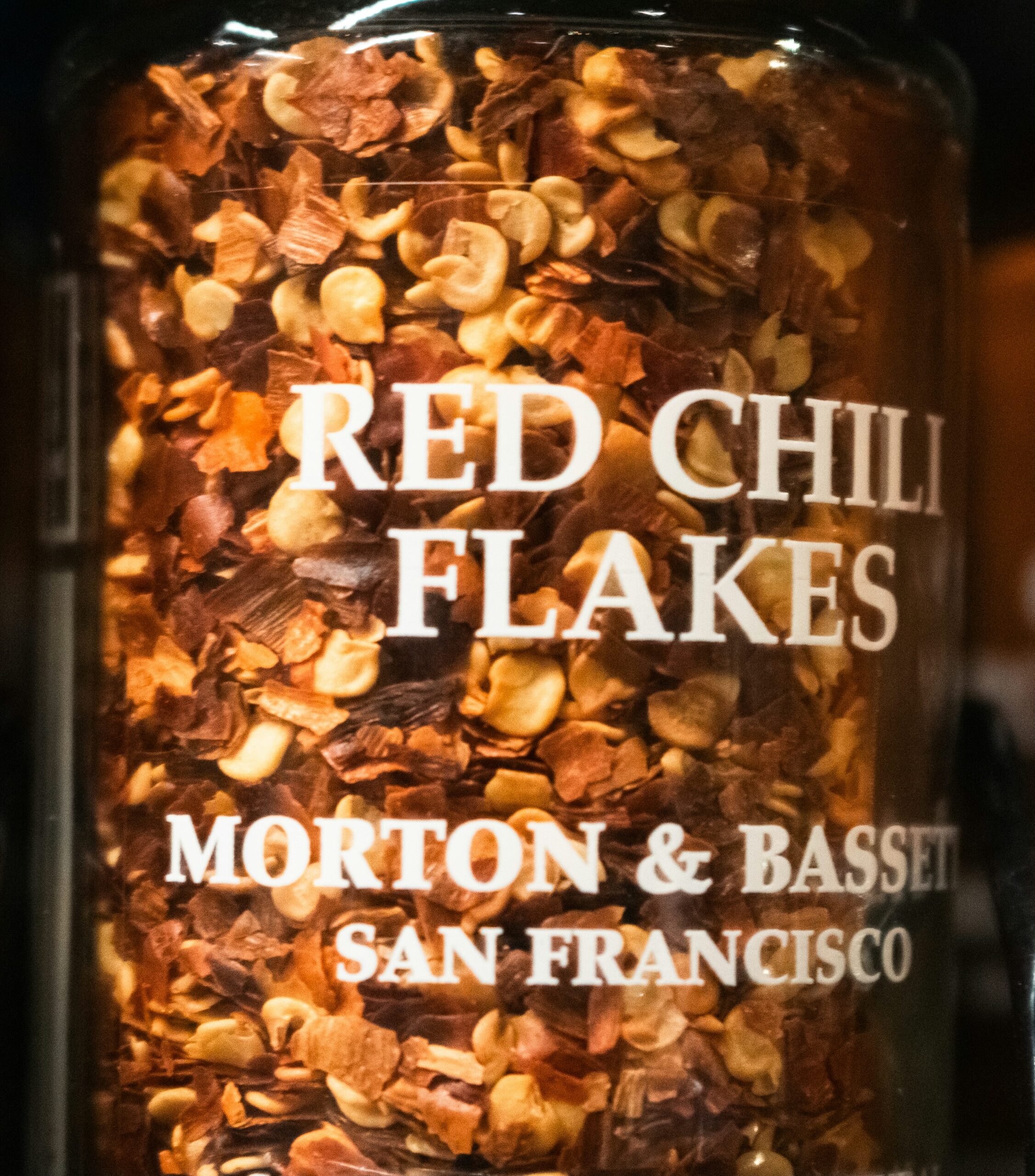
- Cool completely before grinding—warm pods throw more dust.
- Pulse in a spice grinder in short bursts. Set the grinder down for 60 seconds after pulsing before opening the lid; let dust settle.
- Decant away from your face. Optionally sift for a uniform flake size.
- Bottle in a dry, airtight jar. Label variety/date/approximate heat (“very hot”). Store in a cool, dark place; best within 6–12 months.
Flavor tip: a pinch of salt folded into your flakes reduces clumping and makes dosing easier at the table.
Using your flakes (safely)
- Start with a pinch on eggs, pizza, noodles, or roasted veg; increase slowly.
- For same-day chili oil: bloom a pinch of flakes in hot oil off heat, then drizzle and enjoy immediately. Avoid storing fresh-chili-in-oil at room temperature.
First aid for capsaicin mishaps
- Skin burn: wash with soapy water; follow with a dairy compress (milk/yogurt) or a bit of edible oil, then re-wash. Avoid hot showers right after—they can intensify the sensation.
- Eyes: remove contacts first; flush with clean, lukewarm water or sterile saline for 15 minutes. Seek medical help if pain persists.
- Mouth: sip milk/yogurt, eat bread/rice, or dissolve a teaspoon of sugar/honey. Time helps; don’t chase with plain water or alcohol.
Growing and handling notes that make kitchen use easier
- Light and warmth: aim for 6–8 hours of direct sun and warm conditions (about 21–25°C / 70–77°F) to encourage heavy fruiting. Indoors, these compact plants often peak from late summer through winter.
- Watering: keep evenly moist; hot, dry air plus missed waterings can cause blossoms and young fruits to drop. Don’t let pots go bone dry or sit soggy.
- Placement: brightest window, sunroom, or sunny balcony. Keep out of reach of children and pets. Also, keep the plant away from bowls of ripening fruit; ethylene can encourage flower/fruit drop.
- Harvesting: snip fruits with clean scissors to avoid tearing stems and to keep the plant attractive for longer.
A quick word on “flower language” and symbolism
Peppers don’t have an ancient, canonical “flower language” in the way roses do. Their modern symbolism grew with their global spread: warmth, vitality, celebration—the way one plant can dazzle with several fruit colors at once feels festive, especially in autumn and winter. Take “pepper passion” claims with a grain of salt; the real poetry is visual and seasonal, not a fixed code from old folklore.
Bottom line: treat every ornamental like it’s hotter than you think
- If you’re sure it’s food-safe, test heat in tiny steps, gear up sensibly, ventilate, and turn a few pods into tidy flakes you can dose precisely.
- If you’re unsure about its growing history—or you’re sharing a home with curious small hands or paws—enjoy the color show and skip the taste test.
With a little caution, Capsicum annuum can live happily in two worlds: a compact, cheerful windowsill star and, when appropriate, a powerhouse spice in your smallest jar.